


Introduction: Milan between tradition and contemporary facades
Milan is a city of contrasts. Italy’s financial heart keeps a historic core of domes, piazzas and churches, while continually reinventing itself with contemporary urban planning and bold façades that shape the skyline. From the conversion of old industrial zones to the brand-new towers of Porta Nuova and CityLife, the Lombard metropolis offers a living architectural route where the facade is no longer just a building’s outfit but a social, ecological and aesthetic statement.
Contenu de l'article
This article takes you through the iconic façades of Milan’s newest buildings: from breathing green walls to glass curtain walls that mirror the city, to patinated steel cladding and richly textured ceramic panels. We’ll cover exact addresses and opening times, any entrance fees, practical tips for photographing these façades and local tricks to enjoy each site like someone who lives here.
As we explore recent projects — Bosco Verticale, UniCredit Tower and Piazza Gae Aulenti, Fondazione Prada, HangarBicocca, Fondazione Giangiacomo Feltrinelli, 10 Corso Como and Palazzo Lombardia — you’ll see how the facade has become a stage: telling stories about sustainability, materiality and the relationship between inside and out. Some façades play with transparency and light, others with vegetation or texture. They invite the passerby to look up, to step closer, sometimes to touch, and above all to reflect on the role of architecture in the city.
The value of a façade goes beyond aesthetics: it’s the first contact between a building and public space. In this roundup, every section describes appearance, construction technique, exact address, opening hours for associated venues, any entrance fees, and practical advice (best photo times, transport access, nearby cafés, dress code rules for museum entries). Whether you’re a photographer, a curious architect, or just passing through, this information will help you plan a rich, pragmatic urban walk.
Finally, the visual markers placed where images complete the narrative will help you quickly spot the most photogenic angles: at sunset on Piazza Gae Aulenti, in spring on Bosco Verticale’s planted balconies, or beneath the glass roof of Fondazione Prada. Lace up your walking shoes, grab your camera and your curiosity — Milan awaits with façades that speak to the present while honoring the past.

Green verticality: Bosco Verticale and the balcony reinvented
The Bosco Verticale (Vertical Forest) has become an emblem of Milan’s sustainable urban revival. Designed by Stefano Boeri and completed in 2014 in the Porta Nuova district, it’s a residential ensemble of two towers planted with trees and shrubs on their balconies, creating a living façade that changes with the seasons. The approach is radical: turning the façade into an ecosystem that improves air quality, provides shade and reduces urban noise.
Exact address: Bosco Verticale, Piazza Melchiorre Gioia 26 (Porta Nuova area), 20124 Milano.
Access: the façade is visible from public streets and Piazza Gae Aulenti; apartments are private and not open for casual visits.
Hours: exterior viewing 24/7 (visit the piazza and viewpoints by day or night).
Price: free to view the façade from the outside.
Immersive description: get close at first light when the low sun grazes the foliage: the façade comes alive, tree silhouettes cast moving shadows over concrete and glass. In spring, the burst of leaves and blossoms feels like an island of woodland in the city center. In winter, the branches’ skeleton creates a striking architectural graphic. The contrast between modern structure and living vegetation is striking: you’re no longer looking at just a building but a vertical garden constantly in flux.
Local practical tips:
- Best time for photos: sunrise and golden hour (roughly 7–9am in spring/summer; times shift with the season).
- Recommended viewpoints: walk along Via Federico Confalonieri and Piazza Gae Aulenti for varied angles; the footbridge near Garibaldi metro station (M2/M5) offers a nice perspective.
- Access: easy from Milano Porta Garibaldi station (about 5–10 minutes on foot).
- Respect: don’t enter private spaces, and avoid loud noises early in the morning if you’re shooting from nearby public terraces.
The square that reflects: UniCredit Tower and Piazza Gae Aulenti
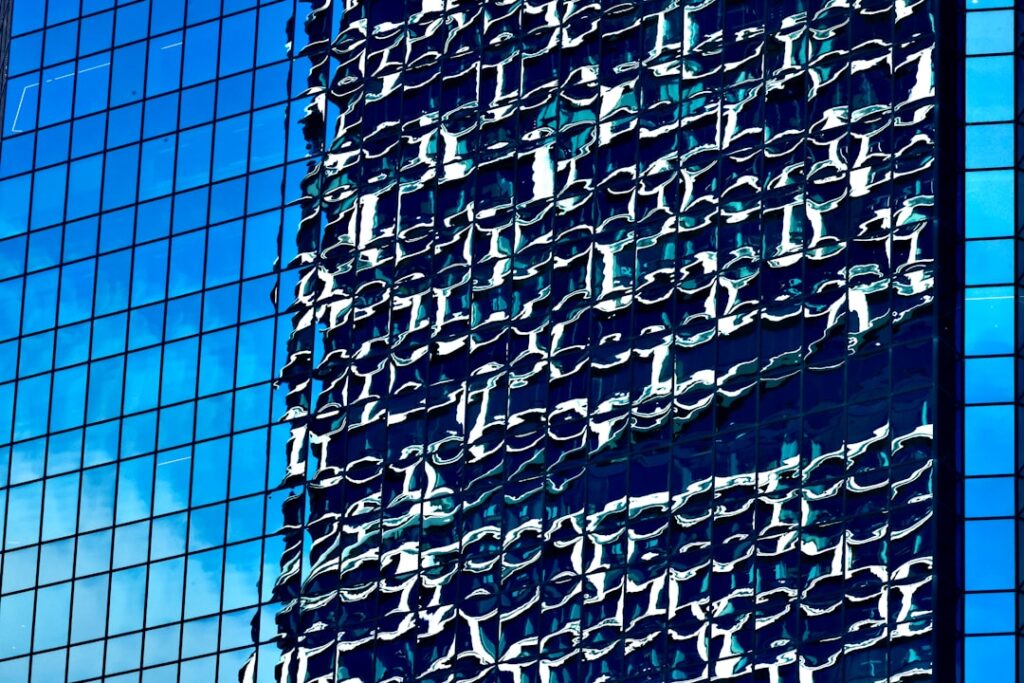
Piazza Gae Aulenti has in a few years become the symbol of Porta Nuova’s urban renewal. At its center stands the UniCredit Tower, headquarters of the UniCredit banking group, designed by César Pelli. Its glass spire is now one of Milan’s most recognizable rooftop silhouettes. The façade, entirely glazed and slightly curved, plays with light and mirrors the surrounding city — a spectacular effect at sunset when the glass picks up the sky’s orange hues.
Exact address: UniCredit Tower, Piazza Gae Aulenti, 10, 20154 Milano (Porta Nuova district).
Public access: the piazza is generally open 24/7; access to certain interior areas (restaurants, shops) follows business hours.
Typical hours: shops and restaurants roughly 09:00–23:00; check individual venues for precise opening times.
Price: free to visit the piazza; paid access varies for exhibitions or special events.
Immersive description: standing in the center of Piazza Gae Aulenti feels like being in an urban amphitheater. The fountain, paving and the curve of the skyscraper create a play of visual echoes. The large glazed surfaces of UniCredit Tower fragment the city’s image: you might catch the Duomo reflected in micro-mosaics on a panel. At night the spire lights up and the silhouette becomes a luminous landmark.
Local practical tips:
- Transport: metro M3 (Piazza XXV Aprile) or M2/M5 (Porta Garibaldi) then a 5–10 minute walk.
- Best light: evening golden hour to capture reflections and dynamic lighting.
- Cafés & restaurants: many terraces around the piazza; typical coffee prices on the square: €2.50–€4.00; main dishes in restaurants €15–€35.
- Activities: the piazza often hosts markets and events; check the municipal calendar to time your visit with cultural programming.
Materiality and transformed industrial site: Fondazione Prada and its textured façade
Fondazione Prada is a remarkable example of industrial conversion into a contemporary cultural hub. Located in south Milan, the foundation occupies a large complex of renovated buildings and new structures, including the Torre and the Podium with textured façades covered in golden finishes and patinated steels. The contrast between old volumes and contemporary interventions gives the façade an almost theatrical quality.
Exact address: Fondazione Prada, Largo Isarco 2, 20139 Milano.
Hours: generally Tuesday to Sunday, 11:00–19:30 (closed Monday) — hours may vary with exhibitions.
Price: standard ticket around €15 (varies by exhibition; discounts for students and seniors; free for certain categories — check the official site).
Access: tram, bus or taxi; Lodi TIBB metro station (M3) then a 10–12 minute walk.
Immersive description: Fondazione Prada’s façade invites a tactile reading: worked metal panels, reflective surfaces and open spaces that follow one another like theater scenes. Architects Roberto Baciocchi and Rem Koolhaas (OMA) arranged volumes that filter light in a near-theatrical way. Inside, atriums and open courtyards offer fragmented views of these façades, which shift with light intensity and weather.
Local practical tips:
- Tickets: book online to avoid queues; allow 1.5–2 hours for a standard exhibition visit.
- Photography: interiors are popular—aim for early opening hours for quieter shots; observe photography rules in exhibition rooms.
- Dining: there’s a café-restaurant on site (main courses €12–€25); perfect for a break after your visit.
 Click here to book your ticket for Fondazione Prada

Poetic reindustrialization: HangarBicocca and steel façades
HangarBicocca is a former industrial wasteland converted into a contemporary art center, known for its monumental installations and preserved industrial façade. The structure retains a raw materiality: large steel volumes, brick façades and wide openings framing dramatic interior views of the artworks. The space plays with scale and creates a distinct relationship between the utilitarian exterior and the museum-like interior.
Exact address: Pirelli HangarBicocca, Via Privata Chiese 2, 20126 Milano.
Hours: generally Wednesday to Sunday, 11:00–19:00 (closed Monday and Tuesday) — check the site for temporary exhibitions.
Price: free entry for permanent displays in many cases; temporary exhibitions may be ticketed (approx. €10–€12 depending on program).
Access: tram or bus from the center; limited parking, so public transport is recommended.
Immersive description: approach the façade at dusk and feel the weight of industrial textures — patinated metal, visible seams, large workshop doors. The building seeks truth in material rather than elegance. Inside, installations use those industrial skins as a setting: a huge central hall offers dramatic vertical perspectives. The building still carries a faint scent of metal and hydraulic oil, echoing its past life.
Local practical tips:
- Extended visit: allow at least 1.5–2 hours for a full visit, especially when immersive installations are on display.
- Transport: bus 56 and tram 7 get you close; consult Google Maps or ATM Milano for exact routes.
- Photography: interior lighting can be low; bring a fast lens and a discreet tripod if allowed.

Facades of knowledge and social architecture: Fondazione Giangiacomo Feltrinelli
Fondazione Giangiacomo Feltrinelli is a hybrid place: archive, research center, exhibition space and urban agora. The building stands out for a contemporary glass-and-metal façade integrated into a rehabilitated urban ensemble. Located in the Isola / Porta Nuova area, the foundation exemplifies a new cultural centrality in Milan, bringing together public functions, research and events.
Exact address: Fondazione Giangiacomo Feltrinelli, Viale Pasubio 5, 20154 Milano.
Hours: often open Tuesday to Saturday, 10:00–19:00; hours vary with conferences and exhibitions.
Price: most spaces are free to enter; paid registration may apply for conferences or workshops (usually €0–€10).
Access: Garibaldi metro station (M2/M5) nearby; very walkable from the train station.
Immersive description: the glazed façade invites transparency: from the outside you can see activities underway — work tables, reading sessions, archival displays. Natural light penetrates deeply and alters how interior volumes are perceived. The social aspect of the façade is key: ground-floor windows and meeting spaces open the foundation to the street, creating a direct relationship with the neighborhood and its residents.
Local practical tips:
- Program: check the official site or social channels for conferences, often free but requiring registration.
- Reading break: enjoy a nearby café to leaf through publications; coffee price about €2–€3.
- Photography: bright but dynamic interiors—respect rules during events and when archives are on display.
Commerce, culture and design: 10 Corso Como and its boutique façades
10 Corso Como is a legendary address for lovers of design, fashion and photography. Founded by Carla Sozzani, the shop-gallery-garden is less a public building than a cluster of interconnected spaces with a façade of noble materials, large shop windows and an interior garden. 10 Corso Como’s « façade » doesn’t follow a single logic: it mixes shopfronts, gallery space and a café in a carefully composed architectural sequence.
Exact address: 10 Corso Como, Corso Como 10, 20154 Milano.
Hours: generally 11:00–19:30 (check separately for the shop, gallery and café which may have different hours).
Price: access to the shop and garden is free; temporary exhibitions sometimes charge a small fee (around €5–€10).
Access: very close to Isola and Porta Garibaldi; Garibaldi or Moscova metro stations depending on your route.
Immersive description: 10 Corso Como’s façade promises discovery: carefully curated windows, elegant materials and an interior garden that acts as a visual lung. Visitors move through different worlds — bookstore, gallery, fashion boutique — all linked by meticulous attention to materials and staging. The place gives off an intimate, almost secret atmosphere that contrasts with the neighborhood’s bustle.
Local practical tips:
- Shopping: high-end fashion and design pieces; budget accordingly (designer shoes/objects often €100–€500+).
- Lunch break: the café serves dishes and pastries (main course €12–€25).
- Photography: respect the interior vibe and exhibition signage.
Governance on the facade: Palazzo Lombardia and its panoramic terrace
Palazzo Lombardia houses the Lombardy regional government and presents a contemporary glass-and-metal façade with a restrained but elegant volume. Built in the early 2010s, the building balances regional administration and public space thanks to its large esplanade and panoramic terrace (Belvedere), which offers views over Milan.
Exact address: Palazzo Lombardia, Via Melchiorre Gioia 37, 20124 Milano.
Hours: the panoramic terrace (Belvedere) is often accessible on weekdays, roughly 09:00–18:00; check before you go because access may be subject to security checks and vary by day.
Price: terrace access is usually free, though prior reservation may be required for groups or official events.
Immersive description: Palazzo Lombardia’s glass façade captures the city in fragments. From the terrace you immediately read the urban relief: the skyline unfolds, neighboring towers reflect in the glass and the metropolis’s dynamic character is expressed in a panorama. On the ground level the esplanade hosts citizens, events and temporary markets, making the façade a point of contact between governance and everyday life.
Local practical tips:
- Security access: bring ID if you want to go up to the terrace; security checks are possible.
- Best time: late afternoon for light and cooler temperatures; be aware of exceptional closures during official events.
- Transport: Gioia station (M2) or surface bus lines; nearby public parking exists but is limited.

General tips for exploring Milan’s new façades
– Wear comfortable shoes: visiting these façades involves a fair bit of walking and moving between neighborhoods.
– Always check official hours on the venues’ websites or Facebook/Instagram pages before you head out, as exhibitions and events can change opening times.
– For photos, respect private spaces: don’t try to enter private residences (e.g., Bosco Verticale) and follow museum security instructions.
– Use public transport (metro, tram, bus): parking is scarce and traffic can be heavy; an ATM Milan travel card will make getting around easier.
– Finally, carry €1–€2 for a drink at a local café and enjoy the terraces while you watch the city breathe around these new façades.

Conclusion: reading the city through its façades
Milan tells its story today through façades. Whether it’s the vegetal whisper of Bosco Verticale, the reflective transparency of UniCredit Tower, the golden and patinated surfaces of Fondazione Prada, or the industrial façades of HangarBicocca, each modern building adds a sentence to an ever-evolving urban narrative. These façades are more than cladding: they are how the city talks to residents, decision-makers and visitors.
For the attentive traveler they offer lessons in contemporary architecture — how vegetation can improve quality of life, how materials and light shape perception, and how repurposing old industrial sites can create new places for social life and culture. Above all, these façades remind us that a city is not fixed: Milan rebuilds, reinvents and offers varied visual and sensory experiences.
Finally, remember that visiting these façades also means discovering neighborhoods: shops, cafés, green spaces and cultural venues that complete the architectural reading. Whether you’re a photographer, an architecture student, a curious mind or a casual stroller, take your time to look, read the details, take side streets and talk to locals. Milan’s iconic façades of new buildings aren’t mere scenery — they are a living heritage, both local and universal.