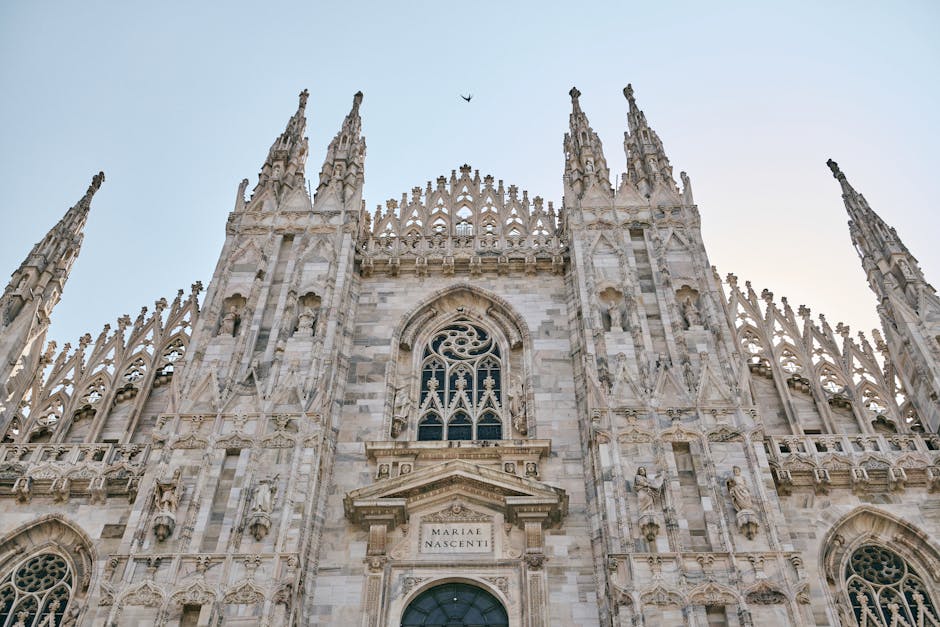






Introduction: Royal Threads Woven Through Milan’s Cityscape
Milan, the economic and cultural heart of Lombardy, is a city where political history and architectural grandeur meet around every corner. While people often think of Milan for fashion, finance, or the Gothic drama of the Duomo, the city also hides a rich legacy tied to various forms of royalty and authority that helped shape Italy: Lombard lords and the Sforza dukes, Napoleonic rulers, the Austrian administration, and the kings of the 19th-century Kingdom of Italy. These historical powers left tangible traces — palaces, residences, theatres and fortresses — that tell, through stone, marble and interior decor, the evolving story of royal power and taste in Milan.
This guide will take you on an immersive route through several Milanese monuments closely connected to royalty or the exercise of sovereign power. We’ll describe the emblematic sites — like the Palazzo Reale di Milano, the Castello Sforzesco, Teatro alla Scala and the Villa Reale di Monza — and give practical, up-to-date information: exact addresses, typical prices in euros, opening hours, tips to dodge the crowds and local tricks to experience these places like someone in the know. The aim is to offer both a factual and sensory read: you should be able to picture a parade echoing across a square, the rustle of silks in a state chamber, or the view a sovereign might have enjoyed from their apartments.
Each monument will be placed in its historical context: what makes it « royal » — a sovereign’s residence, a seat of power, a ceremonial stage? We’ll also look at how these sites have evolved — converted into museums, opened to the public or repurposed for cultural uses — and offer practical advice for planning your Milan visit: when to buy tickets, which guided tours to prioritize, how to reach sites by public transport, and accessibility notes for people with reduced mobility. Finally, to spark your visual imagination, the article includes precise image markers so you can easily track down representative photos on image banks like Unsplash or Pexels if you wish.

Palazzo Reale di Milano: Ceremonial Seat and State Museum
The Palazzo Reale di Milano (Royal Palace of Milan) is one of the most symbolic places to understand public representations of power in Milan. Address: Piazza del Duomo, 12, 20122 Milano. Located right next to the Duomo, the palace has hosted official receptions, ceremonies and exhibitions commissioned by successive rulers. Today it functions as a cultural center and museum, hosting international temporary exhibitions while preserving historic rooms that recall its former prestige.
Opening hours: generally the Palazzo Reale is open Tuesday to Sunday from 9:30 AM to 7:30 PM; closed Mondays. Some evenings there may be late openings—check the exhibition calendar. Typical prices: permanent/temporary exhibition tickets vary by show — usually between €10 and €15 for major exhibitions; reduced rates for students and seniors, and occasional free entry on the first Sunday of the month (subject to change). It’s strongly recommended to buy tickets online to avoid lines, especially for high-demand temporary shows.
Immersive description: step through the doorway of the Palazzo Reale and you enter vast rooms with ornate ceilings and sumptuous wood paneling, where tapestries and frescoes narrate courtly stories. Some rooms let you imagine banquets and royal audiences: platforms for musicians, balconies for honored guests, and decorated corridors that once guided processions. Contemporary exhibitions are often set within these historical salons, creating a fascinating contrast between modern art and ceremonial decor.
Practical tips: arrive early to enjoy the rooms before Duomo-related crowds arrive; pair the palace visit with a climb to the Duomo terrace for a full cultural day. The palace is accessible by metro (line 1 or 3, Duomo station); leave large bags at the cloakroom if needed. If visiting with children, check for occasional educational workshops. Most spaces are accessible to visitors with reduced mobility, but inquire in advance about historic rooms with limited access.

Castello Sforzesco: Ducal Fortress and Princely Residence
The Castello Sforzesco is probably the most tangible example of local « royalty » in the form of a fortified residence. Address: Piazza Castello, 20121 Milano. Built and embellished by the Sforza family in the 15th century, it served as the ducal palace and center of Milanese political power, blending defensive functions with sumptuous apartments meant to host sovereigns and courtiers.
Opening hours: access to the outer courtyards and gardens is free and possible throughout the day (usually from 7:00 AM to 7:30 PM for outdoor areas). The Castello Sforzesco museums (Archaeology Museum, Picture Gallery, Armory, Museum of Ancient Art Objects) are generally open Tuesday to Sunday from 9:00 AM to 5:30 PM; closed Mondays; hours may vary seasonally. Prices: combined ticket for the museums roughly €5 (full price); temporary exhibitions or special tickets can cost between €5 and €12.
Immersive description: crossing the drawbridge at Castello Sforzesco, you feel both military strength and Renaissance civic grandeur. The high crenelated towers dominate Piazza Castello while inside you discover shaded courtyards and rooms with refined decoration. You can find remains of princely apartments, armory halls and collections of artworks — sculptures and paintings that once adorned the homes of the ruling elite.
Practical tips: Sempione Park, right behind the castle, is perfect for a stroll after your visit; the view from the Arco della Pace is particularly photogenic at sunset. Peak crowds are usually between 11 AM and 3 PM: for a quieter experience, aim for opening or late afternoon. Book museum tickets online; audio guides are available. Access: metro line 1 (Cadorna or Cairoli stations). Visitors with reduced mobility can reach most museums via ramps and elevators; check at the ticket office.
 Click here to book your Castello Sforzesco ticket with audio guide
Teatro alla Scala and the Art Gallery: A Royal Stage and Princely Patronage
Teatro alla Scala, located at Via Filodrammatici, 2, 20121 Milano, is one of the world’s most famous opera houses. Although a theatre rather than a palace, La Scala has a long history of connections to royalty and the aristocracy: private boxes, ornate lodges and opening-night galas gathered kings and crowned heads, making the theatre a stage where sovereign prestige was performed.
Hours and prices: the Museo Teatrale alla Scala (La Scala Theatre Museum) is usually open Tuesday to Sunday, from 9:00 AM to 5:30 PM (closed Monday); entrance fee typically €10–€12 for the museum. Guided tours and performance tickets vary widely: opera seats can range from €20 to several hundred euros depending on category. If you want to attend a performance, book well in advance, especially for headline productions.
Immersive description: stepping into La Scala’s auditorium is like entering a setting where every box tells a story of power and display. The gilded balconies and finely carved woodwork hosted the gaze of sovereigns and the cultural elite’s verdicts. The museum preserves costumes, autograph scores, posters and instruments, offering a panorama of the lyrical golden age when princes held court and financed productions.
Practical tips: if you can’t attend an opera, the guided theatre-and-museum tour is a must; check for public rehearsal schedules. The theatre is reachable by metro (Duomo or Montenapoleone stations depending on your route); arrive at least 30 minutes before curtain if you have numbered seats. At night, favor taxis or late public transport: metro hours end around midnight on weekdays (variable). Buy La Scala tickets through the official box office and avoid unofficial resellers.
Click here to book your ticket for the La Scala Theatre Museum

Villa Reale di Monza and Parco di Monza: Royal Residence and Hunting Grounds
A short train ride from Milan lies the Villa Reale di Monza, an important royal residence to understand princely life in the 19th and early 20th centuries. Address: Viale Brianza, 1, 20900 Monza (Parco di Monza). The villa was the residence of the Habsburg-Lorraine and later of the rulers of the Kingdom of Italy; it reveals the residential and recreational uses of power, combining official apartments and vast hunting grounds.
Opening hours: the Villa Reale and its museum spaces are generally open Wednesday to Sunday from 9:00 AM to 7:00 PM (hours may vary). Parco di Monza is accessible year-round, often from dawn until dusk. Prices: Villa Reale/museum entry around €10 full price; park access is free. Check temporary exhibitions which may have separate fees.
Immersive description: the Villa Reale surprises with its neoclassical elegance, bright salons and formal French-style gardens. The royal apartments display period furniture, porcelain and decorations suggesting court life away from the city’s bustle. The vast Parco di Monza, one of Europe’s largest enclosed parks, was used for hunting and royal promenades; today it offers shady avenues, water features and viewpoints for walkers.
Practical tips: for a half-day trip from Milan, take the regional train from Milano Centrale to Monza (journey ~10–15 minutes). Rent a bike locally to explore the park (many rental options near the villa). In summer, go early to avoid heat and use the park’s shady paths during midday; weekend parking near the villa can be limited — prefer train or bike. For history buffs, combine your visit with the Museo e Tesoro del Duomo in Monza if it’s open.

Conclusion: A Royal Route Through Milan and Beyond
Milan reveals itself, to those who take time to look, as a city where traces of royalty and power are written in its stones and cultural institutions. From the Palazzo Reale — dedicated to official receptions and prestigious exhibitions — to the Castello Sforzesco, a fortress turned museum complex, via the sumptuous stage of Teatro alla Scala and the aristocratic calm of Villa Reale di Monza, each site offers a different facet of the relationship between power and representation.
Visiting these monuments is following a historical thread from Renaissance ducal courts to imperial salons and national ceremonies. The exact addresses, opening times and prices provided will help you plan efficiently: buy tickets in advance, choose less busy time slots, and combine nearby sites to optimize travel. For photographers and visually curious visitors, the included image markers give concrete reference points for iconic views: facades at sunset, state-room interiors, and historic park avenues.
Final tips: start early, wear comfortable shoes, and allow half a day for major sites (Palazzo Reale and Castello Sforzesco each deserve several hours if you want to see exhibitions in detail). Favor guided tours for historic apartments to benefit from context and anecdotes often missing from information panels. And don’t forget nearby Monza for a royal escape outside the city: the Villa Reale and its park offer a quieter, greener side of historical prestige.
In short, Milan and its surroundings make up a rich and varied royal circuit where political history blends with the history of art and social display. Whether you’re an architecture buff, an opera lover, or simply curious about how royalty shaped the urban landscape, these monuments offer a walk that’s both educational and sensorial — worthy of some of the most memorable chapters of Italian history.