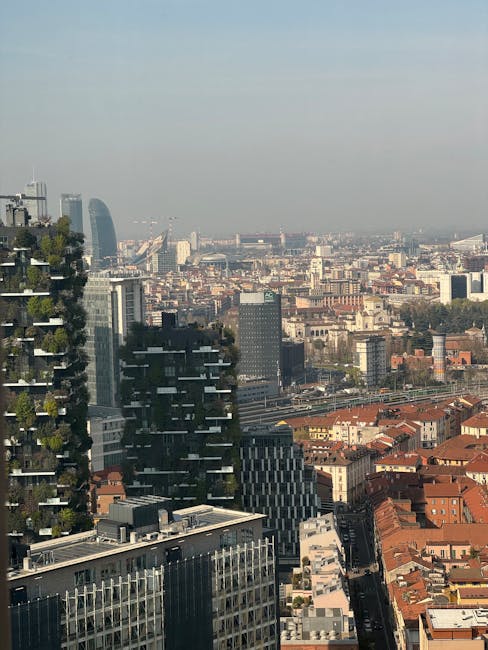






Introduction: Milan, where art meets stone
Milan isn’t just Italy’s capital of fashion and business; it’s a city where every stone tells a story and where historic monuments double as stages for artistic expression. Squares, palaces, churches and even repurposed industrial districts constantly converse with paintings, sculptures, contemporary installations and architecture. Understanding the links between art and Milanese monuments means seeing how a Gothic building, a Renaissance fortress or a Dominican church has become a canvas, an inspiration and a museum for works that have crossed the centuries.
The Duomo di Milano, for instance, isn’t merely a cathedral: it’s a stone book shaped by generations of artists and craftsmen. Its carved details, stained glass and spire-lined silhouette interact with artistic commissions and modern restorations. Likewise, the Castello Sforzesco — a fortress turned museum complex — now brings together applied arts, paintings and archaeological collections in one place where military history blends with artistic legacy. Major works — paintings, sculptures and contemporary urban projects — continually reinterpret these historic architectures.
Perhaps the most famous encounter is Leonardo da Vinci’s relationship with the Dominican chapel at Santa Maria delle Grazie: The Last Supper (Il Cenacolo Vinciano) is the paradigmatic example of monument–art interaction, where a mural fundamentally transformed a liturgical space. But Milan is far from static: venues like Fondazione Prada and MUDEC (Museum of Cultures) show how industrial and contemporary buildings now host international contemporary art. In neighborhoods such as Brera and Navigli, ateliers, galleries and public installations revitalize monuments and streets, creating an urban fabric where heritage and creativity coexist.
In this article we’ll explore several of Milan’s major hubs — the Duomo and the Galleria, the Castello Sforzesco, Santa Maria delle Grazie, the Pinacoteca di Brera, and contemporary sites like Fondazione Prada and MUDEC — focusing on exact addresses, opening hours, ticket info, immersive descriptions and practical tips. My goal is to give you not just a tourist guide but a cultural reading: how art embeds itself into Milan’s stone, reshapes it and is in turn shaped by the monument. Get ready to look at Milan in a new way — to read its façades, listen to its squares and understand why each visit can become a full artistic experience.
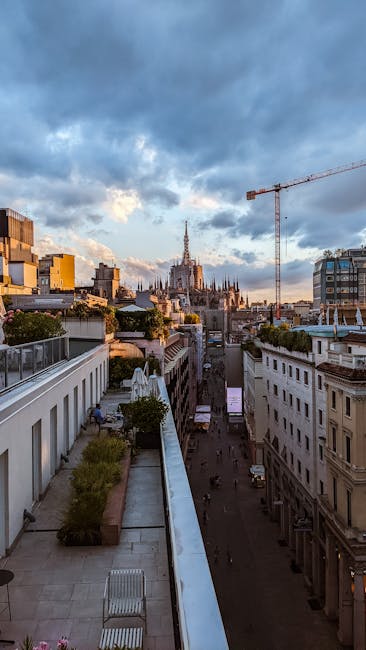
Duomo di Milano and Galleria Vittorio Emanuele II: Gothic spires, mosaics and city views
The Duomo di Milano is the symbolic heart of the city. Address: Piazza del Duomo, 20122 Milano. Begun in the 14th century and completed over many generations, the cathedral is a total work of art: marble façade, dozens of statues, pinnacles and a forest of spires reaching for the sky. Visiting the Duomo takes you from the nave floor up to the rooftop terraces, which offer panoramic views over Milan and, on clear days, the Alps. You can reach the terraces on foot or by elevator depending on the ticket you choose.
Opening hours (subject to change): Cathedral 08:00–19:00 (last entry varies), Terraces 09:00–19:00 (extended summer hours). Indicative prices (2024): cathedral access is free for worship; tourist visit cathedral + roof (stairs) ≈ €15; roof with elevator ≈ €20–€25; museo + elevator combo ≈ €25–€30. Tip: the combined « Duomo Pass » includes the Museo del Duomo and the rooftop — book online to avoid long lines.
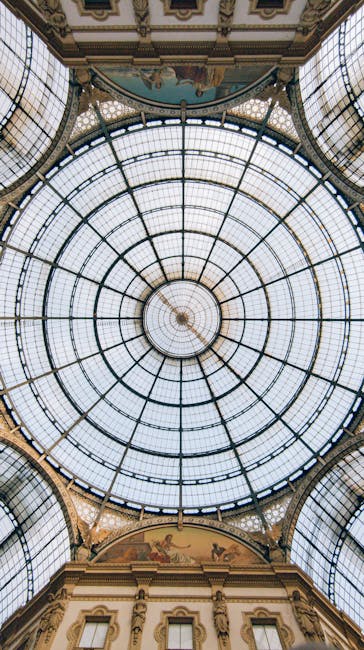
Just a short walk away, the Galleria Vittorio Emanuele II (Piazza del Duomo, 20123 Milano) is a masterpiece of commercial architecture: an iron-and-glass arcade, intricate floor mosaics and historic cafés. The gallery itself is a monument and a permanent setting for commerce and image. Inside, take time to admire the decorative details — motifs, the mosaics representing the continents — and see how luxury and visual culture have been intertwined since the 19th century.
Practical tips: visit early in the morning to avoid crowds on the Duomo terraces; allow 1.5–2 hours for Duomo + museum if you plan to climb the roof. In the Galleria, look out for historic windows and cafés (Caffè Biffi, il Marchese). Photography: the rooftop gives exceptional framing opportunities of the cathedral and the city panorama. Accessibility: Duomo access is partially adapted for visitors with reduced mobility; the elevator to the terraces helps (check official site for details).
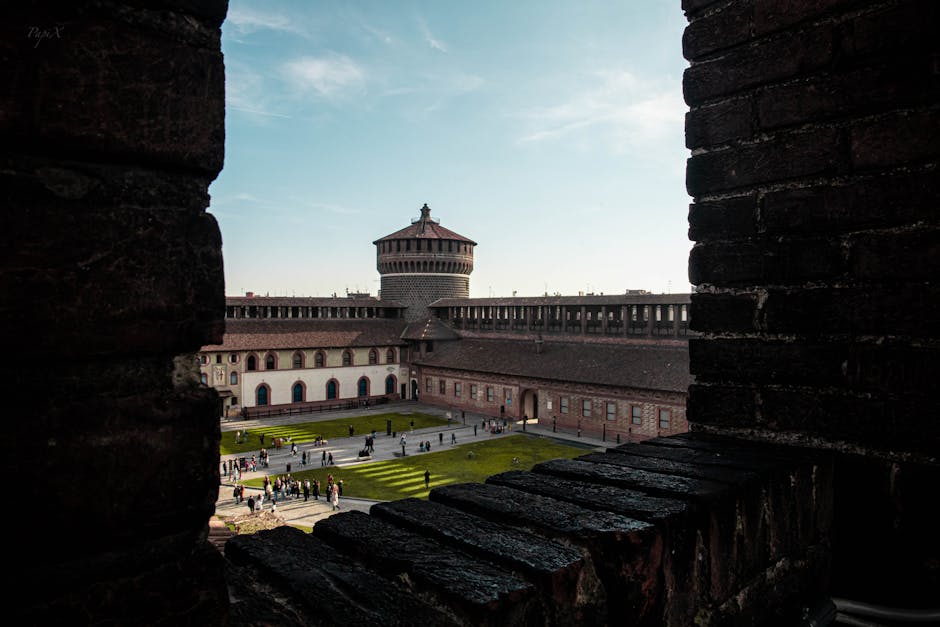
Castello Sforzesco: fortress, museums and forgotten frescoes
Castello Sforzesco, address: Piazza Castello, 20121 Milano, is a fortress reshaped during the Renaissance by the Sforza family. Today it houses several municipal museums: the Museo d’Arte Antica, the Pinacoteca del Castello Sforzesco, the Museo degli Strumenti Musicali and applied arts collections. The rooms, corridors and courtyards form a museum itinerary where the original military spaces provide a backdrop for exhibited works. Entry to the castle grounds is often free, while access to the museums is ticketed.
Opening hours and indicative prices (2024): Museo and Pinacoteca at the Castle 09:00–17:30 (some spaces closed on Mondays); standard fee ≈ €5–€10 depending on the exhibition. The adjacent Parco Sempione (Parco Sempione, 20154 Milano) offers a leafy extension: the castle’s silhouette is reflected in the park’s perspectives and in the Arco della Pace at the far end.
Immersive description: crossing the large drawbridge or passing through the Torre del Filarete, you sense the layers of history — moats, towers, loggias — now a backdrop for sculptures and on-display pieces. Inside, Leonardo’s Sala delle Asse (within the castle, regulated access) demonstrates how a monument can host major artistic interventions and restorations that highlight ancient techniques. The castle’s museums also preserve works commissioned for civic and religious contexts, showing the political role of art in Milan’s civic life.
Practical tips: buy museum tickets online for temporary exhibitions; combine the visit with a stroll through Parco Sempione (coffee and photo stop at the Arena Civica). If you’re into military history and architecture, allow 2–3 hours to explore the collections. Be aware of reduced hours on Mondays for some municipal museums; check the Musei del Castello Sforzesco website before your visit.
Santa Maria delle Grazie and The Last Supper: a monument transformed by painting
Address: Piazza Santa Maria delle Grazie, 2, 20123 Milano. The basilica of Santa Maria delle Grazie is best known for housing Leonardo da Vinci’s The Last Supper (Il Cenacolo Vinciano), painted on the refectory wall of the Dominican convent. This work has profoundly changed how the monument is perceived: the chapel and refectory have become major artistic pilgrimage sites.
Opening hours and indicative price (2024): guided, timed entry is mandatory; slots every ~15 minutes; visiting hours vary, generally 08:15–19:00 depending on season. Prices ≈ €15–€20 for entry to the Cenacolo Vinciano (may include booking fee ≈ €4). Important: tickets are limited and sell out quickly — book weeks in advance, especially in high season. Visits come with strict rules: photography is almost always forbidden inside, and time in front of the fresco is limited (about 15 minutes) to protect the work.
Immersion: stepping into the refectory where Leonardo painted The Last Supper is a constrained but powerful experience. The fragile fresco demands a quick, concentrated read: composition, perspective, expressive faces. What was once a simple convent dining hall has been reclassified by this painting into a world-class heritage site, prompting intensive conservation, successive restorations and technical studies (infrared imaging, pigment restoration) — all artistic and scientific interventions on the monument itself.
Practical tips: bring ID (checks at the entrance), arrive 15 minutes before your slot for security checks, avoid large bags (storage available nearby). If you can’t get a Cenacolo ticket, visit the church and wander the neighborhood to admire the convent’s architecture. Photographers and conservation buffs should check exhibitions at the Museo Nazionale della Scienza e della Tecnologia Leonardo da Vinci (via San Vittore 21, 20123 Milano), which hosts reproductions and research on Leonardo.
Brera, the Pinacoteca and the art districts: from monastic setting to studio life
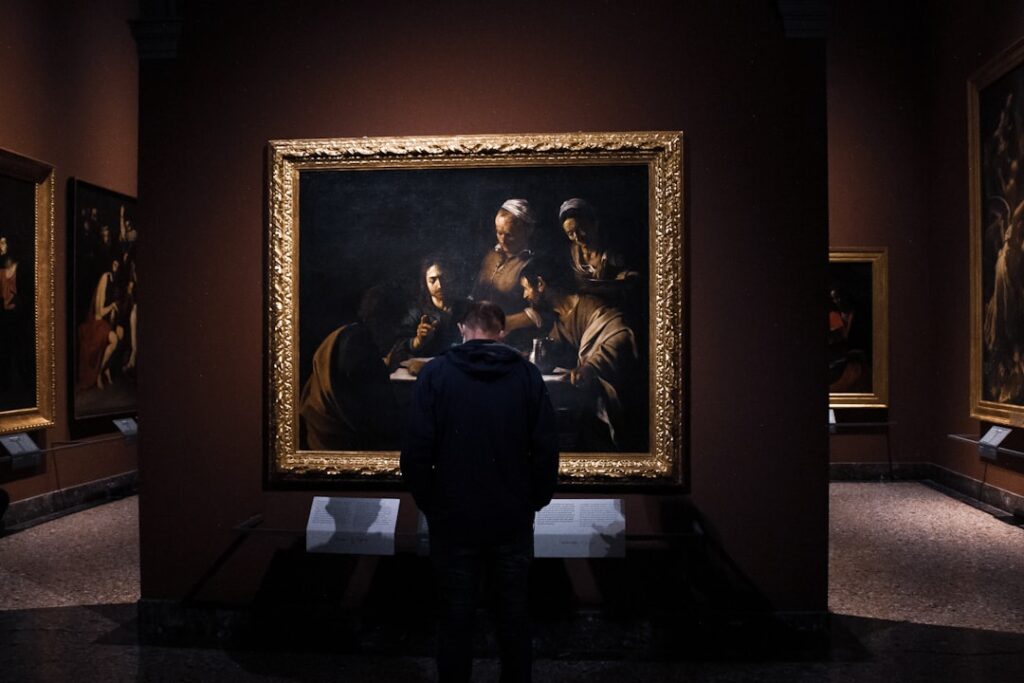
The Pinacoteca di Brera sits in the Palazzo di Brera, address: Via Brera, 28, 20121 Milano. It’s one of Italy’s most important collections, with masterpieces by Raphael, Piero della Francesca, Caravaggio and Hayez. The site is emblematic of how a historic building (an old monastic and academic complex) becomes a permanent exhibition space that paints the cultural history of a city.
Opening hours and prices (2024): open 08:30–19:15 (closed Mondays; times may vary); standard ticket ≈ €12–€15, reduced ≈ €8–€10. Plan at least 1.5–2 hours if you want to take in key works like Raphael’s « Sposalizio della Vergine » or Francesco Hayez’s « The Kiss. »
The Brera neighborhood itself (streets: Via Brera, Via Fiori Chiari, Via Madonnina) is a tiny artistic ecosystem: independent galleries, artist studios, art bookshops and historic cafés. It’s an ideal place to understand the social side of art in Milan: openings, weekend antique markets (via Fiori Chiari), and the nearby Accademia di Belle Arti which injects a constant creative energy.
Immersion: wandering the cobbled streets you move from a 15th-century painting to a contemporary installation in a courtyard. The Pinacoteca occupies a high-ceilinged space where old frames converse with natural light filtered through studio windows. Labels and multimedia aids help contextualize each work, but take time to notice the small details: visible restorations, canvas textures and the curatorial alignments that highlight color contrasts.
Practical tips: pair the Pinacoteca visit with coffee at Pasticceria Marchesi (Via Santa Maria alla Porta 11/a, historic shop) or a stroll to the Orto Botanico di Brera (Via Brera, 28), accessible through the palace. Many galleries host free vernissages in the evening — check the Tourist Office or local notice boards. Art students can often consult the Accademia archives by appointment.
Fondazione Prada, MUDEC and Navigli: contemporary architecture and monument reinvention
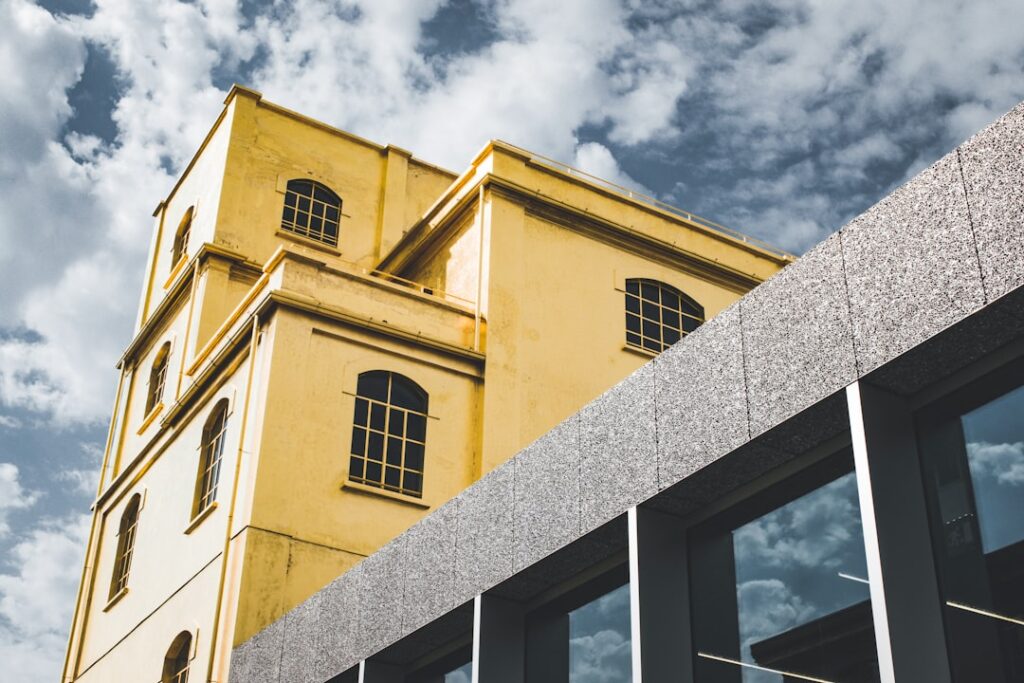
Milan doesn’t only look to the past: Fondazione Prada and MUDEC are live examples of reusing architecture for contemporary art. Fondazione Prada, address: Largo Isarco, 2, 20139 Milano, is a cultural campus that combines rehabilitated historic buildings and contemporary towers (notably the yellow « Torre » by Prada). Hours and prices (2024): generally 11:00–20:00, closed some Mondays; standard ticket ≈ €15–€20 depending on the show. Fondazione Prada hosts large temporary exhibitions, immersive installations and a permanent collection where the architecture itself acts as artwork.
MUDEC – Museo delle Culture, address: Via Tortona, 56, 20144 Milano, is dedicated to world cultures and multimedia projects, often housed in a transformed industrial building. Hours and prices (2024): open 10:00–19:30 (some areas closed on Mondays); ticket ≈ €10–€12. MUDEC presents highly visual exhibitions, ethnographic objects displayed as artistic installations, and educational programs that bring anthropology closer to contemporary creativity.
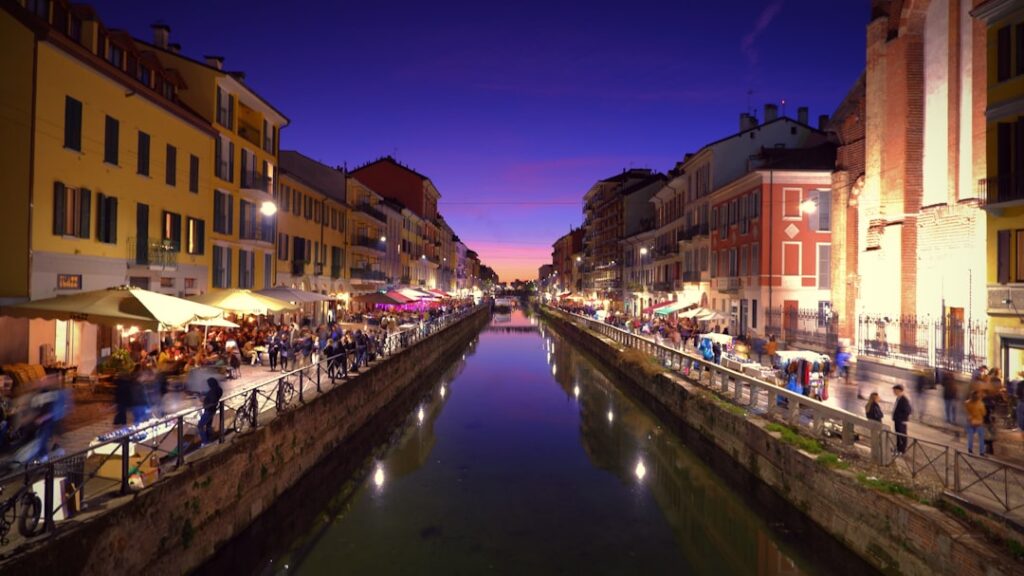
Navigli, the canal network (mainly Naviglio Grande and Naviglio Pavese), is an urban corridor where art, craft and nightlife meet. Walk along Ripa di Porta Ticinese and Corso di Porta Ticinese: you’ll find galleries, artisan markets and public art projects. At night, the bridge lights and reflections create photogenic compositions that feel like modern Impressionist paintings. Old warehouses in the Tortona area have been turned into studios and showrooms (the Salone del Mobile and Fuorisalone reshape the neighborhood every year).
Practical tips: buy Fondazione Prada and MUDEC tickets in advance, check temporary exhibitions and closure times for installation changes. For Navigli, visit early morning for crowd-free photos or in the evening for bars and restaurants. The monthly design and craft markets (N’argini and seasonal events) are a great chance to meet local artists. Getting there: Fondazione Prada is served by Lodi TIBB (M3 yellow) metro; MUDEC is reachable by tram and bus (stops around Tortona). Wear comfortable shoes — expect a lot of walking between neighborhoods with very different vibes.
General practical tips for linking art and monuments in Milan
- Reservations: for Il Cenacolo Vinciano, the Duomo rooftop (especially in high season), and some temporary exhibitions, online booking is essential.
- Culture passes: look into the Milano Card, city passes and combined tickets (Duomo/Pinacoteca/Castello) to save money.
- Opening hours: many museums close on Mondays; plan your route accordingly.
- Getting around: the metro (M1, M2, M3), trams and buses serve most sites; buy ATM tickets via the MyATM app or ticket machines and keep them validated.
- Photography: often prohibited in sensitive spaces (Cenacolo); respect each site’s rules.
- Accessibility: check accessibility for people with reduced mobility, especially for the Duomo terraces and some historic palaces.
- Visit time: allow at least 2–3 hours for major museums and 1–2 hours for neighborhoods like Brera or Navigli.
Conclusion: read Milan like an open-air gallery
Milan offers a unique experience where monuments and works of art feed off each other. A monument isn’t just an object of the past: it becomes a support, a context and sometimes even material for art. Looking at the Duomo you read a sculpted history; at the Castello Sforzesco you see how a fortress can house and display artistic treasures; at Santa Maria delle Grazie a single fresco turned a refectory into a world-famous work. Contemporary museums and foundations like Fondazione Prada and MUDEC also show that the city can reinvent itself: old factories and warehouses become settings for bold visual and plastic experimentation.
For the visitor, the key is combination: match monument visits with attentive readings of the works on display. Book ahead, arrive early, link neighborhoods and listen to guides — all of which will deepen the experience. The addresses, hours and prices given here are meant to help you actively read the city: Piazza del Duomo, 20122 Milano; Piazza Castello, 20121 Milano; Piazza Santa Maria delle Grazie, 2, 20123 Milano; Via Brera, 28, 20121 Milano; Largo Isarco, 2, 20139 Milano; Via Tortona, 56, 20144 Milano. Each of these sites follows its own logic of conservation, display and cultural programming.
Finally, treating Milan as an open-air gallery invites a slow, curious approach to travel: pause to read a plaque, observe a restoration, step into a small gallery or chat with a local guide. The connections between art and Milanese monuments aren’t merely historical — they’re alive, renewed through temporary exhibitions, urban interventions and cultural events. In that sense, Milan remains a city in motion, where history and contemporary creation meet and answer one another on every corner.