






Introduction
Milan is often seen as Italy’s capital of fashion and design, but for lovers of modern architecture the city is a fantastic playground. From bold skyscrapers and eco-friendly residences to museums reimagined by contemporary architects and reinvented public squares, Milan tells an urban story where heritage and innovation coexist in a productive tension. This guide offers an immersive route focused on the key monuments and sites that help explain how the city has transformed from the second half of the 20th century to today.
Throughout these pages you’ll find not only architectural descriptions — materials, formal intentions, visual sightlines — but also essential practical information: exact addresses, admission fees, opening hours and local tips for photographing, visiting outside peak times, or combining a stop with a bite to eat. Each monument is described as a sensory experience: the feel of facades under your hand, the play of shadow and light at different hours, visual relationships with the surrounding environment and public transport lines.
The aim is twofold: to give travelers a concrete roadmap for planning thorough visits (sometimes adjusted for weather), and to encourage readers to look at the city like an observer — asking questions about urban planning choices, technical innovations (fiber-reinforced concrete, green facades, metal structures) and the human impact of major interventions. The selected monuments cover a variety of typologies: iconic office towers, new libraries, experimental housing, rehabilitated cultural centers and reimagined business districts. Together they show how Milan today favors architecture that engages with sustainability, mobility and collective life.
Recommended photos referenced throughout this guide will help you visualize each site and prepare your framing: sunrise shots for glass facades, aerial views to grasp an entire block, close-ups on planted details or concrete textures. Finally, you’ll also find practical tips on the best times to avoid crowds, the public transport routes to favor and a few cafes and restaurants nearby to extend your visit.
Grab your notebook and camera, and let yourself be guided through eight monuments (and sites) that embody Milanese modernity. Whether you’re an aspiring architect, an architecture photographer or simply a curious traveler, this guide is designed to sharpen your eye and enrich your discoveries.
Fondazione Prada — A cluster of contemporary architectural pieces
Full name: Fondazione Prada
Address: Largo Isarco 2, 20139 Milano, Italy
Price: Temporary exhibitions €15 (standard), reduced €10 for students (with ID), free entry for children under 10. Some special installations may have variable fees (€5–10).
Opening hours: Tuesday to Sunday 11:00–19:30, late opening Thursday until 22:30, closed Monday. Hours may vary for temporary shows and special events.
Fondazione Prada is one of Milan’s most significant cultural projects for anyone interested in adaptive reuse and the dialogue between old and new. Founded in 1993 and reimagined on its current campus inaugurated in 2015, the foundation occupies a former industrial site transformed into a labyrinthine complex where new volumes and recomposed ruins mingle. Dutch architect Rem Koolhaas (OMA) orchestrated an intervention where white towers, black pavilions clad in composite materials and reshaped brick volumes coexist to create a museum walk that surprises around every corner.
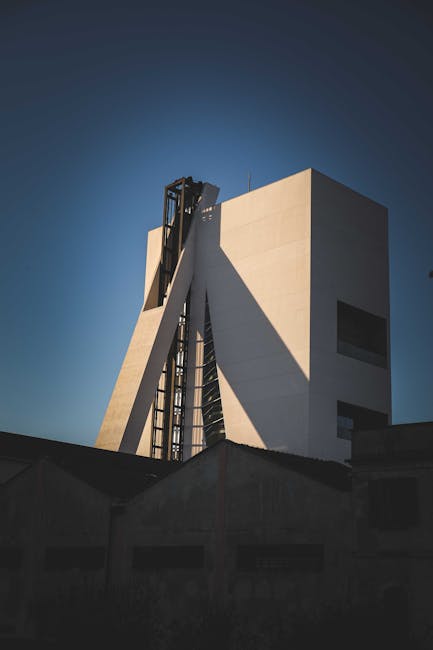
The visit is immersive: you move through courtyards, a yellow tower (the « Torre ») and the « Podium » where temporary shows take full advantage of the spaces’ plastic depth. Textures contrast — metal, raw concrete, original tiles — and shifting light emphasizes the site’s historical layering. The program focuses largely on contemporary art, cinema and design, making the venue a hybrid between museum, exhibition laboratory and debate space.
Practical tips: book tickets online to skip the line, arrive early to enjoy the spaces with fewer visitors, and climb the Torre terrace (if open during your visit) for an architectural view of the surrounding neighborhood. The cafe and bookstore at Fondazione Prada are worth a break — perfect for browsing art catalogs or architect monographs. Allow at least two hours for a relaxed visit; three hours if you want to see a major temporary exhibition.
 Click here to book your ticket for Fondazione Prada
Bosco Verticale — The building-as-vegetation experience
Full name: Bosco Verticale (Residential Towers « Bosco Verticale »)
Address: Via Gaetano de Castillia 39 / Via Federico Confalonieri 28 (Porta Nuova / Isola neighborhood), 20124 Milano, Italy
Price: Exterior and public promenades are free. Private interior visits possible by appointment through real estate agencies; prices vary (guided specialist tours usually €10–30).
Opening hours: Public spaces around the towers: 24/7. The towers are private residences — access restricted.
Designed by architect Stefano Boeri, the Bosco Verticale has in a few years become a symbol of Milan’s new green identity. Two residential towers — one around 110 meters and the other slightly smaller — host thousands of trees and shrubs on their balconies, creating a living facade that shifts with the seasons. The effect is both striking and emotive: from the street you sense the vegetal density, the color variations and the idea of a suspended micro-ecosystem in the heart of the city.

From a technical standpoint, the design includes reinforced structures, irrigation systems and a botanical selection chosen to withstand wind and climatic variations. The result is a building that filters pollution, provides shade and promotes urban biodiversity. Long vistas from Piazza Gae Aulenti or the Isola viewpoint are especially photogenic in the late afternoon, when the light grazes the vegetation and makes the green silhouettes pop.
Practical tips: for good photos, head to Piazza Gae Aulenti or the pedestrian bridge over Porta Garibaldi station at sunset. Note: entering the residences without permission is forbidden; respect the privacy of inhabitants. If you want a guided tour focused on the project’s botany and engineering, book with agencies that specialize in sustainable architecture.
UniCredit Tower and Piazza Gae Aulenti — The new financial hub
Full name: UniCredit Tower (Headquarters) and Piazza Gae Aulenti
Address: Piazza Gae Aulenti 10, 20154 Milano, Italy
Price: The piazza is freely accessible. Access to certain offices and the tower observatory (if open to the public during events) may be ticketed (prices vary, generally €5–15).
Opening hours: Piazza and public spaces: 24/7. Access to professional buildings follows business hours (roughly 08:00–19:00 on weekdays). Occasionally there are evening events.
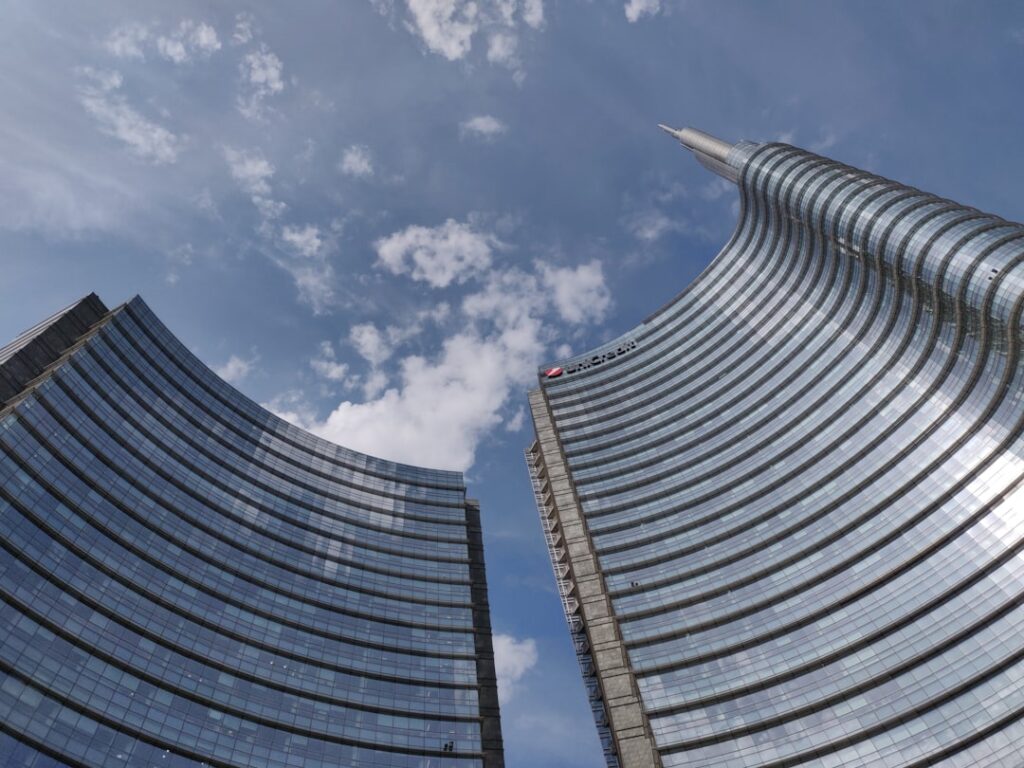
Designed by architect César Pelli, the UniCredit Tower is Milan’s tallest building (counting its spire) and serves as the focal point of the new Porta Nuova business district. Its slender forms, curved glass facade and illuminated spire dominate Piazza Gae Aulenti — a high, modernist square conceived as an urban living room. The design emphasizes transparency: the tower reflects sky and city fabric, while the square hosts sculptures, light pools and cafés.
The atmosphere is distinctly contemporary: pedestrian streets, bike lanes, designer street furniture and landscaped areas make the zone an urban planning laboratory. Neighboring skyscrapers (like Palazzo Lombardia) visually converse with the UniCredit Tower and help compose a new skyline, far from the traditional silhouettes of the historic center. Night lighting effects, particularly on the spire, lend a theatrical dimension to the square after dark.
Practical tips: the piazza is perfect for a terrace coffee — aim for sunny days. For architectural photos, mornings provide crisp reflections, while sunset bathes the facades in a warm golden glow. If you’re interested in corporate visits or design events, keep an eye on local event listings (trade shows, conferences, openings) — the area frequently hosts private events that may be open by registration.
CityLife — Three towers and a new urban block
Full name: CityLife Shopping District and Tre Torri (Allianz Tower, Generali Tower, Hadid Tower — « Il Dritto », « Lo Storto », « Il Curvo »)
Address: Piazza Tre Torri, CityLife, 20145 Milano, Italy
Price: Access to public spaces and the shopping center: free. Access to the neighborhood panoramic terrace (if open during events): variable fees (generally €5–10). Temporary museums and exhibitions are ticketed according to programming.
Opening hours: CityLife shopping center: 10:00–21:00 (hours vary by season). Public spaces: 24/7. Access to towers follows business hours.
CityLife is one of Milan’s largest 21st-century urban redevelopment projects. It combines residential and office volumes designed by world-renowned architects: Zaha Hadid, Arata Isozaki and Daniel Libeskind. The three towers — often nicknamed the straight, the twisted and the curved — present contrasting approaches to glass and steel; they frame a large public park where pedestrian space and soft mobility are prioritized.

A walk through CityLife reveals a contemporary vision of the city: wide avenues, themed gardens, public sculptures and temporary exhibition spaces. The shopping center, low-rise with a modern canopy, blends shops and dining, making it a practical stop between site visits. The mall’s interior architecture showcases high ceilings, elegant displays and bright volumes, while outside the design prioritizes the relationship between nature and built form.
Practical tips: plan your visit for late morning to enjoy weekend markets or activities. The park is ideal for perspective shots — use a wide-angle lens to capture the towers and park together. Architecture fans can join specialized guided tours (in Italian or English) explaining design choices and technological solutions — book in advance during high season.
Palazzo Lombardia and Piazza Città di Lombardia — a contemporary institutional symbol
Full name: Palazzo Lombardia (Regional Government Building)
Address: Piazza Città di Lombardia 1, 20124 Milano, Italy
Price: Access to public spaces and the piazza: free. Guided tours of Palazzo (public zones) are generally free but require reservation (limited group size).
Opening hours: Offices: 08:30–18:00 (weekdays). Access to the piazza and gardens: exterior open 24/7; guided tours available on weekdays by appointment.
Inaugurated in 2010, Palazzo Lombardia houses the Lombardy regional government and is a fine example of modern institutional architecture: a tower with clean lines flanked by articulated low volumes arranged around generous public spaces. The winning design creates a building open to the city, anchored by a large public piazza — Piazza Città di Lombardia — that serves as a space for exchange, events and occasionally a market.
The Palazzo’s facade mixes glass and metal panels, offering shifting reflections depending on light conditions. The view from the public terrace (when open) gives a clear outlook over Milan’s new skyline and, on clear days, the Alps. Interior public areas — reception hall, exhibition rooms and corridors — are designed as democratic welcoming spaces, often used for photo exhibits or civic events.
Practical tips: if you want a guided tour of the public areas, contact the building administration a few days in advance to reserve (requests from school groups or associations are prioritized). Summer evenings often feature free concerts and open-air screenings on the piazza — check Regione Lombardia’s cultural calendar. For architecture photographers, light cloud cover can enhance the metallic reflections on the facade.
Biblioteca degli Alberi Milano (BAM) — a modern park at the heart of the towers
Full name: Biblioteca degli Alberi Milano (BAM)
Address: Via Gaetano de Castillia 9, 20124 Milano, Italy (main access from Piazza Gae Aulenti / CityLife)
Price: Park access is free. Activities and events (workshops, readings) are often free or €3–10 depending on the event.
Opening hours: Park: 06:00–22:00 (hours vary by season). Activity house and rooms: variable hours (check the official site).
Biblioteca degli Alberi Milano — known as BAM — is a contemporary urban park located between Piazza Gae Aulenti and the CityLife district. Conceived as a « library of trees, » it brings together wide promenades, groves, lawns and a lively cultural program. BAM perfectly illustrates how Milan integrates green space into its modernization efforts: the park acts as a lung and social hub for residents and workers from the surrounding towers.

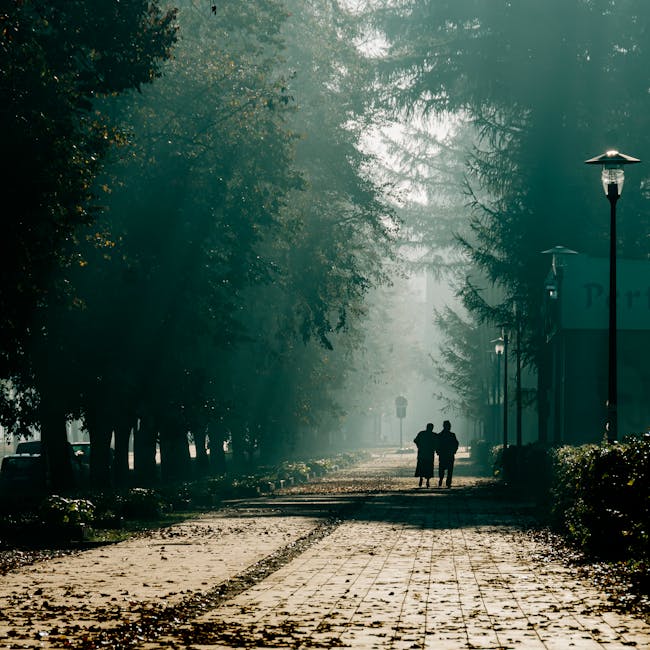
The landscape design offers varied scenographies: themed gardens, artificial streams, sculptures and shady spots perfect for an afternoon nap. Benches, walkways and dog-friendly zones make the park welcoming. Photographers come here to capture the contrast between low vegetation and the tall skyscraper silhouettes, especially early in the morning when mist can linger and create lyrical frames.
Practical tips: it’s the perfect place for a break before or after visiting the nearby towers. Bring a water bottle and a picnic; many students and young professionals use the park as an outdoor workspace. Check the event calendar because BAM frequently hosts children’s workshops, acoustic concerts and screenings.
Practical tips for visiting Milan’s modern monuments
Exploring Milan’s modern architecture takes a bit of planning to get the most out of each visit. Here are concrete recommendations drawn from local best practices and visitor experiences.
- Transport: Use the metro network (M2, M3) and trams to quickly reach modern neighborhoods. The Porta Nuova / Garibaldi area is served by Milano Garibaldi station and several tram and bus lines. CityLife is accessible via tram 12 and various urban bus routes.
- Tickets and reservations: For Fondazione Prada and major exhibitions, book online. Places for guided visits inside private buildings (Bosco Verticale, corporate towers) are limited.
- Best photo times: Early morning (07:00–09:00) and late afternoon (17:00–19:30) offer the best light. Avoid the middle of the day if you’re after dramatic shadows.
- Gear: A wide-angle lens (16–35mm) for urban perspectives, a modest telephoto for facade details, and a lightweight tripod for twilight shots. A polarizing filter helps manage reflections on glass.
- Respect and safety: Respect private areas and residents — especially around Bosco Verticale. Don’t climb barriers and follow safety instructions at institutional sites.
- Weather: Glass and metal facades look stunning under a clear sky, but light cloud cover can soften reflections and offer a different aesthetic; adapt your schedule accordingly.
- Combinations: Pair a morning at Fondazione Prada with an afternoon in Porta Nuova/CityLife for a strong contrast between museum-like approaches and contemporary urbanism.
Conclusion
Milan offers a rich itinerary for modern architecture fans: from the experimental site of Fondazione Prada, which questions industrial memory and museum scenography, to the suspended vegetal manifesto of Bosco Verticale, to the elegant verticality of UniCredit Tower and the dense polyphony of CityLife. These monuments are not isolated objects: they are part of an urban and cultural strategy aiming to redefine centrality, sustainability and conviviality in a traditional city. Each site testifies to a transformative act — technical, landscape-related, social — and invites visitors to read the city as a series of spatial experiences.
For curious travelers, it’s important to go beyond the single iconic shot. Take time to observe the joints between buildings, listen to the sounds of materials (the slap of wind on a glass facade, the rustle of leaves in a park), and note how uses appropriate these spaces throughout the day. The best memories often come from a coffee on a modern piazza, a bench in BAM in the sun or a planted balcony detail glimpsed from a footbridge.
Finally, Milan continues to evolve: numerous construction sites and urban projects are ongoing and worth following for returning travelers. Coming back to Milan gives you the chance to witness these changes live — new towers piercing the skyline, greening interventions, and conversions of old brownfields. If you’re passionate about modern architecture, make each visit a careful exploration, document your finds and consider joining specialized guided tours that reveal the intentions hiding behind the facades.
Happy architectural travels in Milan: may your footsteps take you from glittering towers to secret inner courtyards, and may your eyes discover the city as a great living laboratory of architecture.