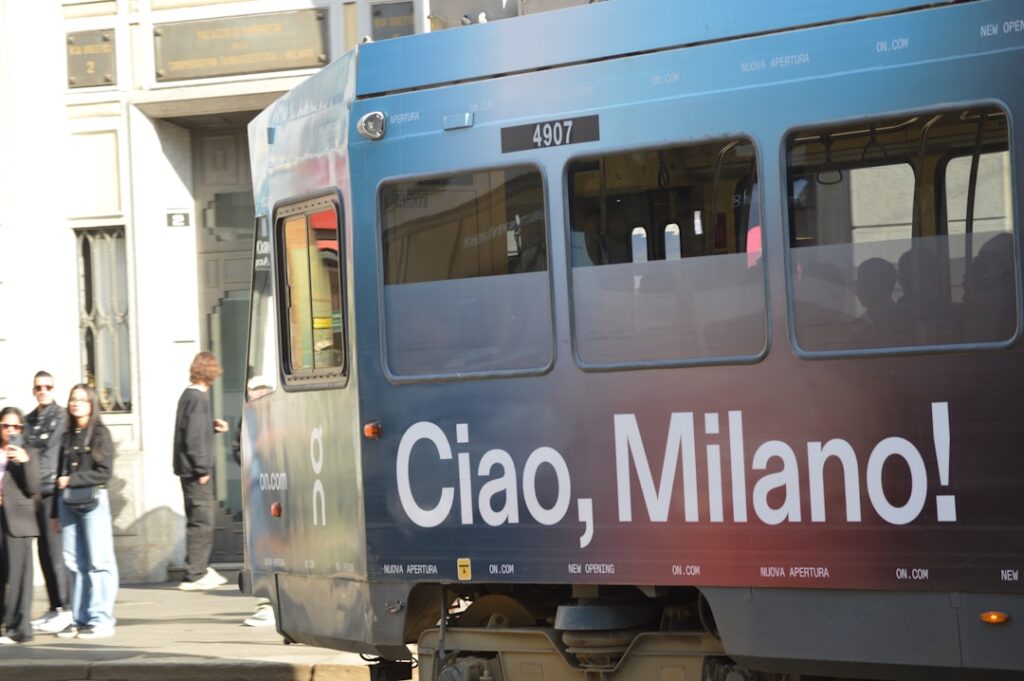






Introduction: Smart Travel in Milan — Let the Metro Lead the Way
Milan is a dense, multifaceted metropolis where modern skyscrapers sit alongside Renaissance palaces and bustling shopping lanes. For city travelers wanting to see as much as possible in minimal time, Milan’s metro (ATM Milano) is the perfect tool: fast, covering the main tourist hubs, and well connected with tram and bus lines. In this guide, you’ll find day plans designed to make the most of your mornings, afternoons and evenings using the metro as your backbone. Each route mixes iconic landmarks, museums, parks and local experiences (aperitivo, food, shopping) and provides exact addresses, typical opening times, prices in euros, practical tips and alternatives depending on your pace.
The Milan network has four main color-coded lines: M1 (red), M2 (green), M3 (yellow) and M5 (lilac). They serve the historic center, cultural neighborhoods and business districts. Tickets are straightforward: a Unico 90-minute ticket costs €2.00 and allows one transfer within 90 minutes; there are also 24h (€7.00), 48h (€12.00) and 72h (€17.00) passes. You can buy tickets at station machines, via the ATM Milano app or at tobacco shops. For very popular attractions like « Il Cenacolo » (Leonardo’s Last Supper), booking online in advance is essential and sometimes needed weeks ahead depending on the season. Later in the article we detail several themed routes — classic, artistic, romantic canal-side, heritage and contemporary Milan — with precise addresses, common opening hours and indicative prices. We also include local tips to skip queues, capture the best light for photos and adapt routes for visitors with reduced mobility or families.
Before you head out, a few general tips: top up your bank card or locate a currency exchange if you’re coming from outside the eurozone; download offline metro maps (Google Maps or the ATM app); avoid rush hours (7:30–9:30 and 17:00–19:00) if you want a more comfortable journey; and pick comfortable walking shoes since many routes combine metro rides with long strolls in pedestrian zones. Finally, follow local rules: avoid eating on trains, always validate your ticket and watch out for pickpockets, especially around stations and busy tourist stops like Duomo or Cadorna.
Classic Route: Duomo, Galleria Vittorio Emanuele II and Teatro alla Scala
This route covers Milan’s historic core, reached via the red M1 and yellow M3 lines to Duomo station. It’s the perfect starting point for a first day, bringing the cathedral, the historic shopping arcade and the famed opera house all within walking distance.
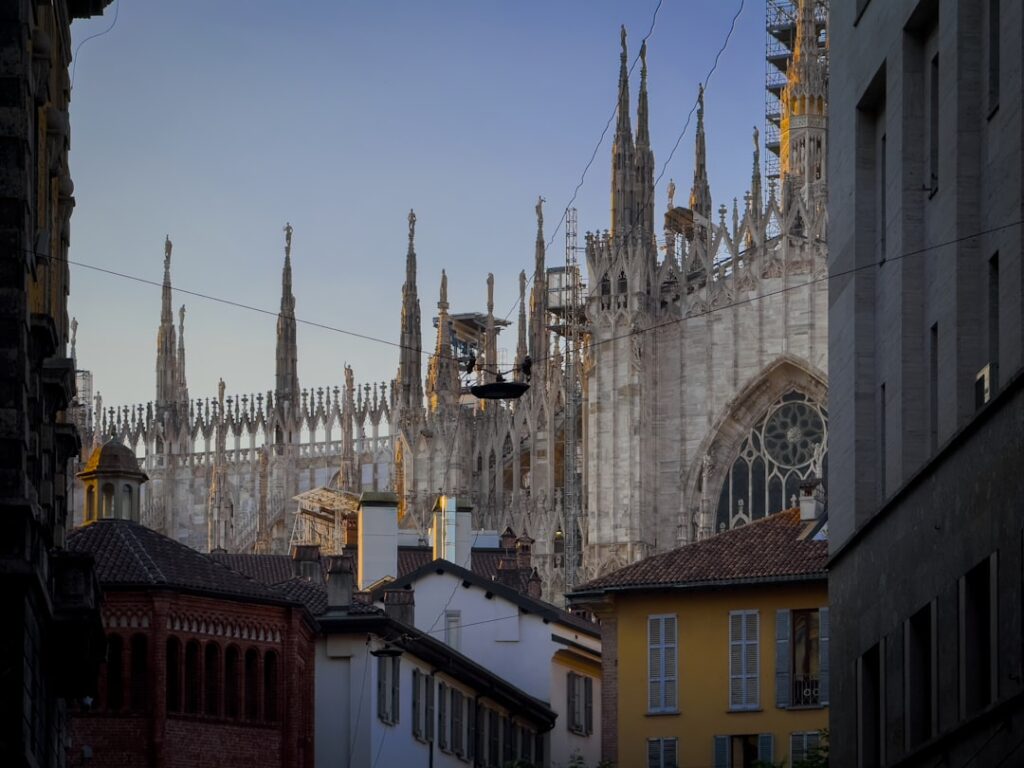
Start at Piazza del Duomo and the Cathedral of Santa Maria Nascente (Duomo di Milano). Address: Piazza del Duomo, 20122 Milano MI. Opening times (indicative): cathedral 8:00–19:00; Duomo terraces 9:00–19:00 (last access varies by season). Prices: cathedral nave free (but expect queues); terraces on foot €10.00 / elevator €17.00 (reduced rates for youth, students and seniors). The climb offers panoramic views over Piazza del Duomo and, on clear days, the Alps. Aim for early morning for soft light and fewer crowds. Tickets can be validated on site or booked in advance via the Duomo’s official website.
 Click here to book tickets for the Cathedral and Duomo terraces
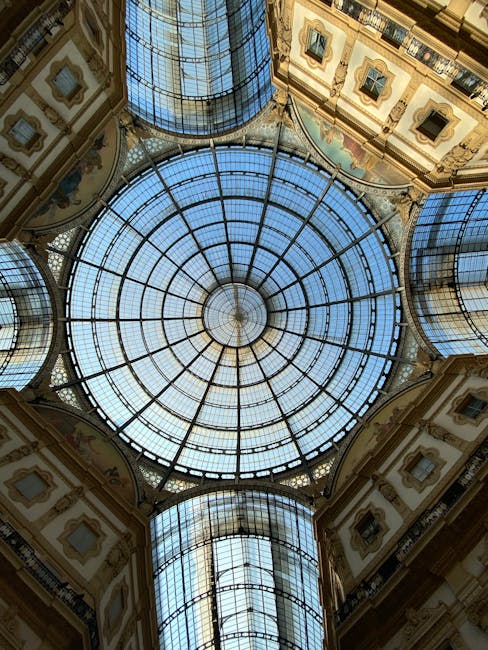
Just steps away is the Galleria Vittorio Emanuele II. Address: Piazza del Duomo, 20123 Milano MI. Shop hours: 10:00–20:00 (varies by store); cafes and restaurants open earlier. This 19th-century covered gallery is an iron-and-glass architectural masterpiece, dotted with luxury shops — Prada, Louis Vuitton — and historic cafes like Caffè Camparino. It’s ideal for a coffee stop or a quick lunch. Photo tip: the angle toward the central dome looks amazing in late afternoon light.
Click here to book a ticket for the Galleria Skywalk
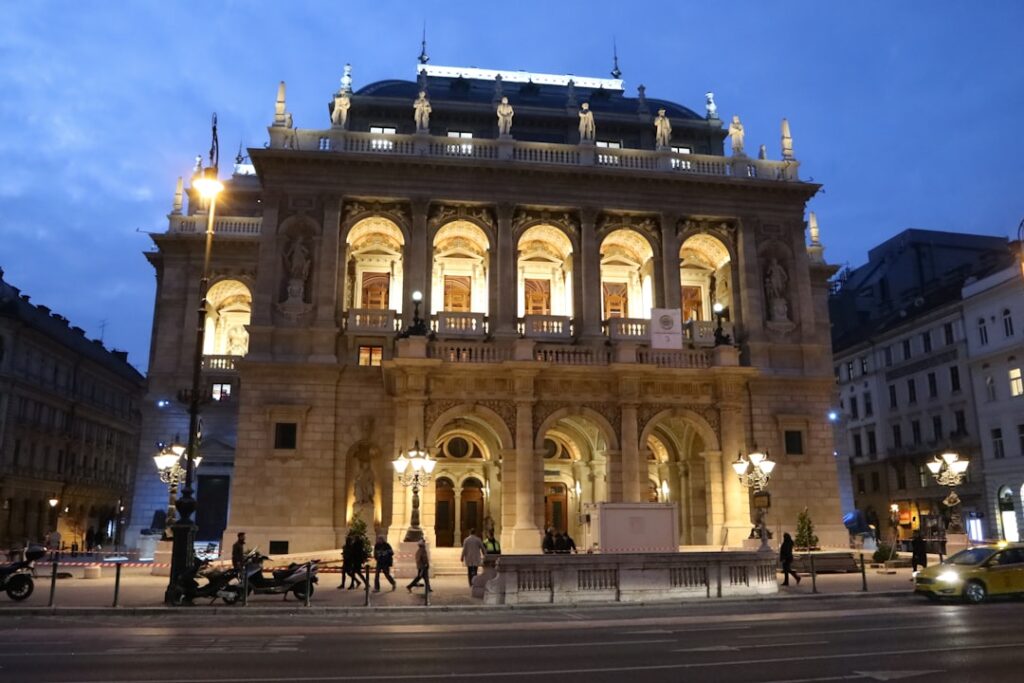
Next stop, Teatro alla Scala. Address: Via Filodrammatici, 2, 20121 Milano MI. Box office hours: typically 10:00–18:00 (closed some days; hours vary during performance seasons). Prices: museum and theatre tours €12.00–20.00 depending on the formula; performance tickets vary widely (€15.00 to over €200.00 depending on seat and production). The guided tour showcases costumes, scores and the history of this illustrious opera house. Tip: check La Scala’s schedule and book early if you want to attend a performance. Between the Galleria and La Scala, pause to admire the floor mosaics and neoclassical façades, and if time permits, head to the Pinacoteca Ambrosiana (Piazza Pio XI, 2) for more artistic treasures.
Click here to discover the Pinacoteca Ambrosiana and Vinci’s Codex
Click here to buy your ticket for La Scala Museum
Castello Sforzesco and Parco Sempione: History, Museums and Green Relaxation
Head to Milan’s medieval and Renaissance heritage with a route that combines a fortified castle, rich museums and a large urban park perfect for a nature break. The most convenient stations are Cairoli (M1) or Cadorna FN (M1/M2) for those coming from the train station.
Castello Sforzesco. Address: Piazza Castello, 20121 Milano MI. Opening times (museums): generally 9:00–17:30 (varies by room; closed some Mondays). Prices: civic museum entry €5.00–7.00 (varies with temporary exhibits); the castle courtyard is freely accessible. Built in the 15th century by the Sforza family, the Castello Sforzesco houses several collections: Museum of Ancient Art, Museum of Musical Instruments, and the Sala delle Asse with frescoes by Leonardo da Vinci. Allow 1.5 to 3 hours for a relaxed visit. Tip: buy tickets online or consider a Milan Pass if you plan to visit several museums to save time and money.
Click here to buy a ticket for Sforza Castle with audio guide
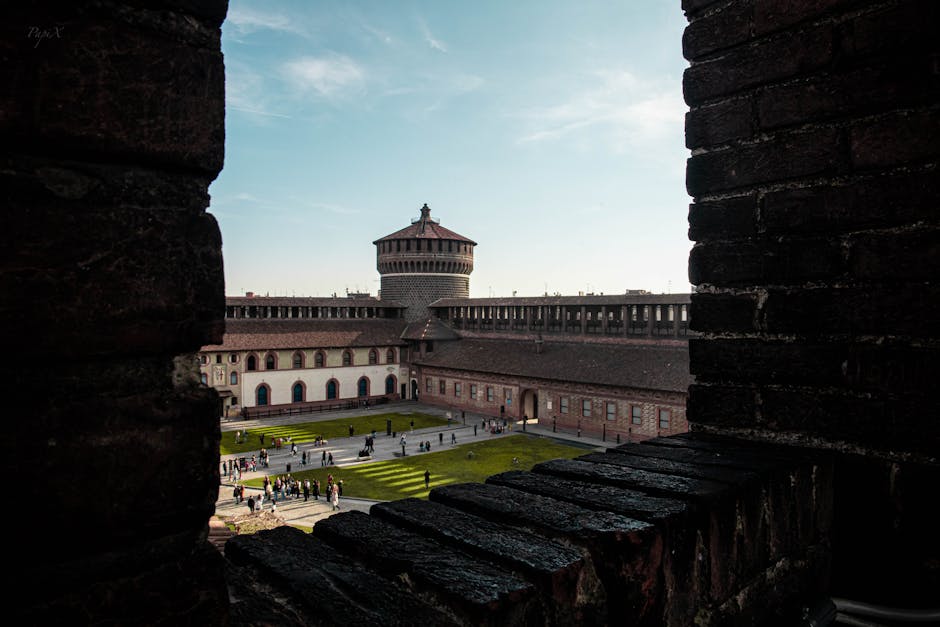
Right behind the castle is Parco Sempione. Address: Piazzale Principessa Clotilde, 20121 Milano MI (main entrance via Arco della Pace). Opening hours: park areas accessible 24h (lighting varies at night). It’s one of Milan’s green lungs, ideal for a walk, picnic or coffee by the small lake. Don’t miss the Arco della Pace (Piazza Sempione), a neoclassical monument at the park’s edge. The atmosphere is very local: joggers, families and kids on the lawns in the late afternoon. For an iconic shot, climb the steps around the castle at sunset.
Nearby museums and visits: the Triennale di Milano (Viale Emilio Alemagna, 6) focuses on design and contemporary exhibitions; typical hours 10:30–20:30, tickets €10.00–15.00. Close by, the Museo Nazionale della Scienza e della Tecnologia Leonardo da Vinci (Via San Vittore, 21) is a must for families; opening 9:30–17:00, price around €10.00. For dining, try the trattorie around Via Durini or Corso Magenta for traditional Milanese dishes (risotto alla milanese, ossobuco); main courses typically €12.00–25.00.
Click here to buy a ticket for the Triennale Milano
Click here to buy your ticket for the Leonardo da Vinci Museum
Brera, the Pinacoteca and an Evening on the Navigli: Art, Alleyways and Aperitivo
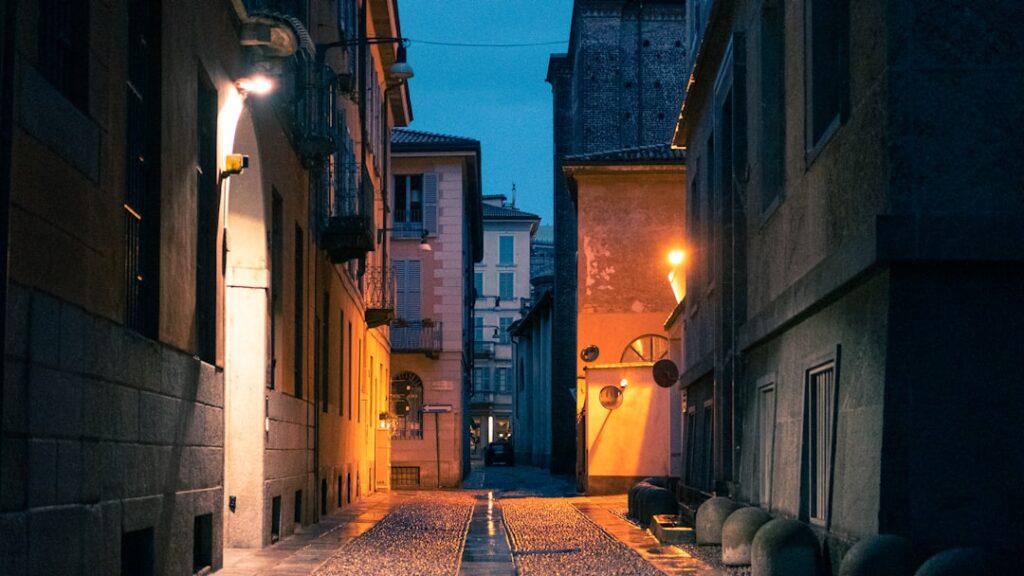
The Brera district is one of Milan’s most charming areas: cobbled streets, antique shops and intimate cafés. Pair a visit to the Pinacoteca di Brera with an evening trip to the Navigli canals for aperitivo — a quintessential Milanese experience. Moscova (M2) or Lanza (M2) stations are convenient access points.
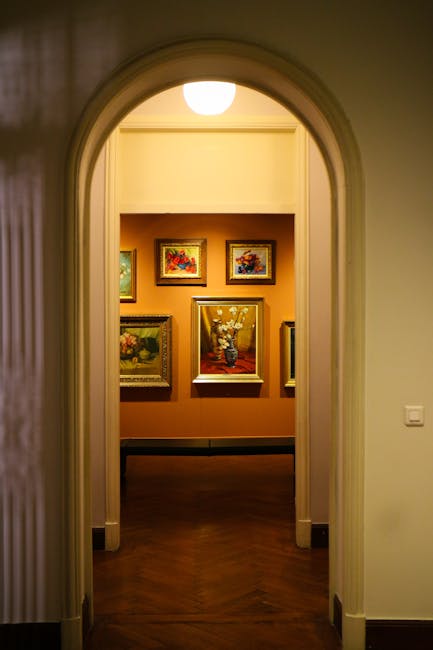
Pinacoteca di Brera. Address: Via Brera, 28, 20121 Milano MI. Opening times: generally 8:30–19:15 (closed Mondays; check public holidays). Price: standard entry around €15.00; reduced €10.00 (youth/students); audio guide extra. The gallery holds masterpieces by Raphael, Caravaggio, Piero della Francesca and Canaletto. Plan 1.5–2 hours for a full visit, and don’t miss the quiet inner courtyard — a surprising oasis in the heart of the district.
Click here to buy your ticket for the Pinacoteca di Brera
After the gallery, wander Brera’s lanes: Via Fiori Chiari, Via Madonnina and the small Piazza del Carmine host artisan shops and cozy cafes. For lunch, pick a bistro offering the daily primo (pasta of the day) or a fresh salad; average budget €12.00–20.00 per person. Photo advice: morning light filtering between brick buildings is perfect for portraits and architectural details.
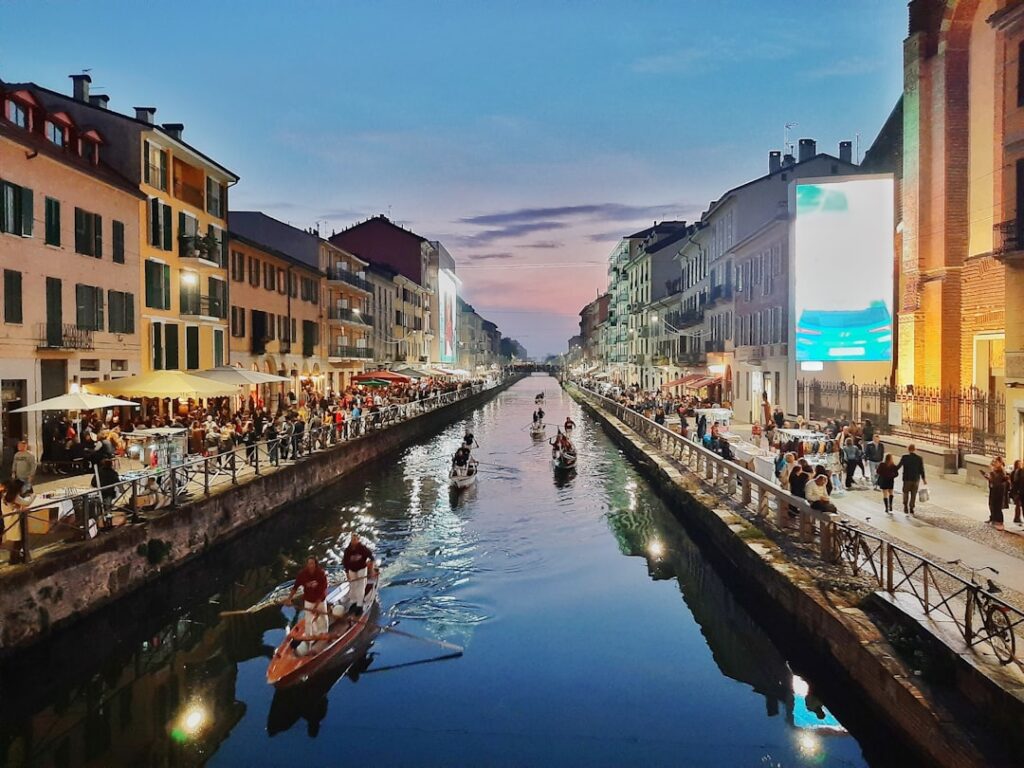
In the late afternoon, take the metro to Romolo (M2) or Porta Genova FS (M2/rail) to reach the Navigli. Navigli (Canal Grande) Address: Ripa di Porta Ticinese, 20143 Milano MI (Navigli area). The neighborhood comes alive for aperitivo (18:00–21:00): bars and restaurants offer a buffet with a cocktail for about €10.00–15.00. Recommendation: reserve if you’re aiming for a popular spot like « Rita & Cocktails » or « Mag ». Stroll along the banks, browse artisan shops and admire urban murals. At night the atmosphere is warm and a great way to round off the day.
Santa Maria delle Grazie, Cimitero Monumentale and an Alternative Art Route
This route pairs one of the world’s artistic treasures — the Cenacolo Vinciano (The Last Supper) — with the striking Cimitero Monumentale, a lesser-known but highly photogenic spot for architecture and sculpture lovers. Sites are reachable via the M1 line (Conciliazione station for Santa Maria delle Grazie) and via M5 or M1 depending on your starting point for the Monumentale.
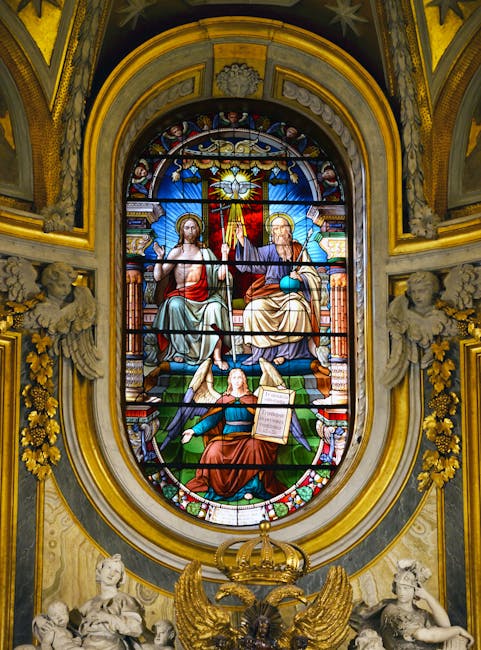
Santa Maria delle Grazie (Il Cenacolo). Address: Piazza di Santa Maria delle Grazie, 2, 20123 Milano MI. Cenacolo hours (indicative): guided visits/entries 8:15–19:00 Tuesday to Sunday; closed Monday. Price: standard ticket around €15.00 (booking mandatory and often sold out weeks in advance); private guided tours cost more (from €40.00 per person depending on group). Important note: entry slots are strictly limited to 15-minute time windows and must be booked through the official circuit (Musei Milano or the dedicated booking service). Tips: arrive 20 minutes before your slot, don’t bring large bags and note that photography is usually prohibited inside — observe the silence rules to help preserve the work.
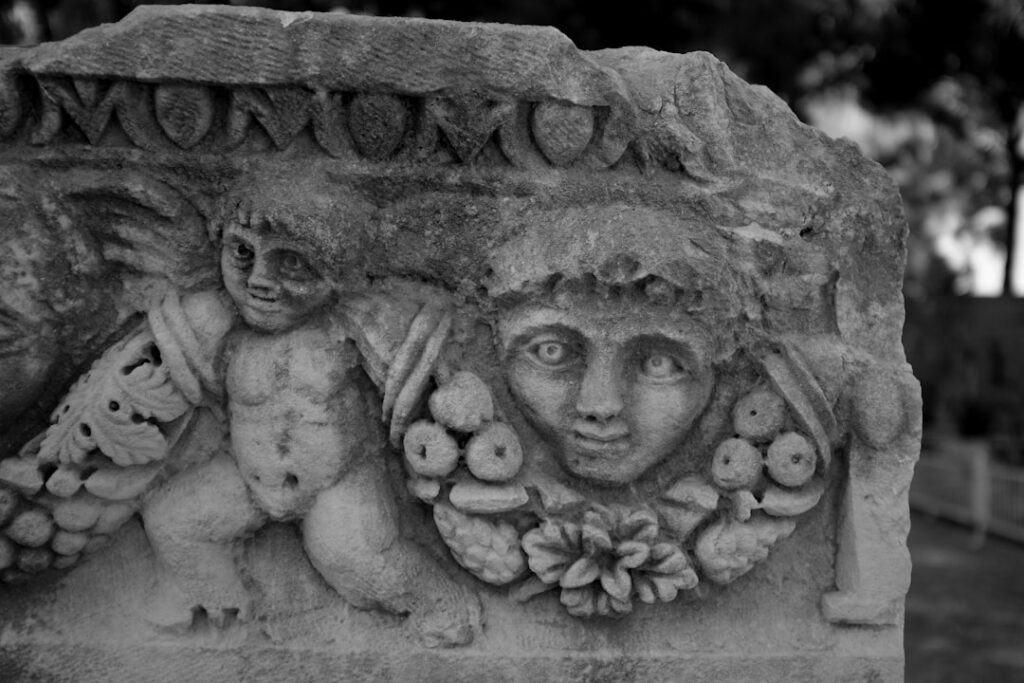
Then head to the Cimitero Monumentale. Address: Piazzale Cimitero Monumentale, 20154 Milano MI. Opening times: 8:00–17:00 (winter/summer hours vary); general entry is free but some chapels or temporary exhibitions may charge (€2.00–€6.00). This cemetery is an open-air museum, famous for remarkable sculptures and mausoleums by Italian artists of the 19th and 20th centuries. It draws fans of funerary art and architecture, as well as photographers seeking detailed carvings and dramatic perspectives. Tip: combine this visit with the nearby MAC Museo d’Arte Contemporanea di Milano (Via Palermo, 10) for an interesting shift from heritage to contemporary art.
Practical tips for this route: booking the Cenacolo is essential — if you can’t find a slot, consider visiting the church of Santa Maria delle Grazie itself (free or donation) and spend more time exploring the Viale Coni Zugna neighborhood for a local vibe. For the Cimitero Monumentale, wear comfortable shoes and respect the solemnity of the site — avoid loud noise and picnicking on monuments. In the evening, the Isola area (a few stops away at Isola on the M5) offers creative restaurants and bars for a dinner away from the most touristy areas.
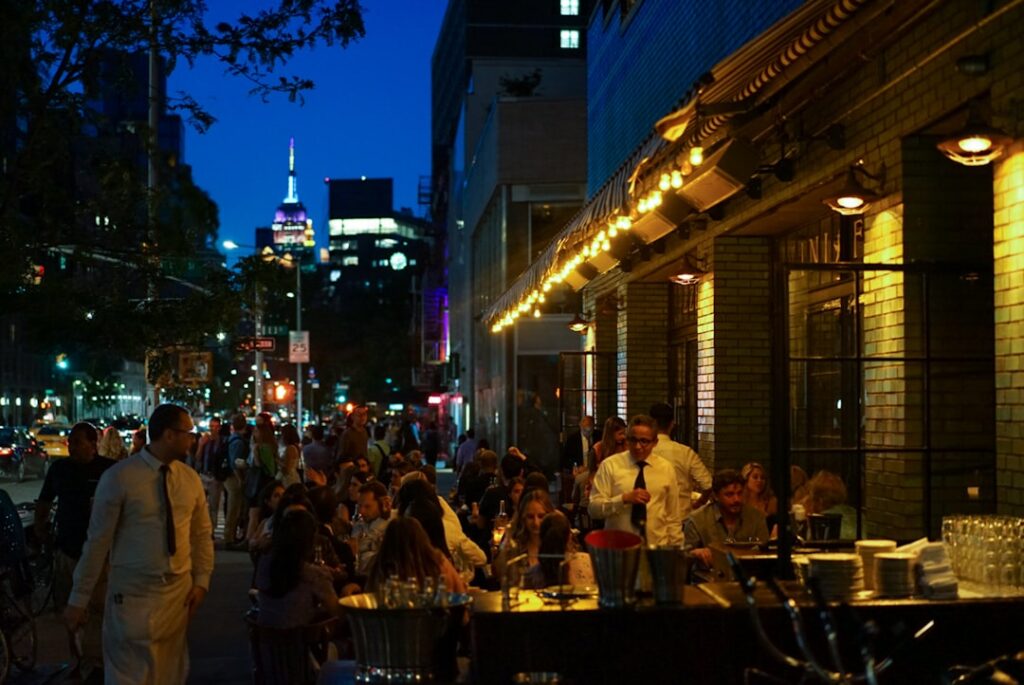
Contemporary Milan: Porta Nuova, CityLife and Fondazione Prada
Milan isn’t just about the past: its modern districts reveal another dynamic side, perfect for a day focused on contemporary architecture, design shopping and cutting-edge exhibitions. This route mainly uses the M5 line (which serves several modern hubs) and the M2/M3 lines for transfers.
Porta Nuova. Main reference: Piazza Gae Aulenti, 20154 Milano MI. Hours: public spaces accessible 24h; shops and restaurants vary (typically 10:00–22:00). This flagship urban redevelopment features towers like the Unicredit Tower (Piazza Gae Aulenti 3), Italy’s tallest skyscraper (the esplanade is walkable though the tower isn’t generally open for interior tours). Enjoy the Piazza Gae Aulenti for contemporary views and terrace cafés. For a break try Obicà Mozzarella Bar (Piazza Gae Aulenti) for a modern take on Italian cuisine. Photo tip: reflections on the towers at sunset make for spectacular compositions.
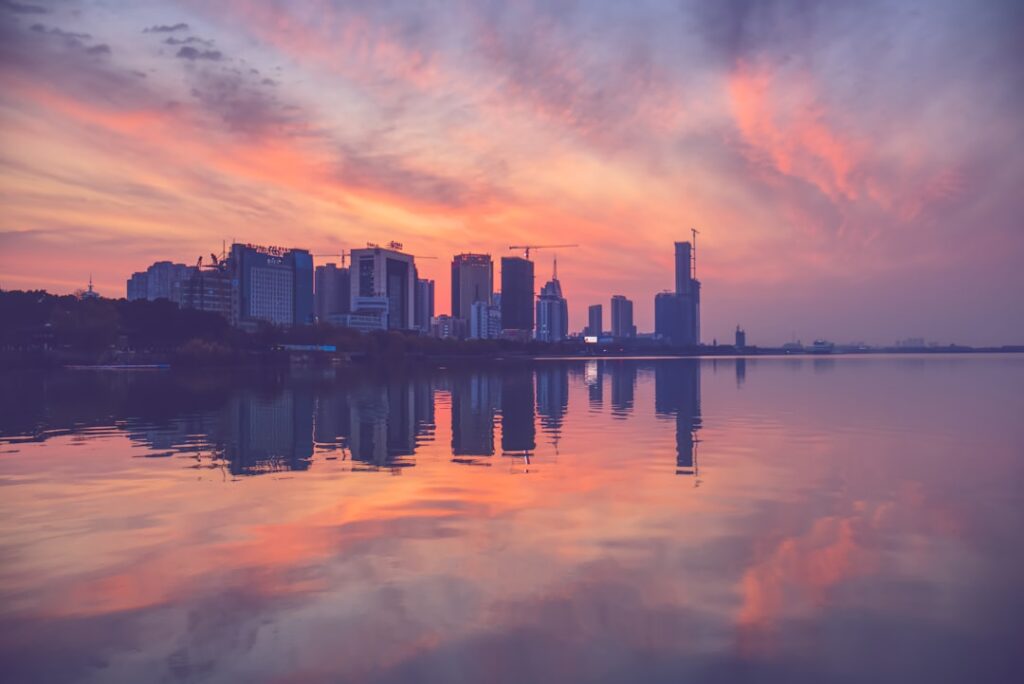
CityLife. Address: Piazza Tre Torri, 20145 Milano MI (CityLife district). Hours: mall 10:00–21:00; public park freely accessible. CityLife is a new district with towers by international architects (Zaha Hadid, Daniel Libeskind). You’ll find a large urban park, a high-end shopping center and the Torre Allianz. For design fans, the walk between the park and towers is rewarding, and there are bike lanes if you prefer to explore by bike. Budget: cafes and restaurants in the area offer meals from €10.00–30.00 depending on level.
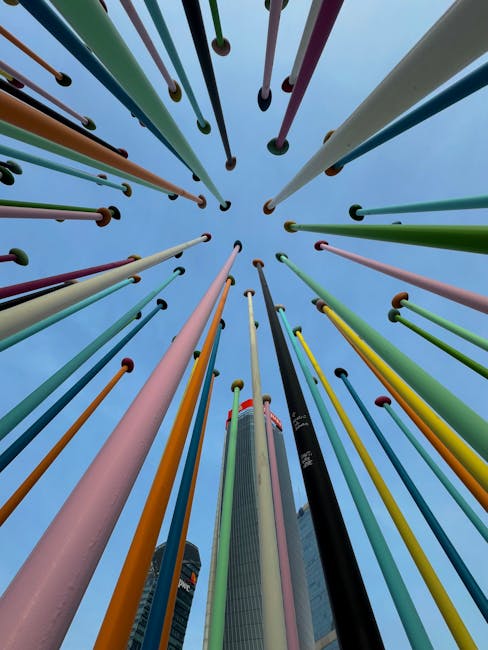
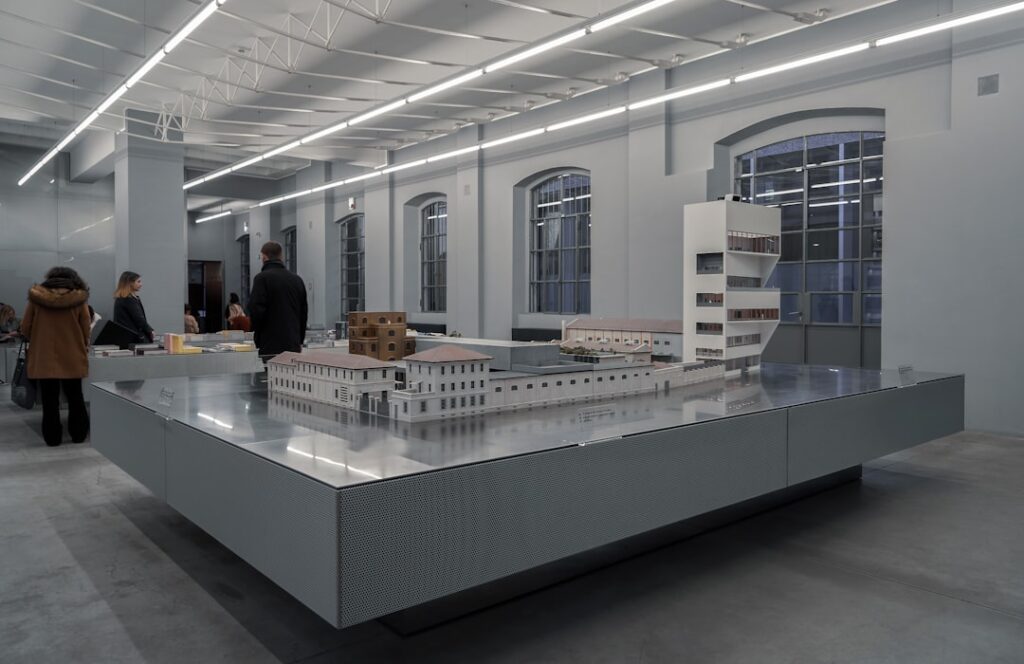
Fondazione Prada. Address: Largo Isarco, 2, 20139 Milano MI. Opening times: 11:00–19:00 (closed Monday; days and times vary by exhibition). Prices: exhibition entry €12.00–18.00 (varies for temporary shows). Fondazione Prada is a cultural space devoted to contemporary art, with exhibitions, installations and a scenic cafe/restaurant. The setting is intentionally contemporary and often designed for immersive experiences. Tips: check the online program, book tickets for major shows and allow 2–3 hours to see the whole venue, including the terrace and bar. Access by metro to Lodi T.I.B.B. (M3) or by tram/bus depending on your starting point.
Click here to book your ticket for Fondazione Prada Milan
Practical tips for contemporary Milan: pair a morning visit to Porta Nuova (best light in the morning) with lunch at CityLife, then take the metro or a taxi to Fondazione Prada for the afternoon. If you love architecture, book a private guided tour that explains the projects and urban intentions. In the evening, return to Porta Nuova to see the towers illuminated — perfect for dinner on a rooftop or a cocktail at one of the panoramic bars around Piazza Gae Aulenti.
Conclusion: Plan Your Routes and Make the Most of Milan’s Metro
Milan’s metro is more than just transportation: it’s a cultural spine that helps you discover the city in a structured, efficient and often surprising way. The suggested routes — from the historic center to Milan’s art scene, the canals and contemporary architecture — show how to organize your days by combining must-see landmarks with neighborhoods that feel local. For each itinerary we’ve included exact addresses, usual opening hours and indicative prices so you can prepare your visits independently. Remember that some sites, notably Il Cenacolo (The Last Supper) at Santa Maria delle Grazie and the Duomo terraces, require advance booking or paid tickets, so plan purchases ahead to avoid disappointment.
A few golden rules to ensure a smooth trip: buy a Unico 90-minute ticket for single-day outings or a 24/48/72h pass if you’re making multiple trips; download the ATM Milano app for real-time schedules and service updates; avoid peak times if traveling with luggage or family; allow walking time between some stations and monuments (the historic center is largely pedestrian). Regarding safety and comfort, Milan is generally safe but stay alert around tourist areas and in crowded carriages. Bring a water bottle and comfortable shoes: walking is the best way to soak up the city after using the metro to move quickly between districts.
Finally, vary your experiences: a morning at the Duomo and the Galleria, an afternoon in the museums of Castello Sforzesco, an aperitivo evening on the Navigli and a contemporary day at Porta Nuova and Fondazione Prada make for a full short-break itinerary. Adapt the routes to your interests — art, shopping, nature or architecture — and let yourself be surprised by the little details, neighborhood cafés and artisan shops. Milan reveals itself in layers: beneath its modern façade lie centuries of history, artistic treasures and warm neighborhood life. Enjoy your trip and make good use of Milan’s metro to explore the city!