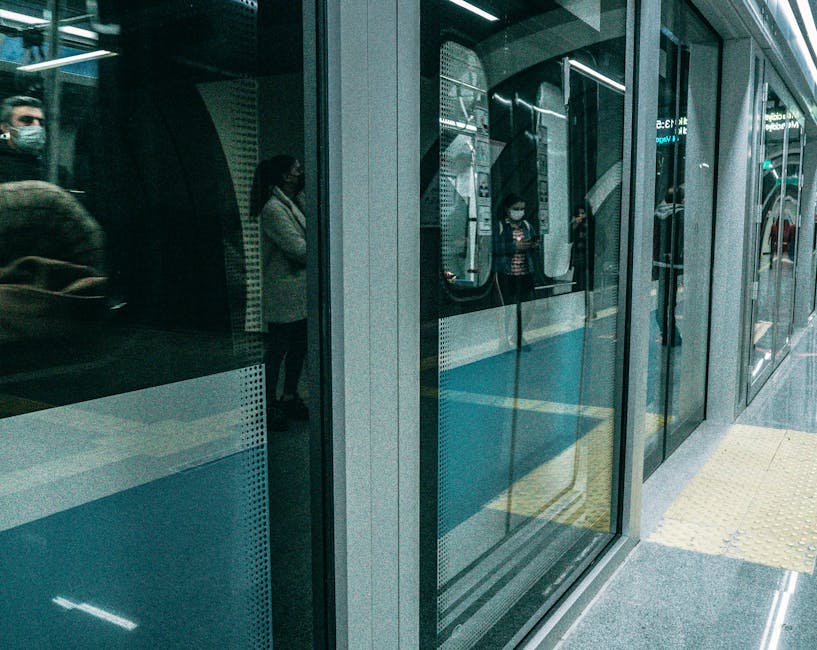






Introduction — Milan Under Construction: How Metro Renovations Are Reworking Urban Mobility
Milan, Italy’s economic powerhouse and a global design capital, has been reshaping its public transport network for several years. As 2026 approaches, the city’s metro renovation and expansion works are more than just infrastructure projects: they’re redefining neighborhoods, changing daily commutes for residents, and opening fresh possibilities for visitors keen to explore up-and-coming areas. Understanding these projects, their impacts and the new facilities is essential for any traveler or local who wants to get around efficiently, visit major sights and make the most of a city in motion.
This introduction sets the scene: the ATM network (Azienda Trasporti Milanesi) operates the main lines M1, M2, M3, M4 and the automated M5, while the 2026 projects include modernizing historic stations, extending lines and creating new links with rail hubs like Milano Centrale (Piazza Duca d’Aosta, 1) and Milano Cadorna (Piazza Cadorna, 14). The works aim to meet growing local travel demand and tourist expectations. Interventions include accessibility upgrades (lifts and escalators), platform refurbishments, electrical upgrades to support next-generation trains, and urban improvements around station exits to encourage walking, cycling and pedestrian zones.
For visitors, the main practical concerns are: knowing which stations are temporarily closed, identifying alternative bus and tram routes, building extra time into journeys for appointments or tour departures, and enjoying the new stations’ contemporary designs. For example, the arrival of the M4 (blue) line linking Linate to the city center provides faster connections to Milano Centrale and more direct access to Aeroporto di Milano-Linate (Via Forlanini), dramatically altering airport-to-city travel.
Finally, this renovation period is also a chance to see Milan from a different angle: visible worksites and new public spaces create unique photo opportunities, and changing neighborhoods — notably around Porta Romana, San Siro and Bicocca — are spawning new cafés, workshops and art galleries. This article details the major 2026 projects, explains the effects on tourism and daily mobility, lists practical addresses and opening times for key monuments and transport hubs, and offers local tips to stay stress-free while the city transforms. Plan your routes: Milan is literally on the move, and knowing where and when the metro is being renovated can change your trip for the better.
History and Context of Milan’s Metro Renovations
Milan’s metro network dates back to 1964 and has grown in waves. Lines M1 (red) and M2 (green) form the backbone, while M3 (yellow), the recently opened-by-stages M4 (blue) and the automated M5 (lilac) complete the web. In 2026, the city is continuing a modernization strategy that blends preservation of historical stations with technological innovation. The works focus on three main objectives: safety (signalling and braking systems), accessibility (lifts, tactile paving, platform doors) and sustainability (LED lighting, recycled materials, energy recovery systems).
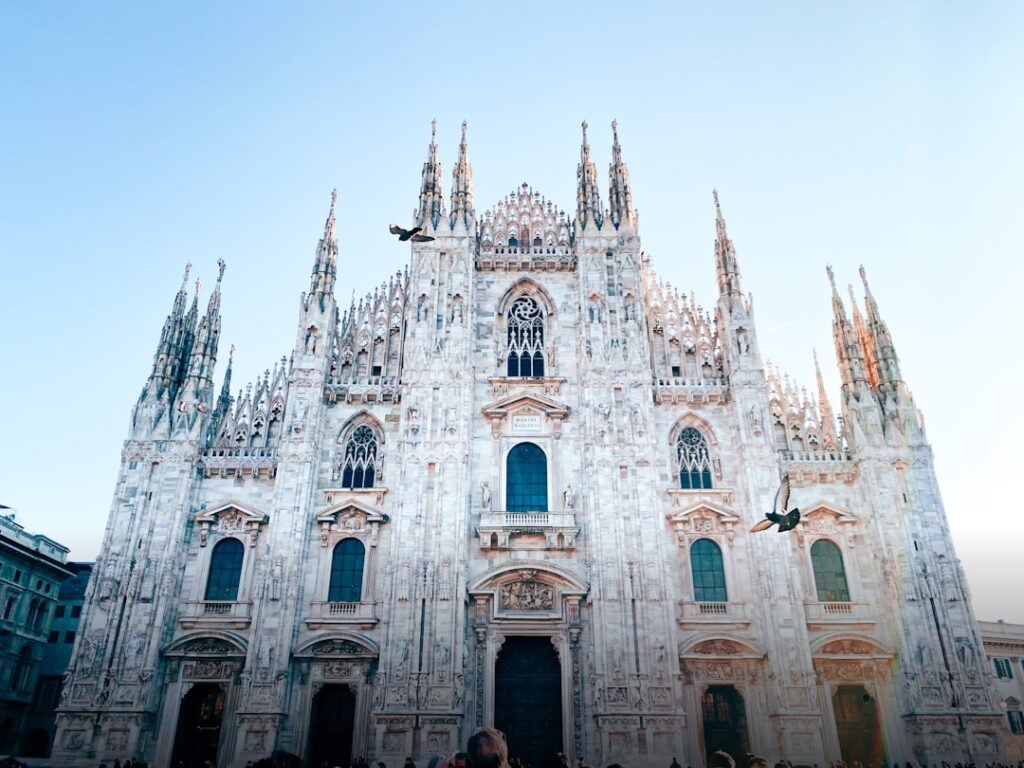
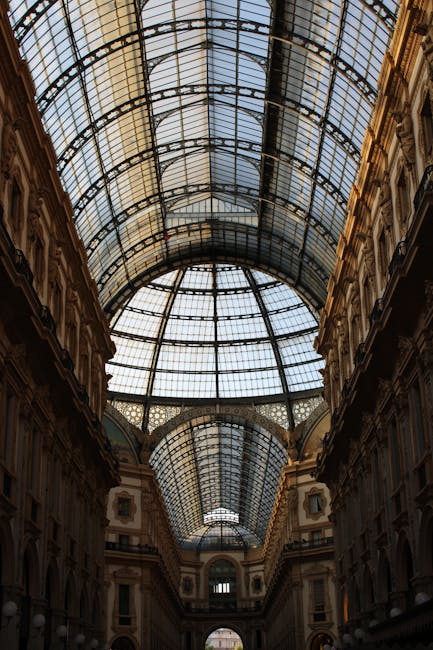
Signature projects include full renovations of stations from the 1960s and 70s, notably Milano Centrale station (Piazza Duca d’Aosta, 1) and the reorganization of the Duomo interchange (Piazza del Duomo, 20122 Milano). These sites are more than transit points: they’re gateways to landmarks like the Duomo di Milano and the Galleria Vittorio Emanuele II (Piazza del Duomo). Renovations aim to preserve heritage features (facades, mosaics, historic panels) while introducing contemporary elements — climate-controlled waiting areas, multilingual signage and small local shops in the concourses.
Logistics and coordination: Azienda Trasporti Milanesi works closely with the City Council (Comune di Milano, Palazzo Marino, Piazza della Scala, 2) and the Lombardy Region. Projects are usually phased to minimize full closures; night-time closures and partial weekend interruptions are preferred. For travelers, that means some routes remain usable but may require extra connections, replacement buses (ATM shuttle services) and temporary pedestrian routes near station exits. Official information is available on the ATM Milano website (www.atm.it) and in local mobility apps.
Lastly, these renovations are part of a broader sustainable mobility plan — adding bike lanes, low-traffic zones (ZTL) around historic centers and incentives for day tickets (giornaliero) or weekly passes (settimanale) to reduce car use. By 2026, Milan aims to be a showcase for other European cities: a place where modernity and heritage coexist within a smooth, resilient transport network.
Major 2026 Projects: Stations, Lines and Key Addresses
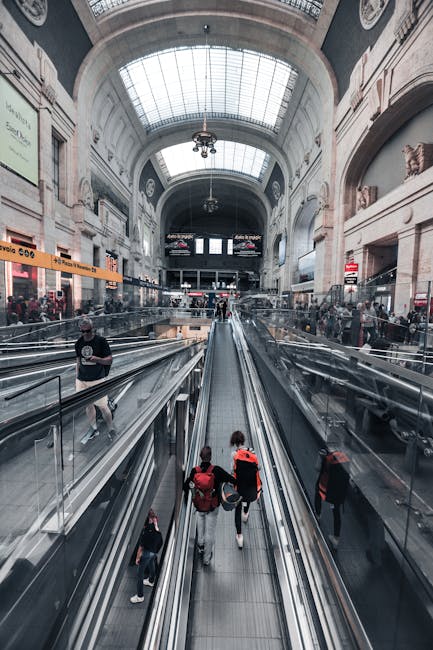
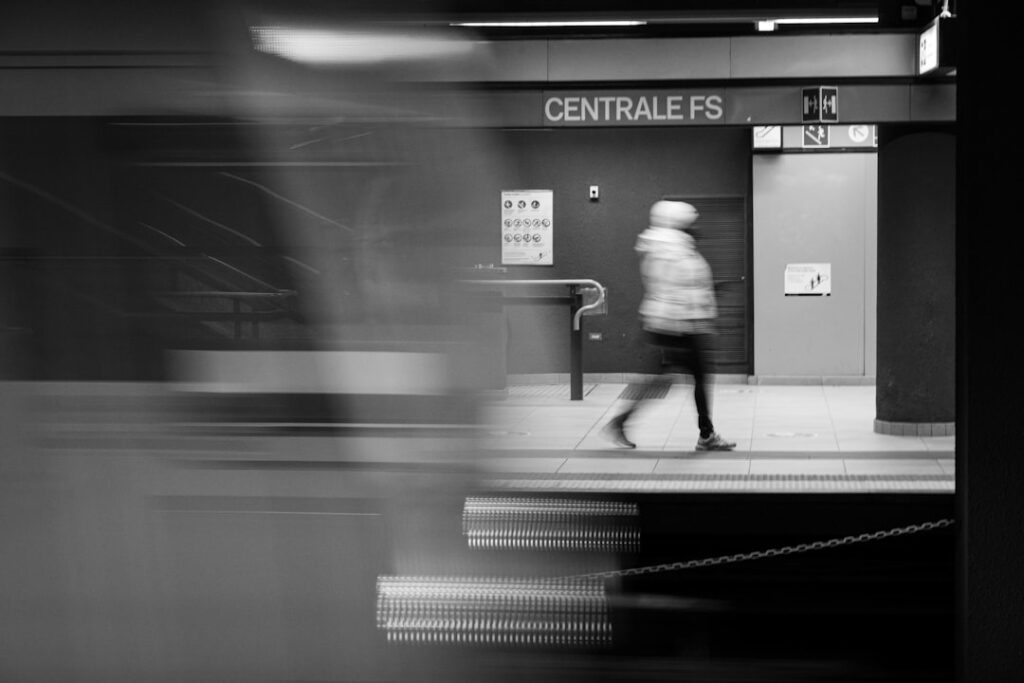
The headline projects for 2026 target several strategic areas. First, consolidation and modernization around Milano Centrale (Piazza Duca d’Aosta, 1). This hub is seeing increased intermodal traffic (regional trains, long-distance services and metro connections). The project includes refurbishing M2 platforms serving the station, new underground passages, added lifts to reach the railway platforms and new real-time information panels. Milano Centrale operates around the clock for long-distance trains, but main halls and shops have varied opening times: shops and bars (07:00–22:00), service desks (06:00–23:00).
Second, the extension and connection of the M4 line: the Linate–San Babila section links Aeroporto di Milano-Linate (Via Francesco Baracca, 1) more directly to the center. Key stations undergoing surface or intermodal upgrades include Linate Aeroporto (Via Giovanni Battista Pirelli 1 area access), San Babila (Piazza San Babila, 3) and Dateo (Piazza Agostino da Montefeltro), which serve as bridges between metro, tram and bus. M4 generally runs on typical hours: 05:30–00:30, although schedules may vary on public holidays.
Third, upgrades on the M3 line (Duomo–Comasina) around the Duomo di Milano (Piazza del Duomo, 20122 Milano): Duomo station is among the busiest with direct access to the Cathedral. Works have focused on improving escalators, platform lighting and tourist signage. The Cathedral (Duomo di Milano, Piazza del Duomo) is usually open 09:00–19:00 for the nave and 09:00–18:00 for the rooftop (tickets roughly €3–15 depending on access and lift). These times vary with seasons and religious events, so check before you go.
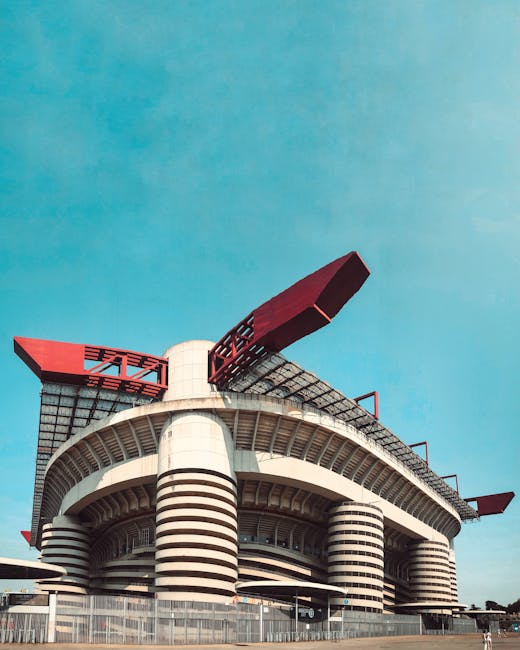
Fourth, interventions are planned in the Porta Romana area (Viale Corsica / Porta Romana area), San Siro (Piazza Elsa Morante, 20151 Milano for the stadium and surroundings) and Bicocca (Viale Sarca / Università degli Studi di Milano-Bicocca). At San Siro, San Siro Stadio station (Piazzale dello Sport) is improving crowd flow on match days: additional turnstiles and reinforced exits. In Bicocca, stations near the Università degli Studi di Milano-Bicocca (Viale Sarca, 336) are gaining new pedestrian links and reconfigured tram stops to make student access easier.
Impact on Journeys, Tourism and Museums — Addresses, Prices and Practical Opening Times
The renovations directly affect how you plan a day of sightseeing in Milan. Below are major tourist sites with addresses, approximate opening hours and 2026 prices, plus tips on reaching them during the works:
- Duomo di Milano — Piazza del Duomo, 20122 Milano. Hours: cathedral 09:00–19:00, rooftop 09:00–18:00 (closures possible for events). Entry: cathedral access is free; rooftop €6–15 depending on access (stairs or lift). Access: Duomo station (M1, M3). Tip: arrive early to avoid queues; book rooftop tickets online in advance.
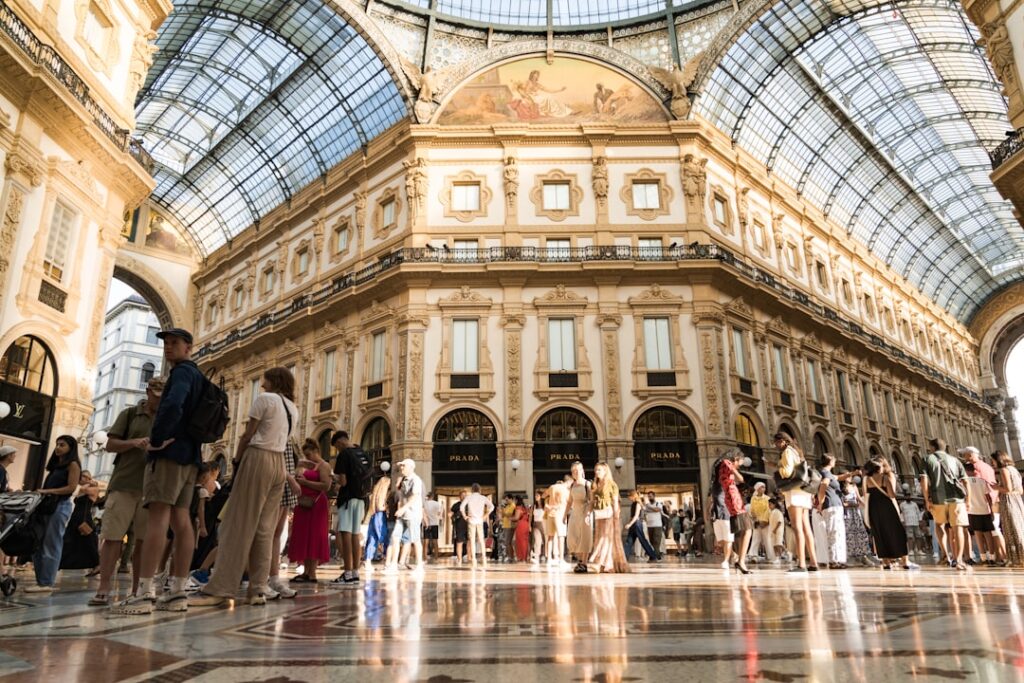
- Galleria Vittorio Emanuele II — Piazza del Duomo, 20123 Milano. Shop hours 10:00–20:00 / restaurants often 12:00–23:00. Access: Duomo station. Tip: walk through the Galleria and avoid peak times for cleaner photos.
- Castello Sforzesco — Piazza Castello, 20121 Milano. Museums and park: museums 09:00–17:30 (museum prices €3–10), park open continuously. Access: Cairoli (M1) or Cadorna (M1/M2) stations. Tip: use the renovated exit on the Piazza Castello side to avoid works on other sides.
- Pinacoteca di Brera — Via Brera, 28, 20121 Milano. Hours: 08:30–19:15 (closed Monday). Entry: €10–15. Access: Montenapoleone station (M3) or Duomo + 10 min on foot. Tip: combine with a stroll around Brera and an espresso in one of the small squares.
- Aeroporto di Milano-Linate — Via Francesco Baracca, 1, 20090 Segrate (MI). Access: M4 Linate station. Tip: if M4 is affected by works, plan for shuttles or taxis (taxi to city center approx. €20–30, buses €10–15).
During construction, ATM offers several ticket types:
- Single ticket (1 trip) — €2.00 (valid 90 minutes)
- Day ticket (24 hours) — about €7.50
- Weekly pass — prices vary by zone, roughly €17–22
Timing tips: main lines generally run 05:30–00:30; M4 may offer extended hours during events or temporary changes. If a station is closed, replacement shuttle buses (Navetta ATM) are arranged and indicated on station exit boards. For museum hours and exceptions, check official sites: Duomo (www.duomomilano.it), Castello Sforzesco (www.milanocastello.it), Pinacoteca di Brera (www.pinacotecabrera.org).
Practical Tips for Travelers: Find Your Way, Save Money and Make the Most of It
Getting around smart in Milan in 2026 takes a bit of planning. Here are concrete local tips that will save you time and money:
- Must-have downloads: install the ATM Milano Mobile app and Citymapper. ATM provides real-time station closures, schedules and replacement buses. Citymapper or Google Maps will show walking and tram alternatives.
- Build in buffer time: during peak hours (07:30–09:30 and 17:00–19:30), allow an extra 10–20 minutes for connections if you’re passing through construction zones.
- Tickets and validation: buy tickets before entering stations at ticket machines (coins, notes and card). Validate at the entrance and keep the receipt until the end of your trip to avoid fines (random inspections onboard, typical fine €50–100).
- Accessibility: for travelers with reduced mobility, check which stations have lifts: Milano Centrale, Duomo, Cadorna, San Babila and Linate are priorities. ATM publishes an accessibility map listing operational lifts.
- Security and luggage: areas around Milano Centrale can be very busy; watch your belongings. For large luggage, favor off-peak times or the left-luggage service at Milano Centrale (about €6–8 per day).
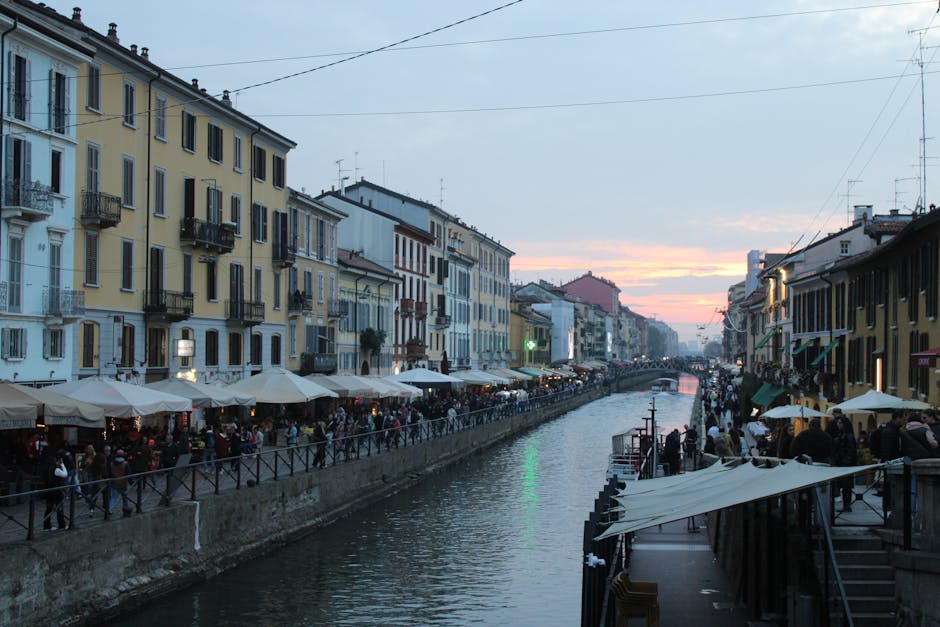
Photo tips and exploration: construction areas sometimes reveal unusual viewpoints of landmarks — for example, the alley behind the Galleria offers a less crowded angle on the Duomo; the banks of the Naviglio Grande (Ripa di Porta Ticinese, Navigli) are perfect at dusk. For food, note a few local spots: Luini (Via Santa Radegonda, 16) for panzerotti (about €4–6), Trattoria Milanese (Via Santa Marta, 11) for Lombard cuisine (dishes €12–28). Finally, if you plan several trips in a day, a day ticket (giornaliero) quickly pays off.
Conclusion — Milan 2026: Mobility Reimagined, Travel Optimized
The metro renovations and projects in Milan for 2026 mark a pivotal step in modernizing a historic city that knows how to blend past and future. For travelers, this period brings real benefits: better airport connections via M4, more accessible stations like Milano Centrale and Duomo, and reshaped neighborhoods offering new walking routes and cultural spots. Yet these gains come with temporary inconveniences — occasional closures, replacement buses and schedule changes — so careful planning is advised.
Adopting a few simple habits will help you get the most from your visit: check the ATM Milano app for updates, buy tickets that match your needs (single, day or weekly), allow extra time for journeys and use new connections to sightsee more efficiently. Milan 2026 is also visible through its worksites: they tell the story of a city investing in quality of life, accessibility and international appeal. This translates into rethought stations as public spaces, smoother connections between metro, tram and train, and transformed station surroundings into welcoming plazas.
Keep your curiosity alive: urban changes provide unique photo ops, pop-up cafés near worksites and off-the-beaten-path routes. Whether you visit the Duomo di Milano (Piazza del Duomo), wander the Galleria Vittorio Emanuele II (Piazza del Duomo) or catch a train from Milano Centrale (Piazza Duca d’Aosta, 1), a little preparation and a flexible attitude will let you enjoy a metropolis in the midst of rebirth. Milan is waiting — under construction, yes, but more accessible, more sustainable and still utterly captivating.