





Introduction
Milan, the economic and cultural capital of Lombardy, welcomes millions of travelers every year through its two main airports: Aeroporto di Milano-Malpensa (MXP) and Aeroporto di Milano-Linate (LIN). After baggage claim, the first question for many visitors is the same: how do I get into the city center quickly and efficiently? While taxis and private transfers have their place, public transport options — metro, tram and bus — offer a great balance of cost, speed and local immersion. This guide gives you a practical, comprehensive run‑through of airport transfers to and from Milan focusing on those three modes of transport. We’ll cover routes, key stations, exact addresses, prices in euros, opening hours, plus local tips to make your transfer smoother and less stressful.
Milan’s transport network is rich because it’s varied: the metro (Metropolitana) serves the historic core and major business hubs, the historic trams run through picturesque neighborhoods at street level, and buses link many airport terminals directly. For example, the Malpensa Express — technically a train rather than a metro — is often part of conversations about fast transfers between Malpensa and Milan stations like Milano Centrale and Milano Cadorna. At Linate, which is much closer to the center, the cheapest option is the urban bus 73 that connects the airport to the M1 metro. Meanwhile, Milan’s iconic yellow and red trams can be really handy for getting around the city once you’re at a metro stop.
In the sections that follow you’ll find detailed guides on the metro (routes, must‑know stations, prices and schedules), the tram (historic lines useful for transfers, exact stops, ticket validation tips), and buses (airport routes, stops, contingency plans in case of strikes). Each section includes full place and monument names, exact addresses and specific local advice: where to buy tickets, how to avoid peak hours, how to watch your luggage, which mobile apps to download (for example: ATM Milano), and how to combine metro/tram/bus to reach addresses like Piazza del Duomo, Via Montenapoleone or Fiera Milano Rho. We also add practical tips on night services, ticket validation and safety on public transport. Image placeholders will help you visualise the most useful scenes when planning your transfer.
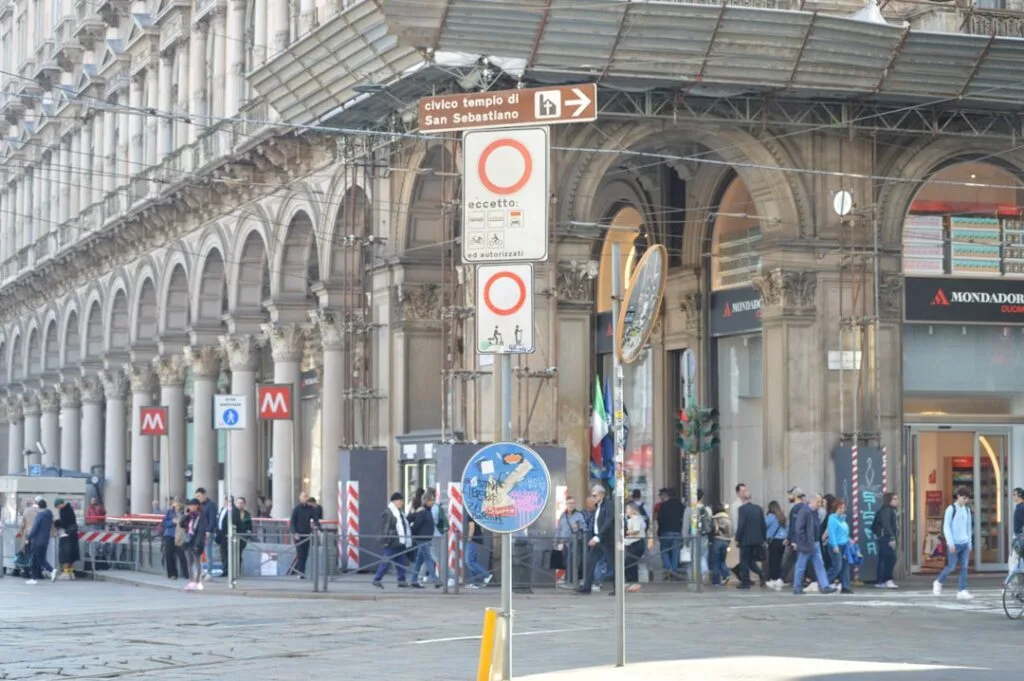 Milan metro entrance with ATM signage » loading= »lazy » />
The Milan Metro: Lines, Key Stations and Airport Connections
Milan’s metro (Azienda Trasporti Milanesi — ATM) is the fastest and most consistent way to cross the city. The network has four main lines: M1 (red), M2 (green), M3 (yellow) and M5 (lilac). Key stations to know for airport connections are Milano Centrale (Piazza Duca d’Aosta, 1), Cadorna FN (Piazza Luigi Cadorna, 1), Duomo (Piazza del Duomo, 20122 Milano) and San Babila (Piazza San Babila, 20122).
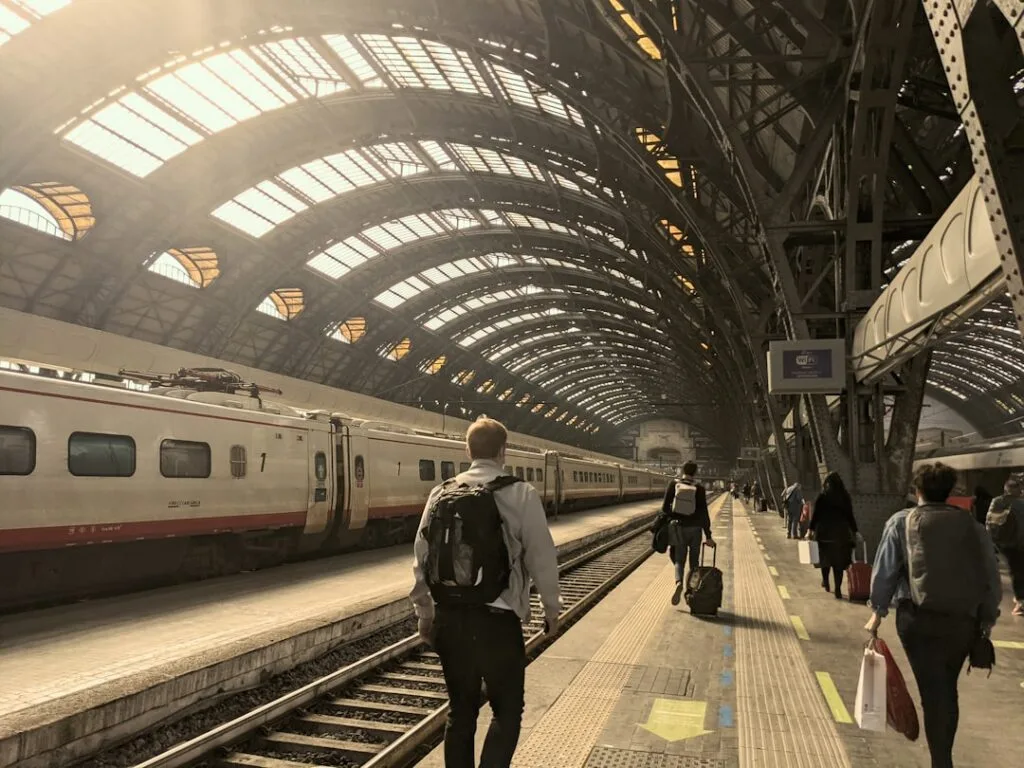
To reach Milan from Aeroporto di Milano‑Malpensa (MXP), the most direct option is the Malpensa Express (train) to Milano Cadorna or Milano Centrale. The Malpensa Express serves:
- Malpensa Terminal 1 — Aeroporto di Milano‑Malpensa, Terminal 1, 21010 Ferno VA
- Milano Cadorna FN — Piazza Luigi Cadorna, 1, 20123 Milano
- Milano Centrale — Piazza Duca d’Aosta, 1, 20124 Milano
Price: standard Malpensa Express ticket: €13.00 (one‑way, direct). Schedule: trains run roughly every 20–30 minutes during the day, first departure around 05:27 and the last service near 00:40 depending on the destination; check official Trenord / Malpensa Express timetables on your travel day.
From Aeroporto di Milano‑Linate (LIN — Via Francesco Cilea, 20090 Segrate MI) there is no direct metro line. The practical and inexpensive option is the urban bus 73 which links Linate to San Babila (M1) in about 25–30 minutes depending on traffic. Linate address: Aeroporto di Milano‑Linate, Via Francesco Cilea, 20090 Segrate MI. Price: ATM 90‑minute urban ticket = €2.20 (see validation below). Schedule: bus 73 typically runs from around 06:00 to 00:30; frequency varies, roughly every 15–20 minutes during the day.
Once you’re at a metro station (M1, M2, M3 or M5) you can reach major tourist spots quickly: Duomo (Piazza del Duomo) for the Milan Cathedral (Duomo di Milano — Piazza del Duomo, 20122 Milano), the Galleria Vittorio Emanuele II (Piazza del Duomo), or Via Montenapoleone (Via Monte Napoleone, 20121 Milano) for luxury shopping.
General metro hours: weekdays and Saturday roughly 06:00–00:30; Sundays and public holidays often have similar hours but with reduced frequency. Tickets are available from station vending machines, at Tabacchi shops, or via the official ATM Milano app. Practical tip: always validate your ticket at the orange machines before boarding the metro — fines apply if you’re caught without a validated ticket. For connections with long‑distance trains at Milano Centrale, allow 5–10 minutes walking from the station exit to the metro platforms.
The Tram: Historic Lines, Must‑See Stops and Using Trams for Transfers
Milan’s tram network is not just transport — it’s a charming way to see the city. The historic trams (often painted yellow and red) run on street level through neighborhoods the metro doesn’t always serve. The most useful tram lines for tourist transfers are lines 1, 2, 12 and 24. These lines serve major spots such as Piazza del Duomo, Via Torino, the Navigli and Porta Romana.
Practical route examples:
- Line 1: Piazza del Duomo — Largo Cairoli — Via Turati. Handy if you get off at Duomo (M1/M3 interchange) and want to cross the historic center at street level.
- Line 2: Via Carlo Farini — Piazza Bausan — Viale Monza. Line 2 is useful for reaching residential neighborhoods and some long‑distance bus connections.
- Line 12: Piazza San Babila — Via Torino — Navigli. Ideal for getting to the Naviglio Grande canals after arriving at San Babila (M1 via bus 73 from Linate).
Key stops and addresses:
- Piazza del Duomo — Duomo di Milano, Piazza del Duomo, 20122 Milano (tram and metro stop, tourist hub).
- Piazza San Babila — Piazza San Babila, 20122 Milano (M1 interchange, close to Linate via bus 73).
- Porta Genova — Via Valtellina 1 (close to the Navigli, canal district with bars and nightlife).
Price and validation: ATM 90‑minute urban ticket = €2.20 (valid on tram, bus and metro within the urban zone). Tram tickets are validated on board using the yellow validators; keep your ticket until the end of your journey. For longer stays, consider a 24‑hour ticket (giornaliero) — around €7.00 — or a 48‑hour pass if you plan several journeys over two days.
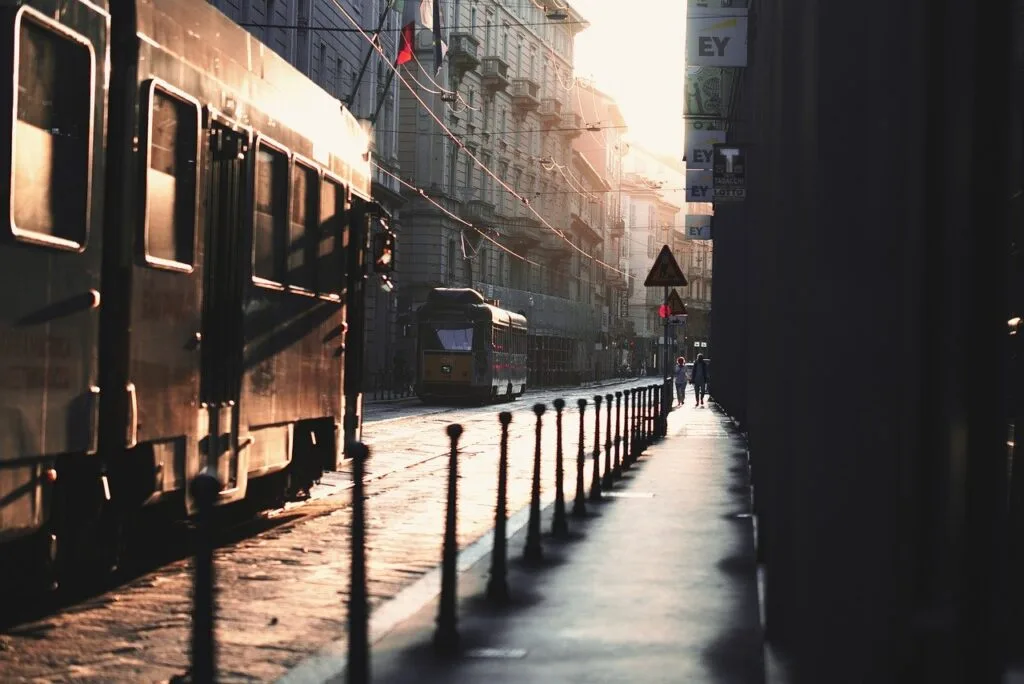
Hours: trams generally run from about 05:30 to 00:30 with varying frequency. Some lines operate at night (night lines) but much less frequently. Local tip: trams can be slower during rush hour because of street traffic, but they offer a visual experience of the city that the metro can’t. If you have heavy luggage, choose the metro or an express bus first; trams are perfect once your bags are dropped at the hotel.
Buses: Direct Airport Routes, Express Shuttles and Urban Lines
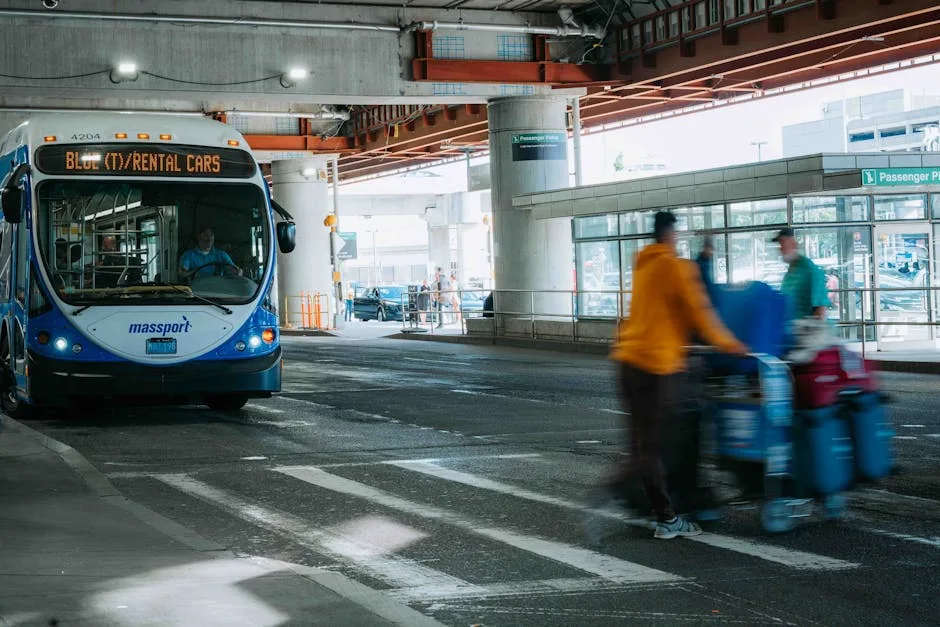
Buses are essential for direct links from airports to specific points in the city. For Malpensa (MXP), several operators run direct shuttles to Milano Centrale, Lampugnano (bus hub), Cadorna and other city points. Main options include:
- Malpensa Express (train) — described above (€13.00).
- Terravision / Autostradale / FlixBus — shuttle buses Malpensa ↔ Milano Centrale. Price: from about €8.00–€10.00 depending on operator and advance booking. Duration: 45–60 minutes depending on traffic.
- Urban bus 73 (Linate ↔ San Babila) — ATM 90‑minute ticket: €2.20. Duration: 25–30 minutes.
Precise stops and addresses:
- Milano Centrale — Piazza Duca d’Aosta, 1, 20124 Milano (main stop for shuttles and trains).
- Lampugnano Bus Terminal — Via Giulio Natta, 2, 20151 Milano (terminus for some long‑distance buses and interchange with M1 Lampugnano).
- Malpensa Terminal 1 — Aeroporto di Milano‑Malpensa, Terminal 1, 21010 Ferno VA (bus stops outside the terminal — follow the “Bus and Coach” signs).
- Linate — Aeroporto di Milano‑Linate, Via Francesco Cilea, 20090 Segrate MI (bus 73 stop at the terminal exit).
Hours: shuttles to Malpensa run early morning and late at night depending on flight schedules. Urban buses like the 73 follow standard ATM schedules (roughly 05:30–00:30). At night there are night services (bus N) covering key routes — check the exact numbers and frequencies the day before travel. Price: beyond the €2.20 urban ticket, some private shuttles require advance booking and offer discounted online fares (often €8.00–€12.00 one‑way to Malpensa).
Practical tips:
- Buy Malpensa Express and shuttle tickets in advance online to avoid queues and lock in the lowest fare.
- For Linate, always allow extra time for traffic on the Tangenziale Est; plan 40–50 minutes to reach San Babila during peak hours.
- In case of train strikes, buses often provide alternative services — check station displays and official Twitter accounts (ATM Milano, Trenord).
Tickets, Fares, Validation and Local Tips to Optimize Your Transfers
Understanding fares and validation is straightforward if you follow a few simple rules. Standard ATM fares for the urban area include:
- Urban 90‑minute ticket = €2.20 (valid on tram, bus and metro within the urban zone).
- 24‑hour ticket (biglietto giornaliero) ≈ €7.00 (indicative price — check at purchase). Great if you plan several trips in one day.
- Regional train tickets (e.g. Malpensa Express): €13.00 one‑way Malpensa ↔ Milano Centrale/Cadorna.
Where to buy and how to validate:
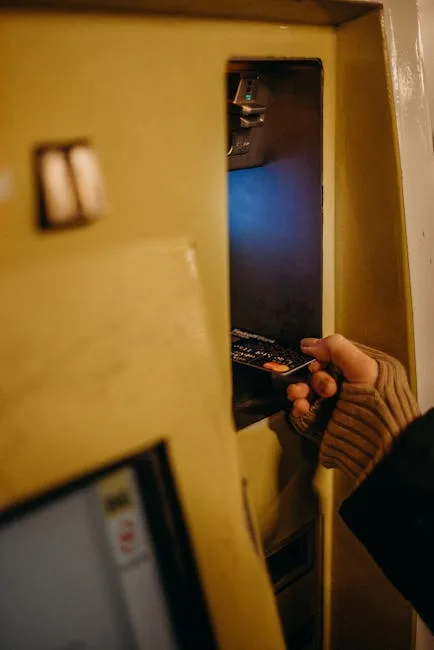
- From vending machines in metro stations and train stations (card or cash accepted depending on the machine).
- At Tabacchi shops and kiosks; a typical address: Tabaccheria Piazza Duomo (near the Duomo).
- Via the official ATM Milano app (iOS/Android) — convenient for buying and showing an electronic ticket during inspections.
Validation: stamp each paper ticket in the yellow validators before boarding. If you use an e‑ticket, keep proof of purchase until the journey ends. If you’re inspected without a validated ticket the fine can exceed €50.
Specific local tips:
- Avoid peak hours if you’re carrying lots of luggage (weekdays 07:30–09:30 and 17:00–19:30). Aim to travel at least an hour before peak time or book a taxi if you’re tight on time.
- To reach Fiera Milano Rho (Rho Fiera — Via Giuseppe di Vittorio, 6, 20017 Rho), take the red M1 line to Molino Dorino then change to the regional train to Rho Fiera, or use dedicated shuttles during major trade fairs (Salone del Mobile, Milan Fashion Week).
- Always carry a copy of your flight and accommodation reservations; station and terminal staff are used to helping tourists but appreciate clear documentation.
Conclusion
Travelling between Milan’s airports and the city center using the metro, tram and bus is economical and practical, provided you understand a few local rules. The Malpensa Express remains the fastest direct option from Malpensa to Milano Centrale or Milano Cadorna, with a fixed fare of about €13.00 one way. For Linate, the urban bus 73 to San Babila offers the best price/speed combination (ATM 90‑minute ticket ≈ €2.20) and an easy connection to the M1 metro. Trams, meanwhile, are a pleasant way to cross the city and soak up Milanese atmosphere, especially if your hotel is located on one of the historic tram lines.
Beyond fares and routes, the essentials are planning around schedules (metro roughly 06:00–00:30), always validating your ticket, and avoiding peak traffic windows which can significantly lengthen bus journeys. Download the ATM Milano app, buy long‑distance tickets (Malpensa Express, private shuttles) in advance to secure your seat, and keep these exact addresses handy: Milano Centrale — Piazza Duca d’Aosta, 1; Milano Cadorna FN — Piazza Luigi Cadorna, 1; Aeroporto di Milano‑Malpensa, Terminal 1 — 21010 Ferno VA; Aeroporto di Milano‑Linate — Via Francesco Cilea, 20090 Segrate MI. With a little preparation, airport transfers in Milan can be not just a necessary chore but a smooth introduction to city life in Italy.