




Introduction: Brera, Milan’s Artistic Heart
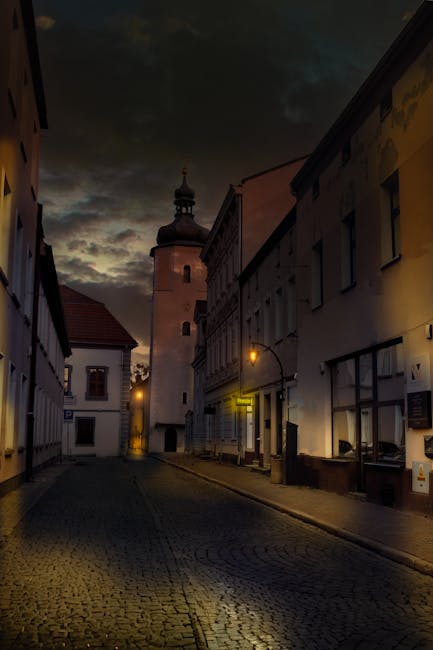
The Brera neighborhood is often described as Milan’s artistic soul — a maze of cobbled lanes, aristocratic palaces and little squares where past and present meet around every corner. Located east of the historic center, between Via Brera and Via Fiori Chiari, Brera packs an extraordinary concentration of museums, art schools, private galleries, antique shops and literary cafés. A stroll through Brera is a steady stream of visual and sensory discoveries: baroque façades, hidden inner courtyards, posters for contemporary shows and shop windows mixing fashion with design. It’s also a place to listen to the city — the rustle of pages in an old bookshop, the clink of a coffee set on a busy street terrace, or the murmur of art students debating the latest retrospective.
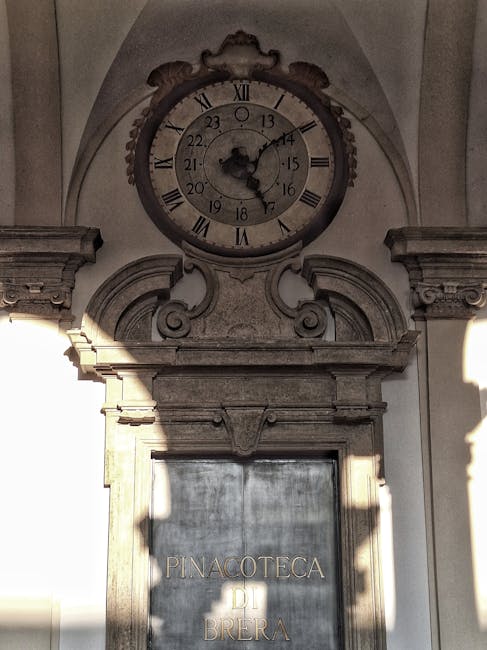
Brera is best known for the Pinacoteca di Brera, one of Italy’s leading painting museums, but the neighborhood is far more than a single institution. The Palazzo di Brera houses the Accademia di Belle Arti, the Braidense Library and several scientific academies, creating a cultural hub that makes Brera an intellectual and artistic microcosm. Visitors will also appreciate a small botanical garden, the Orto Botanico di Brera, a calm oasis tucked into the urban buzz.
For curious travelers, Brera offers a full itinerary: masterpieces by Piero della Francesca, Raphael and Caravaggio; intimate temporary shows in tiny galleries; artisan workshops; restaurants serving contemporary takes on Milanese cuisine; and stores showcasing Italian design. The neighborhood is valued for remaining welcoming and human-scale: in Brera, renowned museums stand alongside long-established family businesses, and you can go from a mass at the Chiesa di San Marco to an aperitif in the shaded square on Via Fiori Chiari in just a few minutes.
This guide will lead you through the heart of Brera, detailing the main places to visit, exact addresses, opening hours, approximate prices and practical tips to make the most of your day. Whether you’re planning an in-depth cultural visit, a lazy afternoon wander or a photo walk, you’ll find concrete information and local recommendations to fully enjoy one of Milan’s most charming neighborhoods.
Pinacoteca di Brera: Masterpieces and an Immersive Visit
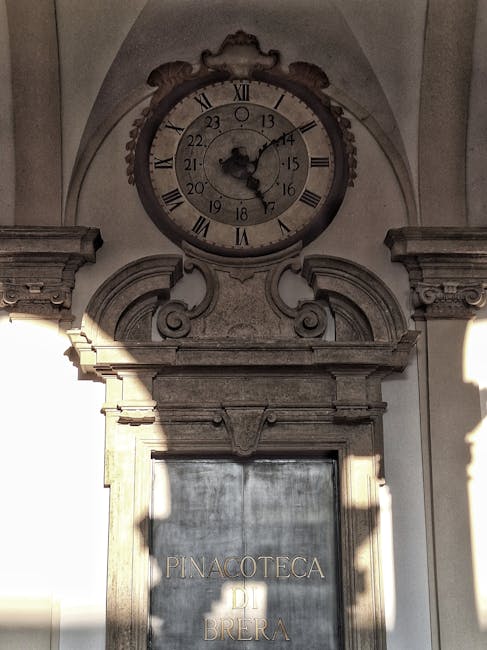
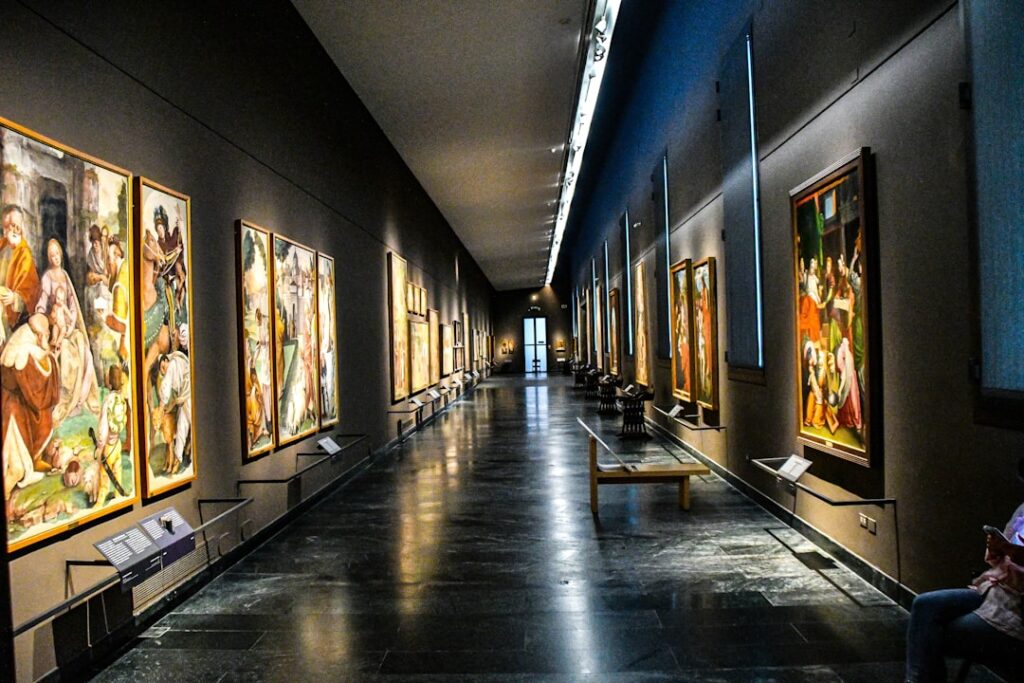
The Pinacoteca di Brera is the artistic core of the neighborhood and a must for any art lover. Located at Via Brera 28, 20121 Milano, this gallery houses an impressive collection of Italian and European paintings from the 14th to the 20th century. Highlights include Caravaggio’s La Cena in Emmaus, the Pietà Rondanini (sometimes shown in special displays), works by Piero della Francesca, Raphael and Hayez. The layout showcases the paintings with rooms that alternate grand baroque settings and more intimate spaces.
Opening hours (subject to change — check the official site before you go): Tuesday to Sunday: 8:30 AM – 7:15 PM (last admission around 6:40 PM). The Pinacoteca is usually closed on Mondays. Indicative prices: Standard ticket: €12 – €15; reduced ticket: around €10 (youths, seniors, certain categories). Combined tickets with other institutions in the Palazzo di Brera or temporary exhibitions can range from €15 to €20.
Practical tips: arrive early to enjoy natural light and avoid tour groups. Allow at least 1.5 to 2 hours for a condensed visit, and up to 3 hours if you plan to take notes or join a guided tour. Audio guides are often available in several languages, and thematic tours — focused on paintings, drawings or archives — may require advance online booking. Photography without flash is allowed in some rooms but may be restricted for temporary exhibitions; always follow staff instructions.
Access: the closest metro station is Montenapoleone (M3 line), but it’s often easier to walk from the Duomo (10–15 minutes) if you’re already in the center. Trams 2 and 14 also pass nearby. The Pinacoteca offers a paid cloakroom for large bags and umbrellas.
Palazzo di Brera, Accademia di Belle Arti and Cultural Institutions
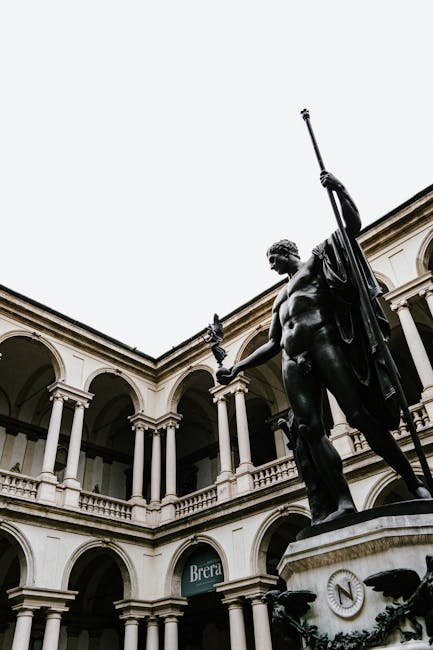
The Palazzo di Brera, located at Via Brera 28 / Via Brera 2, 20121 Milano depending on the entrance, is an impressive complex that houses several historic institutions: the Accademia di Belle Arti di Brera (Via Brera 2), the Biblioteca Nazionale Braidense (Via Brera 28), the Osservatorio Astronomico di Brera and exhibition spaces dedicated to research and conservation. The Accademia has trained generations of artists and continues to shape the neighborhood through courses, student exhibitions and lectures.
Hours and access: public areas of the Palazzo di Brera (courtyards, some temporary exhibitions, libraries) have varying opening times. Generally, the Biblioteca Braidense is open Tuesday to Friday, roughly 9:00 AM to 6:00 PM, with reading rooms available by registration; the Accademia di Belle Arti opens to the public for events and openings, but workshop access is often reserved for students. Entry fees for specific exhibitions usually range between €5 and €12.
What strikes you at the Palazzo is its studious atmosphere, a contrast to the tourist buzz outside. Wander the inner courtyard, admire the arcades and look for commemorative plaques that tell the place’s long story. Temporary exhibitions organized by the Accademia or the Biblioteca often focus on manuscripts, engravings or thematic pathways on Milan’s art history.
Practical tips: check the official websites of the Accademia di Belle Arti di Brera and the Biblioteca Braidense in advance to reserve access to a reading room or attend a lecture. Photocopying is regulated and often restricted to researchers; bring an ID if you plan to consult archival documents. For architecture lovers, spring and autumn provide ideal light for photographing the inner façades and sculpted details.
Orto Botanico di Brera and Picturesque Lanes
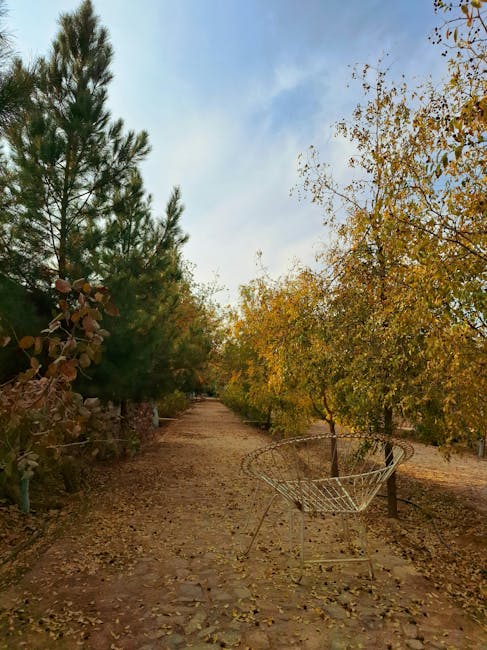
The Orto Botanico di Brera is a small but precious oasis at the heart of the neighborhood, located at Via Brera 28, 20121 Milano (access is often via the Palazzo di Brera). This historic botanical garden, founded in the 18th century, offers a peaceful contrast to the shopping streets: mature trees, neatly arranged beds, small greenhouses and shaded benches. It’s a perfect spot to pause between museum visits or to jot a few pages in your travel notebook.
Opening hours and fees: the garden’s hours vary with the season and university activities; generally it’s open during daylight hours, often between 9:00 AM and 5:00 PM (winter hours) and extended in summer. Access is often free or offered for a small contribution (sometimes €2 to €5 for guided tours or botanical workshops). The Accademia’s Herbarium occasionally runs themed visits (medicinal plants, historical herbaria).
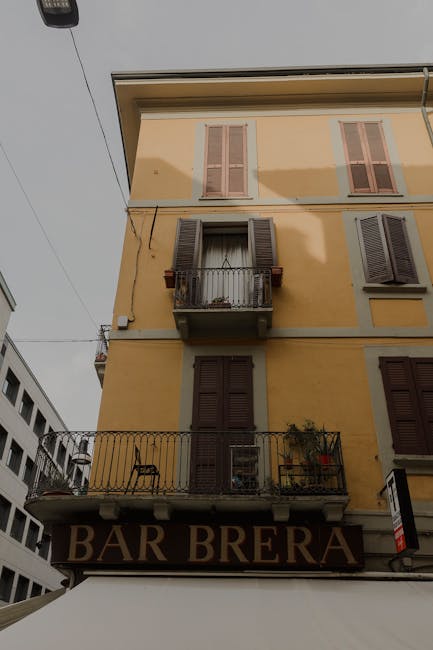
Wandering the lanes: after leaving the Orto Botanico, explore Via Fiori Chiari and Via Madonnina — streets where artisan shops sit alongside photography galleries and antique dealers. Piazza del Carmine and Via Brera reveal pleasant terraces and façades heavy with history. Take time to step into small inner courtyards: many house artists’ studios or specialist bookshops.
Practical tips: if you’re after unique souvenirs, prioritize artisans’ studios and galleries that sell limited editions and prints. For softer light and fewer crowds, walk early in the morning or late afternoon on weekdays. If you need shade or a quiet place to work, the garden is ideal, though July and August may bring access restrictions due to maintenance.
Churches and Monuments: Chiesa di San Marco, Chiesa di Santa Maria del Carmine and Hidden Gems
Brera isn’t just galleries and workshops: the neighborhood hides several churches and monuments of notable architecture. The Chiesa di San Marco (Via San Marco 2, 20121 Milano) presents a sober façade and an interior decorated with baroque works. It regularly hosts services and sacred music concerts. Mass and opening hours are typically 8:00 AM – 12:30 PM and 3:00 PM – 7:00 PM, but check schedules before you go, especially during religious holidays.
Nearby is the Chiesa di Santa Maria del Carmine (Piazza Del Carmine, 20121 Milano), known for its interior decorations and cultural events. The church is often open to the public during the day and stages concerts and exhibitions. Entry is usually free, though donations are welcomed for upkeep; some events may ask for a contribution of €5 to €10. The frescoes and side chapels are well worth a look for lovers of religious iconography.
Other monuments: look for the Casa degli Omenoni (Via degli Omenoni, just a short walk from Brera), a house adorned with large grotesque sculptures, and Piazza Mercanti if you’re willing to walk toward the Duomo. While some of these sites are technically in the historic center, they complement a themed walk of « Brera and surroundings. »
Practical tips: churches in the neighborhood are active places of worship. Respect service times, dress appropriately and ask before photographing inside. For concerts of early music or recitals, book in advance — these events draw loyal local audiences and seating can be limited. Attend an evening mass or vespers for a unique acoustic experience: the intimate sound of Brera’s small churches enhances voices and period instruments.

Cultural Life, Galleries, Cafés and Practical Tips for Enjoying Brera
Beyond monuments and museums, Brera is a lively neighborhood where much of Milan’s cultural life plays out on a small scale. Contemporary galleries like the Galleria Bergamini (Via Arco 10) and other independent spaces host rotating exhibitions; openings often take place on Thursday evenings, a prime time for collectors and curators to meet. Independent bookshops — especially those focused on art and fine arts — offer rare editions and books in Italian and English.
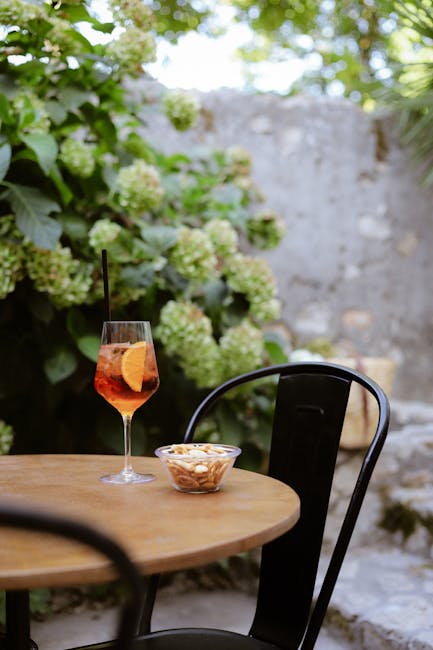
Cafés and restaurants: for a tasty break, try Caffè Fernanda (the café at the Pinacoteca di Brera, Via Brera 28) for a quiet museum cappuccino, or head down to Via Solferino for traditional trattorie and modern restaurants. Price examples: a cappuccino €2.50 – €4.00, lunch at a trattoria €12 – €25, a more upscale dinner €30 – €60 depending on the venue. For a classic Milanese aperitivo, expect €8 – €15 with a buffet.
Shopping and workshops: Brera overflows with design shops, small jewelers and ceramics studios. Prices vary widely: a small handcrafted item starts around €20, while a designer piece can cost several hundred euros. Don’t hesitate to chat with artisans — many will gladly explain their process and accept custom orders.
Practical tips for your visit:
- Tickets and reservations: book online for the Pinacoteca di Brera and any special events to avoid queues.
- Transport: Brera is an easy walk from the Duomo (10–15 minutes). Nearest metro stations: Montenapoleone (M3) and Repubblica (M3/M5) depending on where you’re coming from. Trams and buses also serve the area.
- Best time to visit: spring and autumn offer pleasant temperatures for strolling; in summer, favor early morning or late afternoon visits to avoid the heat.
- Safety: Brera is generally safe, but as in any city center, watch your belongings in crowded streets and at terraces.
- Accessibility: some historic areas and inner courtyards have cobbles and steps: wear comfortable shoes and check museum sites for accessibility information.
Suggested Half-Day and Full-Day Itineraries
Half-day itinerary (morning): start at the Pinacoteca di Brera (2 hours), coffee break at Caffè Fernanda (30–45 min), a walk in the Orto Botanico (30 min) and a wander along Via Fiori Chiari and Via Brera finishing with a quick visit to the Chiesa di San Marco. If time allows, cap it off with an aperitif on a piazza terrace.
Full-day itinerary: add a deeper visit to the Palazzo di Brera and its exhibitions (1 hour), visit the Biblioteca Braidense if possible (1 hour), lunch at a local trattoria (1 hour), then discover contemporary galleries in the afternoon and shop with artisans late in the day. End the day with a concert in one of the neighborhood churches or a relaxed dinner.
Conclusion: Why Brera Is Essential in Milan
Brera condenses Milan’s cultural essence into a surprisingly compact area. Between world-class museums, historic institutions, secret courtyards, palaces and cafés, it offers a complete experience for anyone wanting to understand the city beyond fashion’s storefronts. The richness of the Pinacoteca di Brera and the academic life at the Palazzo di Brera make the neighborhood a place where art history is not only preserved but lived, passed on by students, teachers and curators.
What sets Brera apart is its ability to be both highly cultural and profoundly human: you can admire a major work, step into a bookshop to leaf through a rare volume, then have a coffee with Accademia students within moments. The churches, small gardens and lanes provide contemplative pauses while contemporary galleries inject a current energy, making Brera a neighborhood that looks both backward and forward.
Practically, Brera is accessible, well-connected and suited to varied interests: quick visits, romantic strolls, photo excursions or in-depth art-focused days. The practical tips here — indicative hours, exact addresses, restaurant and itinerary recommendations — will help you get the most out of your visit. Don’t forget to check specific opening times and book online when possible, as certain exhibitions and cultural events may require advance reservation.
Ultimately, Brera is a must for anyone seeking to grasp Milan’s cultural identity. Whether you’re a collector, art student, photographer, architecture lover or curious traveler, the neighborhood offers a broad range of rich, complementary experiences. Take your time: wander, go in without hesitation, pause to study a fresco, listen to a recital or exchange a few words with an artisan. It’s often in those small encounters and detours that Brera reveals its true charm.