





Introduction: Milan’s foodie neighborhoods, between tradition and modernity
Milan isn’t just Italy’s capital of fashion and design — it’s a city where food tells a story neighborhood by neighborhood, from historic trattorie and fresh-produce markets to aperitivi along the canals and Michelin-starred restaurants. Getting lost in Milan’s alleys is like browsing a rich culinary map, where each area develops its own gastronomic personality. Throughout this exploration, local flavors take center stage: creamy saffron risottos, golden cotoletta alla milanese, fried panzerotti, artisan bakeries, cheesemongers and preserved specialties. Every neighborhood offers a unique sensory experience, blending aromas, textures, décor and history.
This article will guide you through four emblematic Milanese neighborhoods for food lovers: Navigli, the heart of aperitivi and canals; Brera, the bohemian quarter with fine dining; Paolo Sarpi (Chinatown) with its reinvented Asian flavors; and Isola/Porta Garibaldi, where modernity meets street food and new dining spots. For each area you’ll find full addresses, opening hours, price ranges, immersive descriptions of dishes and atmospheres, plus practical local tips — how to avoid the aperitivo queue, where to find the perfect coffee break, and how to travel light between markets and trattorie.
Milan’s culinary richness is also reflected in its monuments and squares: Piazza del Duomo and the Galleria Vittorio Emanuele II draw hungry visitors looking for historic cafés; the Darsena and the Naviglio Grande provide a romantic backdrop at sunset for aperitivo; while the Pinacoteca di Brera attracts art lovers and foodies seeking a refined lunch after a museum visit. Around every corner, local producers — bakers, butchers, fishmongers, charcutiers — tell the story of Lombardy through simple products and age-old know-how.
Finally, traveling to Milan in search of flavors is not just about tasting; it’s about observing, listening and exchanging. Open-air markets like the Mercato di via Fauche, initiatives by small producers, and chefs who revive forgotten recipes all contribute to keeping the city alive. Whether you’re here for a weekend or a longer stay, this guide will help you craft a coherent and sustainable gourmet itinerary, prioritizing authentic spots, practical opening hours and tips for a successful — and memorable — experience.
Navigli: canals, aperitivi and riverside specialties
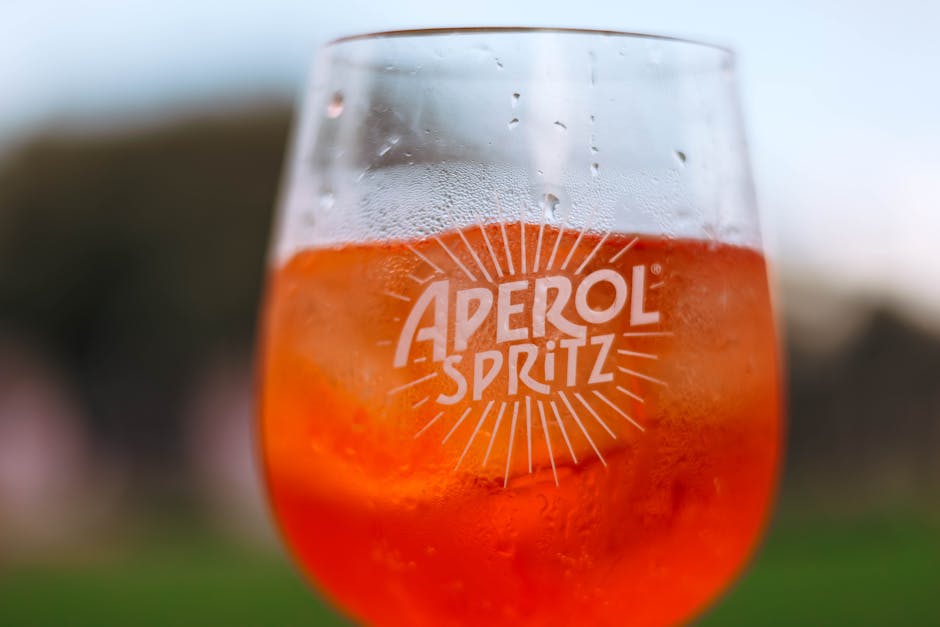
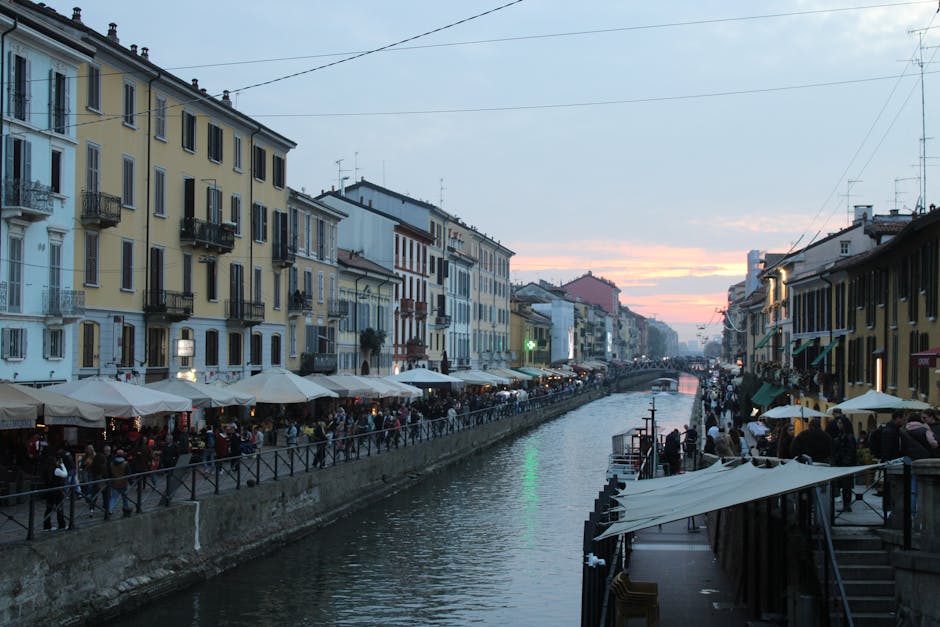
The Navigli neighborhood, centered around the Naviglio Grande and the Darsena (Piazza Ventotto Novembre / Piazza XXIV Maggio), is the must-visit area for aperitivo in Milan. The quays light up in the evening with outdoor tables; the vibe is young and festive, and bars offer generous buffets to accompany a spritz or a craft cocktail. A landmark spot: Rita & Cocktails (Via Angelo Fumagalli 1, 20143 Milano), famous for creative cocktails and tasty nibbles. Hours: typically 18:00–02:00 (season-dependent). Prices: cocktails 10–16 €, aperitivo buffet often included or an extra 8–15 €.
For a traditional trattoria, Osteria del Gnocco (Via Madonnina 12, 20123 Milano) serves homemade gnocchi, risotti and cotoletta. Hours: 12:00–14:30, 19:00–23:00. Prices: mains 12–25 €. Visually and aromatically, strolling along the Naviglio Grande at sunset, catching the smell of frying panzerotti and spotting little antique shops makes for a quintessential Milanese experience.
Practical tips: arrive early for a weekend aperitivo (from around 19:00) to avoid the crowds and secure a terrace table. For a less touristy walk, head to the north bank of the Naviglio Pavese toward Via Col di Lana, where you’ll find small, less frequented osterie. Parking and transit: the nearest metro station is Porta Genova (green line M2). Market lovers shouldn’t miss the Mercato di Via San Marco (locations vary by day), perfect for local produce and cured meats.
Brera and the Quadrilatero del Silenzio: art and neighborhood fine dining
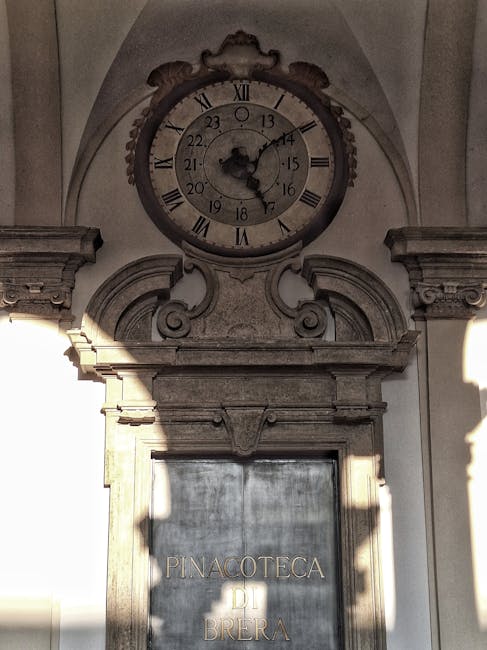
Brera is Milan’s bohemian, artistic quarter, dominated by the Pinacoteca di Brera (Via Brera, 28, 20121 Milano). Cobbled streets are lined with literary cafés, upscale restaurants and small delicatessens. Start your visit at the Pinacoteca di Brera (hours: 08:30–19:15, closed Monday; admission: around 15 €), then stroll down Via Fiori Chiari for a coffee break or a light lunch.
An essential Brera dining spot is Trattoria Torre di Pisa (Via Fiori Chiari 21, 20121 Milano) — a classic choice for Tuscan and Milanese dishes. Hours: 12:00–15:00, 19:00–23:30. Prices: antipasti 8–15 €, primi 12–20 €, secondi 18–30 €. For a more contemporary option, try Ristorante Nabucco (Via Fiori Chiari 10, 20121 Milano), where Lombard products meet creative touches. Hours: 12:00–15:00, 19:00–23:00. Prices: tasting menus 40–80 €.
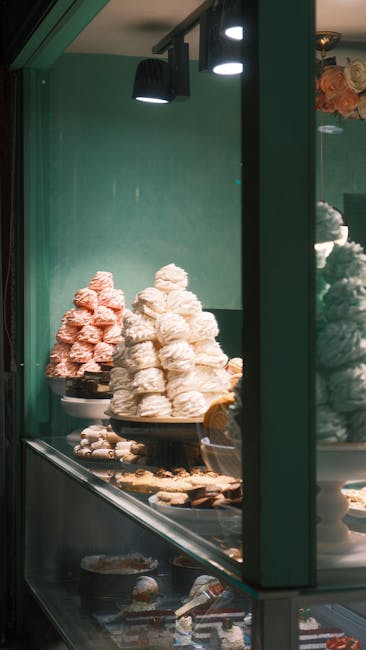
Brera’s sweet offerings are worth a detour too: Pasticceria Marchesi (Via Santa Maria alla Porta 11/A, 20123 Milano) is one of Milan’s oldest patisseries, perfect for tasting artisanal panettone, cannoli and fine pastries. Hours: roughly 08:00–20:00. Prices: espresso 2–5 €, pastries 3–8 €.
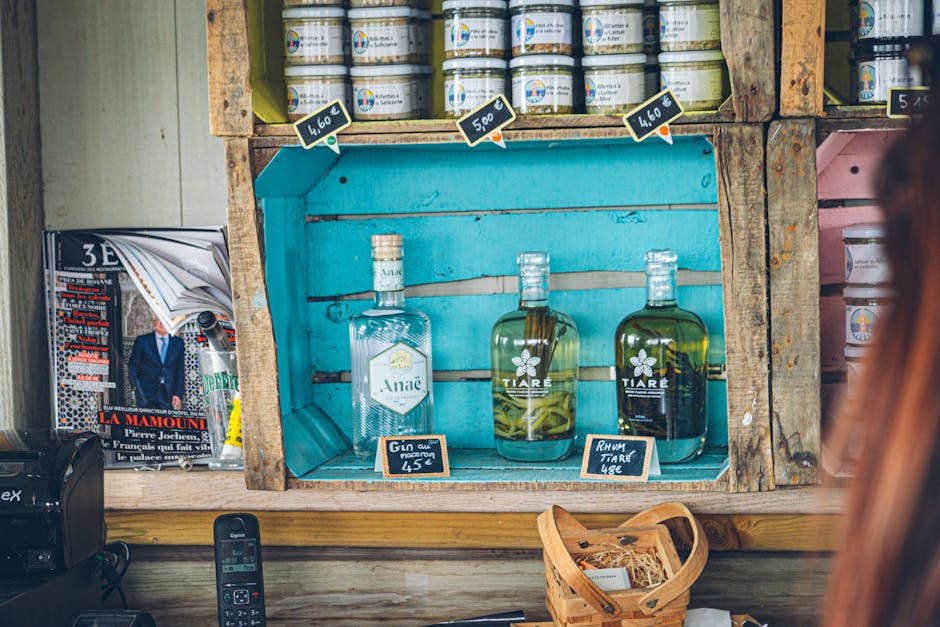
Tips: for a relaxed lunch, book a table before 13:00 or after 14:30 on weekdays. Enjoy a morning stroll around the Orto Botanico di Brera (Via Brera 28) and grab an espresso on a terrace before visiting the Pinacoteca. Brera’s alleys are full of delicatessens (salumerie) where you can buy cheeses like Taleggio or Lombard cured meats; don’t hesitate to ask the shopkeeper for recommendations on storage and tasting.
Paolo Sarpi (Chinatown) and Isola: spices, dim sum and fresh trends
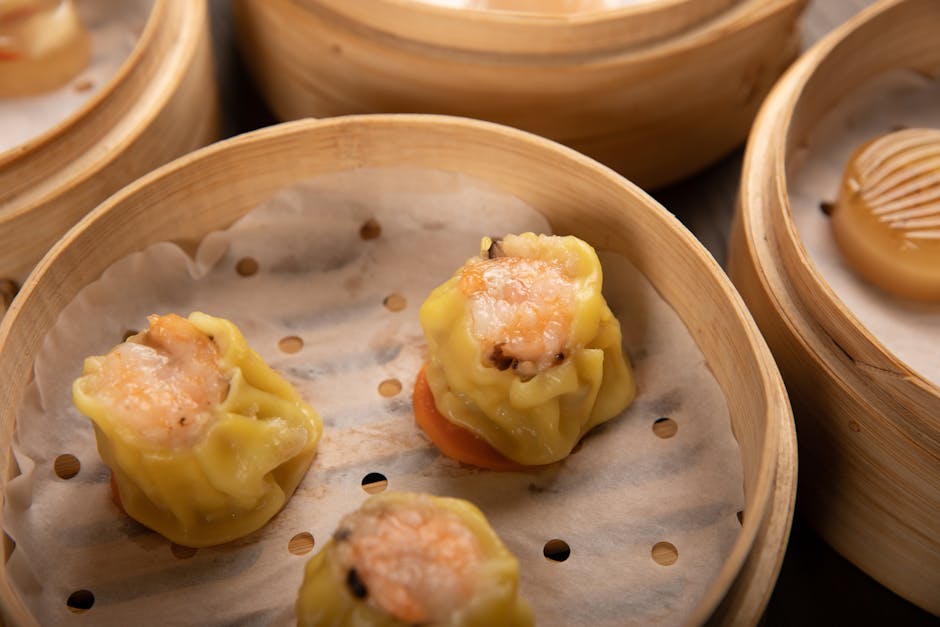
Via Paolo Sarpi is the heart of Milan’s Chinatown, a lively neighborhood mixing traditional Chinese shops, tea rooms, dim sum restaurants and Asian groceries. A typical spot: Via Paolo Sarpi, 20154 Milano (area). A common stop for dim sum is Ristorante Dim Sum House (Via Paolo Sarpi 32, 20154 Milano). Hours: 11:30–15:00, 18:30–23:00. Prices: dim sum 3–6 € per piece, shared menus 15–30 € per person.
Chinatown is also great for sourcing hard-to-find ingredients: sauces, handcrafted noodles, teas and Sino-Italian pastries. The culinary diversity blends well with Milanese influences: you’ll see Italian fritters sold next to bao and mooncakes. Practical advice: bring cash for small grocery shops; for many popular restaurants, book in the evening, especially on weekends.
A few metro stops away, Isola and the Porta Garibaldi area (Via Gaetano de Castillia and surroundings, 20124 Milano) embody contemporary Milan: trendy bars, food halls and restaurants by up-and-coming chefs. A flagship spot is Eataly Smeraldo (Piazza XXV Aprile, 10, 20154 Milano) — a large market-restaurant where you can sample cheeses, cured meats, fresh pasta and Italian-style sushi. Hours: usually 10:00–23:00. Prices: a pasta dish 12–20 €, fish mains 18–35 €.
Isola is perfect for culinary explorers searching for innovative street food: tiny Italian-taco shops, gourmet burgers and Neapolitan pizzerias share the scene with natural wine bars. Don’t miss the view of the Bosco Verticale (Via Federico Confalonieri 28 and 20, 20124 Milano), which provides a photogenic backdrop for a food stroll. For tighter budgets, look for « panini gourmet » sold for 6–10 € or mixed fried snacks (fritto misto) for 8–12 €.

Conclusion: building your gourmet itinerary in Milan
Visiting Milan for its food means embracing a constant mix of Lombard tradition and international influences. The neighborhoods covered — Navigli, Brera, Paolo Sarpi and Isola/Porta Garibaldi — offer a full spectrum of experiences: from canal-side aperitivi to refined dinners after a visit to the Pinacoteca, from markets full of local produce to dim sum and cutting-edge culinary trends. Each area has its peak times: evening aperitivo in Navigli, quieter lunches in Brera, lively dinners in Paolo Sarpi and continuous offerings in Isola’s food halls.
To get the most out of your trip, here are some practical summary tips: always check opening hours (restaurants may change seasonally), book for dinner at popular places, favor gentle mobility (M2 metro for Navigli/Porta Genova; M3 for Duomo–Brera; Garibaldi stations for Isola), and carry a small bag for market purchases. Prices listed in this article are indicative ranges: menus can vary with the season, ingredients and each venue’s policy. Don’t hesitate to ask for « il conto » (the bill) and to inquire about the daily specials (piatto del giorno), often the best way to taste fresh products at a reasonable price.
Finally, keep an experimental spirit: a simple coffee in a historic pâtisserie, a slice of artisanal panettone or a shared appetizer during aperitivo can become your most memorable moments. Milan is discovered with the senses; let aromas, the clink of ice in a spritz and laughter on the quays guide you. Enjoy your gourmet trip to Milan — and buon appetito!