





Introduction — Why Milan is the capital of design concept stores
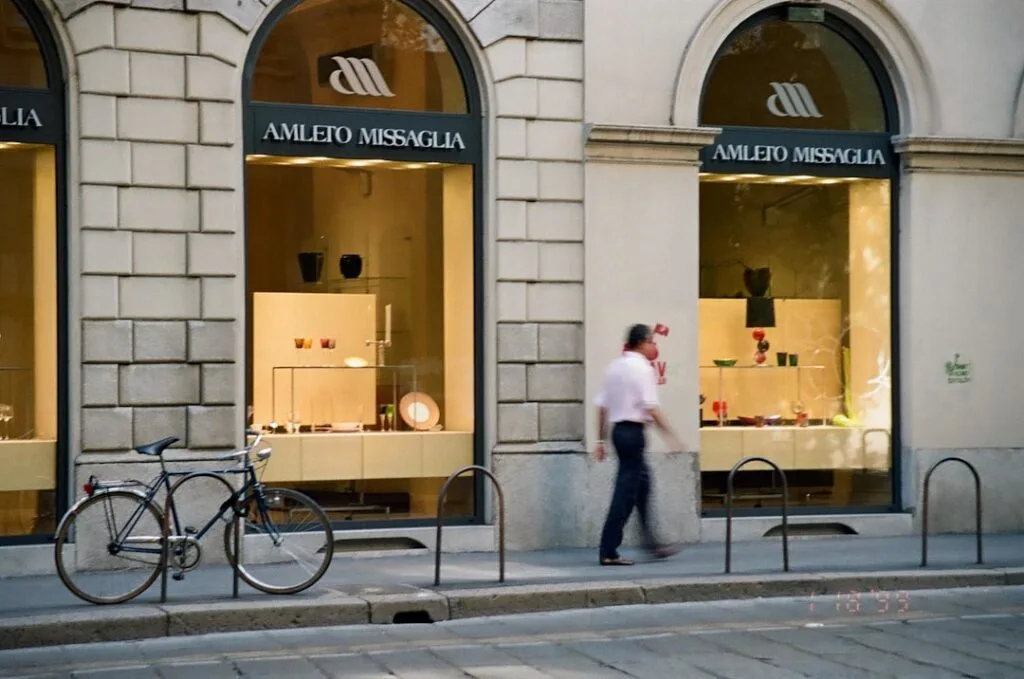
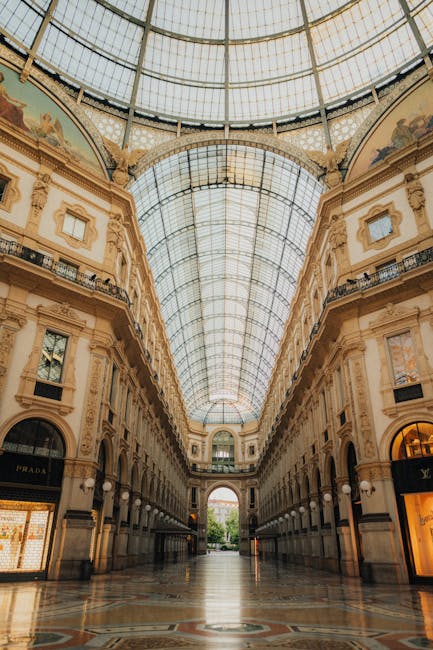
Milan isn’t just Italy’s financial hub — it’s a perpetual testbed for design, fashion and retail staging. From the Triennale to the Salone del Mobile showrooms, the city keeps reinventing how objects, clothes, artworks and furniture are presented. Concept stores play a central role: they don’t just sell products, they tell stories, craft environments and stage experiences. This guide takes you through Milan’s must-see design concept stores — places that celebrate aesthetics, material research and retail innovation.
A well-conceived concept store blends merchandising, scenography and cultural programming. In Milan, these spaces range from archive-like shops that honour artisanal heritage to experimental showrooms mixing limited editions, artworks and cafes. You’ll find boutiques championing emerging Italian designers, others importing a curated selection of international brands, and hybrid venues that act as gallery-shop, studio and exhibition space all at once. Each visit becomes a discovery: items are contextualized within a luminous universe, specific material choices, explanatory labels and sometimes a café where conversations can continue.
This guide is aimed at the curious visitor — designers, architects, buyers, tourists or anyone with an eye for aesthetics — who wants to explore the city in search of singular addresses. You’ll find practical details (exact addresses, opening hours, price ranges), immersive descriptions (ambience, scenography, standout pieces) and local tips to optimize your route, avoid busy times and spot the best finds. The tone is informative and professional, with enough detail to plan a full day of exploration.
Before you set out: dress comfortably (floors can be smooth concrete or old stone slabs), download an offline map or carry a physical one, and leave room in your luggage. Prices vary widely — from small affordable accessories (€15–50) to furniture or limited editions that can run into the thousands. Respect each venue’s photography rules (some galleries or spaces forbid photos). Finally, combine your visits with a quick lunch at a local café or an espresso on the go: Milanese concept stores like to be at the heart of the city’s rhythm.
10 Corso Como — The essential pioneer (Corso Como 10)
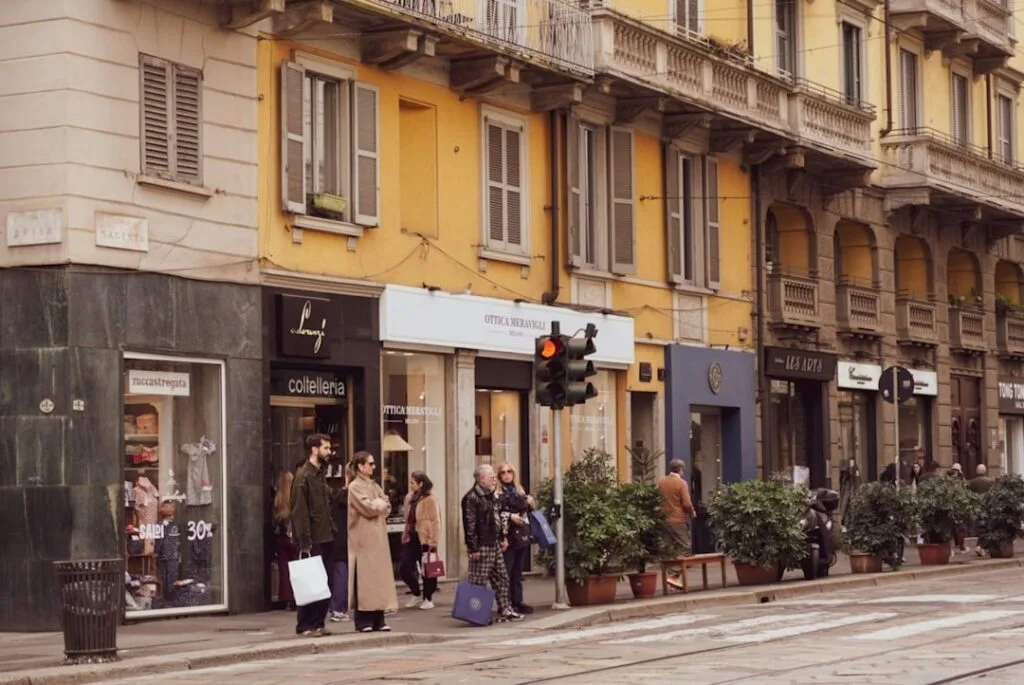
10 Corso Como is often credited with launching a new way of imagining cultural retail in Milan. Founded in 1991 by Carla Sozzani, the venue combines an art gallery, a bookstore, fashion boutique, café and inner garden. Exact address: 10 Corso Como, 20154 Milano. Opening hours: daily, typically 11:00–19:30 (times vary by season; check the official site before your visit). Typical prices: small publications and accessories €20–150, ready-to-wear €150–2,500, furniture and collectible pieces €500–20,000+ depending on rarity.
The space is spread across several levels with a courtyard garden that invites lingering. The bookstore offers a sharp selection of art, architecture and design titles; the window displays change regularly to reflect temporary exhibitions and artistic collaborations. The scenography plays on the juxtaposition of contemporary objects and archives, creating a visual narrative that hooks you from the moment you step in. The shop favors limited editions, exclusive collaborations and emerging designers — an important detail if you’re hunting for a rare piece for your home or a meaningful gift.
Practical tips: visit on a weekday to avoid weekend crowds, and allow 45–90 minutes if you want to browse the bookstore, gallery and café. The café-restaurant at 10 Corso Como lists items à la carte: espresso €2–4, pastries €4–8, light dishes €12–30. Card payments are accepted, but keep some cash for incidental purchases. Photography is generally allowed, but respect marked areas and temporary exhibitions that may restrict images.
Spazio Rossana Orlandi — Brera’s creative laboratory (Via Matteo Bandello 14)
Spazio Rossana Orlandi is an iconic Milanese address in the artistic Brera district: Via Matteo Bandello 14, 20123 Milano. Opened in 2002, the space functions as gallery, showroom and launch platform for young Italian and international designers. Opening hours: Tuesday–Saturday 10:30–19:30; closed Sunday and Monday (times may vary for special events and during Milano Design Week). Typical prices: design objects €50–5,000; sculptural pieces and limited editions €1,000–30,000.
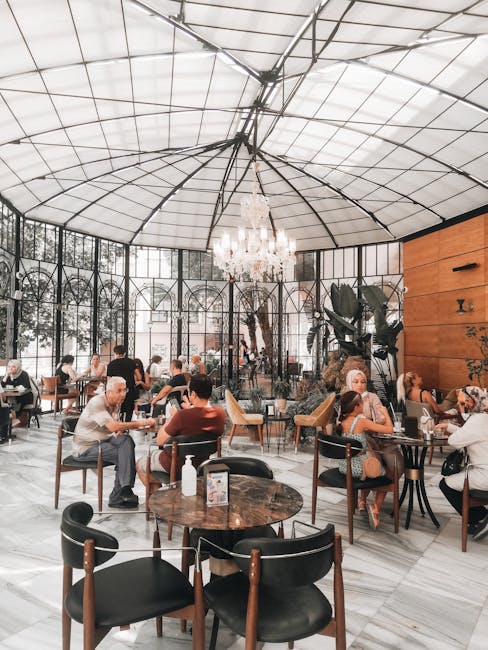
The atmosphere is warm and carefully staged: lightboxes, patinated wooden shelving, suspended installations and a selection of often previously unseen pieces. Rossana Orlandi is renowned for spotting talent before it reaches international prominence — you can discover unique creations, prototypes and artisanal projects here. The venue hosts temporary exhibitions, talks and presentations during Design Week, but its program remains active year-round with appointments for industry visitors on request.
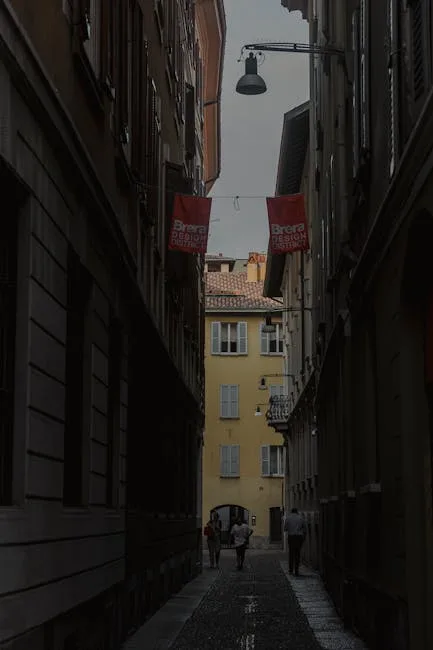
Visiting Spazio Rossana Orlandi feels like stepping into a modern cabinet of curiosities. The team is used to international buyers; ask for technical sheets on pieces that interest you (materials, edition, price) and enquire about shipping options — many boutiques offer international delivery with fees based on volume and destination. Local tip: pair the visit with a stroll through Brera’s narrow streets and finish with a coffee at Bar Brera for a full neighbourhood immersion.
Antonia — A sharp edit of fashion and design (Via Cusani 5)
Antonia is a go-to concept store for fashion and design buyers seeking a minimalist but demanding selection. Address: Antonia, Via Cusani 5, 20121 Milano. Opening hours: Tuesday–Saturday 11:00–19:30; closed Sunday and Monday (check special hours during holidays). Prices: accessories €50–400, clothing €200–3,500, collaborations and design objects €150–5,000.
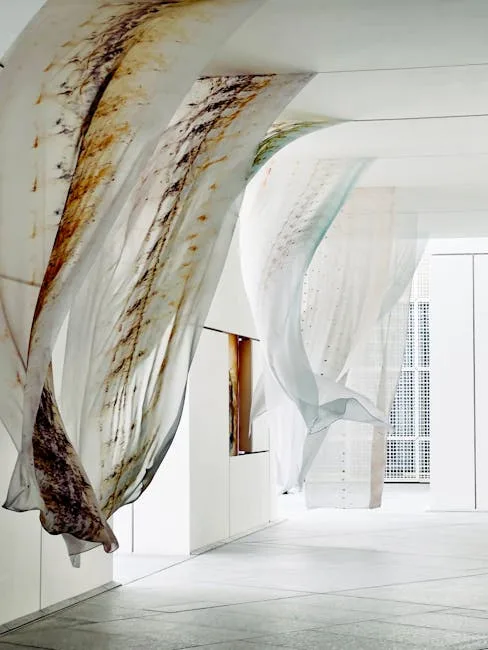
The space is defined by a very clean presentation: white walls, controlled lighting and neutral fixtures that put the pieces front and center. Antonia regularly collaborates with contemporary designers and emerging fashion houses, sometimes offering limited editions and decorative objects chosen for their craftsmanship. Staff are usually multilingual and provide attentive service — useful for understanding a piece’s origin or the materials used.
Tips: if you’re after a contemporary Milanese accessory — bags, modern jewellery, small ceramics — Antonia is a solid pick. For major purchases, ask about international return policies and how to reserve items displayed in the window. The area around Via Cusani is central: you can easily combine the visit with a walk to the Duomo (about 10–15 minutes on foot) or nearby galleries.
La Rinascente Duomo — The city’s design department store (Piazza del Duomo 20121)
La Rinascente isn’t a concept store in the strict sense, but its Duomo-side department store (Piazza del Duomo 20121 Milano) deserves a mention because it houses noteworthy design selections. Opening hours: Monday–Saturday 9:30–20:00; Sunday 10:00–20:00 (hours may vary seasonally). Prices: wide range — small design objects €10–150, designer appliances €100–1,500, furniture and lighting €300–10,000+. The top floor, the Food Hall and the rooftop terrace offer spectacular views of the cathedral, making it a hybrid shopping-tourist stop.
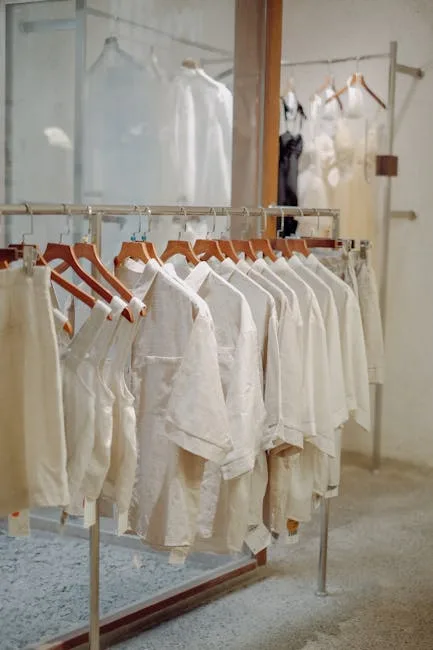
La Rinascente features corners dedicated to Italian and international design, with a mix ranging from heritage brands to young studios. The Home and Design departments highlight lighting, textiles, tableware and selected accessories. It’s an excellent place to compare products, prices and materials under one roof — especially useful if you’re short on time or want a more versatile shopping experience. The store also offers gift wrapping, international shipping and gift cards — handy if you’re bringing home bulky pieces.
Local tip: head to the rooftop (usually open during store hours) for a coffee with a view of the Duomo — espresso €2–4, sandwiches €6–12. At sunset the rooftop is a popular photo spot and can get crowded; plan to visit early morning or late afternoon for a calmer experience.

Routes and practical tips for a day of concept stores
Planning a day of concept store visits in Milan takes a bit of organization: the city is compact, each shop rewards a slow visit, and distances between some spots will force you to choose. Here are two sample routes and practical recommendations to get the most out of your day.
- Historic centre route (slow format — half day): Start at La Rinascente (Piazza del Duomo) for a quick overview of design brands, then walk to Antonia (Via Cusani 5) for a minimalist fashion/design edit. Finish with a quick lunch near Brera, then spend the afternoon at Spazio Rossana Orlandi (Via Matteo Bandello 14). Estimated duration: 4–6 hours. Benefit: minimal travel, deep dive into Brera and the historic core.
- Creative route (full day): Begin at 10 Corso Como (Corso Como 10) in the morning — allow 1–2 hours — then stroll through the Navigli area for lunch and to browse small antique shops. In the afternoon, return to Brera for Spazio Rossana Orlandi and other galleries. Estimated duration: 7–9 hours. Benefit: mix of design and fashion with the riverside charm of Navigli.
Practical tips:
- Transport: the metro network (MM1, MM2, MM3) covers the centre well; a single ticket costs around €2 (valid for 90 minutes). Uber and taxis are available, but avoid rush hours (08:00–09:30 and 17:30–19:30) to save time.
- Payment: most concept stores accept international cards, but carry some cash for small independent shops or pop-ups (€10–30 recommended).
- Language: English is commonly spoken in design venues, but a few words of Italian (hello — buongiorno, please — per favore, thank you — grazie) always help.
- Packing & shipping: ask about delivery or international shipping options before buying bulky items. More established shops often provide insured shipping services.
- Photography: follow signage. Galleries may ban flash and sometimes photography altogether to protect artworks.
Conclusion — How to make the most of Milan’s concept store scene
Milan offers a rich palette of concept stores where design, fashion and culture meet. To get the most from your visits, adopt a curious and patient approach: don’t just hunt for the must-have object, look for the story behind each piece. Milanese concept stores emphasize context, material quality and the relationship between object and audience. That also means you’ll often engage directly with passionate shop staff, curators and sometimes the designers themselves. These conversations are a valuable source of information — provenance of materials, manufacturing techniques, edition sizes and care advice.
Plan your route by pairing iconic spots with more confidential discoveries: 10 Corso Como and Spazio Rossana Orlandi for historical and curatorial depth, Antonia and La Rinascente for compact, accessible selections. Allow time to pause: Milan’s cafés and small squares invite visual digestion and decision-making before a major purchase. If you’re visiting during Milano Design Week (April), expect late openings, special events and pop-ups — it’s the best time to see prototypes and attend talks, but be prepared for crowds.
Finally, remember that the true charm of Milanese concept stores lies in the variety of approaches: some prioritize rarity and exclusivity, others offer thoughtful, everyday selections. Whether you’re after a sculptural lamp, a handmade ceramic or a minimalist fashion accessory, Milan will provide considered and inspiring options. Take notes and photos where allowed, exchange contact details with shops to follow upcoming shows, and let yourself be surprised: the city rewards curiosity with great encounters and objects that tell a story.