




Introduction — A Deep Dive into Milanese Food
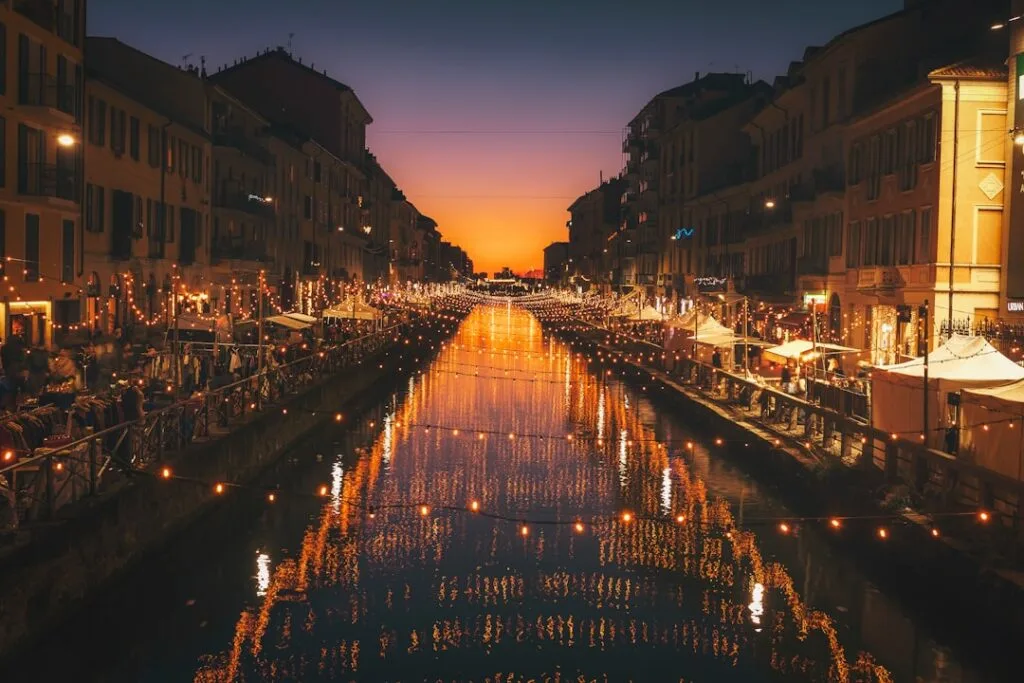
Milan isn’t just Italy’s capital of fashion and design: it’s also a city whose cuisine reflects a rich past, Lombard influences, and a strong commitment to local produce. Milanese cooking is known for comforting dishes, often generous with butter, broth and cheese — a legacy of long northern winters and peasant traditions that celebrate rice, saffron and slow-braised meats. In Milan, eating is as much a sensory experience as a social ritual — rooted in historic cafés, neighborhood trattorie and starred restaurants.
This article is a complete guide to the 10 must-try dishes of Milanese cuisine and the stories behind them. For every dish you’ll find a detailed description, its origin and evolution, recommendations for where to taste the real thing in Milan with exact addresses, price ranges in euros, opening hours and practical tips. Whether you’re a curious traveler, a demanding foodie or an expat searching for authenticity, this guide will help you plan memorable culinary stops and understand why certain dishes have become icons of Milanese identity.
Milanese dishes often come from a crossroads of rural traditions and urban influence. Risotto alla Milanese, scented with saffron, is linked to celebrations and large feasts; ossobuco grew out of a make-the-most-of-it approach to beef and rose to refined status, traditionally paired with the same risotto. Sweets like panettone tell stories of families and artisan guilds. Other specialties — cotoletta alla Milanese, cassoeula, mondeghili (meatballs) — are examples of seasonal, resourceful cooking that make the most of every cut and vegetable from the region.
This guide isn’t just a list of dishes: it’s a food route through the city. Each recommendation includes precise addresses, hours and price brackets so you can organize your meals without surprises. You’ll find family-run trattorie, historic bistros and contemporary spots that reinterpret classics. Local tips will help you pick the right wine, avoid peak times and understand portion sizes. Ready your appetite: let’s explore the ten dishes that embody Milan’s flavors.
1. Risotto alla Milanese — The Golden Jewel
Origin and history
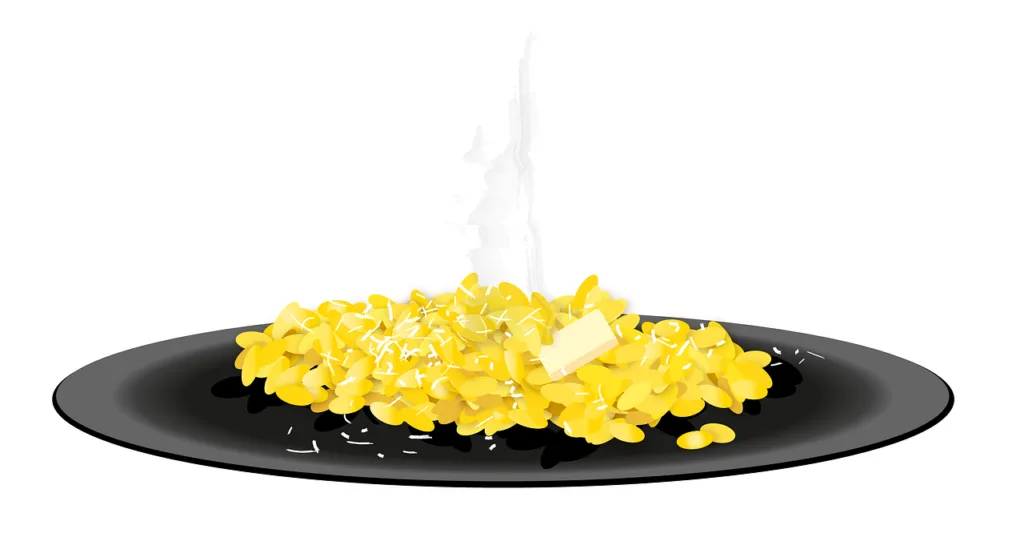
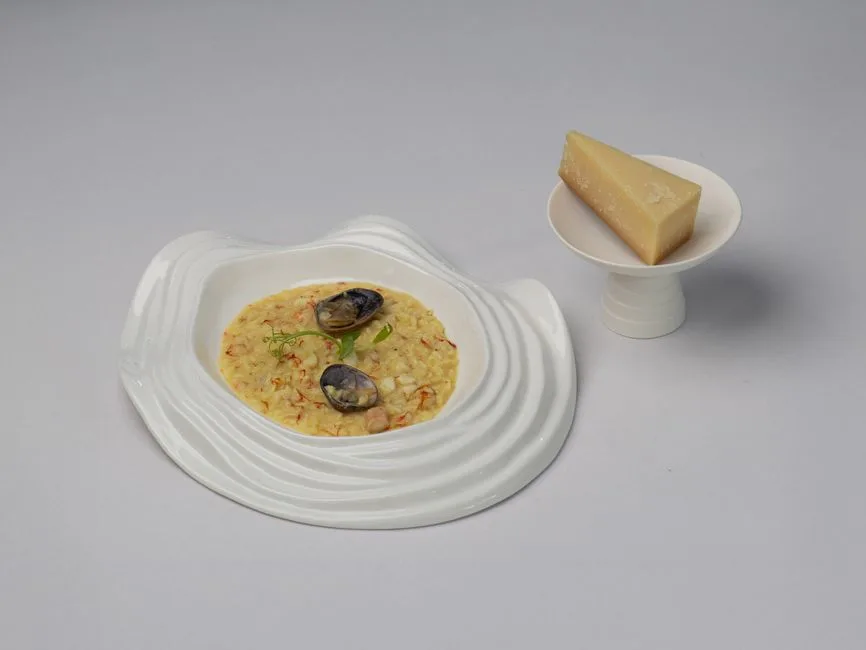
Risotto alla Milanese is arguably the city’s most iconic dish. Its golden hue comes from saffron — historically a luxury that gives the rice its distinctive color and aroma. Several legends surround its invention: the most famous tells of a glassblower’s apprentice who added saffron to rice to impress at a wedding; others credit church cooks and 16th-century banquet chefs. In Milan it symbolizes elegance and the ability to turn simple ingredients into a festive dish.
Recommended spot
Ristorante Da Giacomo
Address: Via Pasquale Sottocorno, 6, 20129 Milano MI, Italy
Price range: Risotto alla Milanese €18–26 (main portion), antipasti €10–18, mains €20–40
Hours: Open Monday to Saturday 12:30–14:30 / 19:30–23:00, closed Sunday
Description: Da Giacomo is an elegant, historic restaurant known for its classic take on risotto — creamy, with distinct separate grains and a deep saffron aroma. Formal service, art-deco décor, mixed clientele of locals and visitors. Book ahead for evenings and weekends.
Local tip: Ask for your risotto « all’onda » — a slightly fluid, silky texture. Pair it with a glass of Franciacorta or a good Pinot Bianco to balance the saffron.
2. Ossobuco alla Milanese — The Special-Occasion Dish
Origin and history
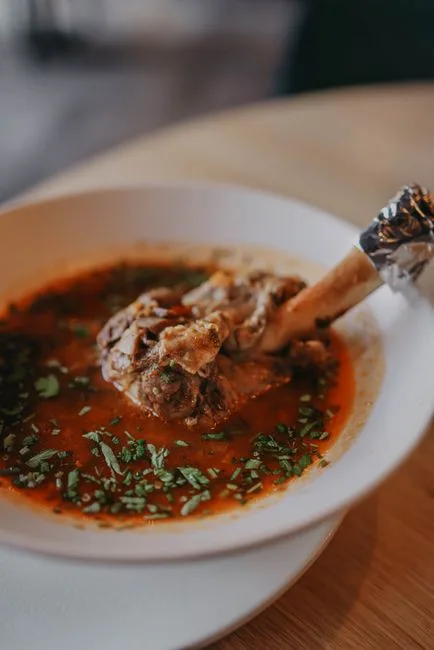
Ossobuco (bone with marrow) comes from the tradition of making the most of less-prized cuts. Slow-cooked in white wine, broth and aromatics, the shank becomes tender and juicy. Traditionally served with risotto alla Milanese, ossobuco embodies the meeting of rustic heartiness and refinement. « Alla Milanese » often includes a gremolata — a mix of lemon zest, garlic and parsley — which adds freshness and brightness.
Recommended spot
Trattoria Trippa
Address: Via Giorgio Vasari, 5, 20135 Milano MI, Italy
Price range: Ossobuco €22–30, set menus €30–45
Hours: Open Tuesday to Saturday 12:00–15:00 / 19:30–23:00, closed Sunday and Monday
Description: Trippa is a modern trattoria faithful to classics. Their ossobuco is slowly braised, meltingly tender, served with gremolata and risotto or polenta. Warm, convivial atmosphere and seasonal menu rotation.
Local tip: If possible, order the ossobuco for two to share; don’t miss tasting the marrow from the bone — a local delicacy.
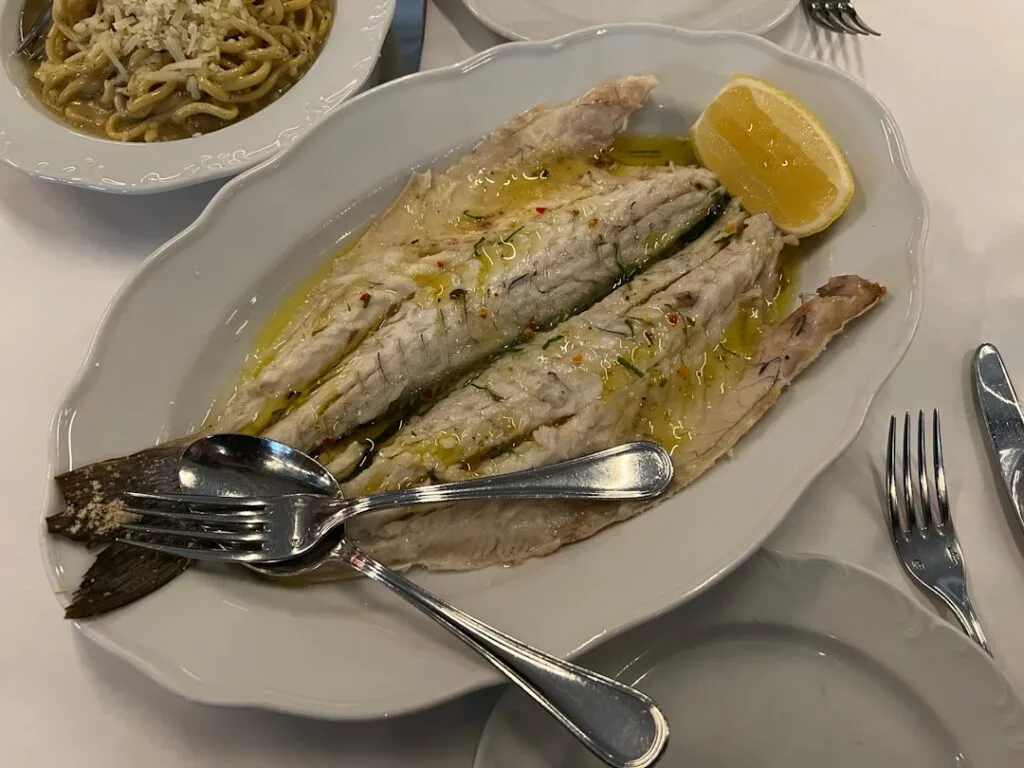
3. Cotoletta alla Milanese — The Crispy Cutlet
Origin and history
Cotoletta alla Milanese is a veal cutlet breaded and fried, often cooked on the bone and served golden and crunchy. Some historians connect it to the Austrian « Wiener schnitzel, » while others argue it has deep Lombard roots predating the Austro-Hungarian era. The technique involves coating the meat in breadcrumbs (sometimes after dipping in egg) and frying it in clarified butter to achieve a thin, flavorful crust.
Recommended spot
Trattoria Milanese
Address: Via Santa Maria alla Porta, 11/a, 20123 Milano MI, Italy
Price range: Cotoletta alla Milanese €18–27, sides €4–8
Hours: Open daily 12:00–15:00 / 19:00–23:00
Description: A historic central address, known for generous portions and a traditional cotoletta. Often served whole (and sometimes very large) or in individual portions depending on the dining room. Family-style atmosphere.
Local tip: Ask for the cotoletta « con l’os » for the classic experience. Pair it with a green salad or roasted potatoes and a glass of Nebbiolo.
4. Panettone — Milan’s Festive Cake
Origin and history
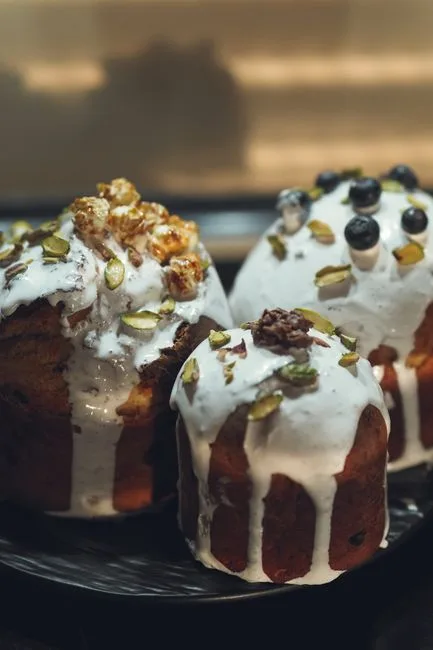
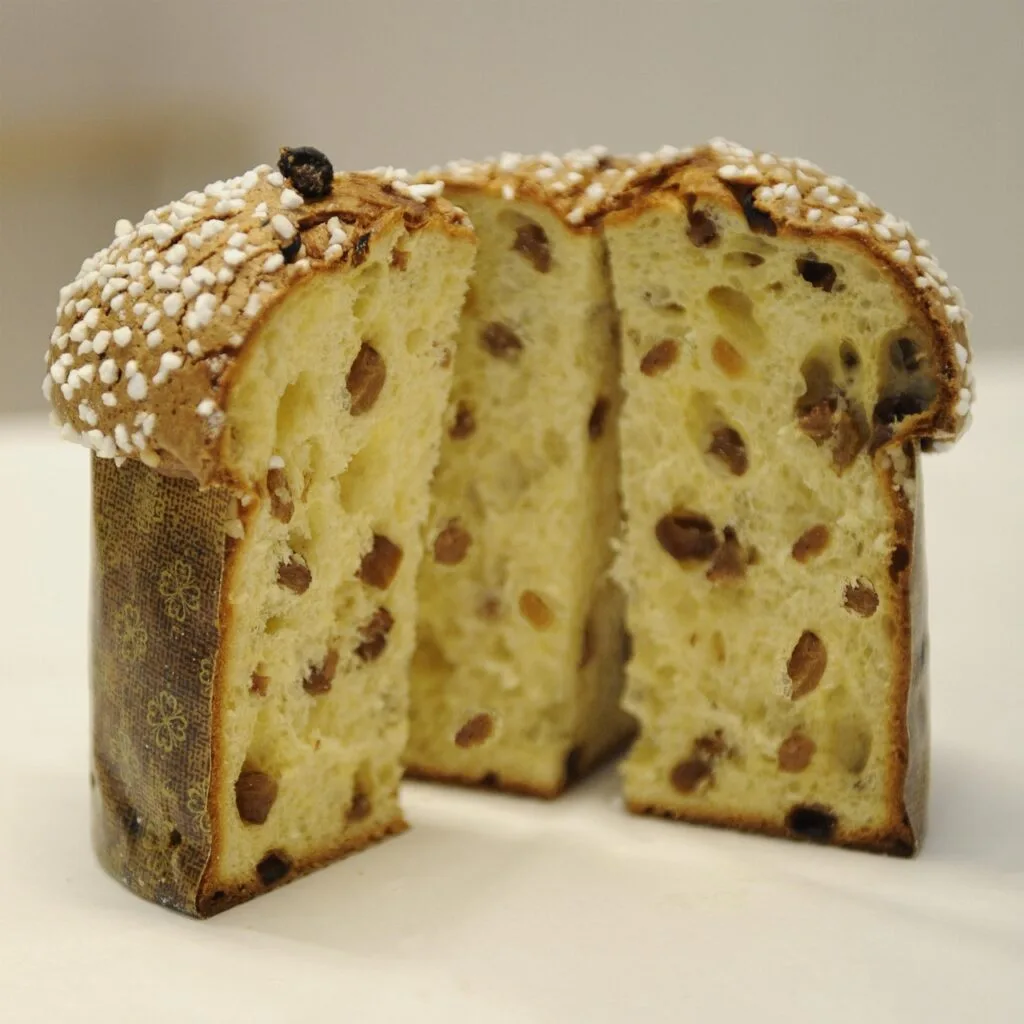
Panettone is Milan’s symbolic Christmas cake. Often traced to medieval or Renaissance origins, tradition credits a Milanese baker who enriched a celebratory bread with raisins and candied fruit. Its preparation requires long leavening, sometimes over several days, to achieve an airy, fragrant crumb. Milanese pastry houses have turned panettone into a product of excellence, recognizable by its tall shape and stringy texture.
Recommended spot
Pasticceria Marchesi
Address: Via Santa Maria alla Porta, 11/a (historic shop), 20123 Milano MI, Italy — other locations: Galleria Vittorio Emanuele II, Piazza del Duomo 20121 Milano MI
Price range: Traditional panettone (1 kg) €28–45, slices €3–6
Hours: Via Santa Maria alla Porta 8:30–19:30 (some shops closed Sunday), Galleria 10:00–20:00 depending on season
Description: Marchesi is one of Milan’s oldest and most renowned pastry shops. Their panettoni are artisanal and offered in various versions (classic, chocolate, citrus). High-quality ingredients and elegant packaging — perfect as a gift.
Local tip: Buy an original panettone to take home and enjoy it warm in the morning with a cappuccino. In December, pre-order special editions.
5. Cassoeula — The Popular Winter Stew
Origin and history
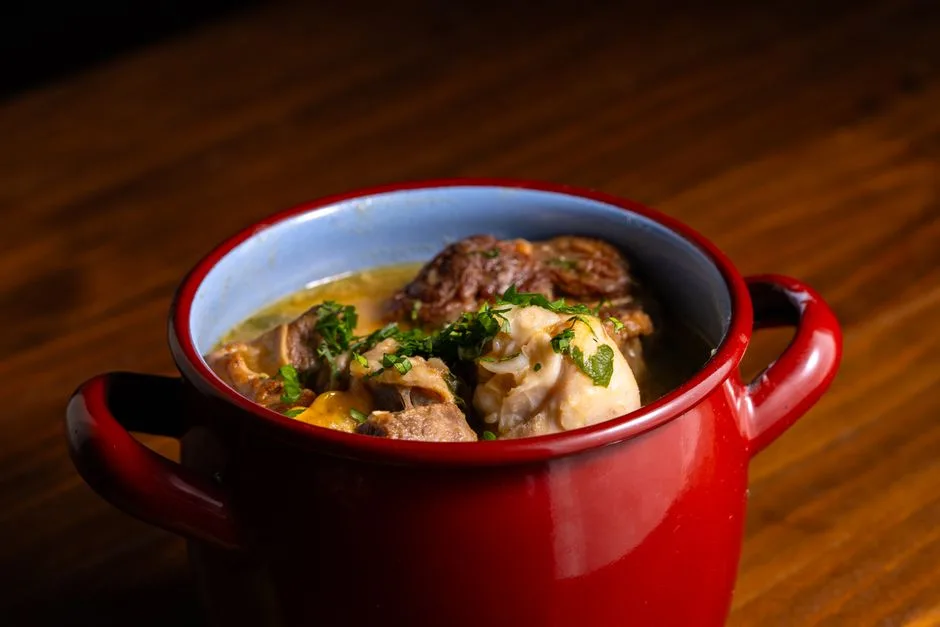
Cassoeula is a rustic winter dish made with cabbage and pork cuts (ribs, trotters, sausages). Born from Lombardy’s peasant tradition, it was served after pig slaughtering and is a concentrated expression of robust, comforting flavors. Slow cooking lets the tastes meld: the cabbage becomes tender and slightly sweet, the meat falls apart, and the broth turns rich and consoling.
Recommended spot
Osteria del Treno
Address: Via G. B. Pirelli, 10, 20124 Milano MI, Italy
Price range: Cassoeula €15–22 (depending on portion), antipasti €6–12
Hours: Open Tuesday to Sunday 12:00–14:30 / 19:00–23:00, closed Monday
Description: Osteria del Treno serves a faithful version of cassoeula, typically accompanied by polenta or rustic bread. Rustic, welcoming atmosphere — ideal for a winter meal.
Local tip: Cassoeula is seasonal (autumn/winter). If it’s a must for you, check availability — some places only serve it during the cold months.
6. Mondeghili — Traditional Meatballs
Origin and history
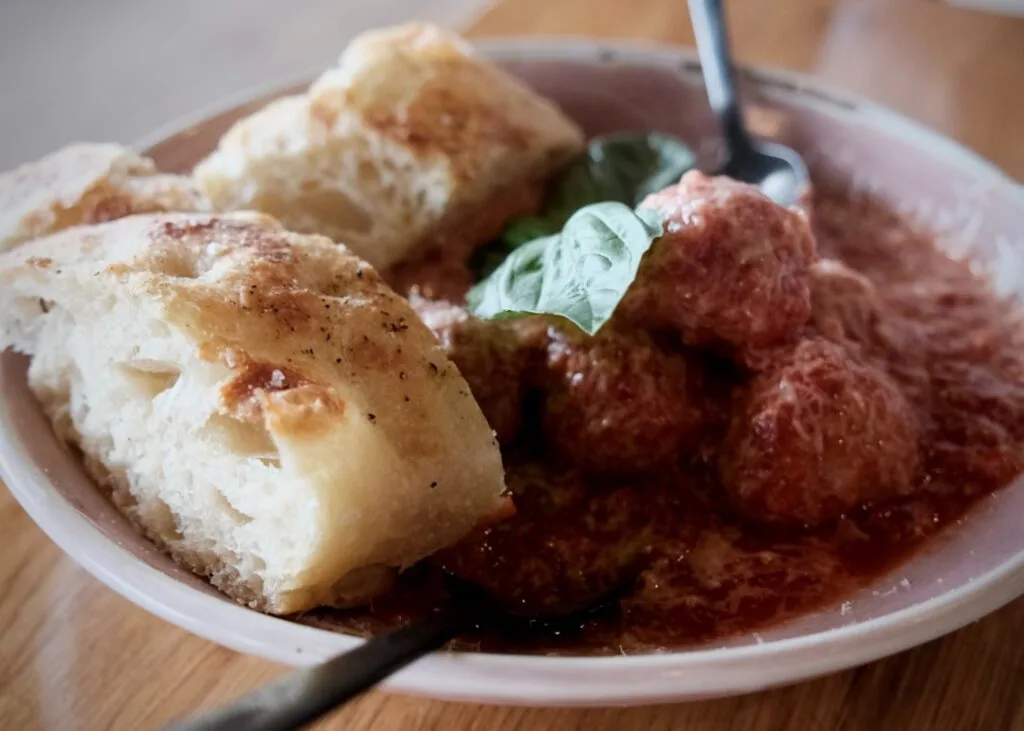
Mondeghili are typical Milanese meatballs born from the art of reusing leftovers (roasted meats or scraps). Shaped by Spanish and Austrian influences over the centuries, they blend minced meat, soaked bread, eggs, spices and sometimes lemon. Small, flavorful and often served as an antipasto, mondeghili showcase Milan’s knack for turning little into a lot.
Recommended spot
Osteria dell’Acquabella
Address: Via Luini, 3, 20123 Milano MI, Italy
Price range: Mondeghili €8–12 (portion), shared antipasti €10–18
Hours: Open Tuesday to Saturday 12:30–14:30 / 19:00–23:00, closed Sunday and Monday
Description: This tiny osteria serves old-fashioned mondeghili, crisp outside and tender inside, often accompanied by a light tomato sauce or a lemony dip.
Local tip: Perfect with an aperitivo; pair them with a glass of Lambrusco for a convivial touch.
7. Panzerotti — Milanese Street Food (Originally from the South)
Origin and history
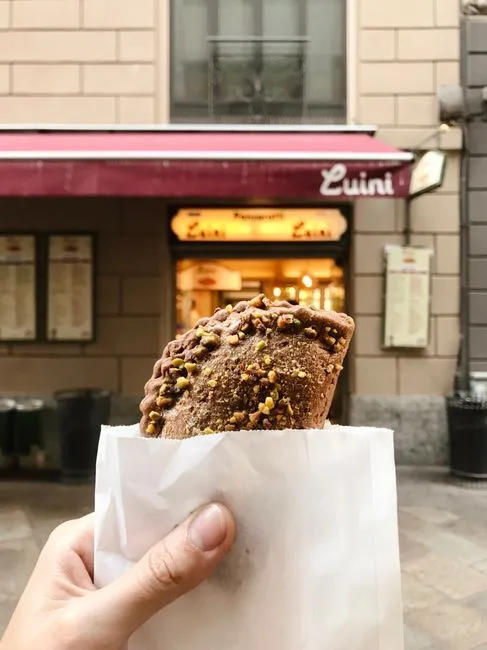
Panzerotti are small pockets of fried dough traditionally filled with tomato and mozzarella. Though they originate in southern Italy, panzerotti found a home in Milan thanks to internal migration and the city’s urban snack culture. Today they’re a street-food staple in Milan — quick, comforting and satisfying.
Recommended spot
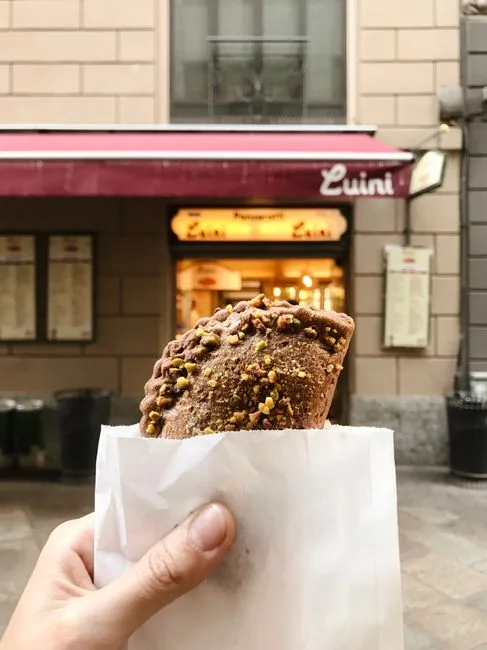
Luini — Panzerotti
Address: Via Santa Radegonda, 16, 20121 Milano MI, Italy (near the Duomo)
Price range: Classic panzerotto €3–5, variations €4–7
Hours: Open daily 10:00–20:00 (hours can vary during holidays)
Description: Luini is an institution near the Duomo, famous for hot panzerotti made to order. Long lines are common but service is quick. Sweet and savory options available.
Local tip: Perfect as a grab-and-go snack after visiting the Duomo. Eat it hot — the stretchy mozzarella is the best part.
8. Gorgonzola and Polenta — Lombardy’s Comfort Pairing
Origin and history
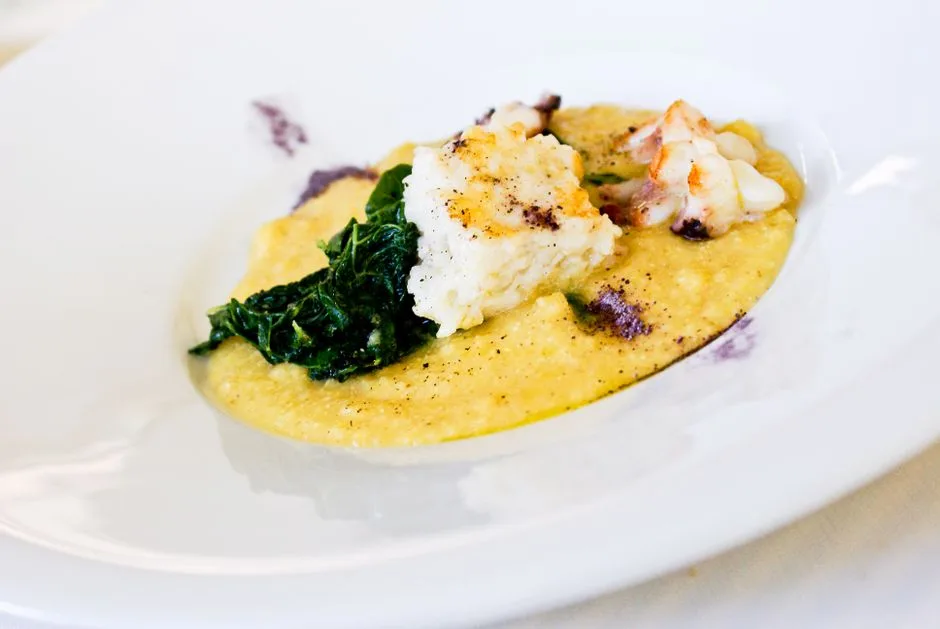
Polenta, a staple of many northern Italian cuisines, pairs perfectly with the region’s bold cheeses. Gorgonzola, from the area around Milan/Gorgonzola, is a creamy blue cheese that brings richness and character. Served warm over buttery polenta, it’s a rustic, warming dish often finished with a drizzle of honey or a sprinkle of walnuts.
Recommended spot
Ristorante Al Mercante
Address: Corso di Porta Ticinese, 30, 20123 Milano MI, Italy
Price range: Polenta with gorgonzola €12–18, mains €18–35
Hours: Open Monday to Saturday 12:00–15:00 / 19:00–23:00, Sunday 19:00–23:00
Description: Al Mercante offers creamy polenta topped with local gorgonzola, sometimes accompanied by mushrooms or sausage. The balance between the cheese’s richness and the polenta’s neutrality is well handled.
Local tip: Try it with a glass of Barbera to cut through the cheese’s fattiness. Ask for polenta « molto cremosa » if you prefer a very silky texture.
9. Panino con la Cotoletta — The Street Version of a Classic
Origin and history
Panino con la cotoletta is the informal, portable take on the famous cotoletta. Ideal for a quick lunch, it pairs the cutlet’s crunchy coating with fresh bread, sometimes tomato, arugula or just a squeeze of lemon. This sandwich shows how Milanese cuisine adapts to city life while keeping the original dish’s identity.
Recommended spot
Panino Giusto
Address: Via Fatebenefratelli, 4, 20121 Milano MI, Italy (multiple locations)
Price range: Panini €6–12, cotoletta sandwich €8–14
Hours: Open daily 11:30–22:00 (hours may vary by shop)
Description: A chain of upscale sandwich shops, Panino Giusto serves a carefully prepared cotoletta panini often topped with fresh ingredients and a light sauce.
Local tip: For an authentic street experience, look for small neighborhood stands (street vendors) that fry cotoletta sandwiches fresh — often cheaper and incredibly tasty.
10. Risotto al Salto — Leftover Risotto Turned Specialty
Origin and history
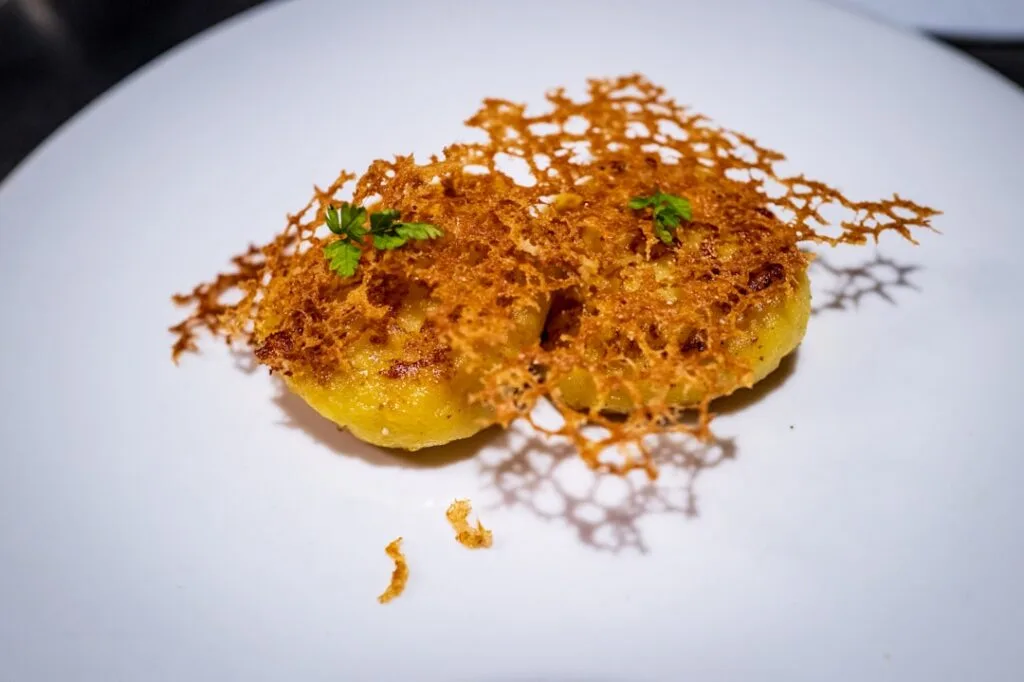
Risotto al salto was born from the tradition of reusing cooled risotto: it’s pressed into a cake and fried until the exterior is crispy. Rather than wasting leftovers, Milanese cooks turned recycling into a crunchy delicacy. Often served as an antipasto or side, it highlights the region’s culinary inventiveness.
Recommended spot
Ratanà
Address: Via Gaetano de Castillia, 28, 20124 Milano MI, Italy
Price range: Risotto al salto €10–16, mains €18–35
Hours: Open Tuesday to Saturday 12:30–14:30 / 19:30–22:30, Sunday 12:30–15:00, closed Monday
Description: Ratanà, in the Isola neighborhood, serves a crispy, flavorful risotto al salto, often made from the risotto of the day (alla Milanese or mushroom). Contemporary cooking that honors Lombard tradition.
Local tip: Great as a starter to share. Look for a well-browned crust — a sign of perfect cooking.
Conclusion — Take Milan Home on Your Plate
Milanese cuisine teaches balance between peasant simplicity and urban sophistication. The ten dishes presented here — from risotto alla Milanese, which symbolizes elegance, to ossobuco, cotoletta and panettone — represent a range of techniques, ingredients and stories that tell Milan’s tale. Each dish has an origin, often born of necessity or a historic event, and was then elevated by chefs and families to the tables of celebrations and restaurants.
Planning your Milan food route means thinking about seasons and traditions: cassoeula and pork-based dishes are best in winter, risotto alla Milanese is available year-round but shines during festive meals, and panettone is December’s undisputed star. The places recommended in this guide — Ristorante Da Giacomo, Trattoria Trippa, Trattoria Milanese, Pasticceria Marchesi, Luini, Ratanà and others — offer a mix of tradition, quality and atmosphere. The prices given are ranges to help budget your trip; check websites or call to confirm hours and availability, especially around holidays or in peak tourist season.
Extra practical tips: book ahead for popular restaurants, visit local markets (like Mercato Metropolitano or Mercato di Via Fauche) to taste fresh products, and don’t hesitate to ask staff for wine pairing suggestions. Some dishes, like cotoletta or risotto al salto, are best enjoyed piping hot; others, like panettone, are meant to be savored slowly and in good company. Finally, note that Milan’s food scene is lively — young chefs regularly reinterpret classics and new venues keep popping up; follow local recommendations and let your curiosity lead the way.
Milan is best enjoyed in small bites and big gatherings. Whether your stay is short or long, these ten dishes are a doorway to the city’s culture, history and culinary heart. Bring home memories — and maybe a box of panettone — but above all, keep your appetite and plan to come back.