


Introduction: Discovering Milan’s Lesser-Known Religious Sites
Milan is often synonymous with fashion, La Scala and the Duomo — and for good reason. But the city also hides a rich religious heritage tucked away in narrow streets, cloisters and lesser-trafficked squares. These spots, sometimes unassuming at first glance, offer deeply moving experiences: forgotten frescoes, crypts still scented with old incense, chapels glittering with gold and exceptional liturgical furnishings. Seeking out these places means embracing another face of Milan — intimate, quiet, where religious history converses with modern urban life.
Contenu de l'article
In this post I’ve put together a sensory route through several little-known or unfairly overlooked religious monuments. Each stop lists the exact name, full address, entrance fees, typical opening hours, an immersive description and practical tips to prepare your visit — transport, best times to go, how to behave and tricks for photographing without disturbing prayer. The goal isn’t to replace the big classics, but to offer alternatives that deepen your understanding of the city and give you moments of reflection or wonder away from the usual tourist circuits.
You’ll find, for example, a church whose modest façade hides a rare interior mosaic, a chapel where architectural perspective is an astonishing optical trick, a crypt lined with decorative bones and cloisters that invite restful pauses far from the bustle. These places are opportunities to hear Milan differently: the scrape of soles on ancient slabs, the murmur of prayers in Italian or Latin, light filtered through 19th-century stained glass that turns the space into a painting. The monuments here are perfect for solo visits, photography walks or quiet meditative breaks during an urban trip.
Before we begin, a few general recommendations: respect service times and silence; some sites require modest dress (shoulders and knees covered); photos are usually allowed but no flash in chapels. Prices and hours can change with the seasons, religious holidays and restoration work — so check online or call ahead before you go. Now, let’s explore five remarkable, lesser-known religious monuments in Milan, each telling a different chapter of the city’s spiritual and artistic history.

Chiesa di San Maurizio al Monastero Maggiore — Corso Magenta 15
Address: Corso Magenta 15, 20123 Milano MI, Italy.
Price: Paid entrance — standard ticket around €5.00; reduced rate around €3.00 (youth/students; rates may vary for temporary exhibitions).
Opening hours: Usually Tuesday to Sunday 9:30–17:30; closed Mondays. Hours may change for liturgical events. Check public holidays.
San Maurizio is often nicknamed Milan’s “Sistine Chapel” by art lovers, yet it remains surprisingly low-key compared with the Duomo. The austere 16th-century brick façade doesn’t prepare you for the interior richness: a broad narthex leads into two naves covered in polychrome frescoes of remarkable finesse, painted by Bernardino Luini and his workshop. Biblical scenes, saints and floral motifs cover walls and vaults in warm, golden hues that can feel almost tactile in morning light.
The ideal visit starts early: arrive at opening to catch the raking light that brings out relief and lets you read the iconographic details. The adjacent monastery cloister (Monastero Maggiore) is a peaceful haven — large arches, time-worn columns and intimate gardens. You can almost imagine the nuns walking those galleries in the 18th century.
Practical tips: the site is walkable from Cairoli metro station (M1) or tram stops 16/14. Allow 45–60 minutes for a full visit, longer if you want to linger in the cloister. Photography without flash is permitted; respect prayer areas. If you need a coffee after the visit, historic cafés and pastry shops line Corso Magenta just a few steps away.
Santa Maria presso San Satiro — Piazza Santa Maria presso San Satiro 3
Address: Piazza Santa Maria presso San Satiro 3, 20123 Milano MI, Italy.
Price: Free entry to the nave; guided visits or audio guides to the architectural feature (the false apse) often available for €2.00–€4.00.
Opening hours: Typically daily 7:30–12:30 and 15:00–19:00; Sunday morning Mass. Check service times and occasional closures.
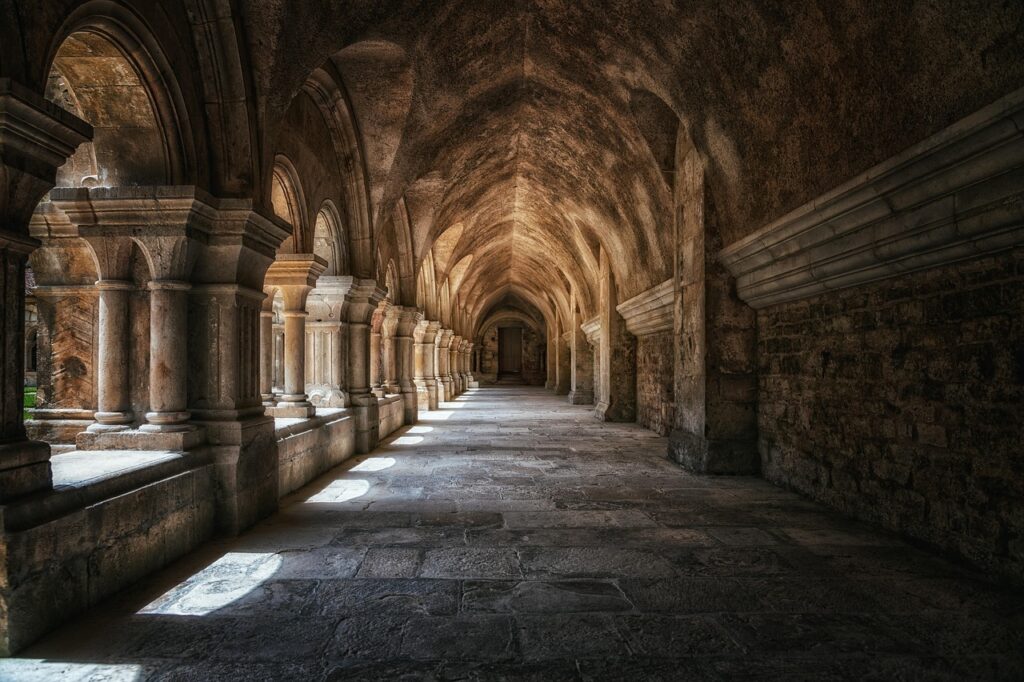
This small Renaissance gem is famous among specialists for Donato Bramante’s extraordinary trompe-l’œil: a forced-perspective false apse that shortens space without sacrificing visual harmony — a 15th-century optical marvel. From the outside the church looks modest, but inside you discover a perfect balance of architecture, sculpture and painting that marks the transition from Gothic to Lombard Renaissance.
Walk slowly to appreciate how light plays on the finely carved capitals and how frescoes frame the space. Many visitors hurry through — take time to study the high wall and cornice details: angels, vegetal motifs and small votive scenes often overlooked. The wooden pews are welcoming for anyone who wants to meditate or simply rest away from the city noise.
Practical tips: the church is very close to the Duomo (10 minutes on foot), making it an ideal stop after touring the center. Easily reached from Duomo metro station (M1/M3) or by tram. The illusion is best photographed from the middle of the nave; avoid Mass times if you want a quiet space. Audio guides explain the history of the trompe-l’œil for about €3.
Chiesa di San Bernardino alle Ossa — Piazza Santo Stefano 3
Address: Piazza Santo Stefano 3, 20122 Milano MI, Italy.
Price: Free entry to the basilica; small fee (€2.00–€4.00) may apply to visit the ossuary depending on the season.
Opening hours: Generally 9:00–12:30 and 15:00–18:30; the ossuary chapel may have reduced hours. Closed during certain ceremonies.
San Bernardino alle Ossa surprises visitors with its singular character: a small ossuary chapel attached to the church, decorated with skulls and bones arranged into ornamental patterns. Far from macabre, the ensemble evokes a memento mori — a Baroque reminder of human fragility and the vanity of earthly things. Dim lighting intensifies the contemplative atmosphere and invites reflection.
The main nave, in a late Baroque style that has been restored, contains altars and paintings illustrating Lombard piety from the 17th century. The contrast between gilt decoration and the starkness of the ossuary is striking: you move from decorative sacrality to a chapel focused entirely on the theme of death. Latin inscriptions and commemorative plaques recount the site’s funerary history.
Practical tips: this site is near the pedestrian area around the Duomo but far less crowded. Easy access from Cordusio or Duomo metro stations. The visit is especially moving in late afternoon, when the lowering light gives the chapel dramatic relief. Respect silence, avoid flash in the ossuary and stand on the left side of the nave for a full view of the chapel. Plan 30–45 minutes.
Basilica di San Sepolcro — Piazza San Sepolcro 3
Address: Piazza San Sepolcro 3, 20123 Milano MI, Italy.
Price: Free entry to the basilica; special guided tours (crypts and choir) around €4.00–€6.00 depending on the season.
Opening hours: Generally 8:00–12:00 and 14:30–18:30; daily morning Mass. Visiting hours for the treasury and crypt are limited and may require booking.
Basilica di San Sepolcro is steeped in history and is considered one of Milan’s oldest Christian worship sites, with foundations dating back to the medieval period. The discreet façade opens into an interior where Romanesque, Gothic and later renovations coexist. Side chapels hold paintings and reliquaries, while the crypt — sometimes accessible on guided tours — reveals archaeological layers and remnants of ancient decoration.
What strikes you here is the feeling of a living site, traversed by centuries: regular services, confessions and scholarly study of sacred art. The choir and wooden stalls, lit by stained glass, create an atmosphere ideal for contemplation and quiet photography.
Practical tips: reachable from Duomo metro station (M1/M3) or on foot from the Galleria. If you want to visit the crypt, check in advance and try to join a guided tour in the early afternoon. The church is often quieter on weekdays; bring an art guide or book to deepen your understanding of the iconography during your visit. If you’re interested in Christian archaeology, allow extra time for temporary exhibitions usually held in the sacristy.
 Click here to book your ticket for the San Sepolcro crypt
Basilica di San Calimero — Via San Calimero 6
Address: Via San Calimero 6, 20129 Milano MI, Italy.
Price: Free entry; suggested donation €1.00–€3.00 for upkeep.
Opening hours: Often open 9:00–12:30 and 15:00–18:00; some areas may be closed during services.
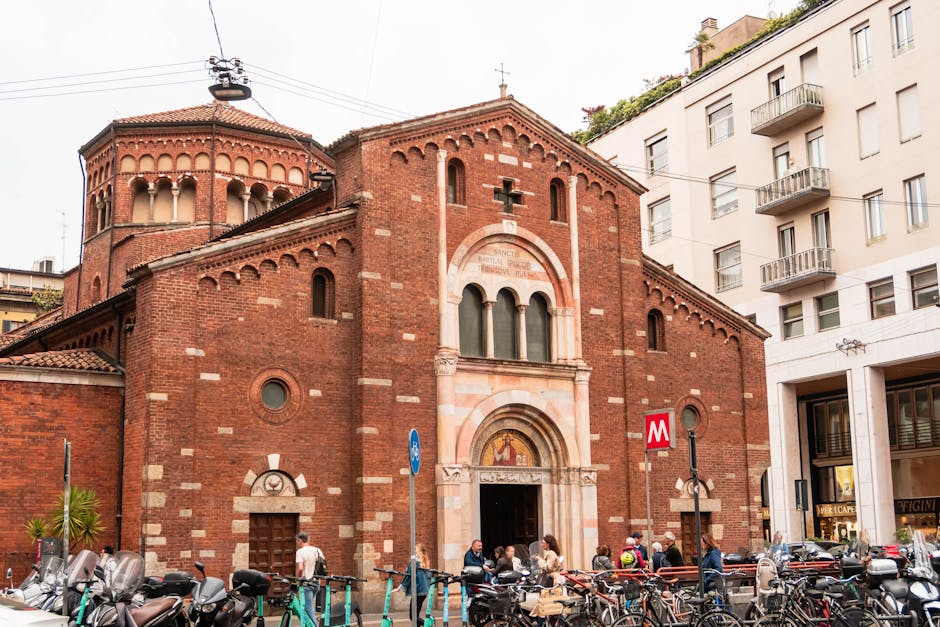
Less famous than other basilicas, San Calimero rewards a careful discovery. Originally dating to medieval times, it shows a mix of Baroque alterations and older elements preserved in its crypt and transept. Inside, the understated volumes are enhanced by richly decorated side altars and a play of light on ancient stone.
Visitors who don’t often come here enjoy a contemplative atmosphere, perfect for sitting and listening to the city. The local clergy are generally welcoming and sometimes provide informational brochures in Italian and English. The church is also known for small sacred art exhibitions and occasional sacred music concerts — a great way to experience the space beyond its historical role.
Practical tips: San Calimero sits in a residential area near Brera, within easy walking distance from Missori metro station (M3) or reachable by several tram lines. Photographers will appreciate late-afternoon light that highlights wall textures and sculptures. If you plan to attend a sacred concert, book in advance — seating is limited.
Click here to book your spot for an organ concert

General Practical Tips for Visiting These Monuments
- Dress: Shoulders and knees should be covered in most churches. Bring a light scarf or shawl.
- Behavior: Observe silence, no flash photography, and don’t sit on pews during services if you’re not participating.
- Transport: Use the ATM network (metro M1/M3, trams and buses). Day passes {day pass} are handy if you’re combining multiple visits.
- Timing: Favor opening hours or late afternoon for the best light; avoid Mass times if you want quiet and photos.
- Accessibility: Some crypts or medieval stairways aren’t accessible to visitors with reduced mobility — check ahead.
Conclusion
Milan reveals, beyond its most famous symbols, a network of sanctuaries and chapels that speak to the city’s deep cultural and spiritual roots. The sites featured — Chiesa di San Maurizio al Monastero Maggiore, Santa Maria presso San Satiro, Chiesa di San Bernardino alle Ossa, Basilica di San Sepolcro and Basilica di San Calimero — each offer a different experience: from the artistic dazzle of frescoes to the intense reflection prompted by an ossuary, from architectural masterpieces to archaeological crypts. These monuments are not just relics of the past; they are living places, welcoming worshippers and continuing to host creation and scholarly study.
For the attentive traveler, they are essential stops to understand the city from another angle. They fit perfectly into an urban itinerary: a morning admiring San Maurizio’s frescoes, a meditative pause at San Bernardino, an architectural exploration at San Satiro and an archaeological visit to San Sepolcro make for a varied and profound route. Each site asks for time — honoring that time gives you the chance to be moved by details, by silence, by light.
Finally, remember a few simple rules: respect the places, check opening hours and leave a small donation when possible to help maintain these treasures. Many of these churches and chapels are kept alive through the combined efforts of volunteers, local associations and the Church; your modest contribution helps preserve these spaces for future generations. By exploring these lesser-known religious monuments in Milan, you’ll not only deepen your historical and artistic knowledge, but you’ll also experience rare moments of serenity in the heart of a vibrant metropolis.