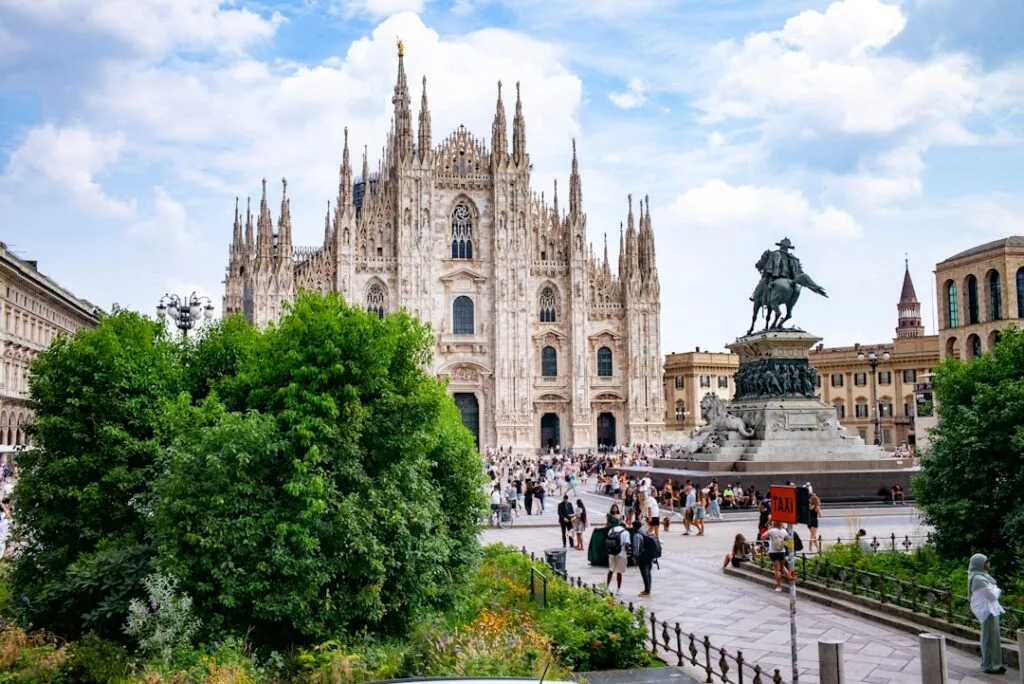






Introduction — Understanding the Milan Card and transit passes for visiting Milan
Milan is a city where history, design, shopping and business intersect around every corner. Between the Duomo, the Galleria Vittorio Emanuele II, world‑class museums and lively neighborhoods like Brera, Navigli and Porta Nuova, getting the most out of Milan requires a bit of planning. One of the top questions travelers ask is: should you buy a tourist pass like the « MilanoCard » or stick to local transit subscriptions from ATM? The right choice depends on your length of stay, priorities (museums vs. shopping), pace and budget.
In this complete guide, I’ll walk you through the main options: the tourist MilanoCard (created to promote the city’s attractions), the official ATM passes (24/48/72‑hour tickets, weekly and monthly subscriptions), plus combined passes and season tickets for residents and long‑term visitors. I’ll list indicative prices in euros, useful opening hours for attractions included in some passes, exact addresses of key sites and transport hubs, immersive descriptions of what each pass makes easy, and practical local tips to get the most value for your time and money.
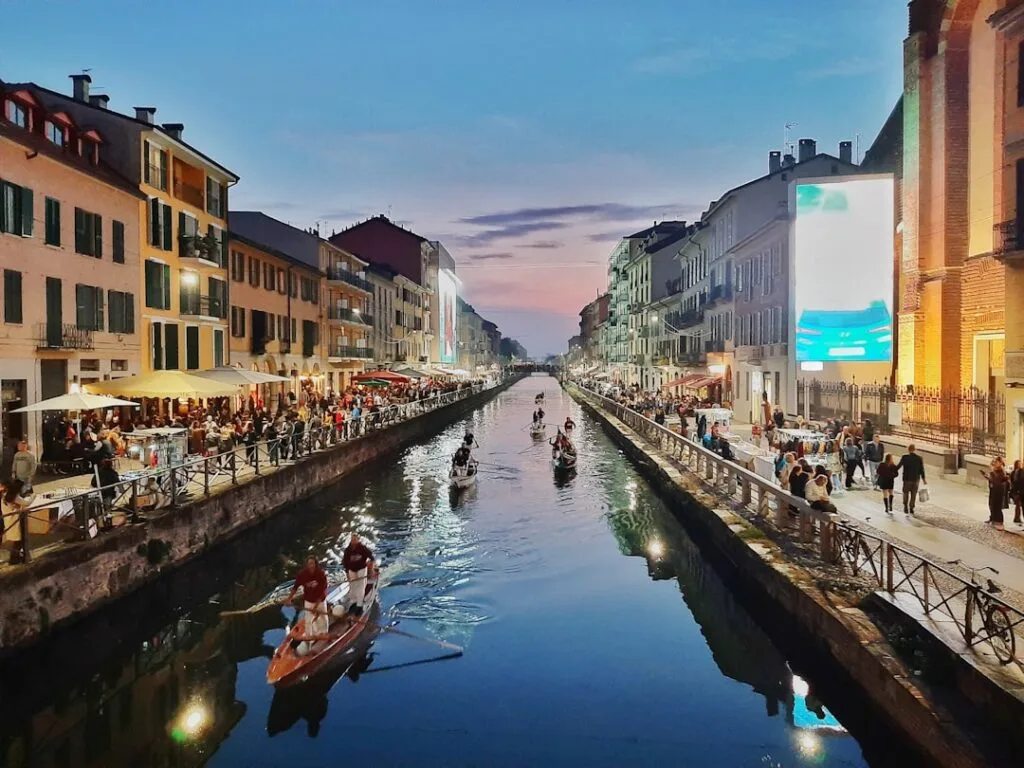
This guide doesn’t just throw numbers at you: it explains what a morning at the Duomo di Milano (Piazza del Duomo, 20122 Milano) feels like, an afternoon at the Pinacoteca di Brera (Via Brera, 28, 20121 Milano), and an evening along the Navigli canals (Ripa di Porta Ticinese, 20143 Milano). I’ll also tell you where to buy each pass (online, at Milano Malpensa and Linate airports, at stations like Milano Centrale), and how to activate and use the cards without wasting time. Finally, you’ll get sample plans for short stays (1–2 days), medium trips (3–4 days) and long stays (>1 week) to help you pick the best option.
Important note: prices shown in this guide are indicative and can vary by season or updates. Always double‑check official sites before buying: ATM Milano (https://www.atm.it), Museo del Duomo (https://www.duomomilano.it) and the MilanoCard official page for current rates. That said, the principles, tips and comparisons below remain useful and will help you make an informed decision.
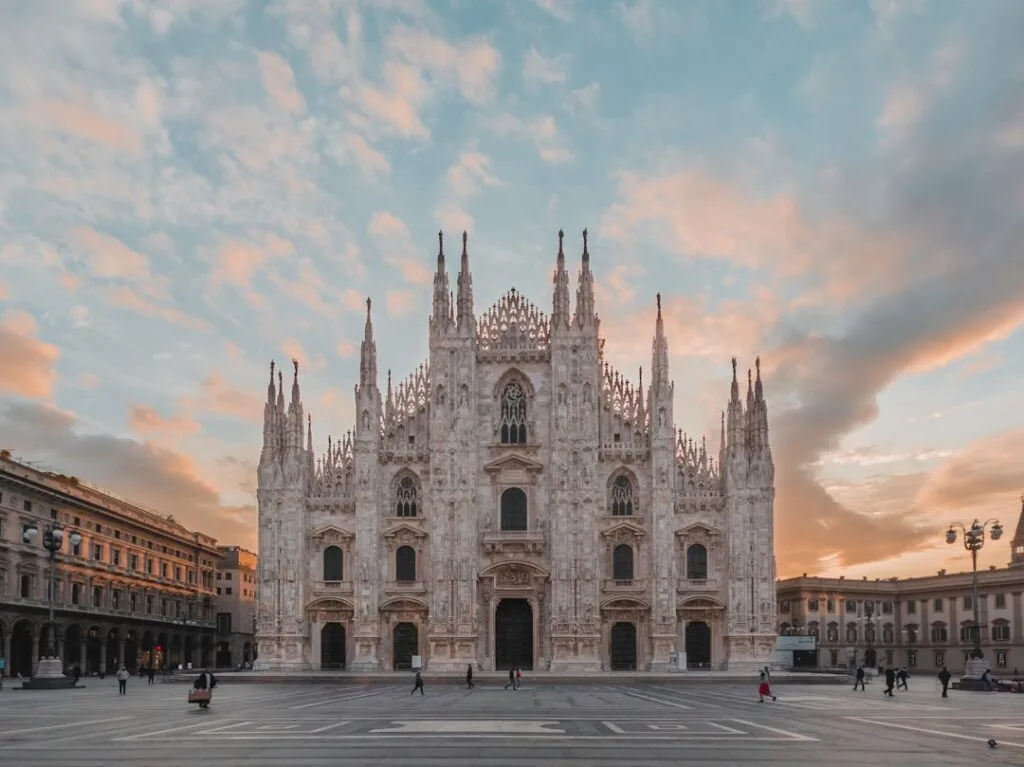
1) Tourist passes: MilanoCard and alternatives — what do they cover?
The MilanoCard tourist pass is aimed at visitors who want to combine public transport with discounts on attractions. Depending on the version and year, the MilanoCard can include: unlimited travel on the ATM network (metro, tram and bus) for 24, 48 or 72 hours, discounts on museum entrance, skip‑the‑line tickets for the Duomo, guided tours, and offers at partner restaurants and shops. The card is sold in both physical and digital formats.
Indicative prices (check before buying): MilanoCard 24 hours starting around €15; MilanoCard 48 hours from about €22; MilanoCard 72 hours from about €28. These rates can change depending on promotions and included features (for example, whether Duomo skip‑the‑line access is part of the package). « Plus » or « Premium » versions can range from about €35 to €60 if they include Duomo tickets, Accademia entries or guided excursions.
Alternatives and combined passes: there are local city cards offered by private sites or tourist offices that bundle free/discounted entry to attractions. Examples of attractions commonly included:
– Duomo di Milano (Piazza del Duomo, 20122 Milano) — access to the cathedral, museum and terraces; typical opening hours 09:00–19:00 depending on season (check the Duomo website).
– Pinacoteca di Brera (Via Brera, 28, 20121 Milano) — usual hours 08:30–19:15, closed Mondays; full price around €15.
– Museo Nazionale Scienza e Tecnologia Leonardo da Vinci (Via San Vittore, 21, 20123 Milano) — typically open 09:30–17:00 or until 18:00 depending on the day; full price about €10–12.
What exactly does the MilanoCard cover? It often combines three elements: unlimited validated transport, partner discounts and special offers for museums/attractions, and coupons for restaurants/shops. Some major sites (e.g. Duomo terraces or La Scala museum) may only be partly covered (discount only) rather than free. For a visitor planning to do 2–3 paid museums and move around a lot, a MilanoCard for 48–72 hours can be very cost‑effective.
Practical tips: buy the MilanoCard online to activate it as soon as you arrive; check how activation works (QR code, app or physical card); keep a screenshot of your purchase confirmation. If you intend to visit just one or two paid museums and do most sightseeing on foot, a simple ATM 24‑hour ticket (see next section) may be cheaper and more sensible.
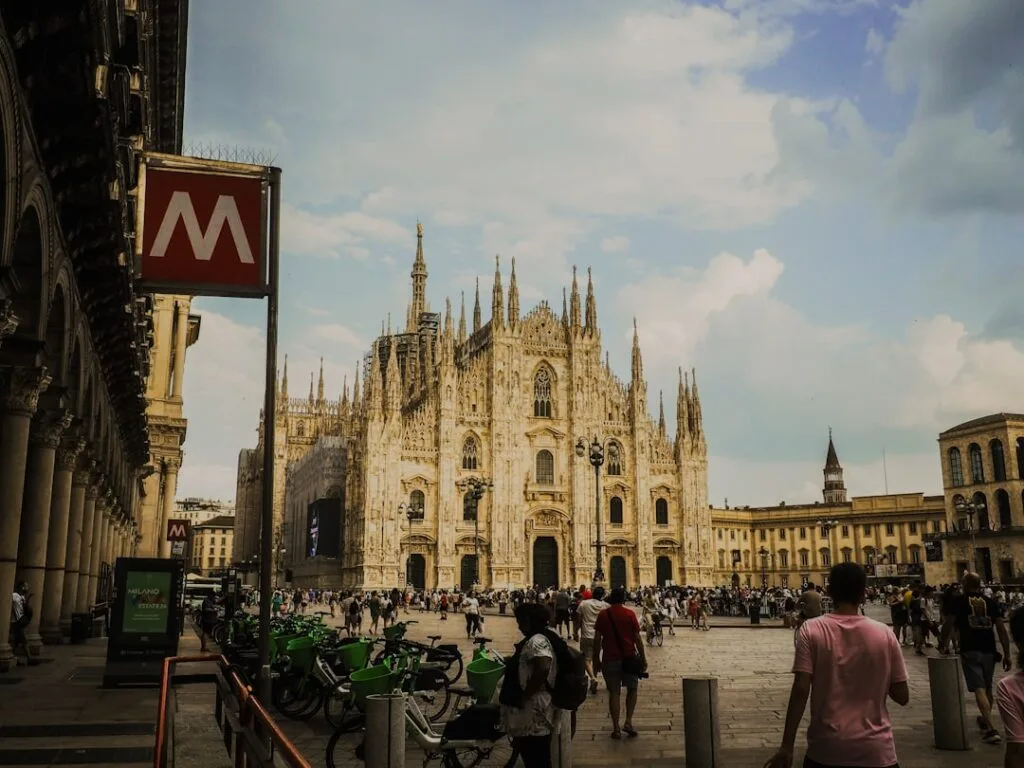
2) ATM tickets and subscriptions (metro, bus, tram) — fares, validity and where to buy
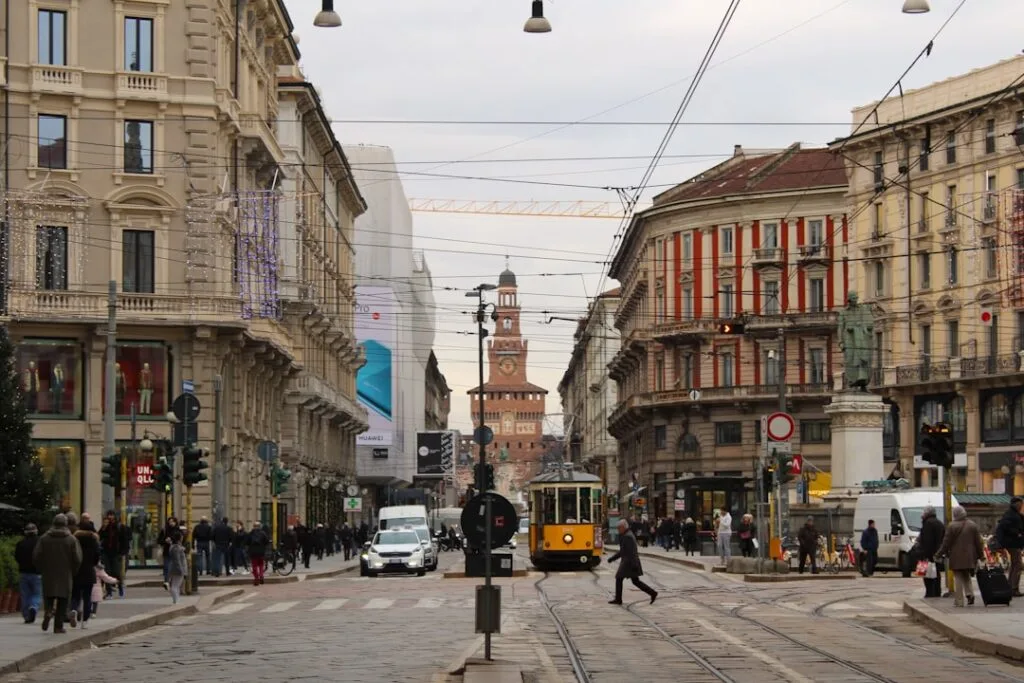
ATM (Azienda Trasporti Milanesi) runs Milan’s public transport network: metro lines (M1, M2, M3, M4), trams, buses and some suburban trains. ATM tickets and subscriptions are essential if you plan to get around a lot. Pricing is based on zones and duration depending on the ticket type. Here are the options most visitors use:
- Single ticket (Biglietto ordinario): 90 minutes, valid for a single journey on metro/tram/bus with transfers within 90 minutes. Indicative price: €2.20.
- Day ticket (24 ore): unlimited travel for 24 hours from validation. Indicative price: €7.00–€7.50.
- 48‑hour ticket (48 ore): unlimited travel for 48 hours. Indicative price: €12.00.
- 72‑hour ticket (72 ore): unlimited travel for 72 hours. Indicative price: €17.00.
- Daily/weekly ticket: there’s also a weekly ticket (7 days) with a price that varies by zone; for central zones Mi1/Mi3 it’s roughly €25–€30 (to confirm).
Where to buy: ticket machines in metro stations (cash or card), tobacconists (Tabaccherie), ATM offices and online via the ATM Milano Official app. At airports you’ll also find ATM machines and ticket counters — expect queues on arrival at Milano Malpensa (Malpensa Terminal 1, Piazza Giovanni Agnelli, 21010 Ferno VA) and Milano Linate (Via Francesco de Pinedo, 1, 20132 Milano).
Validation and inspections: always validate your ticket when entering the metro (yellow validators) or on buses/trams using the validation machines. Inspections are regular and fines for travelling without a valid ticket can exceed €90. Keep physical tickets or your activated digital ticket and show it if asked.
Local tips: if you’re staying 2–3 days and expect several rides (airport–city center, Duomo, Navigli, Cimitero Monumentale, Stazione Centrale), a 48h or 72h ATM pass is usually cheaper than buying multiple single tickets. For a week‑long stay, compare the weekly pass to buying multiple 24h passes — often the weekly subscription is better value. Check M4 coverage (the newer line) and major interchange hubs: Milano Centrale (Piazza Duca d’Aosta, 20124 Milano) is a key node.
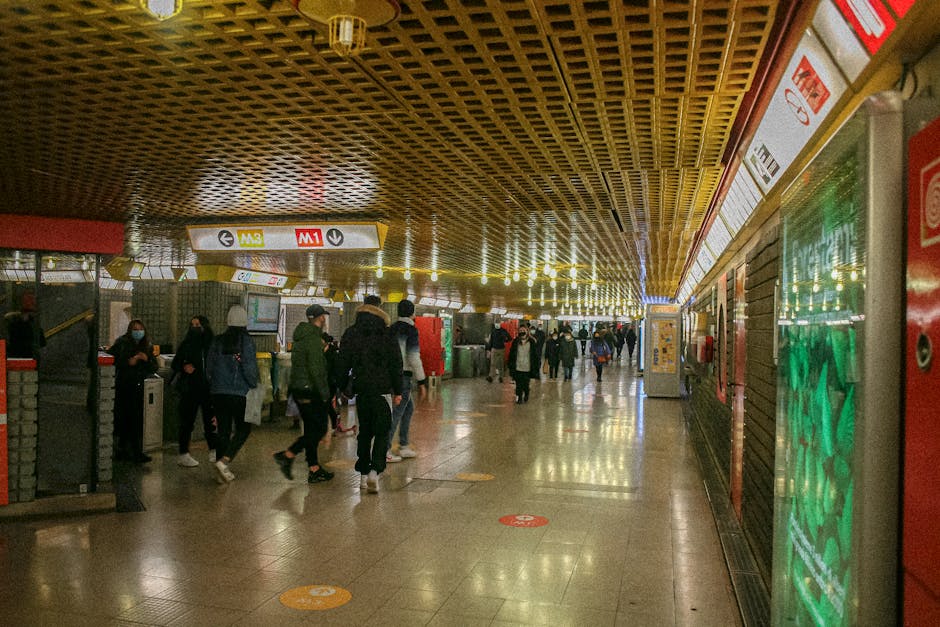
3) Monthly, annual and resident subscriptions — fares, conditions and where to apply
If you’ll be in Milan for more than a month or you’re a temporary resident (student, mobile worker), a monthly (abbonamento mensile) or annual subscription is usually the best deal. ATM subscriptions depend on fare zones (Mi1, Mi2, Mi3, etc.). Subscriptions typically cover metro, bus, tram and some suburban lines depending on the chosen zone.
Indicative prices (urban zones Mi1‑Mi3):
– Monthly subscription (zone Mi1): around €39–€46 per month.
– Monthly subscription (wider Mi1+Mi3 area): €50–€70 depending on coverage.
– Annual subscription: if paid in full, roughly €440–€500 depending on zones.
These figures are indicative; students and certain categories can get discounts (ATMspecial, university passes, etc.).
Where to subscribe: ATM offices (e.g. ATM Point, Corso Buenos Aires 22/26, 20124 Milano), subscription desks, or online via the MyATM portal. For an annual subscription you’ll often need a photo, an identity document and a Codice Fiscale (tax code) to link the pass to the person.
Card details: subscriptions are issued on a personalized electronic card (ATMMobility card) or can be activated on a smartphone depending on the option. The personalized card is non‑transferable. If lost, report it immediately for blocking and reissue.
Local tips: if you work in Milan, check whether your employer offers a commuting reimbursement (mobility benefit). International students should ask their university (e.g. Università degli Studi di Milano, Via Festa del Perdono, 7) about discounts. For stays of one to three months, compare the total cost of a monthly subscription to multiple 30‑day tickets: often the monthly pass is cheaper and saves you from validating every trip.
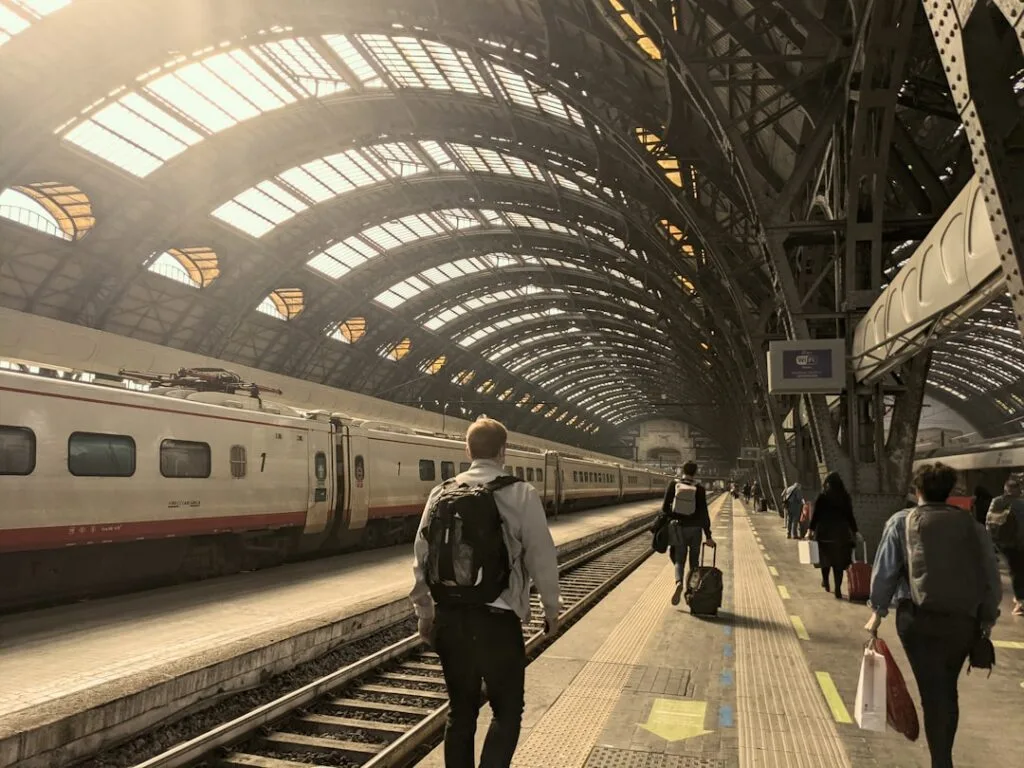
4) Practical scenarios: which pass to choose based on your profile and route
Choosing the right pass mainly comes down to three variables: length of stay, how much you’ll be moving around, and your cultural priorities. Here are concrete scenarios to help you decide.
Short tourist stay (1–2 days): If you’re in Milan for a weekend and plan to explore the historic center and a couple of museums, the simplest option is often: a 24h ATM ticket (≈€7.00) + a paid skip‑the‑line ticket for the Duomo if you want to go up to the terraces (Duomo terraces roughly €15–€25 depending on access). Alternatively, a MilanoCard 24h (≈€15) can be worth it if it includes skip‑the‑line access and discounts for a museum you really want to visit.
Medium stay (3–4 days): For three full days, the MilanoCard 72h (≈€28) is often a good fit since it bundles unlimited transport and discounts. Still, compare it to a 72h ATM ticket (≈€17.00) plus individual museum tickets. Example cost‑effective route: take the M1 to the Duomo, visit Pinacoteca di Brera (Via Brera, 28), and the Museo Nazionale Scienza e Tecnologia (Via San Vittore, 21) — some visits may carry discounts with the MilanoCard.
Long stay (>1 week) or temporary resident: a monthly subscription is usually the cheapest choice. For students/workers, a personalized monthly pass (≈€39–€50) removes the need to validate every trip and lowers the cost per ride. If you’ll be traveling often outside the city zones, pick a broader fare zone.
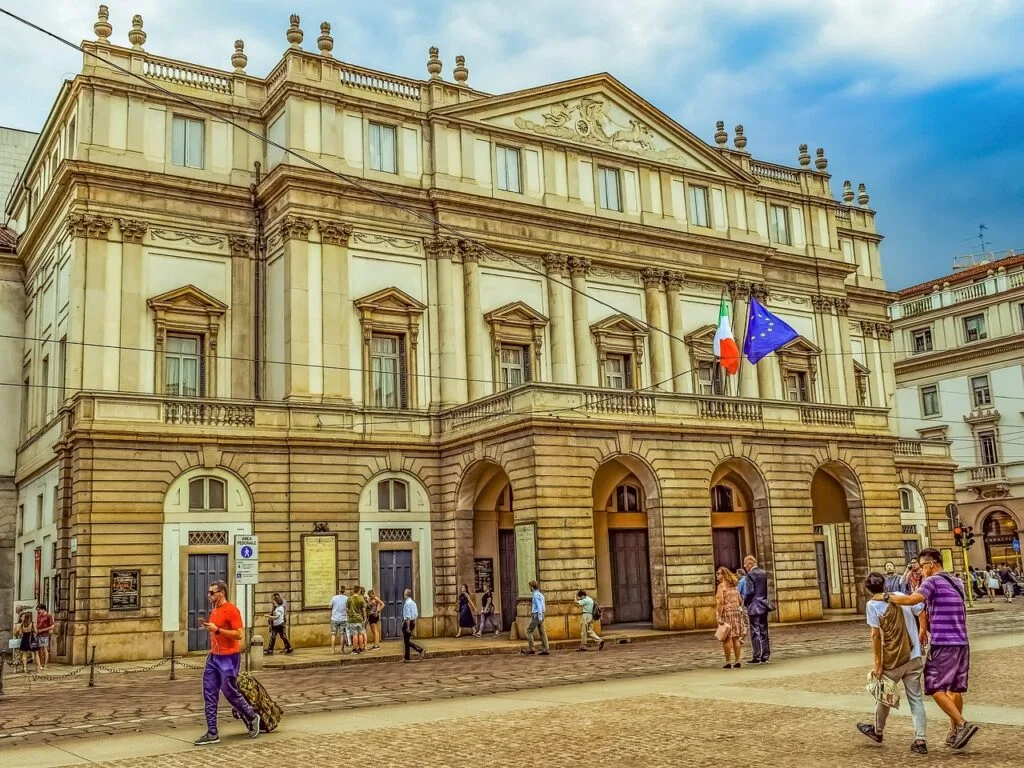
Culture‑focused traveler: if your priority is visiting many paid attractions (La Scala, Pinacoteca, Sant’Ambrogio cloister, Museo del Novecento), look into premium tourist passes that include free entry or significant discounts. You’ll typically save money if you visit 3–4 paid sites at full price in a short period.
Practical tip: always factor in how you arrive — if you land at Malpensa (MXP) and take the Malpensa Express to Milano Centrale (~€13), compare the total transport + pass cost; sometimes it’s better to buy airport tickets separately and get a pass afterward. To avoid queues, book skip‑the‑line tickets online (Duomo, Teatro alla Scala museum) and keep QR codes on your phone.
Conclusion — Summary and final recommendations to choose the right pass
Choosing between a MilanoCard, individual ATM tickets or a subscription mainly depends on how long you’ll stay and what you want to see. For a short, activity‑packed trip focused on tourist sites, a MilanoCard for 48–72 hours can offer excellent value thanks to unlimited transport and discounts on museums and activities. For a short weekend spent mostly on foot with only a few rides, 24h tickets or single 90‑minute tickets (€2.20) may be enough and save you from buying an unnecessary pass.
For medium stays (3–4 days), the key comparison is MilanoCard 72h (≈€28) versus an ATM 72h ticket (≈€17) plus individual museum entry: if the MilanoCard covers or discounts two or three attractions you planned to visit, it becomes worthwhile. For long stays or if you live/study/work in Milan, go for a personalized monthly or annual subscription: it saves money over time and makes daily travel simpler.
A few practical reminders before you go: 1) always double‑check prices and opening hours on official sites (ATM Milano, Museo del Duomo, Pinacoteca di Brera); 2) buy skip‑the‑line tickets online to avoid queues, especially for the Duomo (Piazza del Duomo, 20122 Milano); 3) keep both a digital and a printed copy of your passes; 4) activate and validate ATM tickets correctly to avoid fines; 5) favor combined passes if your itinerary includes several paid museums.
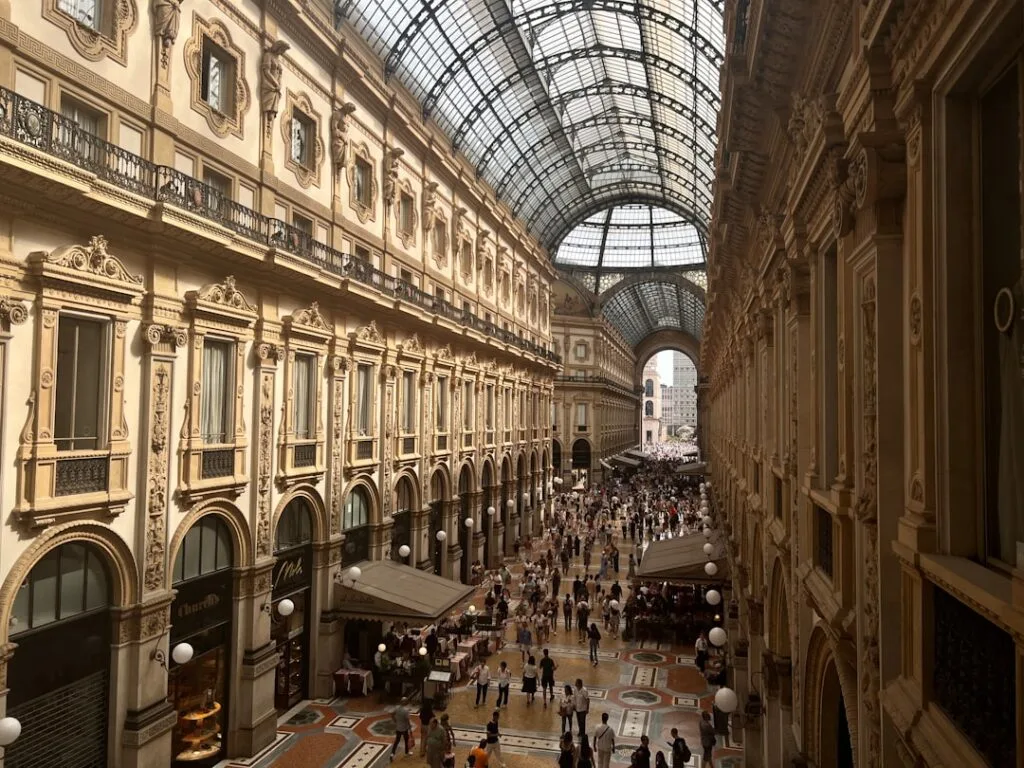
Finally, make sure to leave time to soak up Milan’s atmosphere without rushing: a coffee break in the Galleria Vittorio Emanuele II (Piazza del Duomo), an aperitivo by the Navigli canals (Ripa di Porta Ticinese, 20143 Milano) or a stroll in Brera (Via Brera, 20121 Milano) are moments that don’t always appear in budget calculations but will make your trip unforgettable. Have a great trip — and enjoy Milan smartly by choosing the pass that fits your pace and interests.