





Introduction — Milan beyond the Duomo: curiosities and quirky monuments
Milan often brings to mind the iconic silhouette of the Duomo, the Galleria Vittorio Emanuele II and Italy’s economic muscle. Yet the city hides a maze of offbeat monuments and little curiosities that tell a different story: a past rich in artistic layers, age-old rituals, experimental architecture and unexpected urban atmospheres. This guide invites you off the beaten path to discover lesser-known but equally fascinating spots — from decorated ossuaries to contemporary tower-forests, through squares that look like pages from a gothic novel and rooftops with surprising views.
Below you’ll find immersive descriptions, exact addresses, practical info like opening hours and prices in euros, plus local tips to make the most of your visit. Each place was chosen for its distinctive character: some surprise with a macabre aesthetic, others with bold ecological statements, and some function as micro-museums or frozen-in-time city corners. Whether you’re a photographer hunting unique frames, a curious traveler, an architecture fan or a local looking to rediscover your city, these stops will give you plenty of stories to tell.
Before you set out, remember Milan is a living metropolis: hours, prices and access rules can change. I’ve included precise yet flexible guidance, with tips to avoid peak times, find the best photographic compositions and respect everyday life in the neighborhoods. Also take the time to savor the small things that define these places — a shaded bench in an alley, the mosaic on a staircase, or the smell of coffee near an old gate. Ready? Follow me for a stroll through Milan’s unusual side.
 Click here to book your ticket for the Duomo terraces
Il Cimitero Monumentale di Milano — funerary art and spectacular mausoleums
Il Cimitero Monumentale di Milano is far more than a cemetery: it’s an open-air museum where art and memory meet. Located at Piazzale Cimitero Monumentale, 20154 Milano (main entrance via Monumentale), this place astonishes with the sculptural and architectural wealth of its graves, chapels and funerary monuments built between the late 19th and 20th centuries. You’ll find works by noted artists, neo-classical, Art Nouveau and symbolist architecture — expressions of an older Milan that liked to honor its prominent citizens with grand compositions.

Opening hours: generally 8:00 – 18:00 on weekdays (hours vary by season; early closures possible on public holidays). Entry: the cemetery park is free; guided tours usually cost around €8–€12 depending on the operator. Prices to access special sections or internal museums vary, often between €3 and €7. It’s wise to check exact opening times before you go, especially during winter months.
The visit is immersive: walk down shaded avenues lined with obelisks and sarcophagi, discover mausoleums covered in mosaics, and see how burial sites were used to display status and artistic taste. Don’t miss the Galassia dei Fiori and the Famedio (Milan’s Pantheon), where writers, artists and notable figures are commemorated. Sculptures by Medardo Rosso, for example, reveal an astonishing plastic quality when lit by the shifting light.
Practical tips: allow at least 90 minutes for a relaxed visit; wear comfortable shoes as paths can be cobbled. If you come in summer, aim for early morning to avoid the heat and to capture soft light on the reliefs. Respect the funerary nature of the site: avoid loud laughter, picnicking on graves and using drones without permission. Photography is generally allowed, but be discreet and avoid photographing grieving visitors.
The Cappella di San Bernardino alle Ossa — a decorated ossuary in the heart of Milan
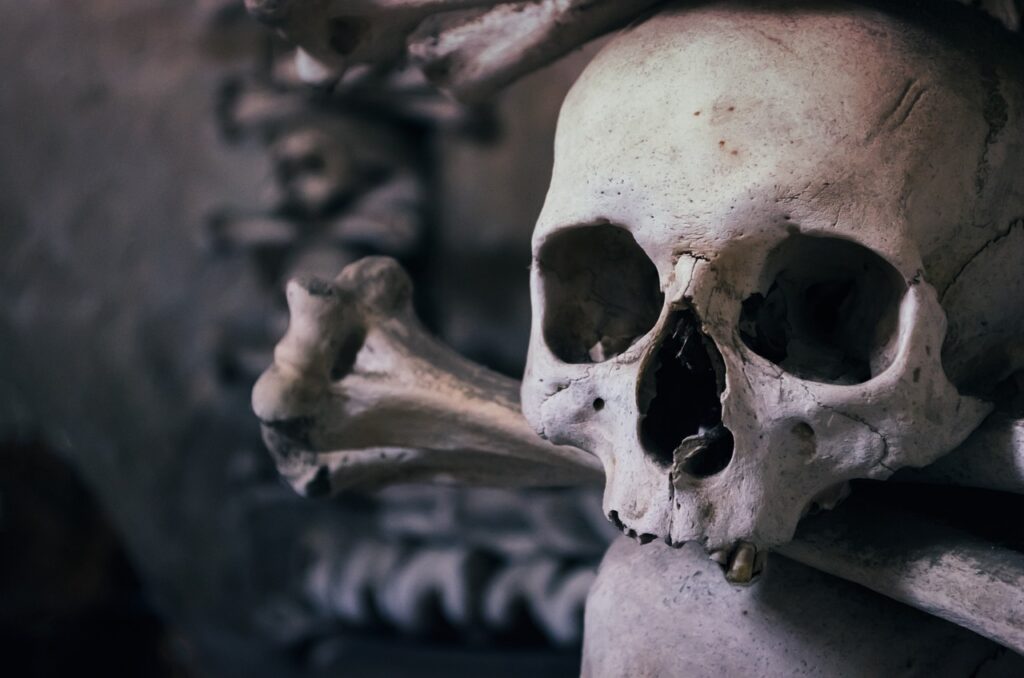
The Cappella di San Bernardino alle Ossa is one of Milan’s most surprising and mysterious spots, located at Piazza Santo Stefano 3, 20122 Milano. This small chapel-ossuary, attached to the church of Santo Stefano Maggiore, dates back to the 13th century, but it’s the interior decorations that fascinate: the chapel walls are adorned with human bones arranged into geometric patterns and artistic compositions. The effect is both macabre and strangely aesthetic, inviting reflection on the transience of life.

Opening hours: often 9:00 – 12:30 and 15:00 – 18:00 from Tuesday to Sunday (closed on certain public holidays). Entry: usually free or a suggested donation (around €1–€3 for visitors). These details may change; it’s a good idea to consult the parish website or tourist office.
The visit is short but intense: the space is cramped and charged with a solemn atmosphere. The ossuary grew over centuries, initially as a practical solution to store bones from overcrowded cemeteries, but it soon took on symbolic and artistic dimensions. Motifs of skulls, tibias and other bones are carefully arranged, creating arabesques and friezes that recall Renaissance memento mori.
Practical tips: if you are sensitive, visit outside Mass times to avoid moments of worship. The chapel is small — don’t expect a large multimedia installation; the interest is in the direct confrontation with the space and its objects. Photography is often tolerated without flash; be respectful. Pair the visit with a stroll in the Santo Stefano neighborhood, where small trattorias and cafés offer a calming stop after this intense experience.
Bosco Verticale (Vertical Forest) — garden-architecture and an urban address
The Bosco Verticale, officially known as Bosco Verticale (Two Residential Towers), is an iconic architectural project in Milan’s ecological urban renewal. Located at Via Gaetano de Castillia 11, 20124 Milano (Porta Nuova district), it consists of two residential towers covered with thousands of shrubs and trees planted on balconies and terraces. Designed by architect Stefano Boeri, the complex aims to boost urban biodiversity, create a cooling microclimate and filter air pollution.
Access: the buildings’ interiors are private (residents only), but strolling around the towers and through Piazza Gae Aulenti is free and open to the public. Exact address: Via Gaetano de Castillia 11, 20124 Milano. Cost: free to admire the exterior and wander the neighborhood. Hours: public spaces are accessible 24/7; some shops and the piazza area have varying opening times.
The visual impact is striking: depending on the season, foliage creates a changing chromatic palette — from spring buds to autumnal golds. The planted balconies promise birdsong in the middle of the city, especially early in the morning. The lush façade provides very graphic photographic compositions: shadow plays, tree silhouettes against concrete, and contrasts between sky and greenery.
Practical tips: for the best photos, favor golden hours (sunrise or sunset) and explore the pedestrian areas around Piazza Gae Aulenti and nearby Corso Como. If sustainable architecture interests you, combine the visit with a stop at MUDEC (Museo delle Culture), Via Tortona 56, to dig deeper into the dialogues between culture and urbanism. Remember it’s forbidden to climb onto private balconies; respect residents’ privacy.
Click here to book your ticket for the Triennale Milano
Darsena di Milano and Naviglio Grande — locks, atmosphere and small curiosities
The Navigli district is one of Milan’s most picturesque and lively areas. Start at the Darsena (Piazza XXIV Maggio, 20123 Milano) — the renovated basin that marks the city’s nautical soul — then stroll along the Naviglio Grande, one of the historic canals linking Milan to Lake Garda. Here, industrial architecture and old workshops sit alongside cafés, galleries and antique shops, creating a bohemian, convivial vibe.
Main address: Darsena di Milano, Piazza XXIV Maggio, 20123 Milano. Naviglio Grande: lined by several bridges and addresses along Via Naviglio Grande. Cost: strolling is free; prices vary for private boat trips or guided tours (typically €10–€25). Hours: the neighborhood is lively all day and especially animated in the evening; markets and shops have their own schedules (roughly 10:00–20:00).
The renovated Darsena is a gathering point: terrace cafés, boats and waterside terraces. In the evening, lights accentuate the bridge arches and reflections on the canal surface. The Naviglio Grande preserves historical traces — small lock doors, plaques and workshops — that tell of the network’s former role transporting materials and goods.
Practical tips: to avoid crowds, visit early in the morning or late afternoon on weekdays. If you want a boat ride, check local operators and book in advance during high season. Weekend artisan and vintage markets are worth a detour for bargain hunters; walk a little off the main arteries to find family-run trattorias that are less touristy and often more authentic.
Rooftop of Palazzo Lombardia and lesser-known panoramas
For another perspective on the city, head to the Belvedere of Palazzo Lombardia, at Piazza Città di Lombardia 1, 20124 Milano. This modern building, the Lombardy region’s headquarters, has a publicly accessible belvedere offering panoramic views over Milan, Piazza Gae Aulenti, the surrounding towers and, on clear days, the distant Alps. It’s a contemporary alternative to traditional viewpoints like the Duomo.

Access hours: generally open to the public during the day (for example 9:00 – 19:00) but access may be subject to security checks and variable hours depending on official events. Entry: often free; registration or ID control may be required. Address: Piazza Città di Lombardia 1, 20124 Milano. Check the official site for closure days or to reserve a time slot.
The terrace walk takes only a few minutes, yet the view rewards you. The contemporary lines of Porta Nuova unfold in front of you while the historic center sits further away. It’s an excellent spot to photograph the coexistence of old and new: medieval roofs, the Duomo’s dome and the glass façades of modern towers.
Practical tips: bring a jacket — the wind up high can be cool even in summer. To avoid queues, aim for morning or early afternoon on weekdays. Pair this visit with a coffee at the building’s base or a stroll toward Piazza Gae Aulenti to fully enjoy Milan’s ultramodern neighborhood.
Click here to book your ticket for the Branca Tower
Conclusion — how to get the most out of Milan’s unusual side
Milan reveals its most touching and strange treasures to those who take the time to look beyond its headline monuments. From the sculptural silence of Il Cimitero Monumentale to the macabre motifs of the Cappella di San Bernardino alle Ossa, from the vegetal audacity of the Bosco Verticale to the lively canals of the Navigli and the contemporary panoramas at Palazzo Lombardia: each spot offers a different reading of the city. These varied stops show that Milan is a multifaceted place where tradition and innovation converse on every corner.
Final practical tips: plan your route around opening hours (check online before you go), choose off-peak times for photos and a more intimate visit, and always respect the private or sacred nature of some sites. Carry a map or a public transport app — the metro, tram and bus network will make it easy to hop between these scattered curiosities. And above all, allow yourself to be surprised: some of the best moments happen away from the guides — a coffee in a small square, an unexpected façade, or a sunset over a canal.
Whether you’re in Milan for a weekend or you live here, these quirky places offer memorable experiences and fresh perspectives on a constantly reinventing metropolis. Take the time to listen to the city, talk to locals, and above all get a little lost: that’s often where the most beautiful curiosities appear.

