





Introduction — Secret Milan: walks through lesser-known neighborhoods
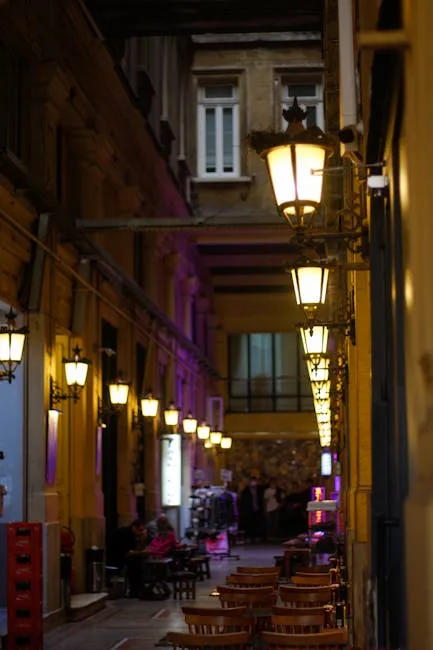
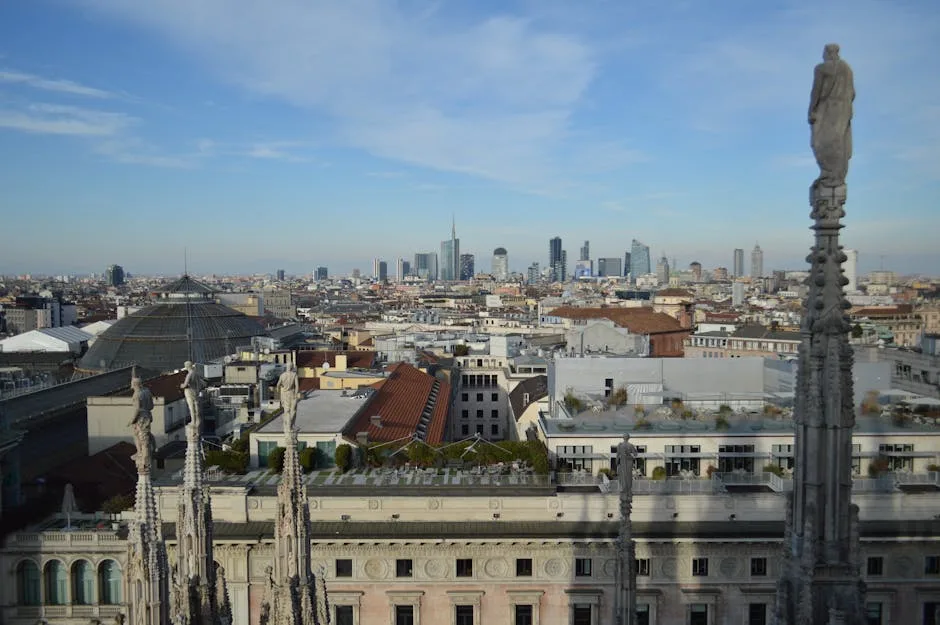
Milan is often, wrongly, seen as a city devoted only to shopping, fashion and business. Sure, Via Montenapoleone, the Duomo and the Quadrilatero della Moda grab the spotlight, but Milan’s true soul hides in narrow streets, suspended gardens, cutting‑edge museums and local markets that reveal themselves to attentive walkers. This guide aims to open the door to those secret Milans: overlooked neighborhoods, forgotten squares and cultural initiatives that show a polyphonic, lively and surprising city.
Here you’ll find a practical, inspiring route to explore Milan off the beaten path. Each section lists concrete places with exact addresses, opening hours, indicative prices and immersive descriptions to help you plan walks by foot or bike. Whether you’re a time‑pressed traveler with half a day or a curious local looking for something new, these suggestions are flexible: mix a cultural visit, a coffee break at an independent roaster and a gastronomic discovery in a neighborhood trattoria.
The routes favor proximity, authenticity and sensory experience: the soft lapping of the secondary Navigli canals at dusk, the green facade of the Bosco Verticale framed by modern buildings, the quiet of the Cimitero Monumentale where funerary art competes with museums, or the artist studios of Lambrate where street art tells the story of industrial rebirth. You’ll also find lesser‑known contemporary creative spaces like HangarBicocca and picturesque spots like Villa Necchi Campiglio, a reminder of an elegant, refined era.
This guide isn’t a mere tourist list: it includes local tips (best times to avoid crowds, specialties to try, convenient transport), seasonal adjustments and budget hacks (free entry on certain days, cultural passes). I’ve aimed to give current, reasonably stable hours and prices, but establishments can change conditions—check before you go.
Finally, these walks don’t aim to rush you: they encourage slow observation and serendipitous discovery. Secret Milan lives in the details — a colorful shopfront, a hidden mural, a morning market where the vendor offers you a slice of cured meat, or a tucked‑away panoramic terrace. Lace up, grab a neighborhood map and let’s explore the lesser‑known corners that make Milan quietly charming.
 Click here to book your ticket for the cathedral and terraces
Isola and Porta Nuova: green modernity and bohemian lanes
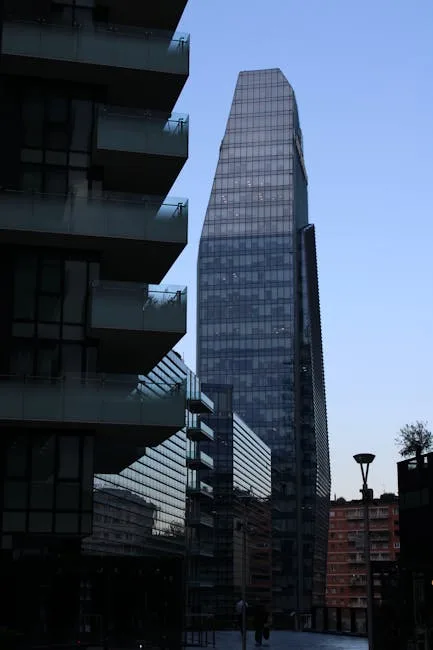
Isola, a former workers’ neighborhood north of the center, has become over the last decade an urban lab mixing contemporary architecture, street art, independent shops and local cafés. The heart of the revival is around Piazza Gae Aulenti (Piazza Gae Aulenti, 20154 Milano), a true contemporary agora dominated by skyscrapers and fountains. It’s an ideal starting point to spot the contrast between Porta Nuova’s vertical skyline and Isola’s more intimate streets.
Things to see and do:
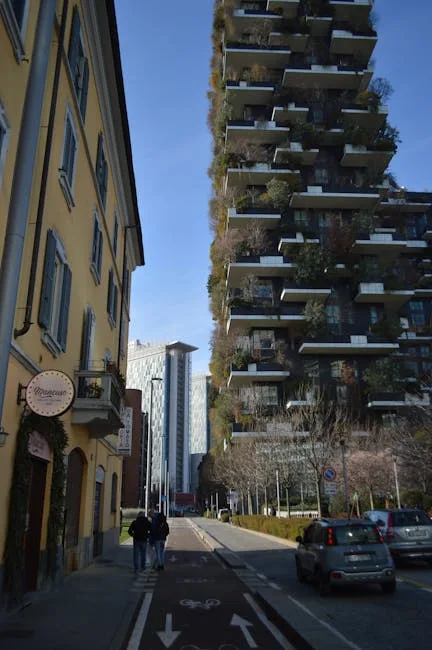
- Bosco Verticale — Via Gaetano de Castillia, 11, 20124 Milano. Free view from the street; the planted islet dresses two iconic residential towers. Photo tip: sunrise or sunset for the best light. Free access (private residences, no public interior visits).
- Corso Como and its passageways — Corso Como, 10, 20154 Milano. Independent shops, concept stores and cafés. Hours vary; shops often 10:00–20:00. Coffee/aperitivo about €6–15.
- Piazza Gae Aulenti — 20154 Milano. Open 24h; public spaces and viewpoints, perfect for taking in Porta Nuova’s modern architecture.
For a local taste, head to Via Borsieri (Via Borsieri, 5–10) where several small trattorie and bars serve cicchetti (Italian tapas) and natural wines: average price per cicchetto €2–4, glass of wine €4–7. The weekly street market (seasonal) offers handmade and vintage goods; typical hours 09:00–18:00 on weekends.
Suggested walk: from Piazza Gae Aulenti, go down via Melchiorre Gioia, pass through Porta Garibaldi station (Piazza Sigmund Freud, 1), then wander the lanes of Isola toward Via Paolo Sarpi for a detour to Milan’s small Chinatown. You’ll find Asian grocers, Cantonese restaurants and dim sum bakeries. Transport options: M2 (green line) Garibaldi FS stop or M5 Isola stop.
Local tips:
- Best time to admire Bosco Verticale: early morning or late afternoon to avoid harsh reflections and the lunch crowd.
- If you love street art, follow Via Antonio Pollaiuolo and Via Cagnola where several murals appear on converted industrial facades.
- For an original aperitif, try a cocktail bar on a Porta Nuova hotel terrace — cocktails about €12–18.
Lambrate and the eastern industrial zone: studios, street art and creative wastelands
East of the center, Lambrate is a classic case of industry reinvented. Long a zone of factories and warehouses, the neighborhood now hosts artist studios, showrooms and design festivals. It’s playground for those who enjoy alternative urban life, unconventional galleries and large‑scale street art.
Highlights:
- Via Ventura (Via Ventura, 14–20, 20134 Milano) — the liveliest corridor for street art and exhibition spaces. Converted warehouses host temporary shows, open studios and artist workspaces. Opening hours vary; often open during events (09:00–19:00).
- HangarBicocca — Via Chiese, 2, 20126 Milano. Contemporary art center housed in a former industrial hall. Permanent exhibitions often free, temporary shows sometimes ticketed (prices approx. €0–€10). Hours: Tue–Sun 11:00–19:00, closed Mon (check site before visiting).
- Officine Creative and local studios — scattered around Via Conte Rosso and Viale Umbria. Studios visitable by appointment; some run artist residencies and open up during Design Week.
Wander slowly to spot monumental murals, often by international collectives. The façades trace the neighbourhood’s evolution from post‑war days to today’s gentrification. For a break, drop into a torrefazione (artisan roastery): Italian-style coffees for a flavourful experience (espresso €1–1.50; cappuccino €1.80–3.50).
Practical tips:
- Check HangarBicocca’s exhibition calendar as major installations can draw crowds and sometimes offer free guided tours.
- On Friday evenings some studios open for vernissages; a great chance to meet artists and curators.
- Transport: tram 33 and bus 56 serve Lambrate; the Milano Lambrate station (Piazzale Cadorna? no — Milano Lambrate, Piazzale Cadorna is different) is a handy local hub for trips outside the centre.
Treat yourself to wellness, a tech dive and an industrial art visit — each doable in half a day
The warm scent of thermal water and steam drifting in an old hall — starting at QC Terme is stepping into a bubble where time slows and every mini‑treatment is designed to reset you.
Follow with very different stops: an interactive show that sparks curiosity and an art campus born from a distillery. Three concrete picks to feel Milan away from the crowds.
1. Relax at QC Terme
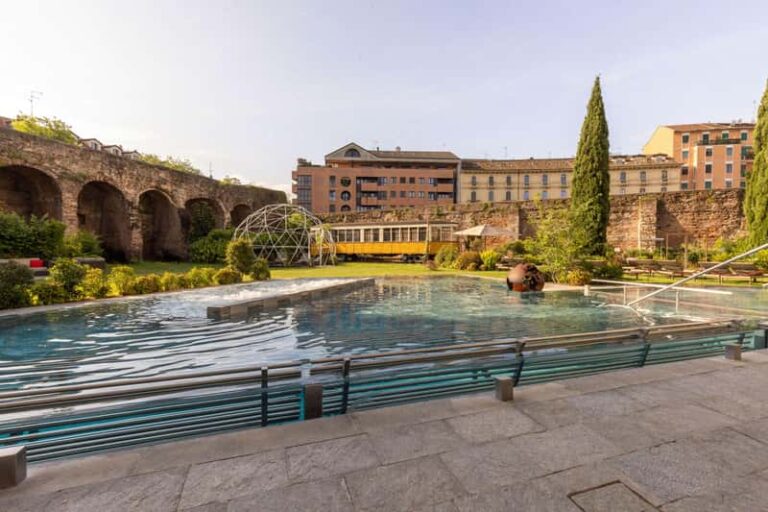
A spa set within ramparts and a pool with crystal walls around ruins: perfect for recovering after city walks, with saunas and a multisensory circuit.
- ⏱️ Duration: 4–5 hours
- 🚩 Start: Via Giuseppe Meda, 2 — Porta Romana
- 💡 Highlight: Cinema pool and bio‑sauna inside a historic tram
2. STEP Futurability
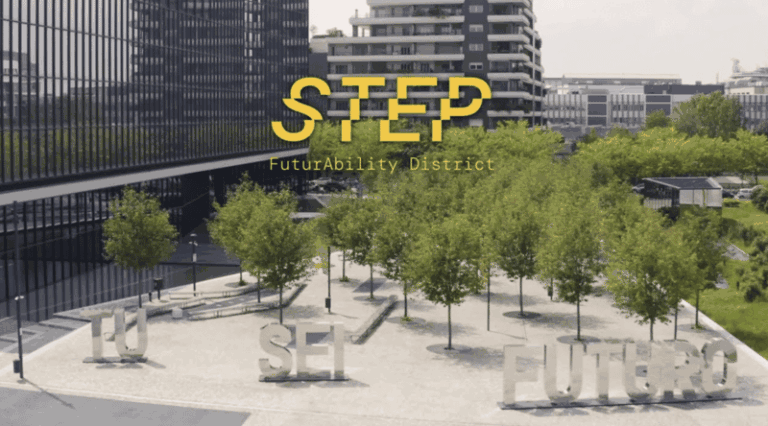
A short interactive expo to test future tech and skills: augmented reality, robots and the « FuturAbility » test — playful and accessible for everyone.
- ⏱️ Duration: 1 hour
- 👥 Format: Self‑guided interactive visit
- ❤️ Great for: Families and tech curious
- 🗣️ Languages: Italian, English
3. Fondazione Prada — art in the wasteland
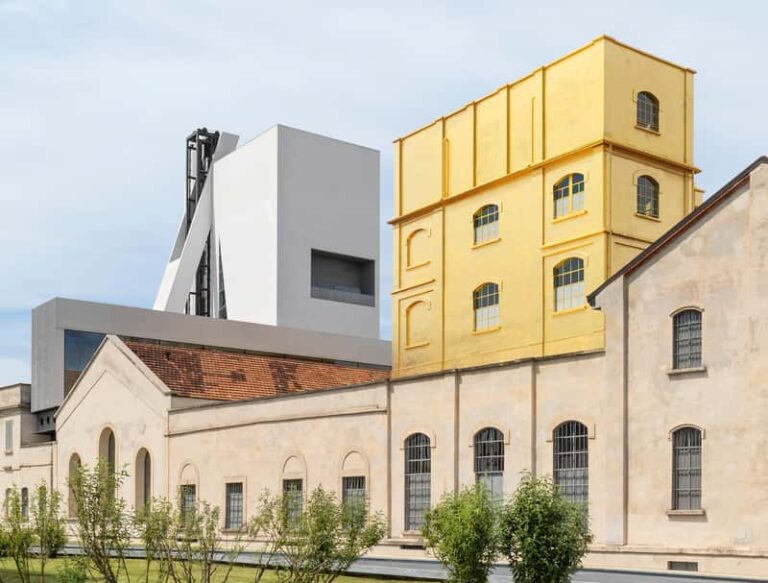
A museum campus born from a rehabilitated distillery: OMA‑designed architecture, contemporary exhibitions and the famous Bar Luce for a timeless pause.
- ⏱️ Duration: 2–4 hours
- 📍 Route: Via Chiese / Largo Isarco — easily combined with Lambrate
- 💡 Highlight: Dialogue between industry and contemporary art
- 🎟️ Includes: Access to exhibition halls (depending on ticket)
Porta Romana and the baths: crafts, cafés and hidden villas
Porta Romana is often overlooked by tourists but full of neighbourhood cafés, craft workshops and small urban villas. The vibe is more residential and authentic—perfect for watching everyday Milanese life and enjoying good local eats without the centre’s crowds.
To see:
- Terme Milano (QC Termemilano) — Via Giuseppe Meda, 2, 20136 Milano (on the edge of the Porta Romana area). Modern spa complex with thermal pools, saunas and treatments. Hours: typically 09:00–22:00 (varies by season). Price: from around €30–€45 for day access, treatments extra. Perfect for a relaxing break after a morning of wandering.
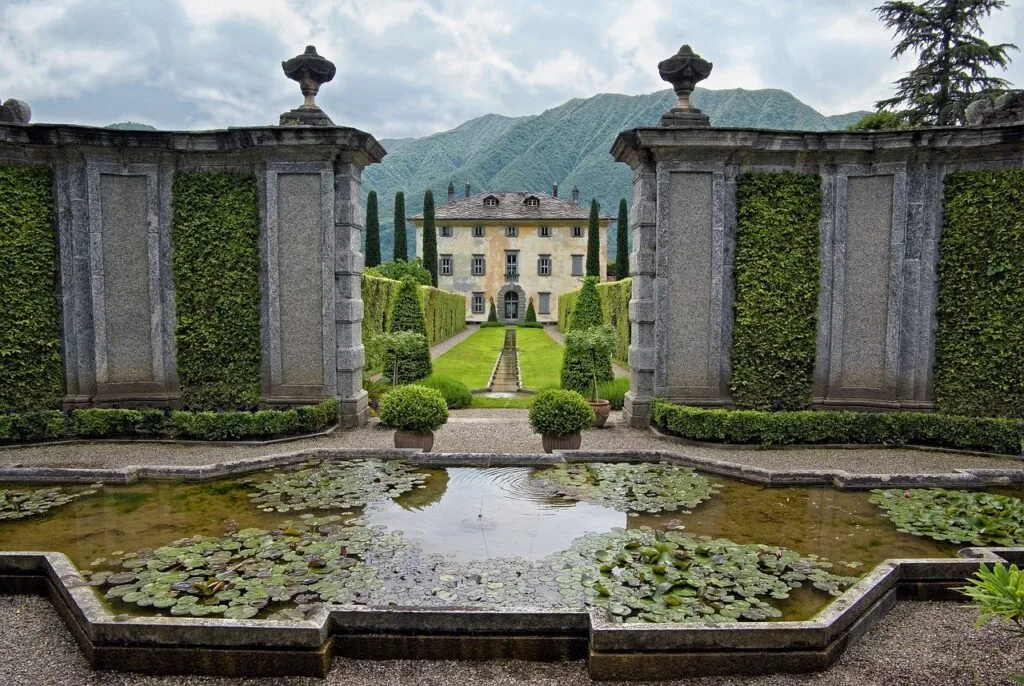
- Villa Necchi Campiglio — Via Mozart, 14, 20122 Milano. Art Deco house-museum preserved with original furnishings. Hours: Tuesday–Sunday 10:00–18:00 (last admission often 17:00). Tickets: adult around €10–€12, concessions available. Booking recommended in high season.
- Via Savona and its small craft shops — several designer ateliers, concept stores and cafés. Ideal for buying local and design objects on a human scale.
Recommended stroll: start with a coffee at the local café (cappuccino €1.80–3.00), head to Via Muratori and Via Orti to find small bookstores and workshops, then finish with a visit to Villa Necchi Campiglio. If you need relaxation time, devote the afternoon to QC Terme Milano, booking the most sought-after treatments in advance.
Local tips:
- The streets off Via Vitruvio offer delicatessens and artisan pastry shops; try a local pastry for a snack (price €2–4).
- Porta Romana is well served by the M3 metro (yellow line) stop Porta Romana; ideal for getting directly to the city center or Centrale station.
- For dinner, look for a family-run osteria on Viale Isonzo for regional dishes at fair prices (main courses €10–18).
Click here to book your ticket for Villa Necchi Campiglio
Click here to book your ticket for QC Terme Milano
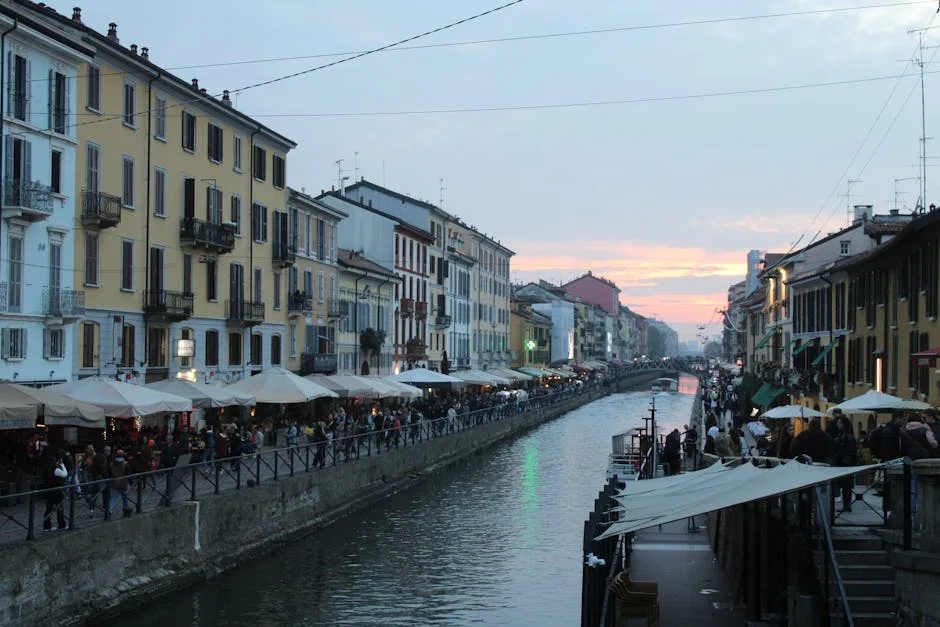
Hidden Navigli and Ticinese: discreet canals, workshops and night markets
The Navigli are one of Milan’s most photogenic faces, but there are quieter stretches of the canal network—especially around the Naviglio Pavese and the smaller alzaie—that stay away from the crowds. Nearby Ticinese mixes medieval heritage, small vintage shops and alternative cafés, perfect for a late-afternoon stroll that runs into the evening.
Points of interest and addresses:
- Naviglio Grande — Alzaia Naviglio Grande (sections between Ponte San Marco and Via F. Sforza): walks along the canal; bars and restaurants. Many places offer aperitivo (buffet + drink): price €8–15. The vibe is best late afternoon, golden hour into late evening.
- Darsena (Piazza XXIV Maggio) — 20123 Milano. Former port turned urban basin, surrounded by cafés and restaurants. Free access; frequent cultural events (markets, concerts), especially on summer evenings.
- Mercatino Vintage di Navigli — Sunday markets and pop-up evening events along the alzaie; typical hours Sunday 10:00–18:00. Prices vary by purchase (vintage clothing €5–60).
Tips for a perfect walk:
- Start at the Darsena before sunset, follow the Alzaia del Naviglio Grande toward Naviglio Pavese for a romantic route. In the evening, small tourist boats offer mini-cruises on the canal (indicative fare €10–€15).
- For great shots, look for secondary bridges and narrow passages where light reflects on the water. A wide-angle lens will emphasize the perspective of the alzaie.
- If you want a local dining experience, look for a trattoria off the busiest stretches (Via Conchetta and Via dei Lavandai have calmer options). Main dishes often cost €10–18; risotto alla milanese is frequently on menus.
Safety and comfort: the banks are generally lively but avoid leaving bags open at night. If you travel in summer, expect crowded terraces; book a table for dinner or enjoy aperitivo to nibble while sipping a Spritz (spritz price €6–10).
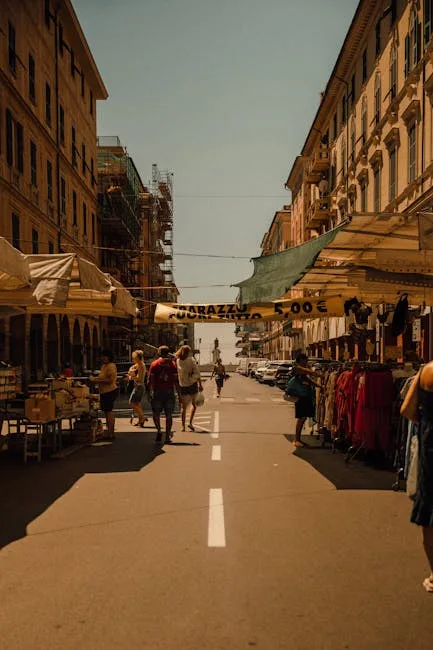
Markets and micro-neighborhoods: Via Papiniano, Chinatown and the local market
Milan moves to the rhythm of its markets: food, vintage and producer markets. To know the city, spend a morning at a local market, taste fresh produce and chat with vendors who have worked there for generations. Three micro-neighborhoods deserve special attention: Via Papiniano, Chinatown (Via Paolo Sarpi) and the neighborhood markets around Porta Romana.
Addresses and practical info:
- Mercato di Viale Papiniano — Viale Papiniano, 39, 20123 Milano. Large street market, active in the morning (typically 07:00–14:00), offering fruits, vegetables, clothing and household items. Ideal for tasting local street food and vintage shopping; typical budgets: food €1–6, vintage clothing €5–40.
- Via Paolo Sarpi — Chinatown — main shopping street of the Sino-Milanese community. Shops and grocers usually open 09:00–20:00; dim sum restaurants and bakeries open from early morning. Price for an affordable meal: €8–15.
- Mercato Comunale di Via San Martino (or other neighborhood markets) — check local hours; generally morning until 14:00. Local products, cheese shops and charcuteries with occasional tastings.
Tips for wandering:
- Arrive early (between 08:00 and 10:00) to enjoy the best produce and the vendors’ energy. After 12:00 some stalls start closing up.
- Taste the specialties: panzerotti (fried stuffed dough) at street stands, olive ascolane at some markets, and cannoli in Chinatown bakeries.
- Haggle politely for vintage items — sellers appreciate courtesy and will sometimes be open to negotiating (especially at the end of the market when they want to move stock).
For photography lovers and street atmosphere seekers, Via Papiniano on a Sunday morning is a goldmine: colors, voices, textures and everyday scenes. Bring a reusable bag and small change to make buying from local producers easier.
Conclusion — Getting lost to better know Milan
Exploring Milan by focusing on its lesser-known neighborhoods means embracing the pleasure of getting lost — and being rewarded with unexpected finds. The routes in this guide reveal a multifaceted city: green modernity in Isola and Porta Nuova, industrial creativity in Lambrate, aristocratic calm at Villa Necchi, and the popular atmosphere of the Navigli and markets. Each place shows a different side of Milan, far from tourist clichés.
To get the most from these walks, set your pace: start early for markets and museums, book visits if they matter to you (Villa Necchi, QC Terme, temporary exhibitions), and leave room for last-minute discoveries. Walk and cycle when you can: many neighborhoods are best explored on foot and offer shortcuts public transport doesn’t always take. Trams and the metro (notably lines M2, M3, M5) make access easier, while walking reveals architectural details and street atmospheres.
Don’t forget a few etiquette rules: respect private spaces (many workshops and terraces are real living places), ask permission before photographing people, support local shops and, if possible, buy local. Small habits — bringing your reusable bag to the market, leaving a discreet tip at a café if you were served at the table, booking aperitivo on summer evenings — make all the difference.
Finally, let curiosity lead you. Secret Milan is discovered in layers: a café, an alley, a painted staircase, a tucked-away gallery. Return at different times of day and across seasons: a street can be transformed by morning light, the hush of a rainy afternoon or the buzz of a festival. This guide should give you reliable anchors — addresses, opening times, prices — but the true richness comes from your own encounters and impressions on the ground. Enjoy your stroll in Milan: may it be slow, surprising and generous with discoveries.