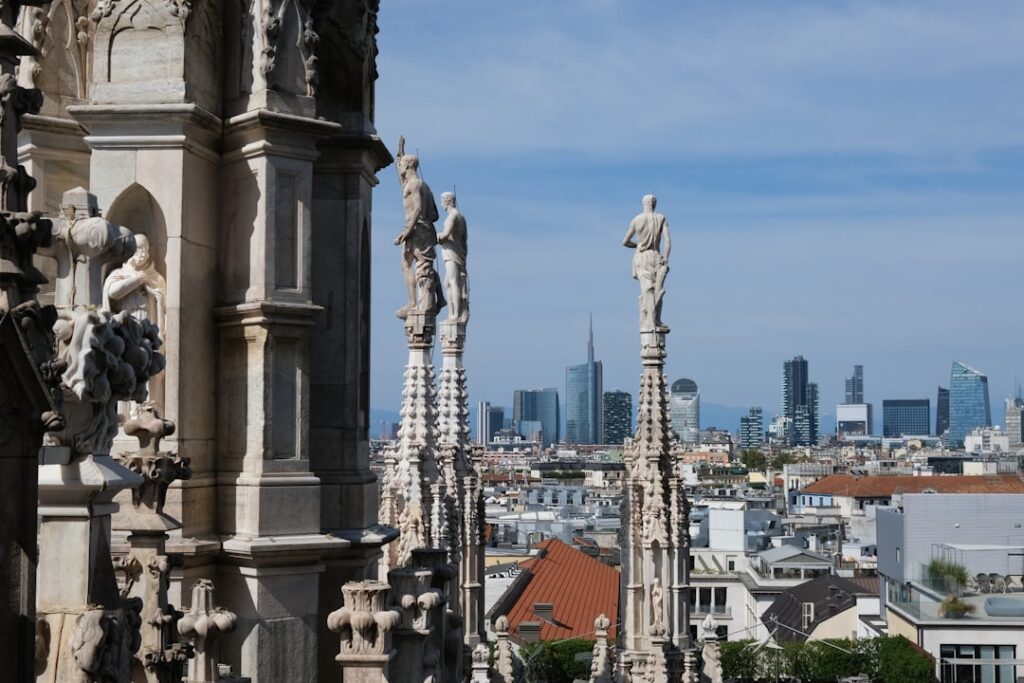






Introduction — Vertical Offices: Working in Milan’s Tower Skyline
Milan, Italy’s economic and financial heart, has evolved over recent decades into a metropolis where verticality isn’t limited to cathedral spires or factory chimneys: it now manifests in office towers, green skyscrapers and mixed-use complexes where people work, meet and unwind dozens of floors above the street. Working in a Milanese tower means plugging into a dense urban ecosystem where contemporary architecture converses with Lombard tradition, where gentle mobility meets major transport hubs, and where corporate services compete to attract talent and investment.
In this long, in-depth guide we’ll explore what day-to-day life looks like when you work high above Milan: the landmark buildings — like the UniCredit Tower at Piazza Gae Aulenti, Palazzo Lombardia on Via Melchiorre Gioia, and the Torre Allianz in CityLife — useful addresses, public access times, ticket prices when there are observation decks or guided tours, and immersive descriptions of workplace environments. We’ll also cover the little things that matter: company cafés and canteens, in-tower gyms, nearby green spaces (Bosco Verticale is more than a visual icon — it’s a micro-ecosystem), plus practical tips for getting around, grabbing a bite and balancing productivity with quality of life at the top of Milanese towers.
Whether you’re a remote worker hunting for a vertical coworking space, an executive planning to set up offices in Milan’s skyline, a curious tourist wanting to see the city from an urban lookout, or a business traveler spending a few weeks in town, this article will give you concrete, practical details: exact addresses, opening hours, indicative prices in euros, and local recommendations to optimize your routine. We’ll also describe the sensory experience: morning light dancing on glass façades, the click of an express elevator, panoramic views threading between the sleek silhouettes of Porta Nuova and the red-tiled roofs of the historic centre.
Finally, this guide takes a hands-on approach: how to enjoy a lunch break with a view of the Bosco Verticale, how to access Palazzo Lombardia’s observation deck, where to find an early-morning coffee near a tower entrance, and which routes to prefer to avoid rush hour. We’ll include visual markers to better situate the places and inspire your visit or business relocation to Milan.
Urban landscape and the architecture of Milanese towers
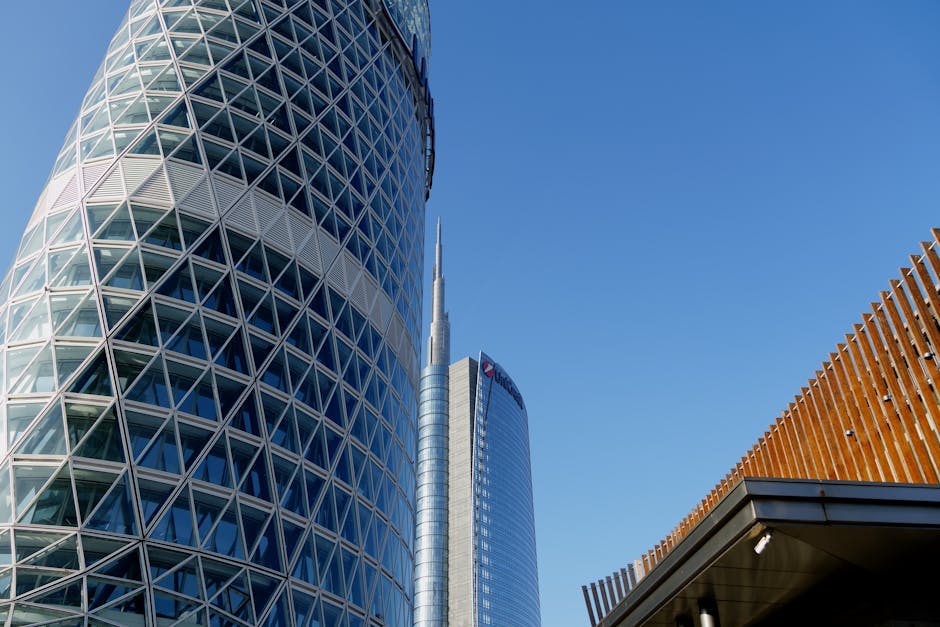
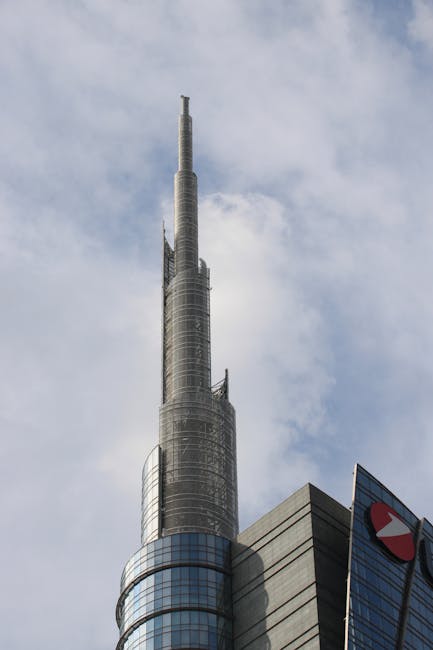
Milan’s contemporary face is unmistakably shaped by recent urban projects that have redrawn the skyline. One of the most striking examples is the Porta Nuova district, centred on the UniCredit Tower (Piazza Gae Aulenti 10, 20154 Milano), a symbol of urban regeneration. Designed by architect César Pelli, the tower is topped by a glass-and-steel spire reaching 231 metres (including the antenna). The piazza’s forecourt is open to the public, featuring water jets and modern sculptures; many offices boast glass façades with views over the square and the skyline. The complex is freely accessible during the piazza’s opening hours (typically 07:00–22:00); the towers themselves remain mostly private, but retail spaces and restaurants are open to visitors.
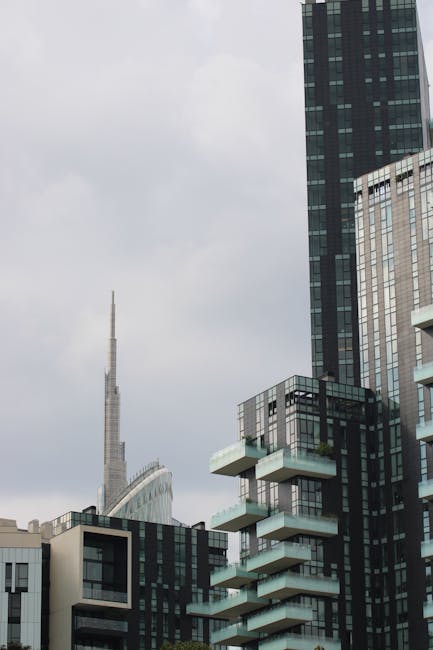
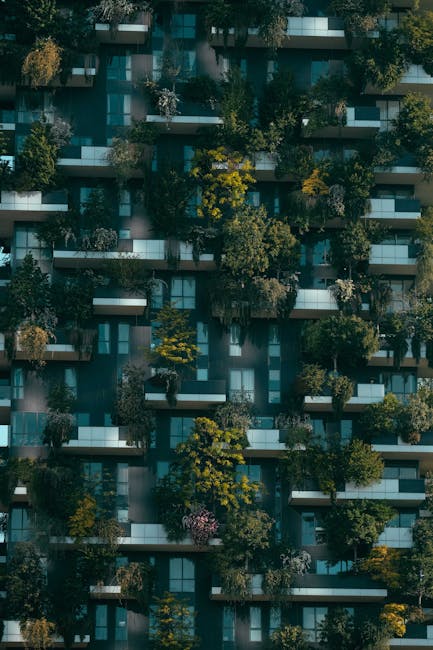
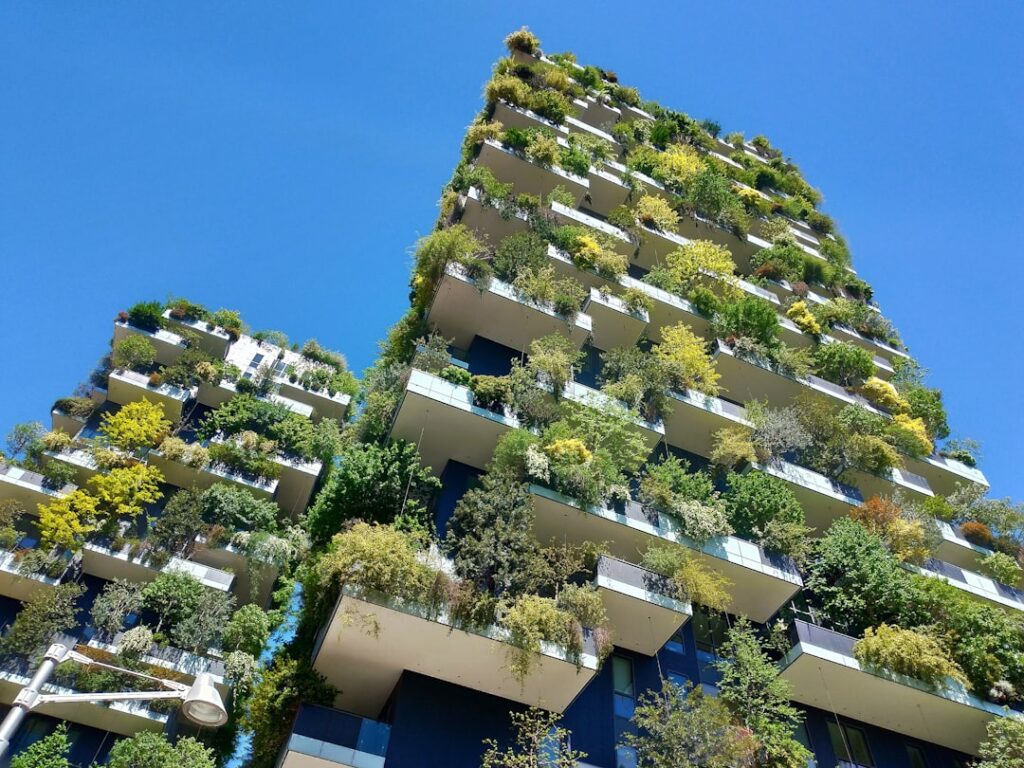
Just nearby, the Bosco Verticale (Via Federico Confalonieri 28, 20124 Milano) presents a very different concept: two residential towers covered with vegetation where balconies and façades host hundreds of trees and shrubs. Although Bosco Verticale is primarily residential rather than an office building, it has influenced new office tower designs that now incorporate terrace gardens, green sunshades and sustainable irrigation systems. The contrast between reflective glass and green envelopes is striking and offers fresh perspectives on high-rise workspaces: greenery becomes a wellbeing feature and a natural sound buffer.
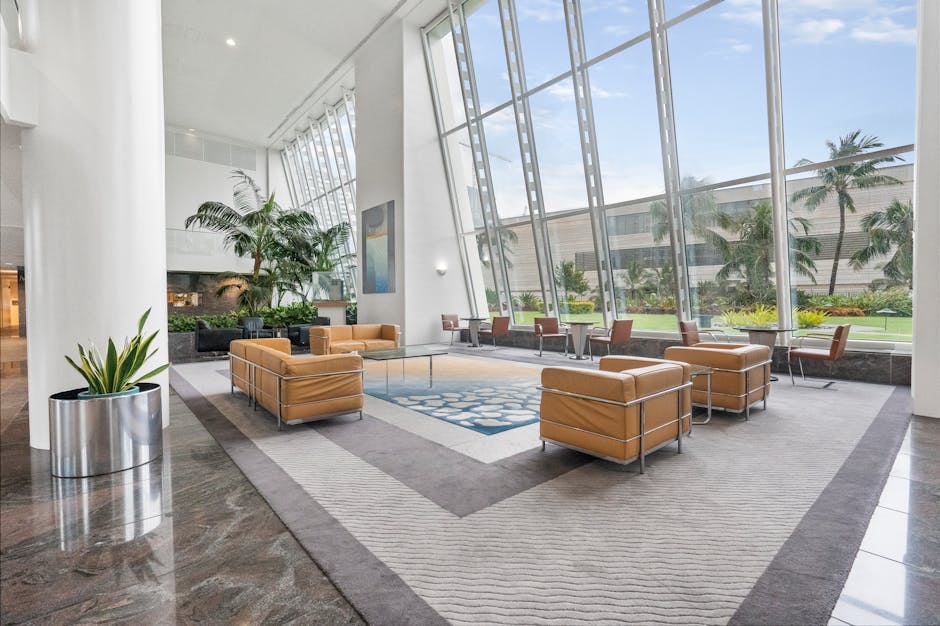
In the CityLife area, the Torre Allianz (Piazza Tre Torri, 20145 Milano), designed by Arata Isozaki, combines office space with corporate facilities, while the Torre Isozaki itself (Via Gaetano De Castillia 11?) and surrounding towers contribute to an urban composition that rethinks public space for pedestrians and cyclists. These complexes often include underground parking, conference centres, auditoriums and retail areas. Glass façades, bright atriums and welcoming lobbies are designed to create an immediate impression of modernity and professional comfort.
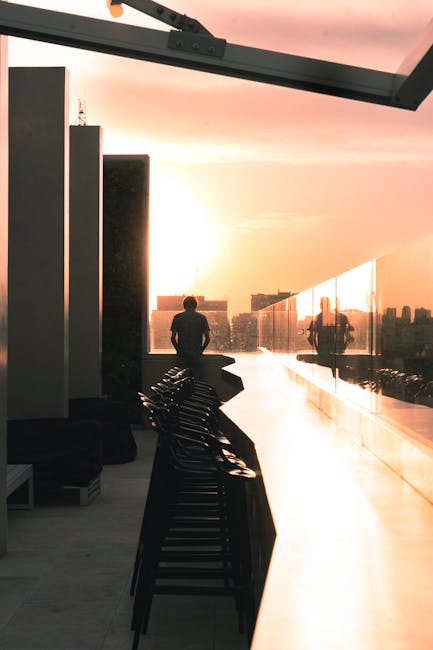
Don’t overlook the Palazzo Lombardia (Via Melchiorre Gioia 37, 20124 Milano), seat of the Lombardy Region, which features a public viewpoint offering wide views over Milan’s rooftops. Representing the institutional and administrative pole of the city, the building merges meeting spaces, administrative offices and areas open to the public. Here, public architecture meets the efficiency of private towers: controlled security, dedicated elevators and visitor reception hours.
 Click here to book your ticket for the Sforza Castle
Working in a tower: offices, services and daily life
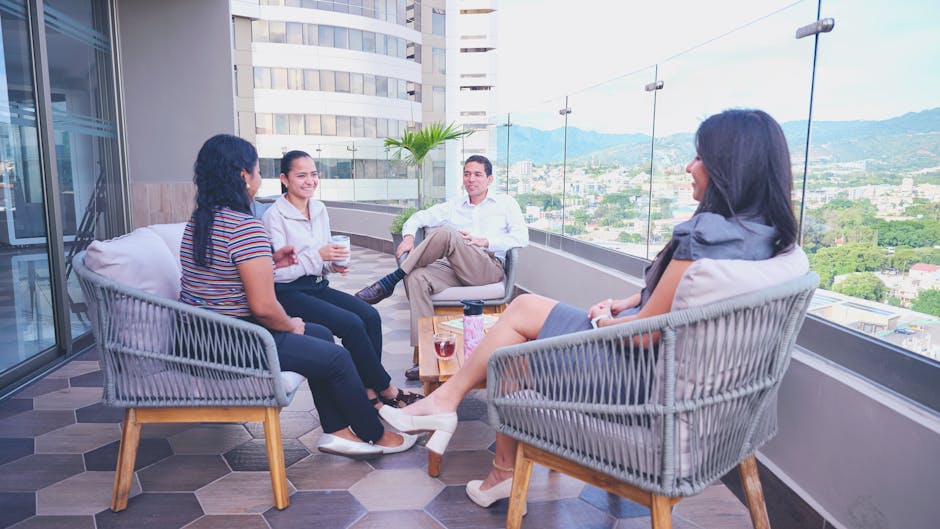
Stepping into a high-rise office in Milan often means passing through a glass door into a light-filled atrium, where the transition from street to workplace is carefully considered down to the materials. Modern towers now offer much more than open-plan desks: modular meeting rooms, coworking areas, shared kitchens, corporate nurseries, gyms, showers and changing rooms, concierge services, and sometimes even hanging gardens. Service quality is a major selling point for attracting and retaining talent.
Click here to book access to the BULB gym
Costs and logistics vary: renting a traditional office in a prestigious Milan tower can start around €300–450/m²/year in areas like Porta Nuova or CityLife (indicative rates, depending on floor and amenities), while coworking spaces in those districts offer day passes from €15 to €50, monthly subscriptions between €200 and €600, and private offices from roughly €700 per workstation per month. These figures fluctuate with demand, office size and included services (reception, cleaning, meeting rooms, printing).

On a daily basis, logistics matter: towers are equipped with high-speed elevators, but peak times (generally 08:00–09:30 and 17:30–19:00) sometimes require careful flow management, with elevators zoned to serve groups of floors. Security often requires accreditation, a badge or an appointment for visitors. Typical Milan office hours follow the European model: 09:00–13:00 and 14:00–18:00, but many companies adopt flexible schedules and hybrid workweeks.
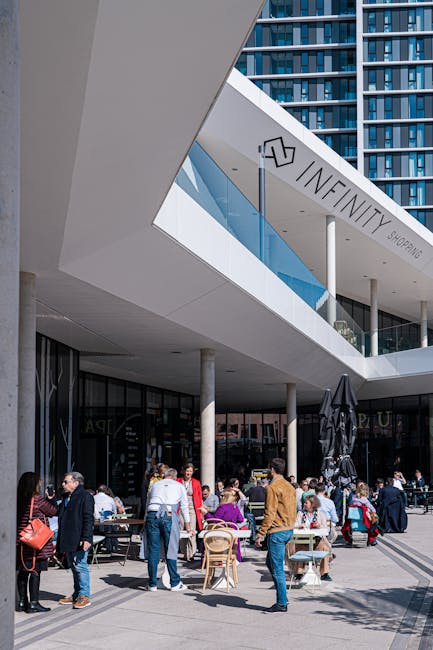
Lunch in a tower can be a pleasant experience: many buildings include company cafeterias, food courts or ground-floor restaurants. In Piazza Gae Aulenti, for example, you’ll find options ranging from €3–5 for an espresso and cornetto to full lunches between €10 and €25. For busy professionals, delivery services (Deliveroo, Glovo, Uber Eats) are widely available, and it’s common to see employees enjoying meals in bright communal areas or on terraces as soon as the first warm days of spring arrive.
Routes, must-see spots and services around the towers
Working in a Milan tower also means enjoying strategic proximity to transport and services: metro stations, tram stops and bus lines are often close at hand. Here are practical points of interest around the towers where you can hold meetings, take breaks or go for an afterwork drink.
1) Piazza Gae Aulenti and Porta Nuova
Main address: Piazza Gae Aulenti, 20154 Milano. Hours: the piazza is open to the public 07:00–22:00; shops typically open 09:00–20:00 (varies). Activities: cafés, restaurants (Eataly Milano Smeraldo at Corso Como 10, open 10:00–23:00, dishes €8–30), terraces and pop-up markets. Tips: arrive early to photograph the light on the UniCredit Tower; for lunch, reserve popular restaurants between 12:30 and 13:30.
2) Bosco Verticale and Via Federico Confalonieri
Address: Via Federico Confalonieri 28, 20124 Milano. The area is mostly residential; feel free to stroll during the day (07:00–19:00) to admire the planted balconies. Tips: respect residents’ privacy and take photos from the street or nearby parks. Nearby: the Corso Como shopping area and its boutiques, ideal for business gifts or a coffee between meetings.
3) Palazzo Lombardia and the viewpoint
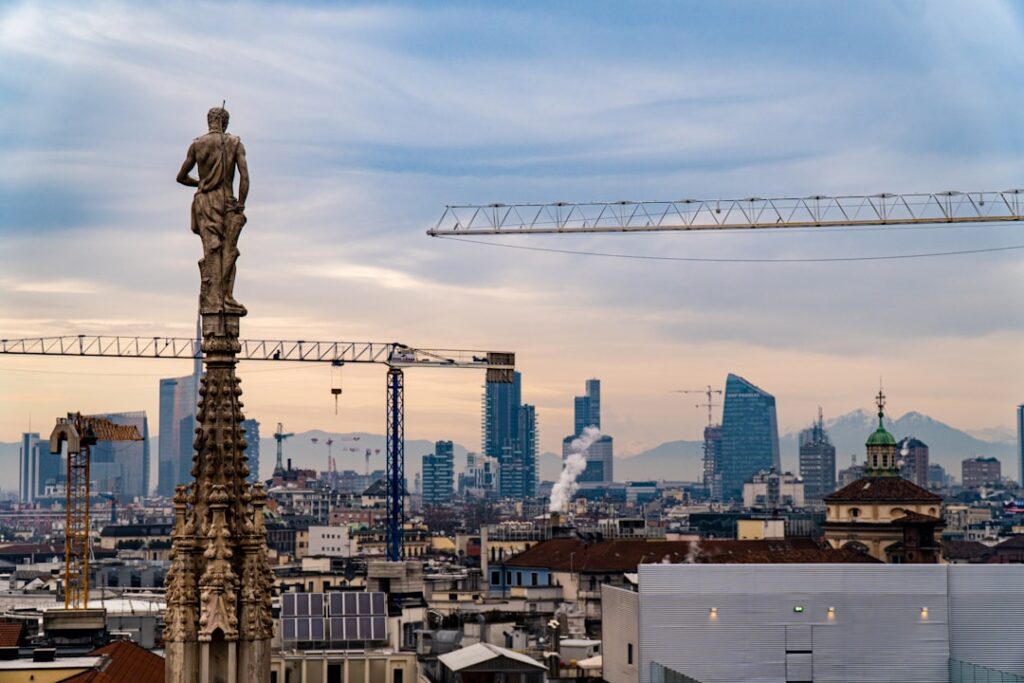
Address: Via Melchiorre Gioia 37, 20124 Milano. Public visiting hours: generally 09:00–17:00 on weekdays (check before visiting). Price: access to Palazzo Lombardia’s observation deck is often free but may require registration during official events. Tips: check the Regione Lombardia calendar online to book a guided visit or an observation slot; the view is excellent at sunset for spotting the Duomo and Sforzesco Castle.
4) CityLife Shopping District and Torre Allianz
Address: Piazza Tre Torri, 20145 Milano. Hours: shops 10:00–21:00 depending on the store; outdoor areas open early morning. Services: large underground car parks, bicycle access, neighbourhood events. Prices: activities vary — cinema and restaurants from €8 to €35. Tip: CityLife park is perfect for a morning run before work or informal outdoor meetings when the weather is fine.
5) Access and transport
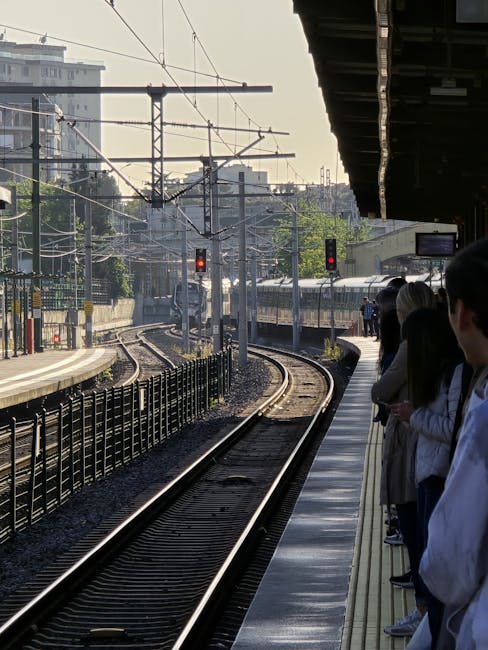
Key stations: Garibaldi FS (metro M2/M5) for Porta Nuova; Tre Torri (M5) for CityLife; Gioia (M2) for Palazzo Lombardia. Transport fares: a single ATM urban ticket (90 minutes) costs about €2.20 (indicative); booklets of 10 tickets are often available. Tips: buy a MilanoCard or use day tickets if you plan multiple trips; free-floating electric bikes are very handy for short hops between towers.
Click here to book your tickets for the Duomo terrace
Local practical tips for workers and visitors
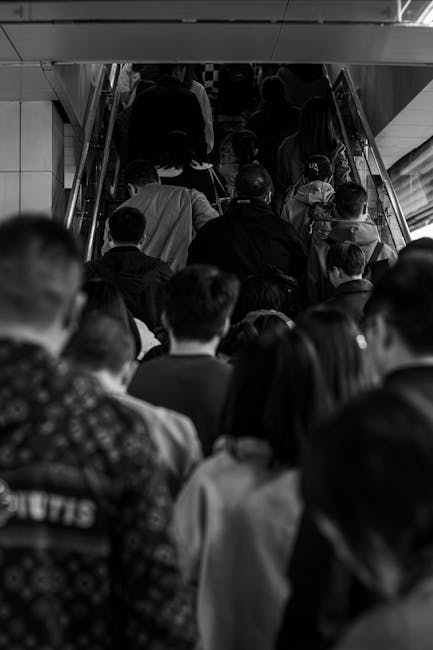
Milan is a practical city, but to make the most of working in a tower there are a few local habits that will help. First, plan your travel outside peak hours: elevators and metros are very busy between 08:00–09:30 and 17:30–19:00. If your employer allows it, opt for flexible hours (starting at 08:30 or 09:30) or remote work some days to gain calm and avoid queues.
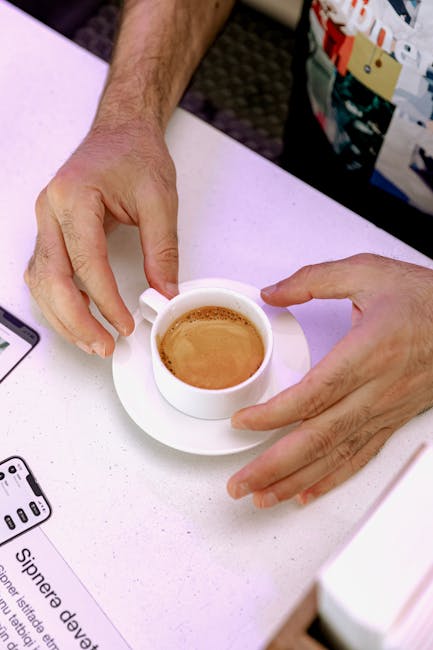
Next, respect the culture of lunch. Milanese lunch breaks are often social: colleagues typically meet for a hot meal between 12:30 and 14:00. Locate company canteens, neighbourhood food courts (lunches €8–20 depending on choice), or good cafés for a quick espresso (around €2–3). For business meetings, prefer cafés and hotels with private rooms: Palazzo delle Stelline or some 4-star hotels around Porta Nuova offer « business lunch » packages from about €18.
Regarding professional etiquette, dress tends to be smart-casual in startups and innovative firms (clean jeans, blazer), while financial companies and law firms keep to a more formal code. Meetings are often scheduled by email; be punctual — timeliness is appreciated and builds trust. Visitors should carry an ID if they need access to secure floors, and allow extra time for reception check-in.

Finally, for those planning a long-term relocation: research the ancillary services around your chosen tower (childcare, gym, secure parking), negotiate maintenance and access clauses during lease talks, and request viewings during working hours to gauge the real atmosphere. Milan is continuously improving workplace quality through green projects, sustainable mobility initiatives and a rich cultural calendar of evening events and exhibitions — take advantage of it to balance work and city exploration.
Conclusion — Why choose Milan’s vertical life for work?
Working in Milan’s towers means opting for a professional lifestyle focused on efficiency, prestige and innovation. Towers such as the UniCredit Tower (Piazza Gae Aulenti 10), Palazzo Lombardia (Via Melchiorre Gioia 37), CityLife’s cluster (Piazza Tre Torri) and the iconic projects around Bosco Verticale (Via Federico Confalonieri 28) provide environments that support concentration, collaboration and corporate image. They reflect a desire to align productivity with wellbeing: glass façades to maximize natural light, green areas for breaks, and integrated services to save time.
Practically speaking, these locations benefit from strong transport links (metro, tram, rail) and a wide service offering (restaurants, gyms, concierge) that make professional life easier. Expect higher rents in premium districts — but compensated by visibility, logistical convenience and an attractive setting for staff. For visitors, Milan’s verticality reveals itself through walks in the piazze, terrace stops and public viewpoints like Palazzo Lombardia’s deck, which help explain the richness of the city’s skyline.
If you’re planning to open an office or work in Milan, schedule a pre-visit during office hours, try coworking options and negotiate flexible access and service clauses. To fully enjoy the city, combine days working in towers with explorations of historic neighbourhoods: the Duomo, Galleria Vittorio Emanuele II and Castello Sforzesco are never far away. Above all, remember that the human dimension matters most: despite the height and sometimes impersonal scale of towers, it is people, networks and company culture that bring these large spaces to life. Milan, with its mix of bold architecture and heritage, is fertile ground to imagine the vertical workplace of tomorrow.