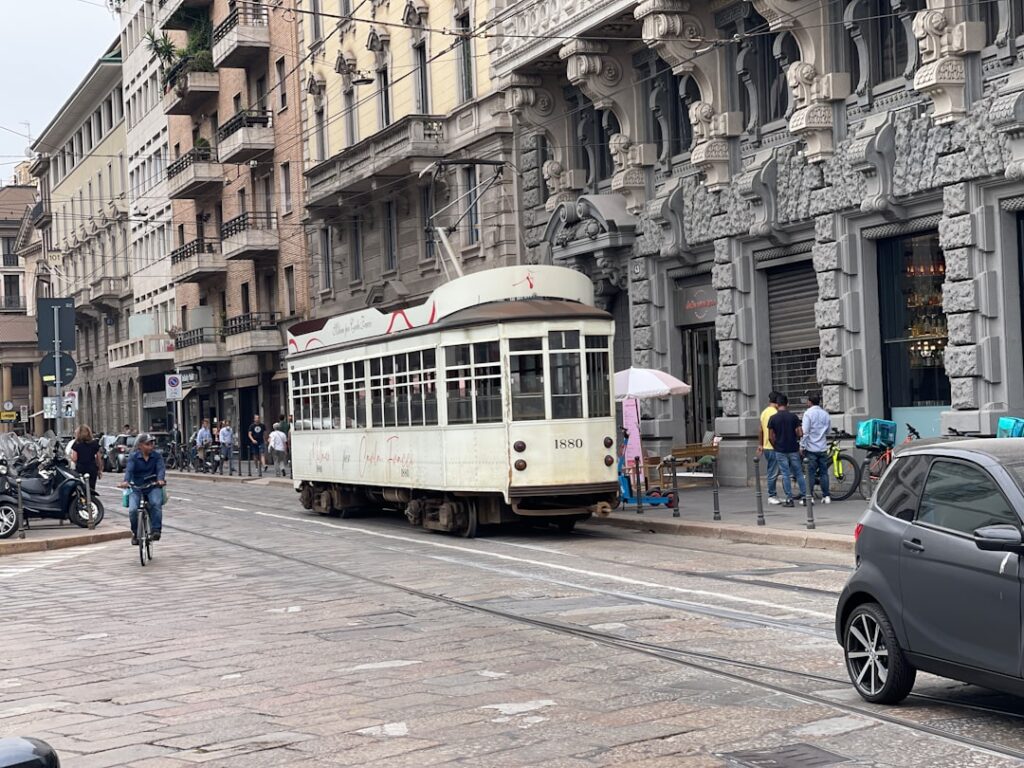






Introduction — Why tram stops matter so much in Milan
Milan isn’t just Europe’s capital of fashion and design; it’s a city made for public transport, especially the tram. The iconic yellow and red trams that weave through the Lombard capital are more than just a way to get around: they’re an immersive way to feel the city’s pulse, take in the architecture, spot independent shops and make spontaneous detours to authentic cafes and trattorie. For travelers looking to make the most of their time between cultural sites, shopping and food breaks, knowing the best tram stops near the main attractions is a real advantage.
This article gives you a targeted “Top 8”: eight strategic tram stops a stone’s throw from Milan’s major monuments, museums and neighborhoods. For each stop I offer a vivid description, the exact address of the nearest attraction, typical opening hours, indicative prices in euros and local tips — from how to dodge the crowds to the best time for photos, which ticket to buy and where to sit to enjoy the ride. The goal is twofold: to streamline your travel and to enrich your visit.
You’ll also find visual cues (image markers) to help you picture the scenes and prep your camera: sunset over the cathedral, the Scala façade in the soft morning light, reflections on the Navigli canals at dusk. These visual suggestions can guide you to the best framing and times to visit.
A few practical notes before we start the Top 8: ATM (Azienda Trasporti Milanesi) runs trams, buses and the metro. A standard ticket (indicative recent fare) is around €2.20 for a 90‑minute journey across the network; there are also 24h, 48h and 72h passes for frequent visitors (check updated prices on atm.it). Trams usually run from early morning (around 5:00) until midnight, with some lines operating at night. Expect busy stops in tourist areas: validate your ticket when boarding and keep an eye on your belongings.
Now hop on: here are the eight tram stops you absolutely should know to enjoy Milan’s attractions, each presented with exact address, hours, price and on‑the‑ground tips.
1. Piazza del Duomo — Tram stop for Milan Cathedral
Recommended stop: Piazza del Duomo (Duomo di Milano) — Attraction address: Duomo di Milano, Piazza del Duomo, 20122 Milano
Immersive description: Getting off at Piazza del Duomo literally drops you into one of Europe’s most spectacular squares. The Gothic façade of Milan Cathedral (Duomo di Milano), in white and pink marble, dominates the scene; soaring spires, statues and balustrades create a grand setting. Nearby, the Galleria Vittorio Emanuele II with its glass dome and Via Dante leading to Castello Sforzesco complete the picture. The vibe changes throughout the day: in the morning the low light brings out the sculptures’ details, while at sunset the stone warms to golden tones and the square fills with street performers and photographers.

Hours & prices: Cathedral — general opening hours for the cathedral area and crypts are usually 08:00–19:00 (may vary with season and religious services). Entry to the cathedral (ground‑floor visit) is free (donations recommended); access to the terraces (stairs/elevator) costs around €6–€13 depending on the option (stairs cheaper, elevator more expensive). Duomo Museum and combined options: roughly €8–€18 depending on the package. These prices are indicative: book online to skip the line and check up‑to‑date fares.
Local tips: Buy terrace tickets in advance, especially in high season — it can save you hours in line. Arrive early (before 09:00) for soft light and fewer people; by the afternoon the square quickly fills up. If you want a photo without crowds, either go up to the Duomo Museum terrace or wait for sunrise. From the tram stop just follow the crowd: the cathedral is only a few dozen meters away. Dress respectfully if you plan to enter (shoulders and knees covered).
 Click here to book your tickets for the Duomo and rooftop terraces

2. Cairoli / Castello — Ideal stop for Castello Sforzesco and Parco Sempione
Recommended stop: Cairoli Castello — Attraction address: Castello Sforzesco, Piazza Castello, 20121 Milano
Immersive description: The Cairoli stop (also signed Castello) drops you in the shadow of the massive walls of Castello Sforzesco, a medieval fortress turned museum complex. Passing through the main gate and Piazza Castello you immediately feel the mix of history, art and green space: the castle museums (painting galleries, decorative arts, musical instrument collections) and just beyond, Parco Sempione — a large green oasis home to the Arco della Pace. The park is perfect for a picnic, an easy stroll and wide views from Torre Branca.
Hours & prices: Castello Sforzesco — museums are usually open 09:00–17:30/19:00 depending on the venue; some are closed on certain Mondays (varies by museum). Combined tickets for the civic museums: generally around €5–€10 for a single entry, with discounts for students and seniors; temporary exhibitions may cost €8–€15. Parco Sempione is free and open 24/7 (some areas are lit at night).
Local tips: Get off at Cairoli and cross Piazza Castello to avoid the tourist bustle on Via Dante. Buy a combined ticket if you plan to visit multiple sections of the Castello (it’s often cheaper). For a picture‑perfect view, climb Torre Branca (paid entry) or head to the alleys around the park’s small lake at sunset. In summer bring water and a hat — some central parts of the park have little shade at certain hours.
Click here to buy your ticket for Sforza Castle with audio guide
3. Sant’Ambrogio — Stop for Basilica di Sant’Ambrogio and the historic quarter
Recommended stop: Sant’Ambrogio — Attraction address: Basilica di Sant’Ambrogio, Piazza Sant’Ambrogio, 20123 Milano
Immersive description: Basilica di Sant’Ambrogio, one of Milan’s oldest churches, is just steps from the Sant’Ambrogio tram stop. Its Romanesque façade, with restrained lines and a bell tower, contrasts with the city’s hustle. Inside you’ll find a contemplative atmosphere, a medieval cloister and ancient mosaics. The surrounding neighborhood — cobbled streets, small cafes and antique shops — is perfect for wandering after your visit and for finding a truly local espresso away from tourist traps.

Hours & prices: Basilica di Sant’Ambrogio — typically open to visitors from around 07:30/08:00 to 18:30/19:00 (service times vary). Entry to the basilica is free; visiting the cloister and archaeological museum costs around €3–€5. Some areas may close during religious services.
Local tips: Visit early in the morning to enjoy the calm and the golden light filtering through the windows. Afterward, cross Piazza Sant’Ambrogio for traditional Milanese dishes in a family‑run osteria: risotto alla milanese or ossobuco often cost between €12 and €20 depending on the venue. If you’re interested in local markets, the Mercato di Sant’Ambrogio (on selected days) offers fresh produce and a lively atmosphere. To get to the Duomo or Brera from this stop, allow 15–20 minutes by tram or metro.

4. Lanza / Teatro alla Scala — Stop for Teatro alla Scala and the Galleria
Recommended stop: Lanza / Teatro alla Scala — Attraction address: Teatro alla Scala, Via Filodrammatici, 2, 20121 Milano
Immersive description: Getting off at Lanza places you within a short walk of the majestic Teatro alla Scala and the Galleria Vittorio Emanuele II. La Scala, a temple of opera and classical music, offers not only performances but also a museum displaying costumes, scores and historical instruments. Stroll under the Galleria’s glass roof: luxury shops, historic cafes like Caffè Camparino and window displays from Italy’s top fashion houses create a theatrical setting. Evening lights only add to the neighborhood’s sophisticated charm.
Hours & prices: Teatro alla Scala — the museum is usually open 09:00–17:30 (closed certain days; check the calendar); museum tickets are around €9, reduced €6 for students and seniors. Performance prices vary widely (from about €10 for the farthest seats to several hundred euros for boxes). The Galleria is always accessible (shops follow their own hours, typically 10:00–20:00).
Local tips: If you’re not seeing a performance, the La Scala museum gives a great snapshot of the city’s musical heritage and helps you avoid long queues for shows. For an iconic shot, enter the Galleria from Piazza della Scala and capture the glass vault with Piazza del Duomo in the background. Afterward, grab an aperitivo at Caffè Camparino (expect €8–€15 for drinks and snacks). If you plan to book a performance, do so weeks in advance, especially in high season.
Click here to visit the Teatro alla Scala museum
5. Cadorna FN — Multimodal stop near Museo del Novecento and the Castello
Recommended stop: Cadorna FN — Attraction address: Museo del Novecento, Via Marconi, 1, 20122 Milano (Palazzo dell’Arengario, Piazza del Duomo nearby)
Immersive description: Cadorna FN is a true transport hub: metro, tram and regional trains converge here, and you can quickly reach Castello Sforzesco, Parco Sempione and the Museo del Novecento, which showcases 20th‑century works (from Boccioni to Fontana). The area is handy for travelers arriving by regional train or for those wanting to combine modern art with park strolls. The vibe is practical and urban, turning slightly bohemian as you head toward nearby Brera.
Hours & prices: Museo del Novecento — generally open 10:00–18:00 (closed some Mondays); entry around €10–€12 (discounts may apply). Cadorna FN, as a transport hub, is frequently served; check specific line timetables for your route.
Local tips: Use Cadorna if you’re arriving from Malpensa Airport on the Malpensa Express (direct link to Milano Cadorna). To save time, combine a morning visit to Museo del Novecento with an afternoon stroll around Castello. Cafes near the station often have good breakfast deals (€4–€7). Note: the station gets busy at peak times; keep your bags close and wait on the indoor platforms for trams and trains.
Click here to book your ticket for the Museo del Novecento

Hours & prices: Museo del Novecento — generally open 10:00–18:00 (closed some Mondays); entry around €10–€12 (discounts may apply). Cadorna FN, as a transport hub, is frequently served; check specific line timetables for your route.
Local tips: Use Cadorna if you’re arriving from Malpensa Airport on the Malpensa Express (direct link to Milano Cadorna). To save time, combine a morning visit to Museo del Novecento with an afternoon stroll around Castello. Cafes near the station often have good breakfast deals (€4–€7). Note: the station gets busy at peak times; keep your bags close and wait on the indoor platforms for trams and trains.

6. Colonne di San Lorenzo / Navigli — Stop for Roman ruins and the canals
Recommended stop: Colonne di San Lorenzo / Navigli (via Torino direction)/Navigli stop — Attraction addresses: Colonne di San Lorenzo, Piazza delle Colonne, 20123 Milano and Navigli (Ripa di Porta Ticinese, 20143 Milano)
Immersive description: These two stops serve two complementary experiences: one historic and central (the Colonne di San Lorenzo, remains of a Roman forum), the other more bohemian and nightlife‑focused (the Navigli canal network, now a lively meeting place for locals). At Colonne di San Lorenzo you’re in the heart of old Milan, surrounded by student bars and antique shops. At the Navigli, when the sun drops the terraces fill up: spritzes and shared plates accompany the light reflecting on the water. It’s the place to feel local life after dark.
Hours & prices: Colonne di San Lorenzo is a public space and free to visit 24/7. Shops and bars around the area typically open roughly 10:00–02:00 depending on the venue. Tourist boats on the Navigli (when available) sometimes offer short cruises from around €10–€15; access to the canals is free.
Local tips: For a great aperitivo, look for a bar along Ripa di Porta Ticinese between 18:00 and 21:00 — expect to pay about €7–€12 per drink with a buffet. Trams serving Navigli are convenient in the evening, but make sure your tickets are validated: checks are frequent. For photos, the golden hour on the bridges (about 30 minutes before sunset) gives magical reflections. If you want a genuine trattoria, avoid the most touristy strips and head up the small side streets for more reasonably priced mains (€15–€25).
7. Brera / Via Brera — Convenient stop for the Pinacoteca di Brera and the artsy quarter
Recommended stop: Brera / Via Brera — Attraction address: Pinacoteca di Brera, Via Brera, 28, 20121 Milano
Immersive description: Brera is the artists’ quarter: narrow streets, galleries, design shops and literary cafes. The Brera stop leaves you very close to the Pinacoteca di Brera, home to an outstanding collection of Italian paintings — works by Piero della Francesca, Caravaggio and Raphael. The area feels intimate and perfect for wandering: lose yourself among old bookshops and artisan workshops. It’s also a top choice for dining in an elegant yet relaxed atmosphere.

Hours & prices: Pinacoteca di Brera — typically open 08:30–19:15 (closed Monday); entry around €12 (reductions for young people and seniors). Many galleries and shops in the neighborhood generally open 10:00–19:30, with some staying open later into the evening.
Local tips: Book the Pinacoteca online for peak hours to secure your time slot. After your visit, linger for a late lunch (menus often €12–€18) or an espresso in the small Piazza di Brera. If you’re hunting for design souvenirs, explore the little artisanal shops; prices range widely (from about €10 for a simple souvenir up to several hundred euros for designer pieces). For a local vibe, reserve a table at an osteria on Via Fiori Chiari for dinner.
Click here to book your ticket for the Pinacoteca di Brera

8. Monumentale — Stop for the Cimitero Monumentale and contemporary street art
Recommended stop: Monumentale — Attraction address: Cimitero Monumentale, Piazzale Cimitero Monumentale, 20154 Milano
Immersive description: The Cimitero Monumentale is an astonishing open‑air gallery: sculpted mausoleums, ornate sarcophagi and funerary monuments create a solemn, artistic walk. Here Milan’s history is written in stone — family names, allegorical statues and memorial artworks by renowned sculptors. Around the cemetery, the Monumentale neighborhood has become a canvas for contemporary street art, with colorful murals and alternative galleries. The Monumentale stop places you right at the heart of this historic‑meets‑modern contrast.
Hours & prices: Cimitero Monumentale — generally open to the public from 08:00 to 17:30/18:00 (hours vary by season); walking the grounds is free. Certain chapels or temporary shows may charge a small fee (€2–€5).
Local tips: Allow at least an hour to explore the cemetery and appreciate the works and atmosphere. Wear comfortable shoes — paths can be uneven. For photographers, early morning light brings out dramatic relief on the sculptures. Afterward, wander the surrounding streets to spot murals and artist studios; hip cafes and small coffee shops offer decent prices (€1.50–€3 for a coffee). If you’re sensitive to quiet spaces, check service times first and avoid moments of remembrance.
Conclusion — How to make the most of Milan’s tram network
Making one of these eight tram stops your starting point will make your Milan stay smoother and more authentic. Each stop was selected because it links a stretch of the city’s historic tram network with a clearly identifiable point of interest: the soaring Piazza del Duomo, the imposing Castello Sforzesco, the serenity of Sant’Ambrogio, the sophistication of La Scala and the Galleria, the multimodal efficiency of Cadorna, the evening buzz of the Navigli, Brera’s artistic charm and the museum‑like oddity of the Cimitero Monumentale. These stops not only ease your travel but also enrich your experience with unexpected discoveries — a hidden cafe, a local market, a street performer or the perfect viewpoint for your souvenir shot.
Some final recommendations to optimize your days: plan by area — focus mornings on the historic center (Duomo, Galleria, Scala), reserve afternoons for Castello/Parco Sempione or Brera, and keep evenings for Navigli and its aperitivi. Buy at least a single ATM ticket (indicative fare ~€2.20 for 90 minutes) or a 24/48/72‑hour pass if you expect multiple trips — it cuts down on validation stress and lets you hop between stops freely. Always check museum opening hours and closed days (Mondays can be irregular) and, when possible, book online for very popular sites like the Duomo or the Cenacolo Vinciano (Last Supper).
Finally, give yourself permission to veer off the planned route: Milan’s tram network is also a guide to serendipity. Hop on, get off at a stop that catches your eye, and let the city surprise you. Between historical monuments, contemporary art spaces, family‑run trattorie and canals at sunset, Milan reveals itself as both classic and inventive — and the trams make it all easily reachable.

