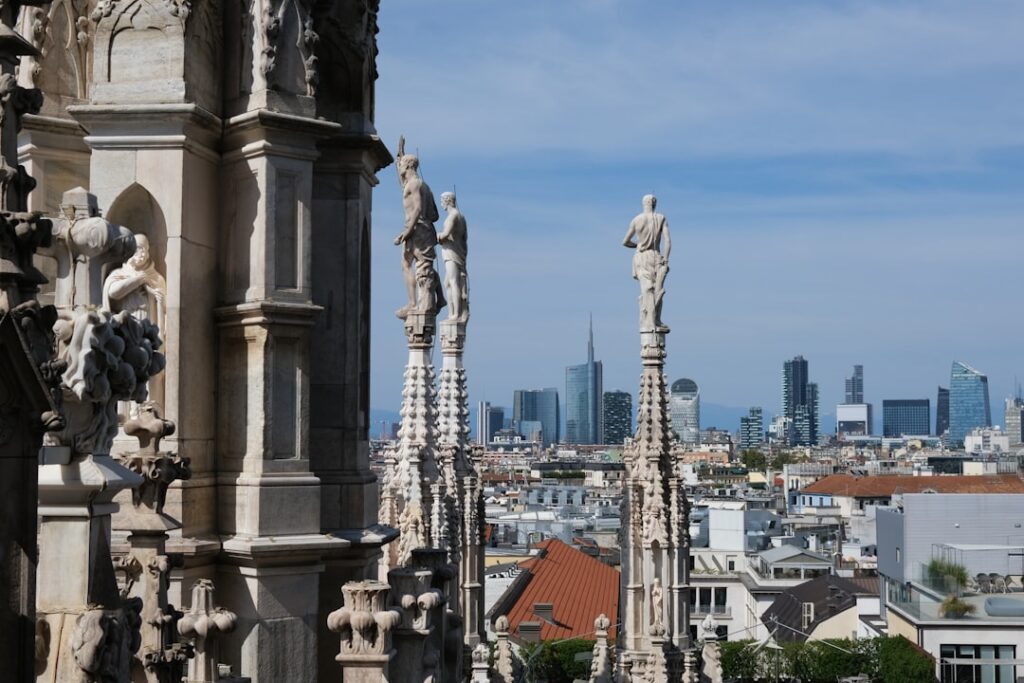






Introduction — Discovering Milan’s Most Authentic Neighborhoods
Milan isn’t just Italy’s capital of fashion and design: it’s a city of many faces where contemporary meets medieval, canals hum with aperitivos, and small neighborhood shops stand their ground against global chains. For the curious traveler, stepping away from the Duomo and the main tourist avenues reveals a more intimate, livelier Milan — full of cobbled lanes, morning markets, family-run trattorie, and public spaces where locals gather at any hour. This guide walks you through several authentic neighborhoods to explore, with exact addresses, opening hours, indicative prices, and practical tips to help you experience each area like a local.
Visiting Milan’s authentic neighborhoods requires observation and patience: slow down, sit at a café terrace, listen to the languages around you, browse artisan windows, and get a little lost to find the best surprises. Some districts — Brera, Navigli, Isola, Porta Romana, the area around the Castello — pack history, art, and everyday life into a small area. You’ll find concrete recommendations here: museums not to miss, churches, market addresses, restaurants and cafés where it’s worth booking or where you can show up last-minute, and the times of day when each neighborhood really comes alive.
Practical details (exact addresses, opening times and admission prices) are provided to help you plan your trip. Keep in mind that prices and times can change with the season and local events, so it’s best to double-check before you go — especially for guided tours or performances. I also share local tips — which metro lines to take, how to avoid the aperitivo crowds, or how to discreetly haggle for a small purchase at an artisan’s shop. These little tricks will turn a tourist visit into a genuine Milanese experience: intimate and memorable.
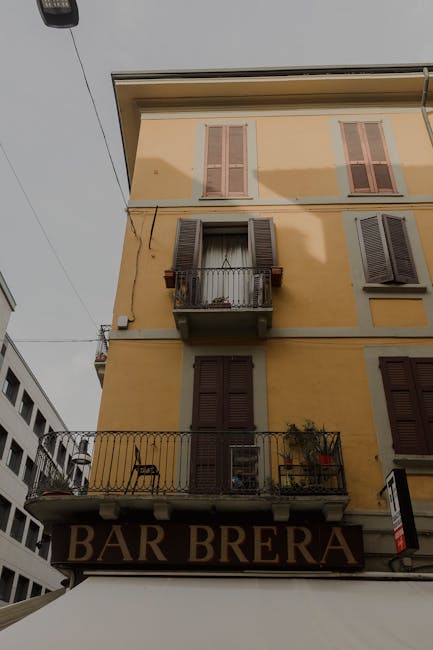
Brera — Milan’s Artistic, Bohemian Heart
Brera is often described as Milan’s artist quarter. Located in the historic center, it’s full of ateliers, galleries, cafés and the famous Pinacoteca di Brera. Strolling down Via Brera, through its cobbled lanes and small squares, you’ll feel the city’s bohemian spirit: artists deep in conversation, art school students, and locals taking their time over an aperitivo. The vibe here is elegant without being flashy.
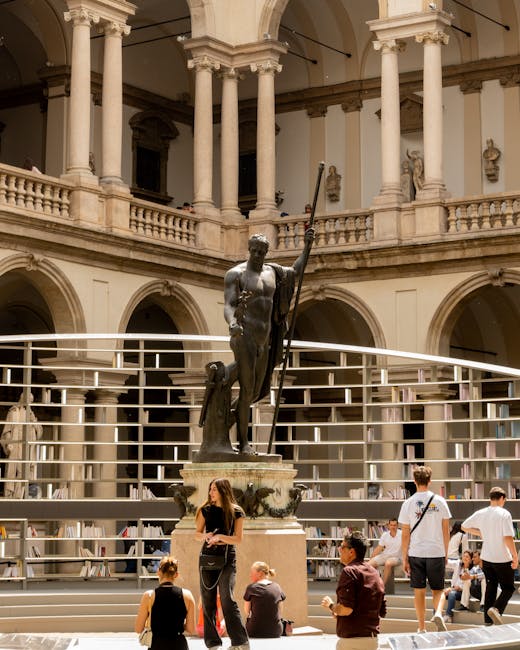
Don’t miss: the Pinacoteca di Brera (Pinacoteca di Brera, Via Brera 28, 20121 Milano MI). Opening hours: Tuesday to Sunday 8:30–19:15 (closed Mondays). Standard ticket: around €12; reduced tickets for students and seniors (about €9); audio guides / guided tours extra (€5–10). The collection includes masterpieces by Raphael, Caravaggio, Piero della Francesca and other Italian masters, housed in an 18th-century palace that’s worth seeing in its own right.
Around the museum, wander through the charming courtyard of the Accademia di Belle Arti. For coffee or a typical lunch, head to places like Pasticceria Marchesi (Pasticceria Marchesi, Via Santa Maria alla Porta 11/a, 20123 Milano MI) — usually open 7:30–19:30 — where artisan pastries cost about €3–8 and an espresso €2–4. For dinner, Trattoria Torre di Pisa (Via Fiori Chiari 10, 20121 Milano MI) serves traditional Lombard dishes: mains €12–20.
Practical tips: visit the Pinacoteca early in the morning to beat the crowds, or late afternoon. Book restaurants in advance if you’re there on a weekend. Brera is best explored on foot; the streets are often narrow and cobbled, so wear comfortable shoes. The nearest metro is Lanza (M2) or Moscova (M2), followed by a short walk.
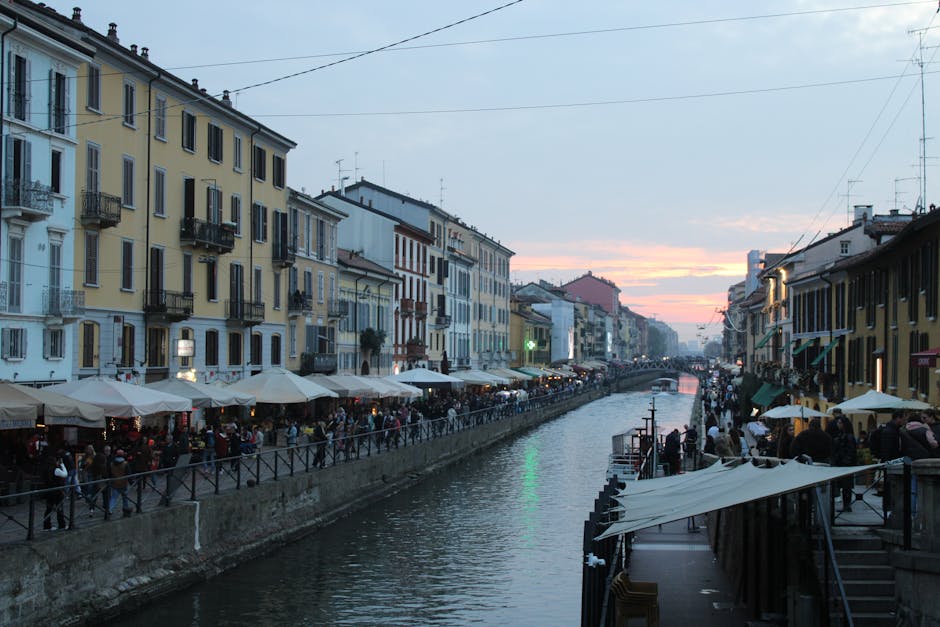
Navigli and Darsena — Canals, Aperitivo and Markets
The Navigli area embodies Milan’s most sociable side: historic canals lined with bars and restaurants, the antiques market along the Naviglio Grande on the last Sunday of each month, and the Darsena — the former landing basin turned into a relaxed public spot. The most famous canal, the Naviglio Grande, runs along Alzaia Naviglio Grande; a walk beside the water reveals artisan shops, bookstores and designers’ workshops.
Highlights: the Darsena (Piazza Ventiquattro Maggio, 20136 Milano MI) is a great starting point. The area buzzes at aperitivo time (usually 18:00–21:00); expect to pay €8–15 for a drink with a buffet depending on the venue (for example Rita & Cocktails, Alzaia Naviglio Grande). For a classic dinner, try Trattoria Madonnina (Via Gentilino 6, 20136 Milano MI) — dishes €12–25, typically open 12:00–15:00 and 19:00–23:00.
Markets and events: Mercato Metropolitano (Mercato Metropolitano, Via Valenza 2, 20144 Milano MI) is a covered market featuring local producers, often open 10:00–23:00 depending on the season. Entry is free but you pay for food on site (street food €4–12). The Naviglio Grande antiques market takes place the last Sunday of the month along Alzaia Naviglio Grande (check exact dates each year).
Practical tips: the area can get very busy in the evening — arrive early to secure a terrace table. For a romantic stroll, aim for late afternoon or sunset. Parking is limited: take the metro to Porta Genova (M2) and walk 5–10 minutes. If you prefer eco-friendly spots, look for bars that use local produce and avoid single-use plastic. For canal photos, the golden hour at sunset creates beautiful reflections on the water.
Isola and Porta Garibaldi — Modern Architecture and Local Life
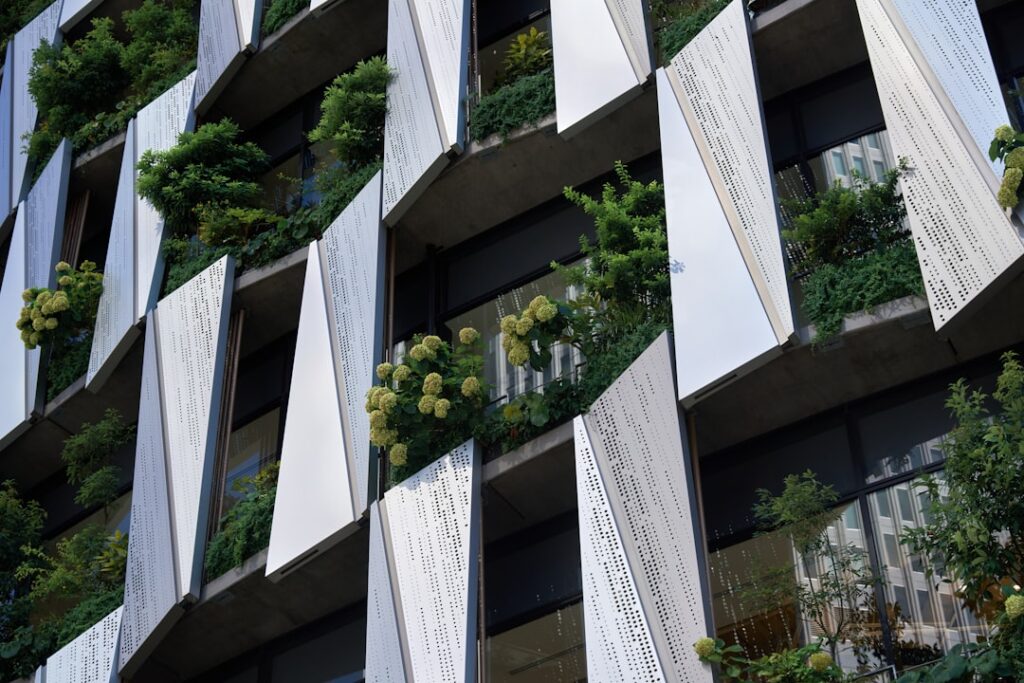
Isola, near Porta Garibaldi station and Piazza Gae Aulenti, is a young, energetic neighborhood that mixes modern towers with intimate neighborhood streets. The most iconic sight visible from many parts of the city is the Bosco Verticale (Vertical Forest), residential towers covered in greenery at Via Federico Confalonieri 27, 20124 Milano MI. Piazza Gae Aulenti (Piazza Gae Aulenti, 20154 Milano MI) is a contemporary public square lined with cafés and shops — a great place to admire the architecture.
To visit: Bosco Verticale (Via Federico Confalonieri 27). It’s a residential project (view from outside only) and the best vantage point is Piazza Gae Aulenti, where you can also walk across elevated walkways or simply explore the surrounding arcades. For a coffee break, try Eataly Smeraldo (Piazza XXV Aprile 10, 20154 Milano MI), open roughly 10:00–22:00 depending on the season; dishes and products range €5–25.
Museums and nightlife: the neighborhood hosts many contemporary art galleries and cocktail bars. 10 Corso Como (10 Corso Como, 20154 Milano MI) is an iconic address — concept store + gallery + café; hours generally 10:00–19:30, café sometimes open later. For a memorable meal, book a table at Ratanà (Via Gaetano de Castillia 28, 20124 Milano MI) — modern Lombard cuisine, dishes €15–35.
Practical tips: Isola is easily reached via Garibaldi FS station (metro M2 and M5). Check access to the Unicredit Tower terrace for panoramic views (open during special events or public openings). The area is safe at night but the buzz is concentrated on a few streets — explore the smaller side streets to find quieter bars. If you’re after a farmers’ market, look for occasional organic markets near Via Borsieri on weekends.
Porta Romana and Ticinese — History, Thermal Baths and Local Vibe
Porta Romana and the nearby Ticinese area concentrate much of Milan’s local life: artisans, small grocery shops, markets and some of the city’s best traditional trattorie. It’s also home to restored historic thermal baths — QC Terme Milano (QC Terme Milano, Via Giuseppe Meda 2, 20136 Milano MI) — an urban spa offering a wellness escape in the heart of the city. Opening hours: often 10:00–22:30; prices typically range from €45–90 depending on options and days. Booking is recommended, especially on weekends.
Other spots: the church of San Lorenzo Maggiore (Piazza San Lorenzo, 20123 Milano MI) and the Column of San Lorenzo (Piazza San Lorenzo) form a popular aperitivo hangout for students; the basilica is usually open 7:00–19:00 (hours vary). Porta Ticinese and Via Torino extend the walk toward the Duomo but remain favorites with locals rather than tourists. For a risotto or a Milanese specialty at a reasonable price, look for trattorie on Via Bernardino Luini and Via Solferino — mains €10–20.
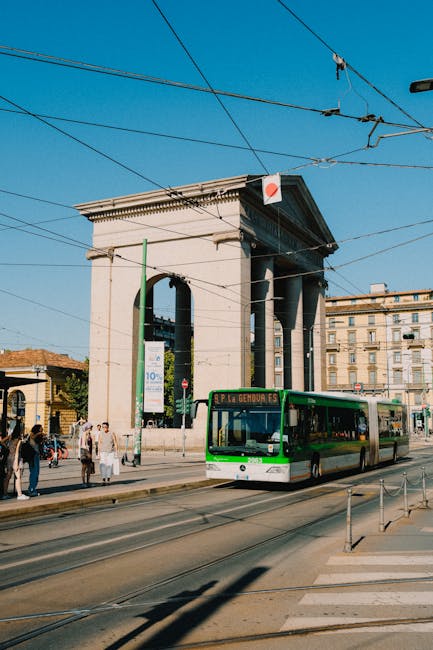
Practical tips: for a morning stroll, visit the market on Via Ripamonti or the local market at Piazza Santa Maria del Suffragio on selected days: fresh produce, cheeses and local sellers between roughly 8:00 and 13:00. At night, Porta Ticinese comes alive with bars along Via Ticinese and Via Conca del Naviglio. Transport: Porta Romana (M3) and Missori (M3) stations are convenient. Be mindful of church opening times if you plan to visit interiors.
The Castello District and the Little Historic Streets Around It
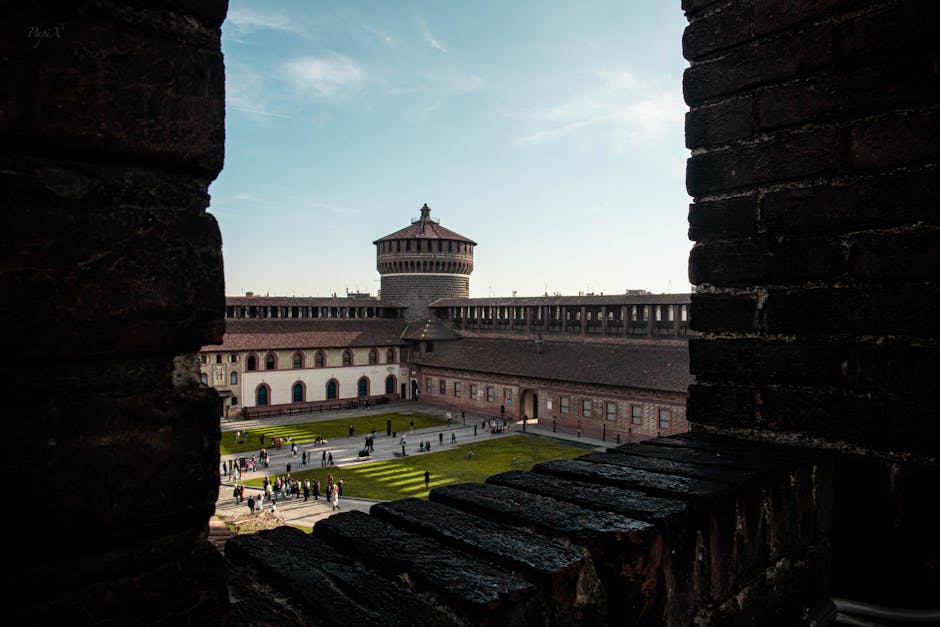
The Castello Sforzesco and its surroundings offer a more historic Milan, full of hidden courtyards, museums and parks. The Castello Sforzesco (Piazza Castello, 20121 Milano MI) is a must-see: museum admission varies by exhibition, but access to the courtyard is free. Museum hours: typically 9:00–17:30 (closed Mondays); combined municipal museum tickets run about €5–10 depending on sections and temporary shows. Parco Sempione behind the castle is perfect for a break, a walk, or a picnic.
Nearby, the Triennale di Milano (Viale Emilio Alemagna 6, 20121 Milano MI) features design and architecture exhibitions: common hours 10:00–20:00; tickets €10–15 for main shows. For a religious and artistic highlight, don’t miss the church of Santa Maria delle Grazie (Piazza di Santa Maria delle Grazie, 20123 Milano MI), home to Leonardo da Vinci’s The Last Supper — reservations are mandatory for the Cenacolo Vinciano (tickets around €15 plus booking fees).
Practical tips: visit the Castello early in the morning to enjoy quieter museums; in summer the park often hosts free concerts and festivals. For castle photography, morning light flatters the walls and tower. Transport: Lanza (M2) or Cairoli (M1) stations depending on where you are coming from. If you plan to visit the Cenacolo Vinciano, book tickets several weeks in advance, especially in high season.
Conclusion — Travel Like a Milanese
Exploring Milan’s authentic neighborhoods means slowing down, getting pleasantly lost, and prioritizing encounters over monuments. Brera, Navigli, Isola, Porta Romana and the Castello area each reveal a different side of the city: galleries and art, canals and aperitivo culture, modern architecture and residential life, popular thermal baths and medieval history. Each spot deserves several hours — sometimes a whole day — to soak up the atmosphere, taste local specialties, and stumble on unexpected finds: an artisan workshop, an old bookstore, or a family-run trattoria where you’ll eat like you’re at someone’s home.
Final tips: always check opening times and book the most in-demand attractions (Pinacoteca di Brera, Cenacolo Vinciano, QC Terme); use the metro network (M1, M2, M3 and M5) to move quickly between neighborhoods, but walk once you arrive; aim for aperitivo in Milanese time (18:00–21:00) to enjoy the nightlife without overspending; respect shop and market hours (many close between 13:00 and 16:00 for a break); and don’t forget comfortable shoes for cobbles and long pedestrian streets.
Keep these pointers in mind and your Milan trip will turn into a string of intimate, memorable experiences — away from clichés and close to a vibrant, creative and welcoming city. Buon viaggio and buon appetito — and above all: take the time to live Milan like a local.