





Introduction — Why Milan is a Street Food Capital
Milan isn’t just Italy’s fashion and design capital — it’s also a playground for food lovers, where street food holds a central place. Mixing Lombard traditions, Southern Italian influences and international flavors, Milan’s street food scene is diverse, inventive and woven into everyday city life. Wandering along the canals, through the alleys of Isola, or around Piazza Gae Aulenti, you’ll stumble across stalls, markets and tiny shops serving classics like panzerotti, risotto-to-go, the reinvented cotoletta, as well as dishes shaped by immigration and contemporary food trends.
In this guide I’ll take you through the best neighborhoods to sample Milanese street food. Each area has its own vibe and specialities: some focus on traditional snacks, others on fusion cuisine, and some excel at pastries and takeaway coffee. I’ll give specific recommendations — full names, exact addresses, typical prices and opening hours — so you can plan your food stops without wasting time. You’ll also find practical tips: how to avoid lines, when to visit for the best value, must-try dishes and how to act like a local.
Whether you’re in Milan for a short city break or a business trip, street food is a quick, affordable and delicious way to discover the city. Milanese people love eating on the go: a panino, a focaccia, a quick espresso, or a portion of polenta in winter. Markets are prime spots, as are small squares where food trucks gather at sunset. In the sections below I cover six can’t-miss areas: Navigli, Brera, Isola, Porta Romana, the Darsena and the area around Centrale. Expect immersive descriptions, vendor and restaurant picks, price ranges in euros, exact addresses and typical opening times.
 Click here to visit the cathedral and its Duomo terraces

Navigli — Canals and Nighttime Snacks
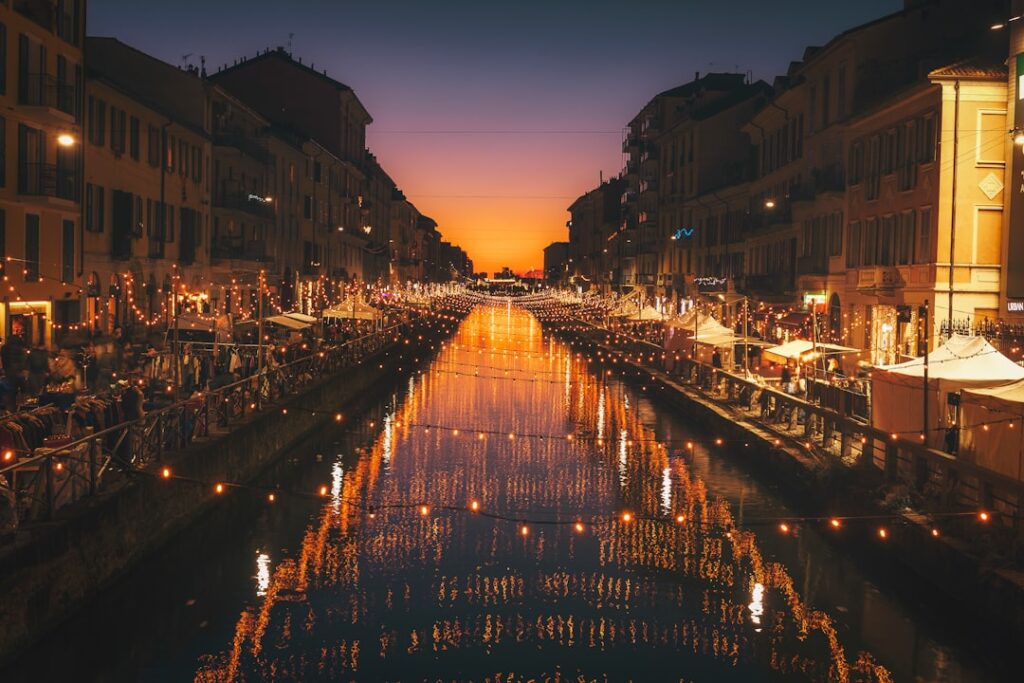
Navigli is probably the most picturesque area for street food in Milan: its canals, bridges and outdoor terraces create the perfect setting for eating al fresco. Stroll along Via dei Osii and Via Vigevano and you’ll find a profusion of stalls and small eateries. A must-stop is Luini, famous for its fried panzerotti: Luini Panzerotti, Via Santa Radegonda 16, 20121 Milano (a stone’s throw from the Duomo but often included on routes heading toward the canals). Panzerotti cost roughly €3.50 to €5.00 depending on the filling. Typical hours: open daily from 10:00 to 20:00, often closed late at night.
For more modern options, head to Risoelatte (Via Pietro Calvi 3, 20144 Milano) for artisan gelato or a takeaway dessert after a walk: sorbets and ice creams from €2.50, generally open 11:00 to 23:00. In the evening along the Naviglio Grande several food trucks and small stalls offer arancini (about €3.00), Italian-style tapas and even gourmet burgers starting at €7.00. The Darsena, part of the Navigli area, often hosts night markets and food events, especially on weekends.
Practical tips: arrive early if you want to avoid the sunset crowds (between 19:00 and 21:30). On weekdays the area is quiet at lunchtime, ideal for tasting local dishes at better prices. Expect some stalls to be cash-only, but most now accept cards. For an authentic experience, order a fried panzerotto with prosciutto and take it to enjoy on the canal banks. Beware of winter chills: it can get pretty cold by the water, so dress warmly.

Brera — Boho Elegance and Refined Snacks
Brera is the neighborhood of art galleries, ateliers and chic cafés. Here street food often takes on a more refined twist, combining local ingredients with modern techniques. Start your walk at the Pinacoteca di Brera (Via Brera 28, 20121 Milano) then get lost in the side streets where you’ll find gourmet sandwiches and small bakeries. A recommended stop is Pasticceria Marchesi, Via Santa Maria alla Porta 11/a, 20123 Milano (a historic spot just minutes from Brera): viennoiseries and pastries to take away from €2.50 to €6.00, typically open 08:00 to 19:30.
For a savory bite try Panzerotti Luini – Brera (if you want to stay in the neighborhood) or one of the tramezzini stands (triangular sandwiches) around Via Fiori Chiari. Tramezzini usually cost around €2.50 to €4.00. The covered Brera market (Mercato di Brera, Via Fiori Chiari) also offers selections of local cured meats and cheeses to take away — perfect for an impromptu picnic on Piazza del Carmine.
In the evening Brera becomes an aperitivo hub: bars and small restaurants serve platter-style finger food to go with a spritz or a glass of Franciacorta. Expect to pay about €8.00 to €15.00 for an aperitivo that includes a small plate. Local tip: venues around Via Solferino attract an international crowd and can be pricier — head down the smaller lanes for more affordable, authentic options. Shop hours vary, but most open between 09:00 and 10:00 and close between 19:00 and 22:00, with some bars open until midnight.
Click here to book your ticket for the Pinacoteca di Brera
Isola — Fusion, Food Trucks and Culinary Creativity
Isola is Milan’s hipster quarter: graffiti walls, concept stores and a lively street food scene blending traditional Italian dishes with Brazilian, North African and Asian influences. Via Paolo Sarpi, the heart of Milan’s Chinatown, is perfect for grabbing baos, hot noodles and dim sum to go. A spot to know: Dim Sum Factory, Via Paolo Sarpi 45, 20154 Milano — dim sum platters cost about €6.00 to €12.00, typically open 11:30 to 22:30.
Isola often hosts food trucks around Piazza Franz Liszt and Via Borsieri, offering artisan burgers (from €8.00), falafel (around €5.00) and creative vegetarian options. Another notable spot is LùBar at Piazza XXV Aprile (restaurant and kiosk), great for a sweet break with cannoli and Sicilian pastries from €2.50. The well-known Alimentari e Cucina market on Via Confalonieri features tastings and street-sized portions at reasonable prices on some weekends.
Tips for Isola: this neighborhood gets very busy in the evenings, especially on Fridays and Saturdays. To avoid lines, go around 12:00 for lunch or before 19:00 for dinner. Many stands accept cards, but carry a few euros in cash for small purchases. If you’re into vegetarian and vegan food, Isola is the place to be — look for food trucks marked “veg” or “bio.” For a digesting stroll, head to the rooftop of the Bosco Verticale (Via Gaetano de Castillia 11, 20124 Milano) and enjoy the view after your meal.
Porta Romana — Traditional Markets and Lombard Dishes
Porta Romana is a residential area known for its markets and small trattorie serving Lombard classics transformed into street-friendly formats. The Mercato Comunale di Viale Papiniano (Viale Papiniano 44, 20123 Milano) is a great starting point: stalls selling cheeses, salumi and hot dishes to take away. A portion of polenta with gorgonzola or ragù costs between €4.00 and €7.00. Market hours: usually open Tuesday to Saturday from 08:00 to 14:00, with some stalls staying open in the afternoon.
If you love fried snacks, look for I Fratelli La Rosticceria (Via Ripamonti 113, 20141 Milano, a bit further south but easily reachable) where arancini, crocchette and other specialties are sold from €2.50. Another local pick: Trattoria La Madonnina (Via Gentilino 6, 20136 Milano) offers typical dishes to takeaway on certain days (call ahead to check opening days); average takeaway prices: €9.00 to €14.00. Porta Romana is also known for historic cafés where you can have an espresso at the counter for about €1.10 to €1.50.
Practical tips: Porta Romana is perfect for a calm lunch away from tourist crowds. Best times to visit the markets are early morning (between 08:00 and 10:30) for freshness and variety. If you’re on the metro, get off at Porta Romana (M3). The area is well served by trams, handy for reaching other street food neighborhoods like Navigli or Brera. Don’t hesitate to ask for portions “to go” — many vendors are happy to pack dishes specifically for eating on the street.

Centrale / Repubblica — Fast, Cheap and International
The area around Milano Centrale station (Stazione Milano Centrale, Piazza Duca d’Aosta, 20124 Milano) and Piazza della Repubblica is ideal if you need quick, international street food before a train or flight. The station houses many options: panini, tramezzini, coffee and pizza al taglio (pizza by the slice). A slice of pizza al taglio typically costs €2.00 to €3.50. Shops at the station often have long hours, usually from 05:30 to 23:00 or even 24/7 for some chains.
On nearby streets like Via Vittor Pisani and Corso Buenos Aires you’ll also find kebabs (around €4.00 to €6.50), poke bowls (from €7.50) and bakeries open early. A good local option is the Pavè chain (Via Felice Casati 27, 20124 Milano) for pastries, gourmet sandwiches and coffee: average prices €3.00 to €8.00, generally open 07:30 to 20:00. For a budget lunch try the “lunch boxes” from small Asian grocers around Via Padova, often between €5.00 and €8.00.
Practical tips: if you’re catching a train, grab your food at least 15–20 minutes before departure to avoid the crowd on the platform. Peak food hours at the station are 07:00–09:30 and 17:00–19:00. Most vendors accept cards and contactless payments; still, having some coins can speed up a quick purchase. The area is well connected (Centrale FS M2/M3 stations), making it perfect for a last-minute street food stop before you travel.

General Tips for Enjoying Milanese Street Food
Before wrapping up, here are some practical tips to help you get the most out of your culinary wandering in Milan:
- Timing and crowds: Milanese people often eat late; neighborhoods like Navigli fill up between 19:00 and 22:00. To avoid queues, opt for lunch or early evening.
- Payment: most stalls accept cards, but some smaller vendors prefer cash. Keep €10–€20 on hand for quick purchases.
- Allergens: if you have allergies, always ask about ingredients (in English or Italian: “Quali ingredienti?”). Many menus now indicate gluten or nut content.
- Getting around: use the tram and metro network (ATM Milano) to hop between neighborhoods. A single ticket costs about €2.20 (valid 90 minutes); a day pass is cost-effective if you plan multiple trips.
- Eco-friendly habits: bring a small reusable container for leftovers and a napkin; some stalls still use plastic. Increasingly, vendors offer compostable packaging.
- Language: a smile and a few words in Italian go a long way: “Buongiorno”, “Grazie”, “Quanto costa?” ease interactions and sometimes earn you a little extra portion.
Conclusion — Eating in the Street is How You Experience Milan
Milan is best discovered with both your eyes and your taste buds. Street food offers a direct window into Milanese daily life: it reflects Lombardy’s culinary history, the influence of neighboring Italian regions and the vibrancy of world cuisines. Navigli charms with its romantic canals and panzerotti; Brera mixes elegance with refined snacks; Isola attracts lovers of novelty and food trucks; Porta Romana brings authentic, traditional flavors; the Centrale area is practical and varied for travelers in a hurry. Each neighborhood delivers a palette of tastes, atmospheres and price points, letting you build a street food itinerary tailored to your appetite and budget.
When planning your stops, keep the shared practical tips in mind: best hours to avoid crowds, payment methods, and small local tricks to order and enjoy like a resident. Don’t hesitate to combine markets, stalls and small trattorie — often the best experience blends a quick snack with a pastry from a historic bakery or a coffee at the counter. Finally, respect the urban environment: dispose of your waste in the bins provided, favor reusable packaging and support local businesses. Buon appetito — enjoy the energy, flavors and encounters Milanese street food brings to every corner.
