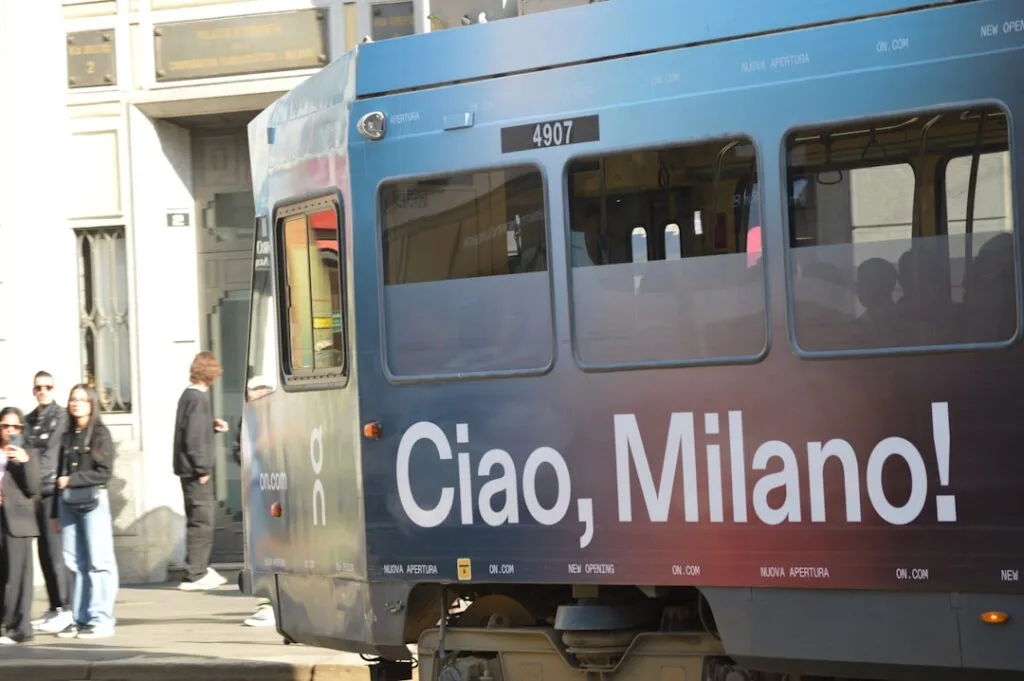






Introduction: Discovering Milan’s Metro
The Milan Metro (Sistema metro di Milano), run by ATM (Azienda Trasporti Milanesi), is the backbone of public transport in Lombardy’s capital. If you want to save time and explore the city efficiently, knowing the lines, connections, schedules and fares is essential. This in-depth guide walks you through the network: clear descriptions of the main lines, key stations with exact addresses, up-to-date prices in euros, typical opening hours, practical tips and useful routes — everything designed for everyday use or a short city break.
Milan is a compact city where history meets modern life. The metro does more than move people: it links shopping districts, business hubs, long-distance train stations and airports. Major stations like Milano Centrale (Piazza Duca d’Aosta, 1, 20124 Milano MI), Duomo (Piazza del Duomo, 20122 Milano MI) and Cadorna FN (Piazzale Luigi Cadorna, 20123 Milano MI) are strategic jump-off points for regional and international trains, historic trams and night buses. 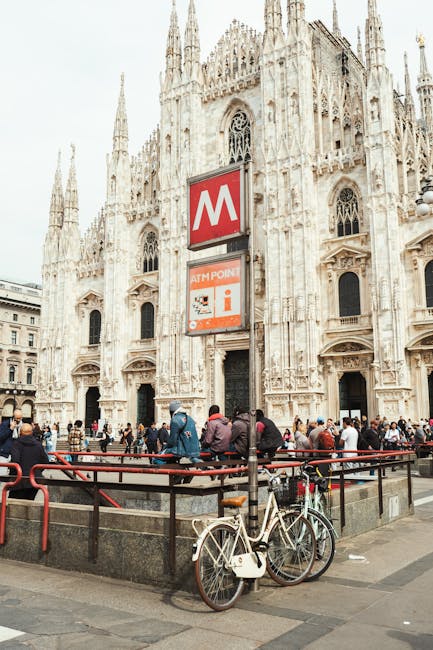
This guide is aimed at a wide audience: tourists traveling from the city center to the airport, business travelers, families and occasional visitors. You’ll find practical details — where to buy tickets, how to validate them, how much a single ride costs, which rechargeable cards to favor — plus local tips to avoid common mistakes (forgetting to validate, queues at ticket offices during rush hour, busy zones). Typical schedules, sample fares and line interchanges will help you plan your days with confidence. 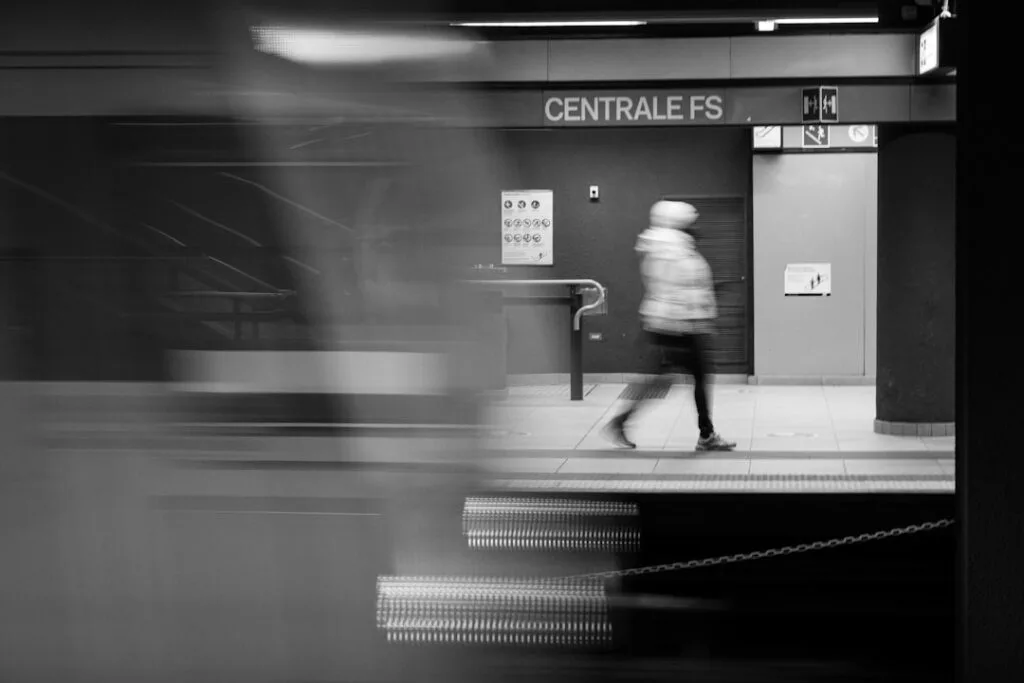
This guide also includes sensory details: the pale stone of the escalators leading to the Duomo, the scent of morning coffee drifting from metro entrances, and the artworks and murals found in some of the newer stations. You’ll find route recommendations for getting to Malpensa via the Malpensa Express, reaching the Navigli area at night, or cutting quickly across the fashion district. Finally, accessibility information and alternative transport options (tram, bus, shared bikes) are covered so everyone can tailor their route. 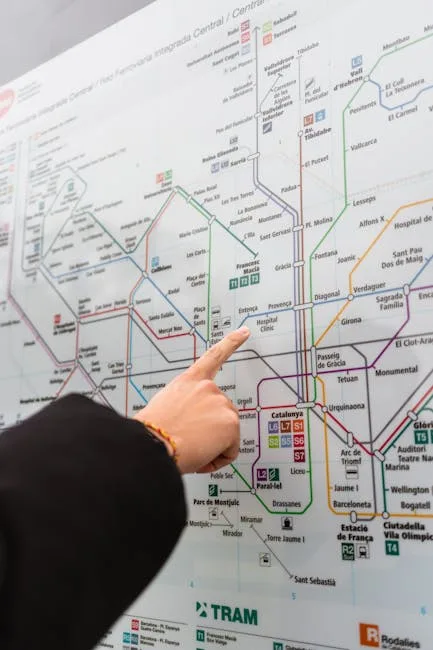
The network at a glance: lines, colors and how it works
Milan’s metro network is mainly made up of five numbered, color-coded lines: M1 (red), M2 (green), M3 (yellow), M4 (blue) and M5 (lilac). Each line has its own identity and serves north-south or east-west axes, offering key interchanges to reach stations and important neighborhoods. Overall, the metro covers the city center and parts of the immediate suburbs. Here’s a concise, practical rundown to help you get your bearings:
- M1 – Red line: Runs northwest / southeast. It connects Rho Fiera Milano (the exhibition hub) to Sesto 1º Maggio FS. Important stations: Duomo (Piazza del Duomo, 20122 Milano MI), Cadorna FN (Piazzale Luigi Cadorna, 20123 Milano MI).
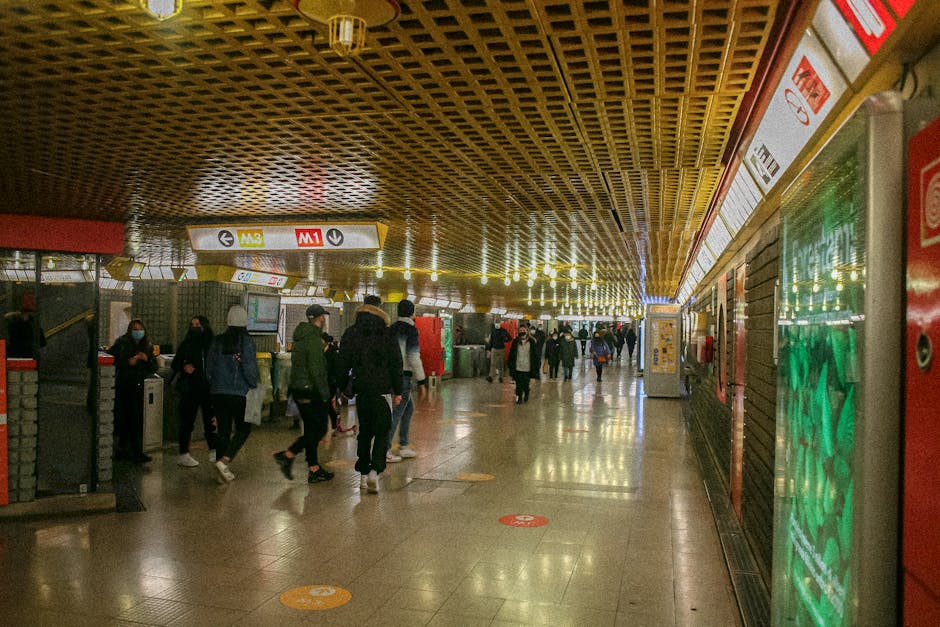
- M2 – Green line: Runs north / southeast, serving Milano Centrale (Piazza Duca d’Aosta, 1) and Garibaldi FS (Piazza Sigmund Freud, 20121 Milano). Ideal for reaching the central station and business districts.
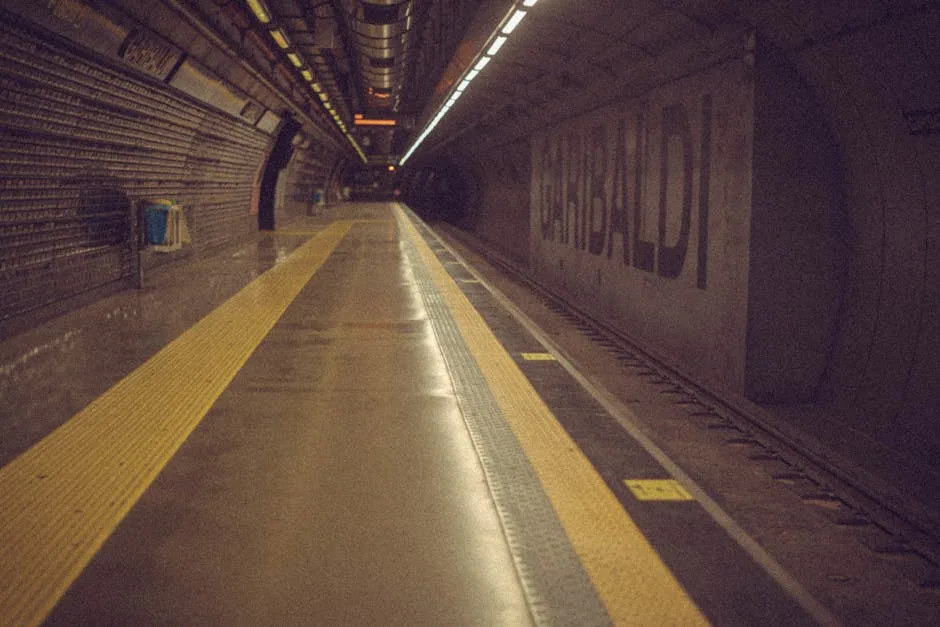
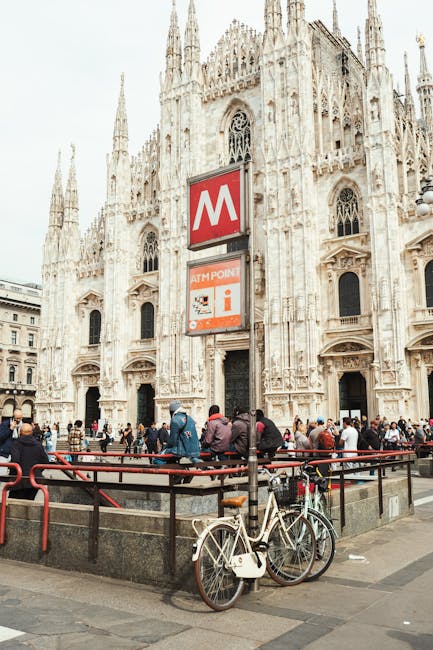
- M3 – Yellow line: Runs north / south and crosses the tourist heart of the city via Duomo (interchange with M1). It links Comasina (north) to San Donato (south). A good choice for accessing the Duomo and the Brera district.
- M4 – Blue line: A recent, modern line connecting Linate Airport to central areas with interchanges at San Babila and other hubs. Frequently used for airport-to-city trips.
- M5 – Lilac line: An automated line linking the northwest (Bignami) with the Porta Garibaldi and Ceresio lake areas, with a modern stop at Isola and an interchange at Garibaldi FS. Stations are modern, often very clean and well signed.
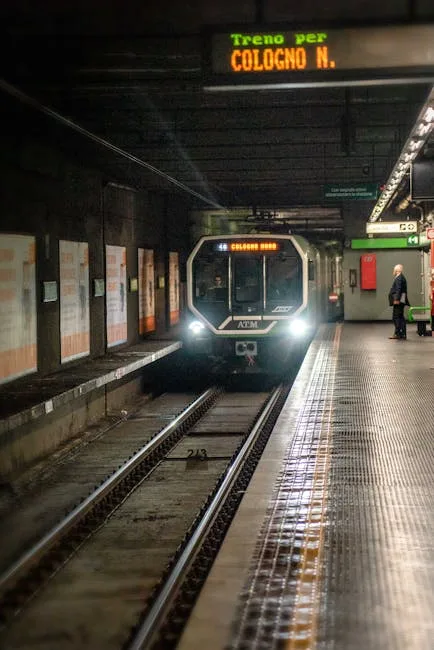
Each line has its own service frequency: off-peak intervals range from about 4 to 8 minutes; during peak hours, trains can run as frequently as every 2–3 minutes on central sections. Trains are color-coded on maps and in stations. Transfers are clearly signposted with colors and line numbers. Keep in mind that most major interchanges are underground (Duomo, Cadorna, Centrale, Garibaldi) — allow 5–10 minutes for a transfer during busy times. 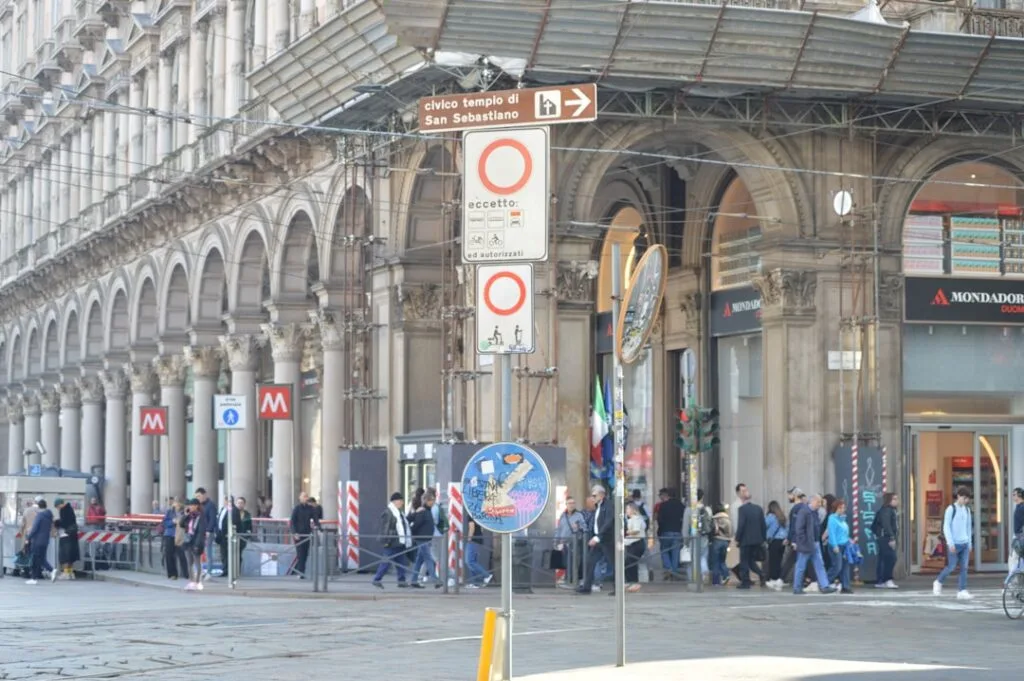
Major stations and connections: where to change and how
To move around Milan efficiently, it’s essential to know the main hubs that connect metro, regional and international trains, trams and buses. Below are the key stations, their exact addresses, types of connections and practical tips to help you navigate quickly.
- Milano Centrale — Piazza Duca d’Aosta, 1, 20124 Milano MI. Connections: M2 (green line), regional trains, Frecciarossa and Italo high-speed trains, plus buses to Orio al Serio (Bergamo) airport. Tip: the station is large — allow 10–20 minutes to reach the metro from major platforms. Buy train tickets at counters or via Trenitalia/Italo apps.
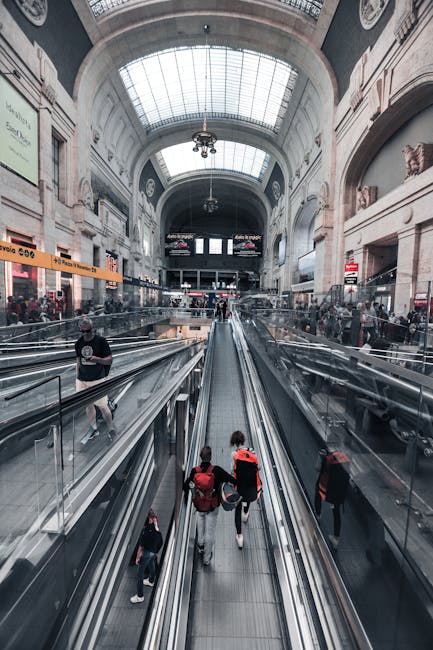
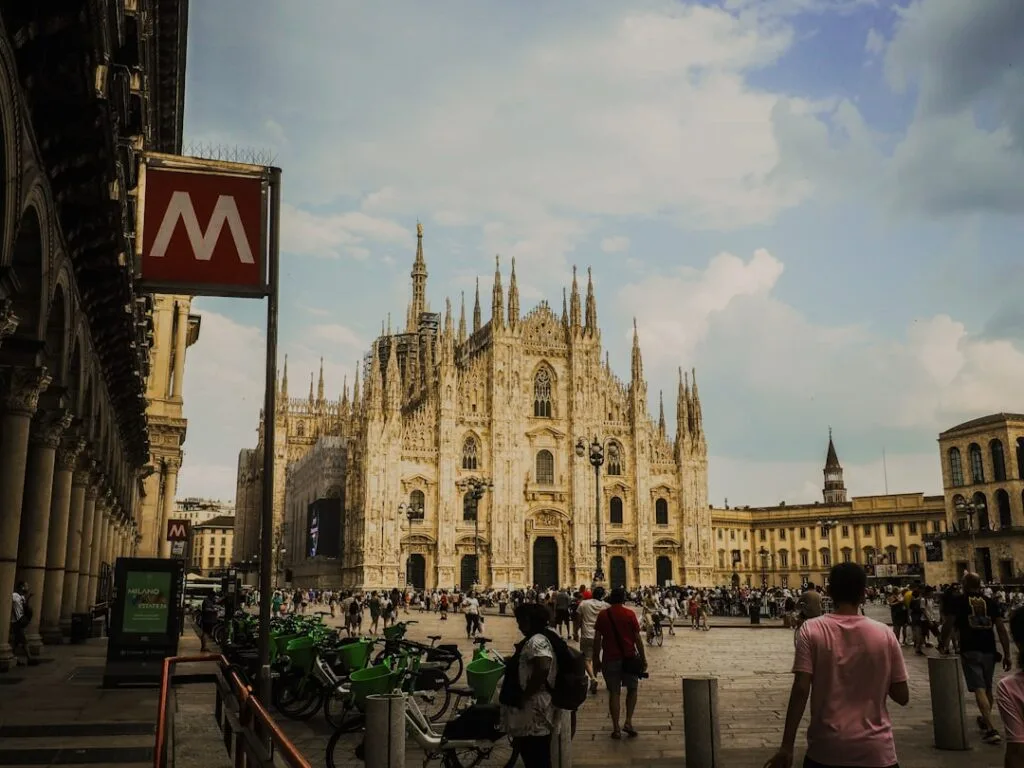
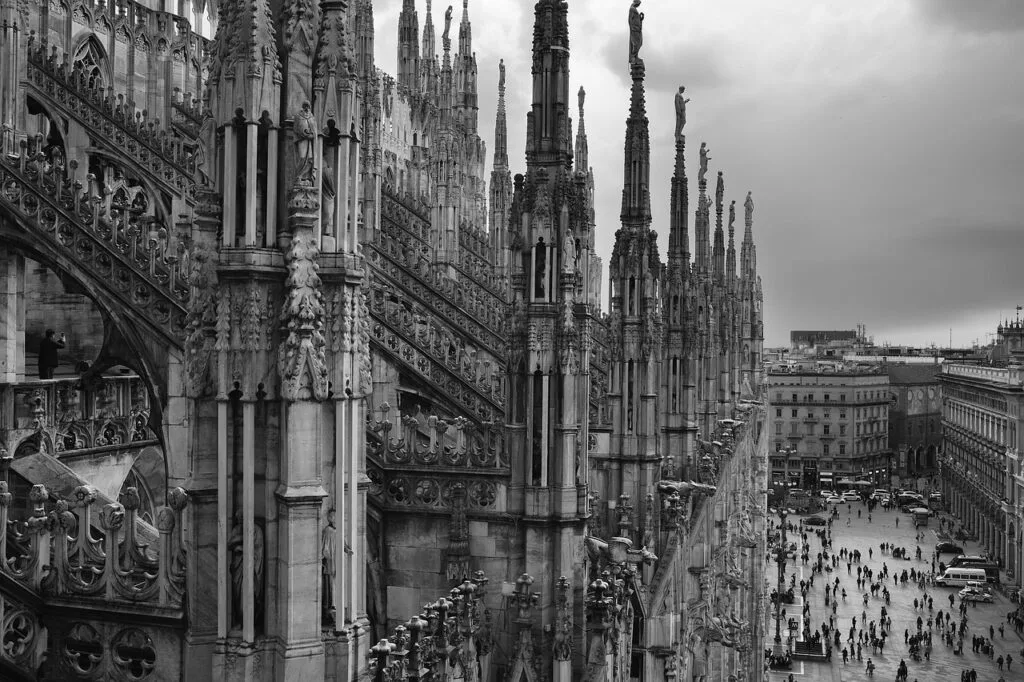
- Duomo — Piazza del Duomo, 20122 Milano MI. Connections: M1 (red) and M3 (yellow). Perfect for the cathedral, Galleria Vittorio Emanuele II, and Teatro alla Scala (Via Filodrammatici, 2, 20121 Milano MI). Tip: Duomo gets very busy — expect heavy foot traffic between about 10:00 and 16:00. Follow signs for “Uscita / Duomo” to exit directly onto the piazza.
- Cadorna FN — Piazzale Luigi Cadorna, 20123 Milano MI. Connections: M1, M2, suburban trains and the Malpensa Shuttle / Trenord. Useful if you’re walking to Castello Sforzesco (Piazza Castello, 20121 Milano MI).
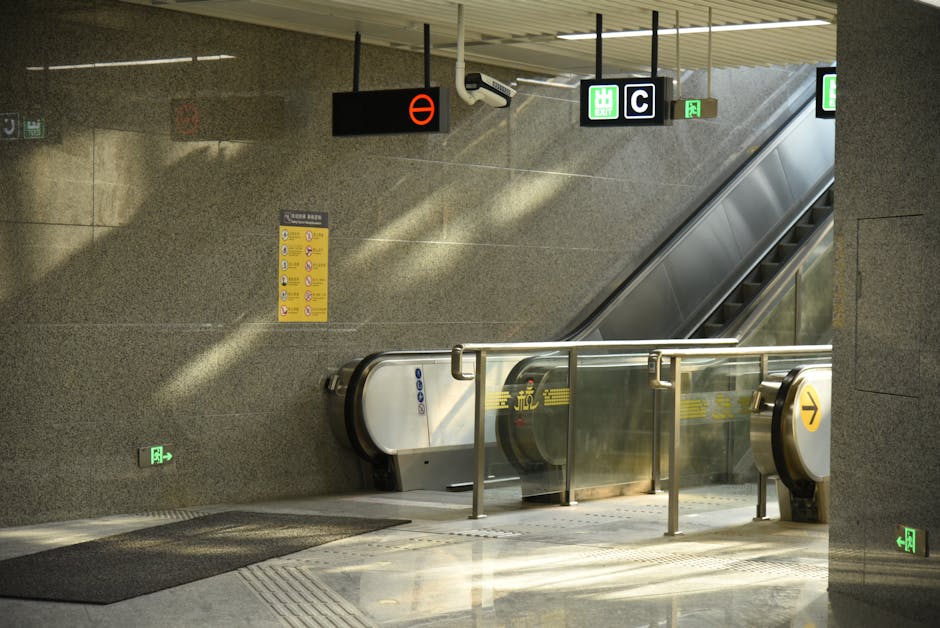
- Porta Garibaldi / Garibaldi FS — Piazza Sigmund Freud, 20121 Milano MI. Connections: M2, M5, the Passante suburban rail link, plus regional and international trains. Modern station with shopping galleries; from here you can quickly reach Porta Nuova and the Isola neighborhood.
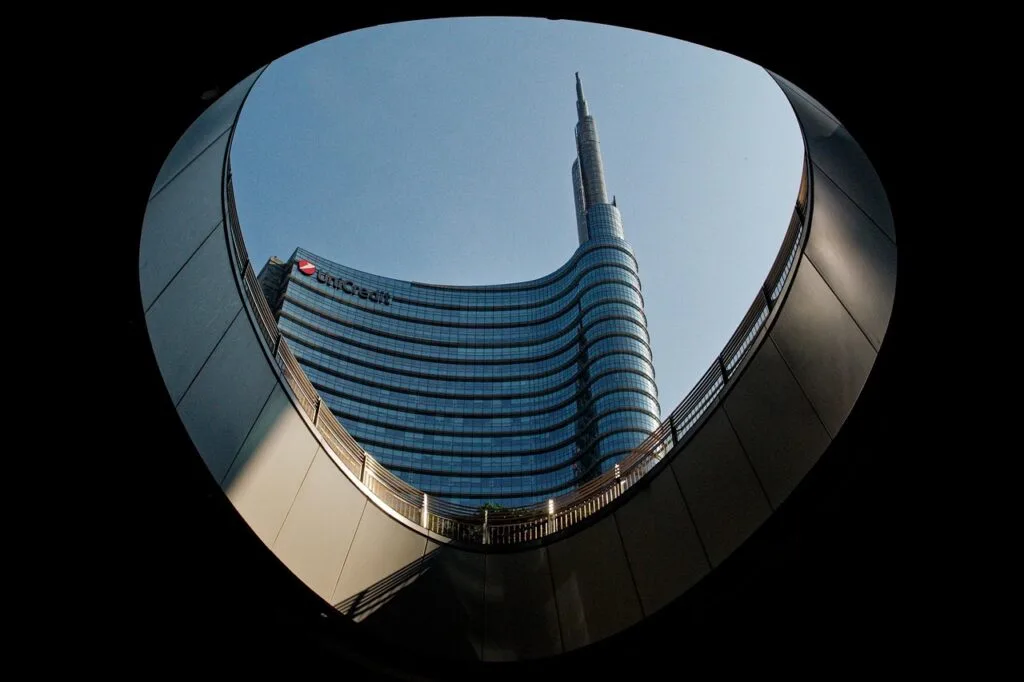
- Linate Airport (M4 connection) — Piazzale Enrico Forlanini, 20132 Milano MI (Aeroporto di Milano-Linate). The M4 line provides a fast link into the city. Travelers with luggage often find M4 trains less crowded in the mornings and evenings.
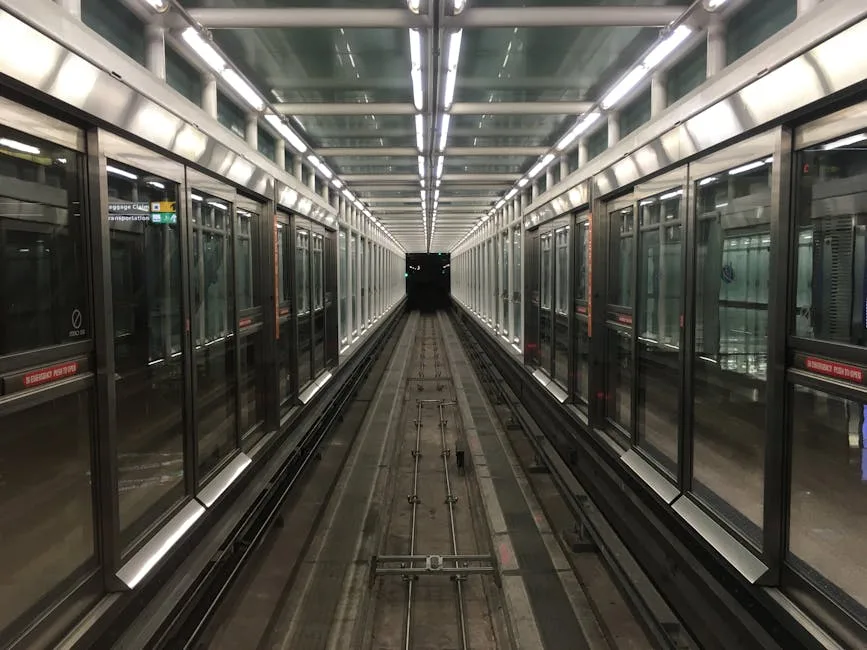
Practical tips for transfers: always check exit signs (“Uscita”) and the color/number of the connecting line. If you have a tight connection to a train (for example a Frecciarossa), aim for stations where the transfer tunnels are short (Centrale, Garibaldi). Also factor in walking time: some interchanges require long corridors or escalators, and movement can slow during peak hours (07:30–09:30 and 17:00–19:00). 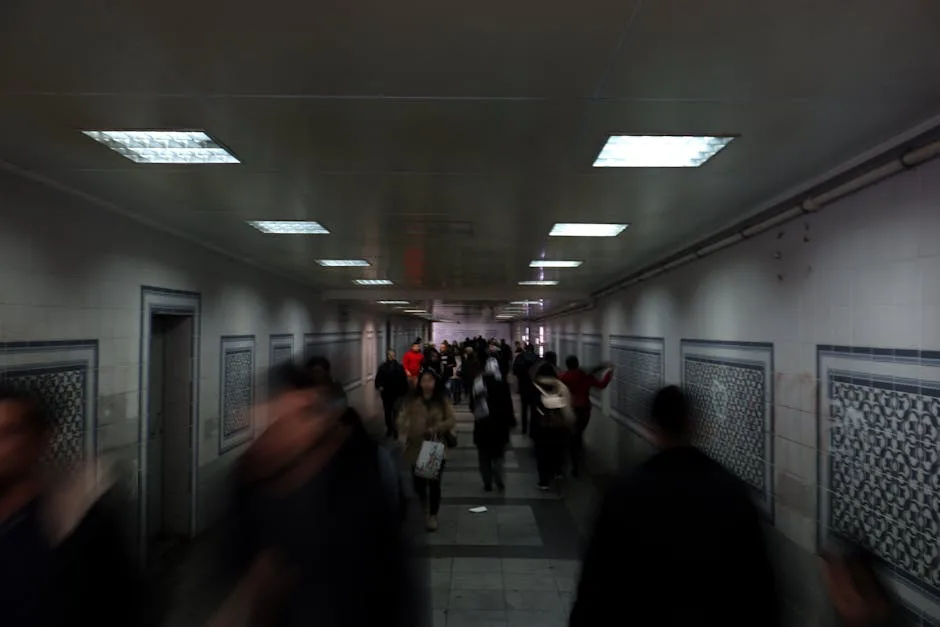
Tickets, fares and validation: how much and where to buy
Getting around Milan is fairly straightforward fare-wise thanks to a range of tickets suited to different travelers. Typical official ATM products (prices are indicative in euros — check atm.it for updates) are:
- Single urban ticket (Biglietto ordinario): €2.20. Valid for 90 minutes from validation, including transfers within the urban network (metro, bus, tram) in the same fare zone. Validate only once on entry.
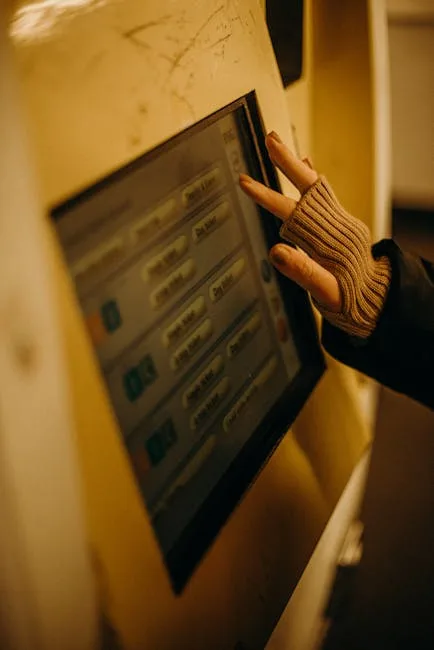
- 24-hour ticket (Giornaliero): €7.00. Unlimited travel for 24 hours from first validation across ATM services. Great for a full day of sightseeing.
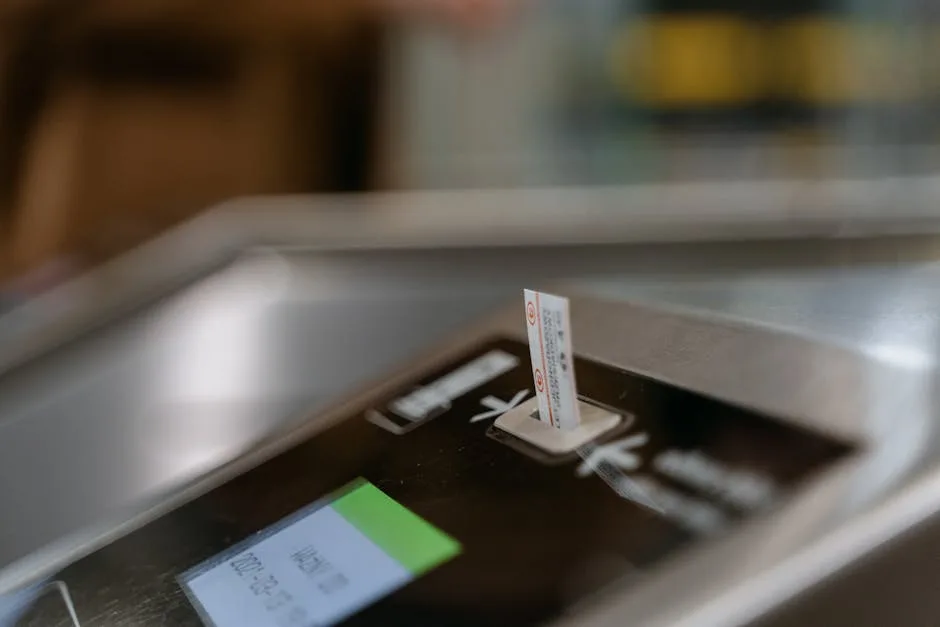
- 48-hour ticket: about €12.00. Unlimited travel for 48 consecutive hours.
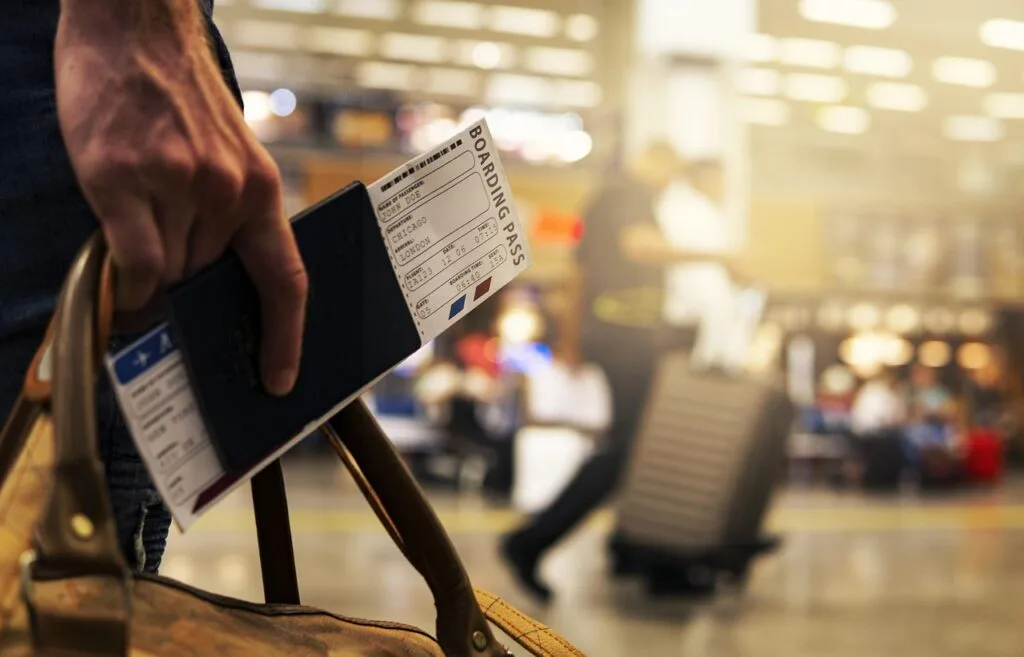
- 72-hour ticket: about €17.00. Unlimited travel for 72 consecutive hours — handy for a short city break.
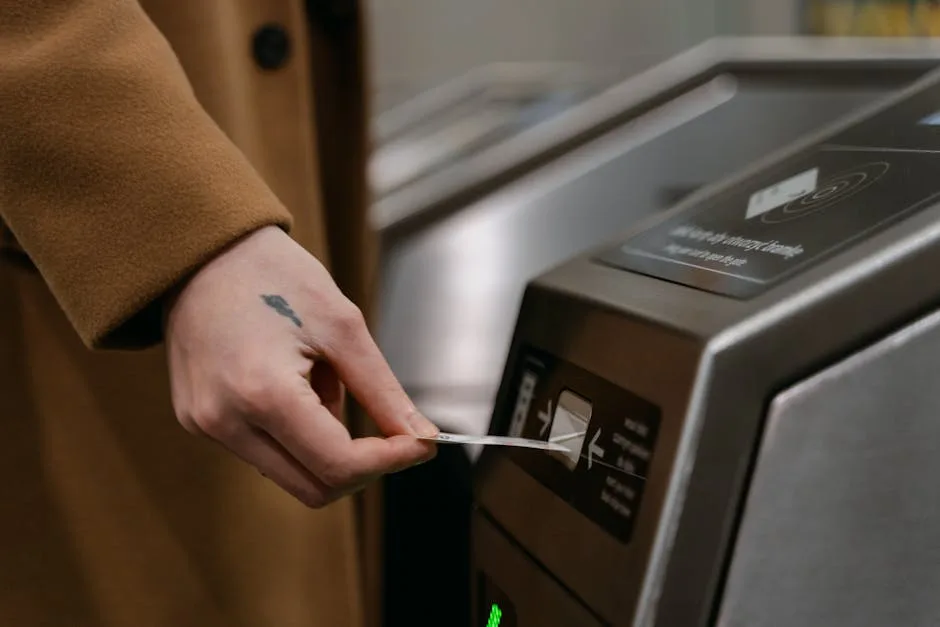
- Malpensa Express (train to Milano-Malpensa Airport): ≈ €13.00 one-way from Milano Centrale or Cadorna. This price refers to the rail service and does not replace an ATM metro ticket. Buy online or at Trenord/Trenitalia/Malpensa Express ticket machines.
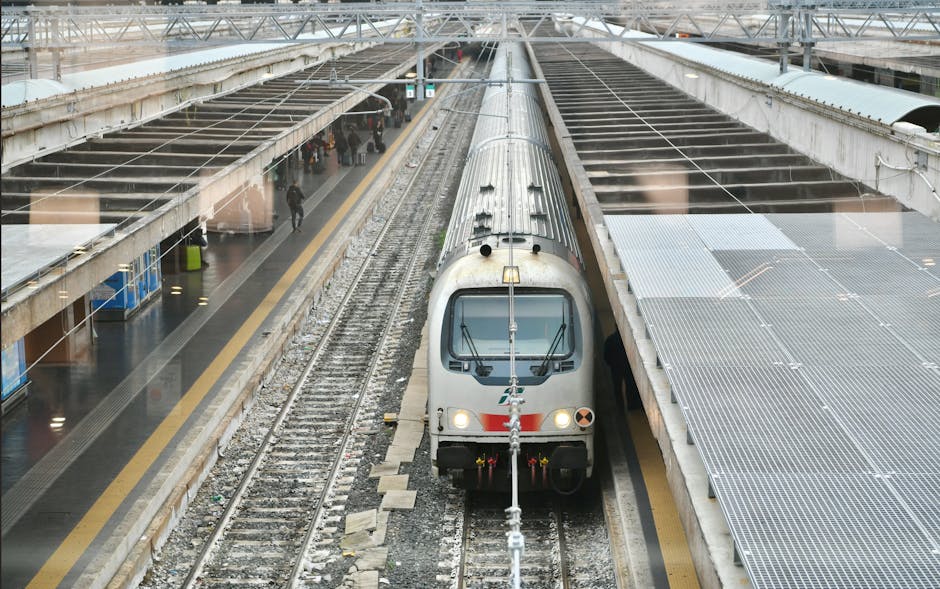
Where to buy:
- Ticket machines (found in every metro station) — accept cash, bank cards and sometimes contactless payments.
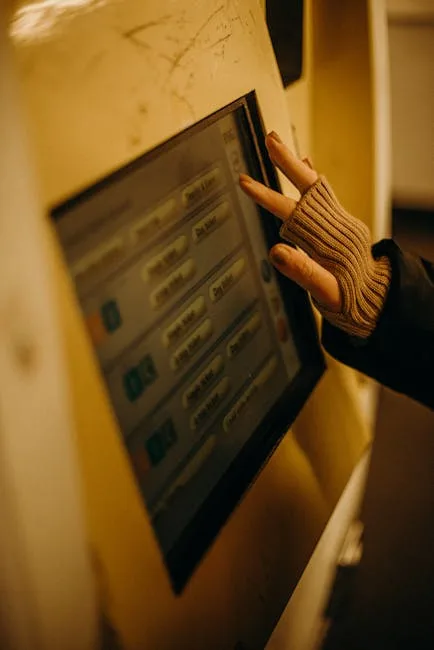
- ATM Points (e.g. ATM Point – Piazza del Duomo, Piazza del Duomo, 20122 Milano) for customer service, tourist cards and information.
- The official mobile app “ATM Milano Official App” — buy and validate tickets digitally, use rechargeable cards (“Ricaricabile”).
- Partner sales outlets (tobacco shops, newsstands) — often sell single tickets and ticket booklets.
Validation: you must always validate your ticket at the turnstiles or at validation machines when entering metro stations. Inspections are common and fines for traveling without a validated ticket can be steep. For time-limited passes (24h, 48h, 72h) the validity period starts on first validation. Tickets for the Malpensa Express should be used according to the provider’s instructions (often printed with a departure time/slot). 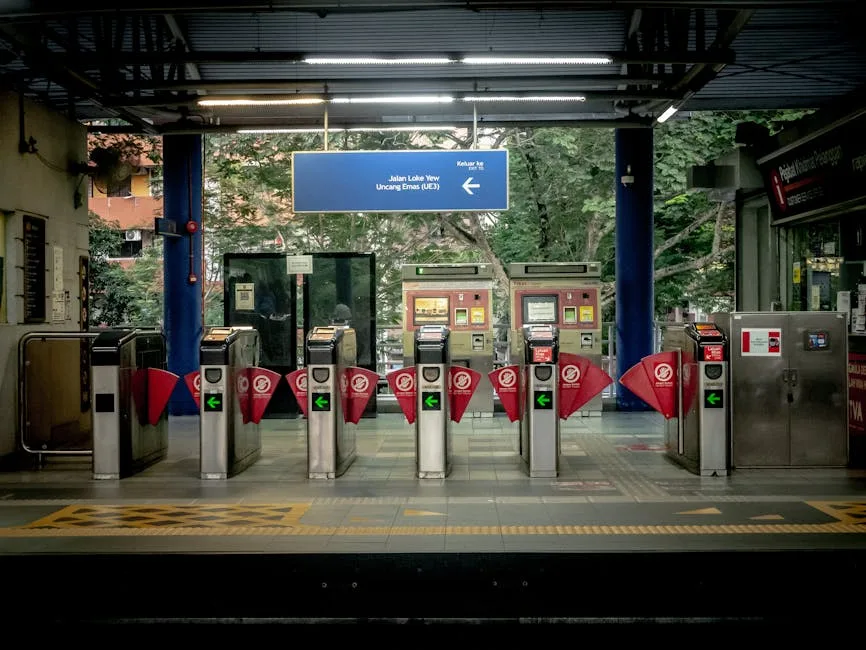
Practical tips, accessibility and useful routes
Here are local tips, accessibility details and common routes to optimize your travel around Milan:
- Opening hours: the metro generally runs from about 06:00 to 00:30. Extended services sometimes run during special events or certain Friday/Saturday nights — check the ATM website (atm.it) for exact times. Night bus services (linee notturne) cover the city after metro hours.
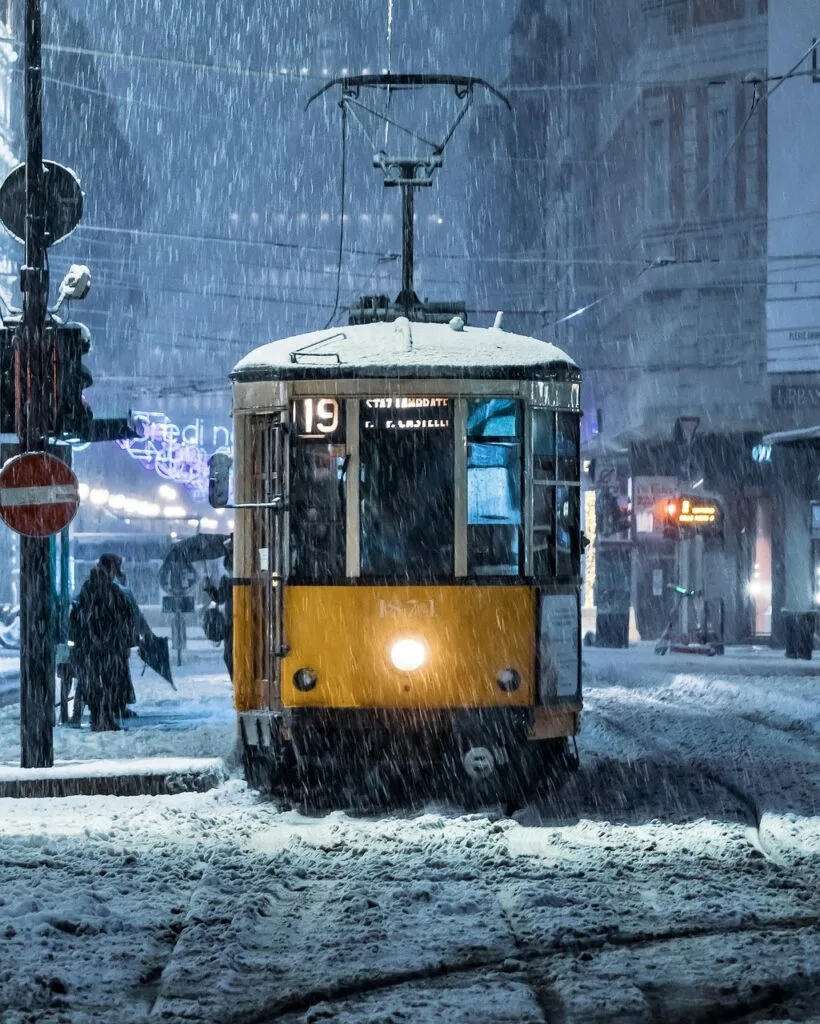
- Accessibility: many stations (notably M4, M5 and major interchanges) have elevators and facilities for people with reduced mobility. However, some older stations may only have stairs — plan ahead and check elevator availability on ATM maps.
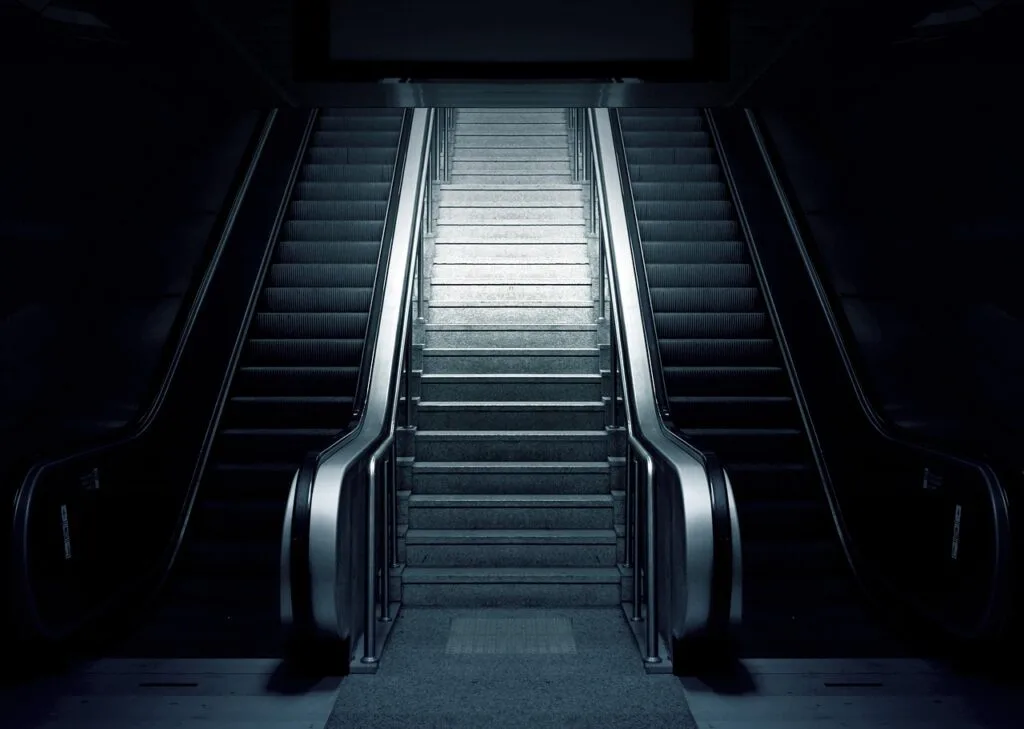
- Route to Malpensa: from Milano Centrale take the Malpensa Express direct (≈ 50 min) — cost ≈ €13.00. Alternatively, take M2 or M3 to Cadorna, then the Malpensa Shuttle (if available) depending on your terminal. Allow around 1h15 during peak traffic.
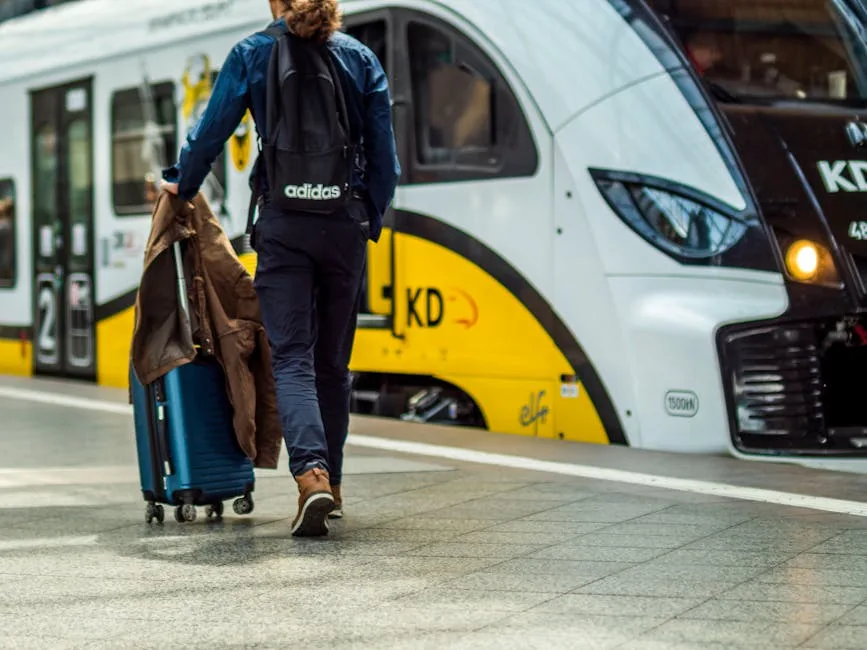
- Route to Linate: the M4 line serves Linate Airport; travel time varies by starting point (~20–30 minutes from the center). For door-to-door comfort consider a taxi (roughly €25–35 from the center depending on traffic) or direct airport shuttles.
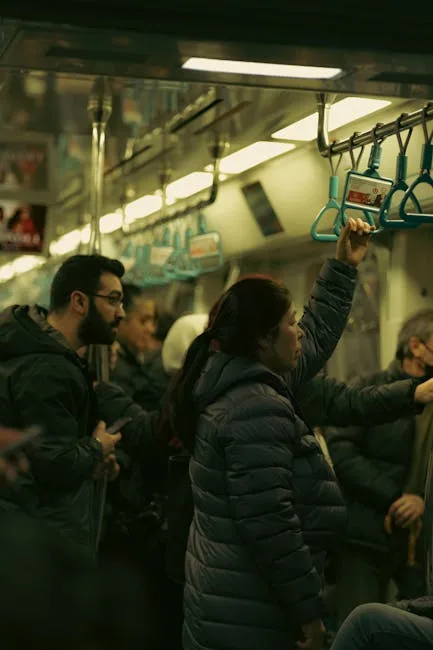
- Safety and pickpockets: like in any major city, stay alert during busy periods and on crowded trains. Keep valuables in sight and be mindful of frequent ticket inspections — always carry a validated ticket.
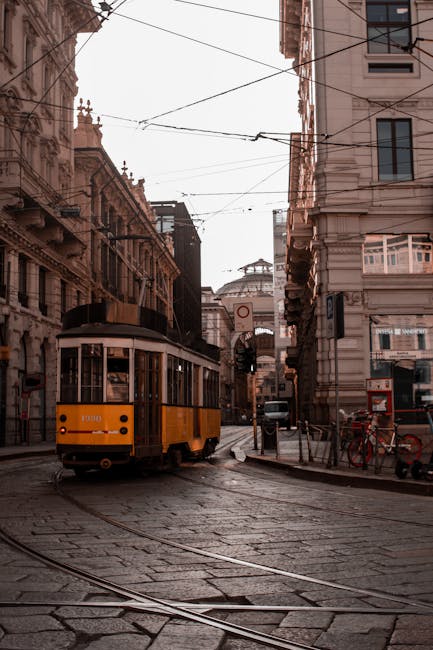
- Tram and bus connections: there are many surface connections (historic trams by Castello, Corso Buenos Aires, etc.). A single ATM ticket typically covers tram, bus and metro within the validity window (90 minutes for a single ticket) — check your chosen product.
Local tip: during rush hour, save time by using slightly off-center but well-connected stations (for example Moscova on M5 to reach Arco della Pace and the Navigli) — they are often less crowded than Duomo or Centrale. For a smooth experience, download the ATM app and keep a bank card handy to quickly top up an electronic ticket.
Conclusion: Mastering Milan’s metro for stress-free travel
Getting to grips with Milan’s metro starts with familiarizing yourself with the five main lines (M1, M2, M3, M4, M5), spotting key interchange hubs (Duomo, Milano Centrale, Cadorna FN, Porta Garibaldi) and understanding fare and validation rules. With a single ticket costing around €2.20 and valid for 90 minutes, or 24/48/72-hour passes (≈ €7/12/17), you can plan your visits without worry. For airports, the Malpensa Express (≈ €13 from Milano Centrale/Cadorna) and the M4 line to Linate are the most practical and fastest options. 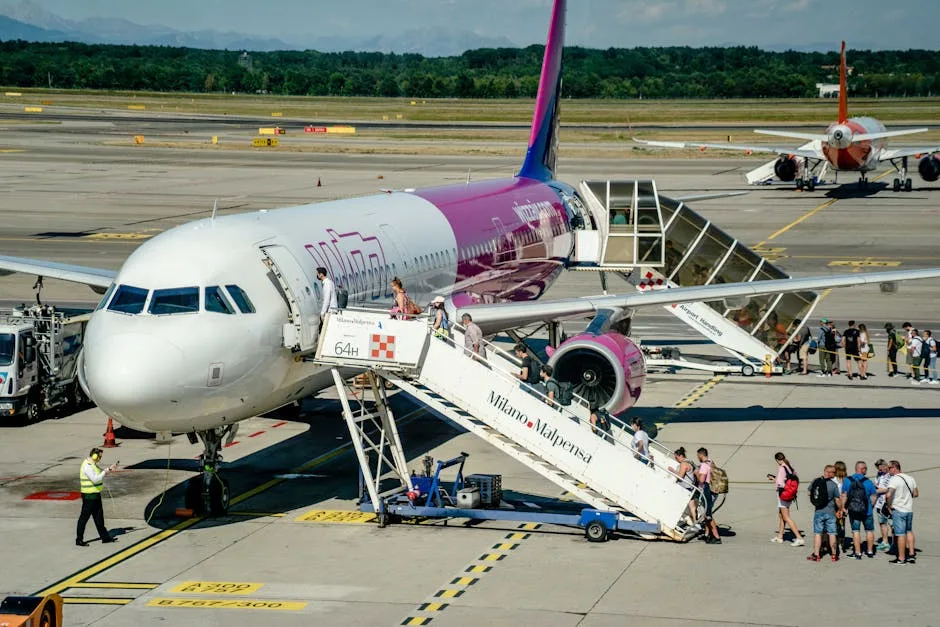
Besides practical facts (exact addresses like Piazza Duca d’Aosta 1 for Milano Centrale or Piazza del Duomo for Duomo), this guide emphasizes the experience: avoid queues, anticipate transfers, and prefer newer lines if you have luggage or need elevators (M4 and M5 are often better equipped). Standard hours (roughly 06:00–00:30) let you plan full days, and night buses cover late departures. 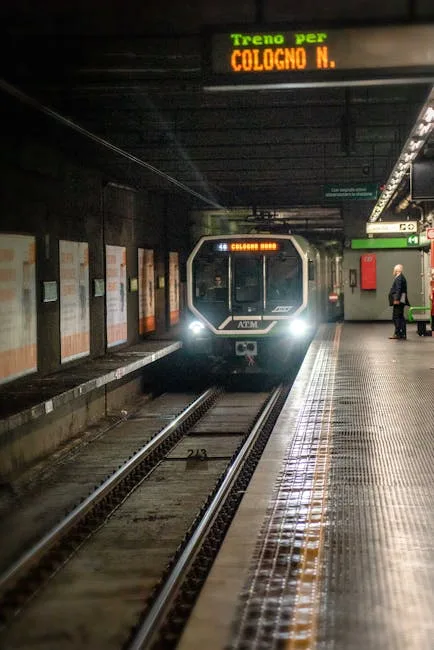
One final practical tip: for a short tourist stay the 24-hour ticket at €7.00 often gives the best value. For several days, the 48- or 72-hour pass brings peace of mind and freedom. For airport or intercity trips, book Malpensa Express or direct links in advance where possible. The network is generally safe, efficient and well signposted — once you know it, it’s the fastest and most economical way to explore Milan, from the boutiques of the Quadrilatero della Moda to the misty banks of the Navigli.