





Introduction — Milan 2025: a metropolis in architectural rebirth
Milan arrives in 2025 with fresh energy: the Italian tradition of design and urban planning meets contemporary ambition to transform historic neighborhoods, brownfields and economic hubs into bold architectural projects. This year marks an acceleration of construction and openings, blending residential towers, urban parks, reimagined cultural centers and sustainable micro-neighborhoods. For the curious traveler, visiting architect, or resident wanting to rediscover their city, Milan 2025 maps out sites where architecture becomes visible — experienced from the street, immersive in public spaces and accessible through exhibitions, guided tours and themed walks.
This practical guide offers a professional, detailed summary of Milan’s new modern architecture projects in 2025. It’s aimed at those planning routes, wanting to understand urban objectives, find exact addresses, opening hours and entrance fees where relevant, and receive local tips to get the most out of each place. I cover flagship projects already on view — expansions like CityLife and Porta Nuova — as well as recent interventions on brownfields such as the Milano Innovation District (MIND) and the transformation of industrial zones into vibrant cultural places.
The guide includes practical information (opening hours, prices in euros), immersive descriptions to help you picture textures, volumes and atmospheres, plus local advice to avoid crowds, the best times for photography and how to combine architecture visits with tasty breaks. You’ll also find precise recommendations for transport, pedestrian access and guided tours available or to book in advance.
For visual reference and to help later image searches, markers 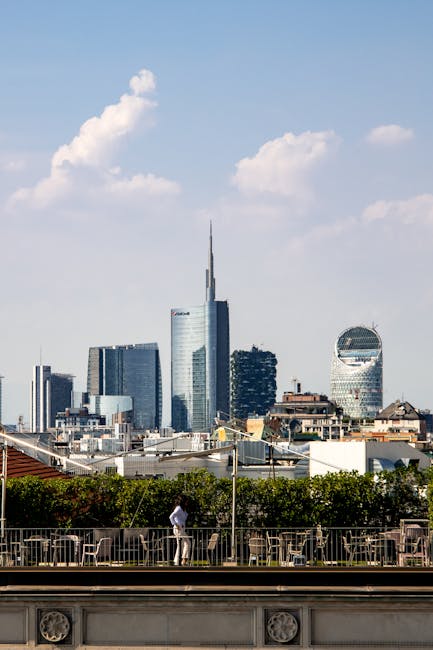 have been placed at strategic points in the text: they correspond to images you can look up to visualize the settings mentioned (Porta Nuova skyline, green façade details, new public squares, interiors of renovated cultural venues, etc.). These markers use English keywords and describe the exact place and visual context, useful if you want to pair this guide with a photo selection.
Before diving into the detailed sections, keep in mind Milan is a living city: hours and prices may change due to special events, temporary exhibitions or additional construction. It’s always wise to check official pages of the places mentioned before you go. This guide, written for 2025, reflects the projects’ status at the time of writing and gives you a solid base to build your Milan architecture itinerary.
CityLife and the new pedestrian core (Piazza Tre Torri, 20145 Milano)
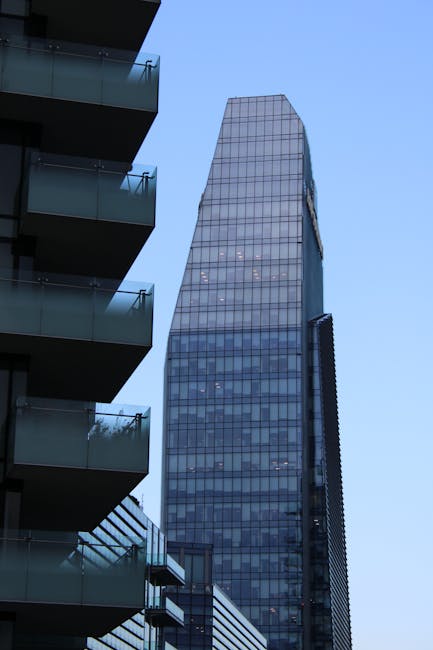
CityLife, centered on Piazza Tre Torri, 20145 Milano, is one of Milan’s most ambitious urban projects. Launched in the 2010s, the development entered a new phase in 2025: public spaces have been reconfigured, mixed-use residential units completed and new public artworks installed. CityLife’s big advantage is its pedestrian-first logic: wide promenades, bike lanes and the gradual removal of surface cars thanks to underground parking.
The neighborhood’s heart is Piazza Tre Torri, flanked by now-mature towers, cultural pavilions and a large shopping center (CityLife Shopping District, Via Carlo Boltri 23, 20145 Milano). The mall is open Monday to Saturday from 10:00 to 20:00, and Sunday from 11:00 to 19:00. Entrance to the mall is free; shops and restaurants are priced à la carte, with typical meals around €15–35 per person.
The recent promenades were designed by international landscape architects: oak and plane tree avenues, wide polished concrete benches, integrated LED lighting and minimalist signage. Residential towers offer large terraces and glass façades treated to reduce solar impact. CityLife regularly runs architectural guided tours, organized by local agencies: approximate cost €10–20 per person, often requiring reservations via the official CityLife Milano website.
- Getting there: Tre Torri metro station (M5) — Piazza Tre Torri exit.
- Local tip: for photography, aim for morning between 08:00 and 10:00 for soft light on façades and fewer people on the esplanades.
- Parking: CityLife underground car parks, indicative rate €2.50 / hour (max €25 / 24h).
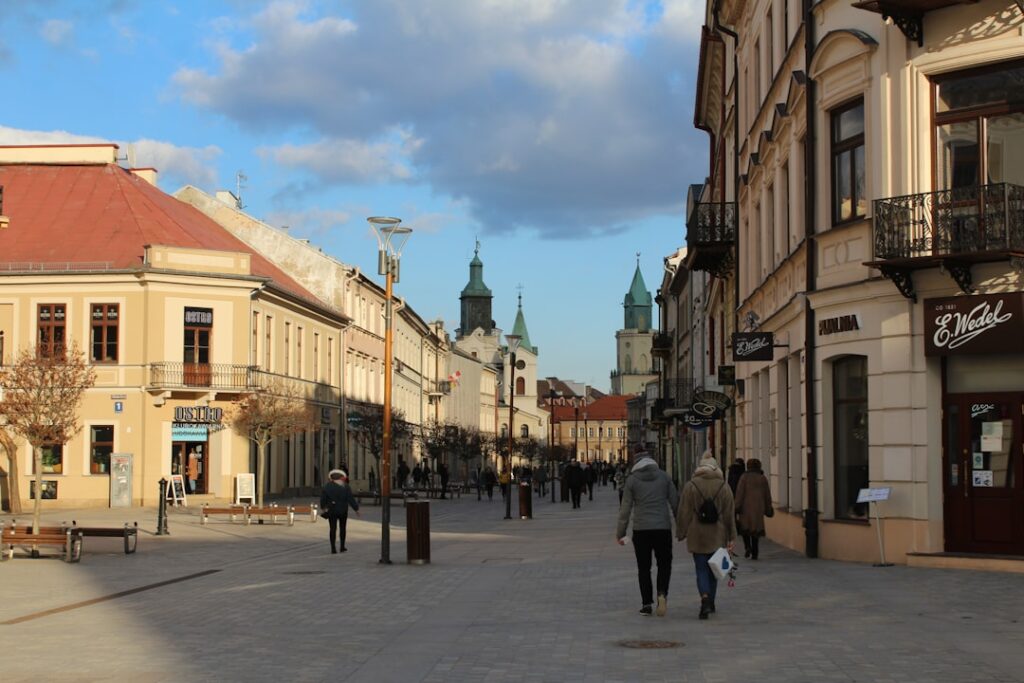
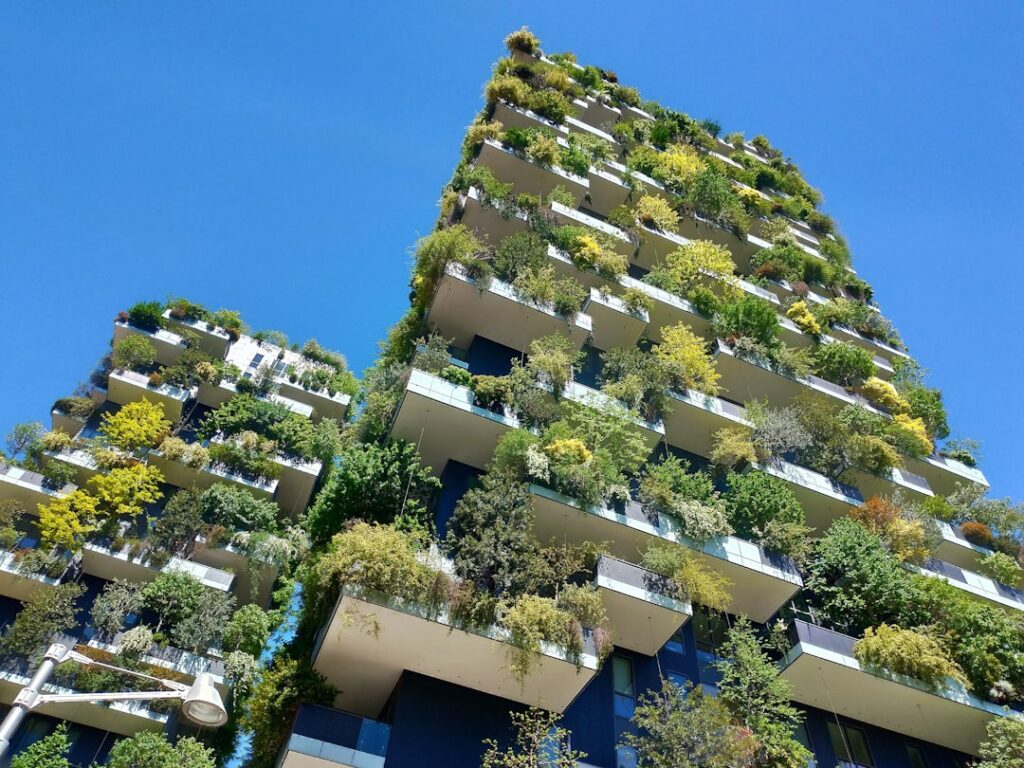
Porta Nuova and Bosco Verticale: renewed skyline and green density (Piazza Gae Aulenti, 20154 Milano)
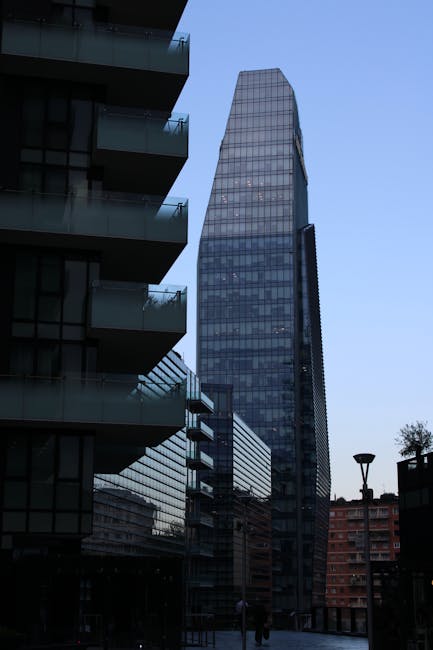
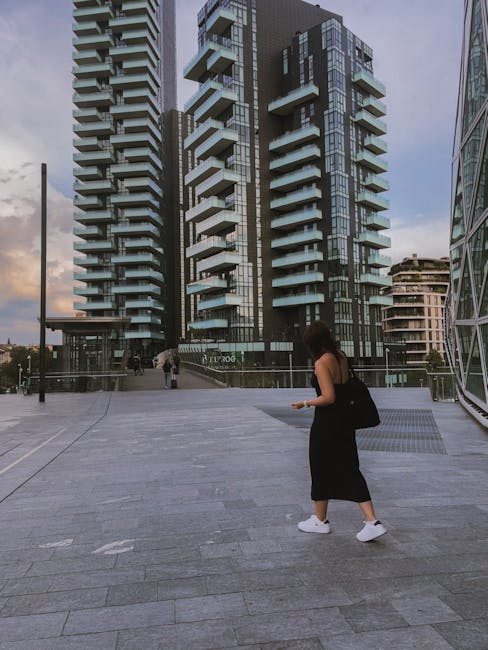
The Porta Nuova district, anchored by the iconic Piazza Gae Aulenti, 20154 Milano, continues evolving in 2025. The most notable interventions include expanding pedestrian areas around the square, installing temporary pavilions for startups and improving pedestrian links to Corso Como and Via Melchiorre Gioia. The district’s green emblem, the Bosco Verticale (vertical forest residential towers), still draws attention even though it remains primarily residential.
Visiting the Bosco Verticale is mostly an exterior experience (Via Confalonieri area). Specialized urban architecture tours include a stop in front of the complex to explain plant management, integrated irrigation systems and the thermal performance of the façades. These tours typically cost €20–30 per person and last about 90 minutes. The best photo views are from Piazza Gae Aulenti and the observation terrace of the « Galleria Porta Nuova » shopping center.
The area also launched 2025 initiatives: redesigned green roofs, community micro-gardens and electric vehicle charging points. The district hosts evening cultural events in the square — note that public space access can be temporarily restricted during special events.
- Getting there: Garibaldi FS metro station (M2, M5) — Piazza Gae Aulenti exit.
- Local tip: to avoid crowds, visit the square on weekday late afternoons; weekends are very busy with locals and tourists.
- Photography: sunset is recommended to capture the glass towers and the Bosco Verticale’s shadow play.
Milano Innovation District (MIND) and brownfield regeneration — Rho but integrated address map
The Milano Innovation District (MIND), located on the former Rho exhibition grounds, positions itself in 2025 as an urban laboratory for health, technology and sustainable innovation. The MIND site is reachable from Strada Statale SS 33 del Sempione / Aeroporto di Milano-Malpensa area, Rho (Milano side); it is now connected by dedicated shuttles and public transport from Milano Centrale and Rho-Fiera stations. MIND brings together incubators, research spaces, labs and temporary housing for researchers.
What’s new in 2025: the opening of modular pavilions designed to host biotech startups, restructured green spaces with rainwater harvesting systems and public squares outfitted with innovative street furniture. Some installations are open to the public through temporary exhibitions; for example, the « Pavilion of Health and Future » offers visits (exact address on the MIND site) and exhibitions: indicative price €8–12; typical opening hours 10:00–18:00, closed Monday.
MIND is a good example of turning industrial brownfields into an urban campus: the strategy mixes lightweight, demountable architecture for experimentation with rehabilitated buildings fitted with new insulating envelopes. For visitors, plan your route: allow half a day to move between pavilions, take advantage of the on-site bike-share and pause at the community café « Hub Café MIND » (lunch about €12–20).
- Getting there: MIND shuttle from Milano Centrale (check schedules on the MIND site); alternative: local tram/bus to Rho-Fiera and a guided walk.
- Local tip: bring sturdy shoes: the site is large and partially under construction; mid-week visits are usually quieter.
- Sustainable transport: bike charging stations and electric vehicle points, often free but confirm availability before visiting.
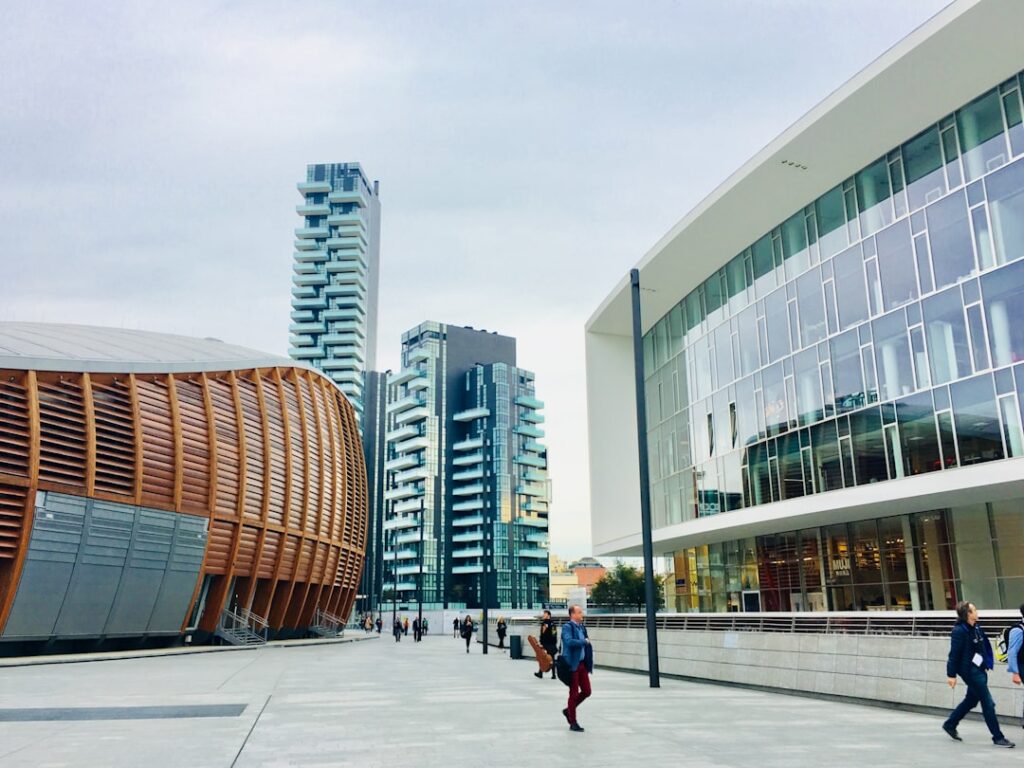
Renovated cultural centers: Fondazione Prada and HangarBicocca, new exhibitions and scenography (Largo Isarco 2 / Via Chiese 2)
Two major cultural hubs saw extensions and refurbishments in 2025: Fondazione Prada (Largo Isarco 2, 20139 Milano) and the contemporary art center HangarBicocca (Via Chiese 2, 20126 Milano). Fondazione Prada, known for its collections and theatrical exhibitions, unveiled new modular spaces for immersive installations. Standard admission at Fondazione Prada is usually €15; hours: Tuesday–Sunday 10:00–19:00, closed Monday. Special exhibitions may increase the price (up to €20–25).
HangarBicocca, housed in a repurposed factory, developed new outdoor routes in 2025: large-scale sculptures and sound installations in the courtyards, mostly freely accessible. HangarBicocca’s interior keeps its vast industrial hall, ideal for large-scale works. Typical hours: Wednesday–Sunday 11:00–20:00; entry is often free, though some temporary installations may require a paid reservation (€5–10).
Visiting both sites gives insight into Milan’s contrasting cultural staging strategies: Fondazione Prada emphasizes luxurious museography and paid exhibitions, while HangarBicocca maintains broad, often free access to foster public dialogue. Both venues offer themed guided tours: prices €10–18, reservation recommended, especially for Fondazione Prada.
- Local tip: combine the visits: start at Fondazione Prada in the morning to beat crowds, then head to HangarBicocca in the afternoon for a more relaxed, often free stroll.
- Dining: Fondazione Prada Café (lunch €18–30); HangarBicocca has food trucks and nearby cafés (€10–18).
- Accessibility: both sites are accessible to visitors with reduced mobility; check each venue’s official page for dedicated entrances.
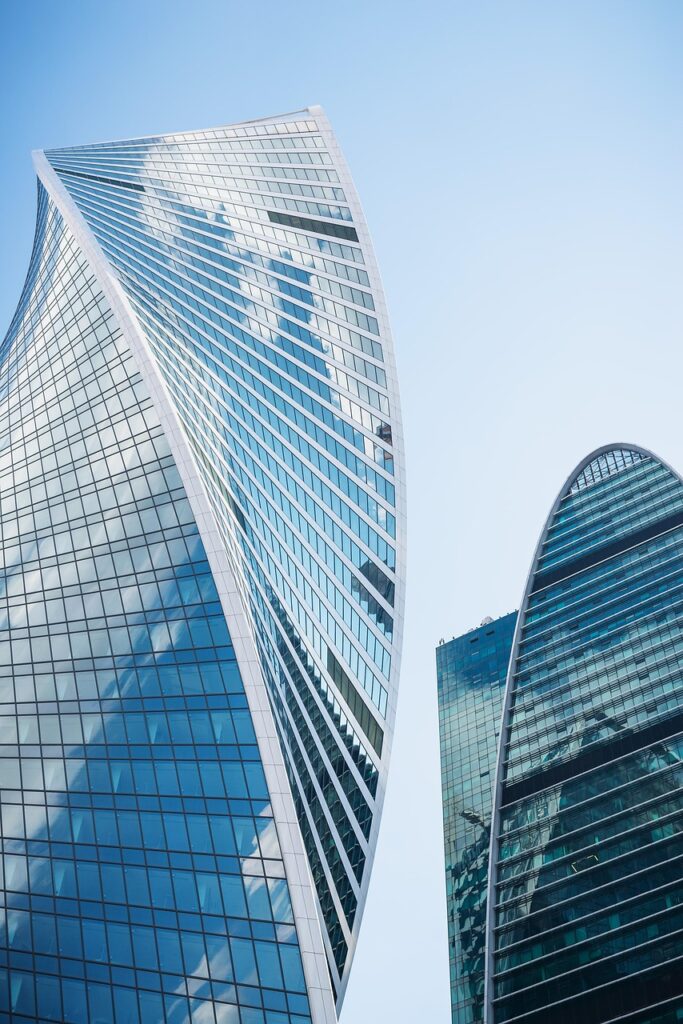
Practical tips and one-day routes for modern architecture
To make the most of a day focused on Milan’s new architecture projects in 2025, here’s a flexible itinerary you can adapt to your pace. Start early at CityLife (Piazza Tre Torri) to enjoy fresh air on the esplanades; grab a quick coffee at CityLife Shopping District (€8–12) then take the M5 metro to Porta Nuova (Piazza Gae Aulenti). Stop for lunch at Corso Como or in the new food courts of Porta Nuova (meals €15–30).
In the afternoon, head to Fondazione Prada (Largo Isarco 2) for an exhibition, then continue to HangarBicocca (Via Chiese 2) for late afternoon: the industrial hall offers ideal light for photos between 17:00–19:00. If you have extra time, plan half a day at the Milano Innovation District (shuttle from Centrale) to observe research pavilions and experimental urbanism.
- Tickets and reservations: buy tickets online for Fondazione Prada and for guided tours of CityLife/Porta Nuova to secure your spot.
- Estimated daily budget: €35–70 per person (coffee, lunch, exhibition tickets), varying by restaurant and guided tours chosen.
- Transport: an ATM day pass (ticket giornaliero = €7.50) covers metro, tram and bus for the day (check 2025 rates). Transfers to areas like MIND and Rho may require a separate ticket or shuttle fare.
Conclusion — Milan: an urban laboratory between heritage and innovation
In 2025, Milan confirms its role as a European urban laboratory: modern architecture has moved beyond mere aesthetics and is rooted in sustainability strategies, green densification and social accessibility. The projects featured in this guide — CityLife, Porta Nuova and Bosco Verticale, the Milano Innovation District, Fondazione Prada and HangarBicocca — demonstrate the variety of solutions the city is adopting. Some aim to reclaim industrial brownfields, others promote pedestrian urbanism or integrate nature into the urban fabric. Together they form a network where architecture converses with landscape, technology and people.
For the visitor, Milan 2025 is a destination where every corner can reveal a new façade, a rethought public space or an art installation. The precise addresses and practical details included here let you plan efficiently: know opening hours, budget in euros, and pick the best times for visiting and photographing. Remember the city stays dynamic — temporary exhibitions, neighborhood festivities and ongoing construction can occasionally affect access to certain sites. Always check the official pages of the venues mentioned before you set off.
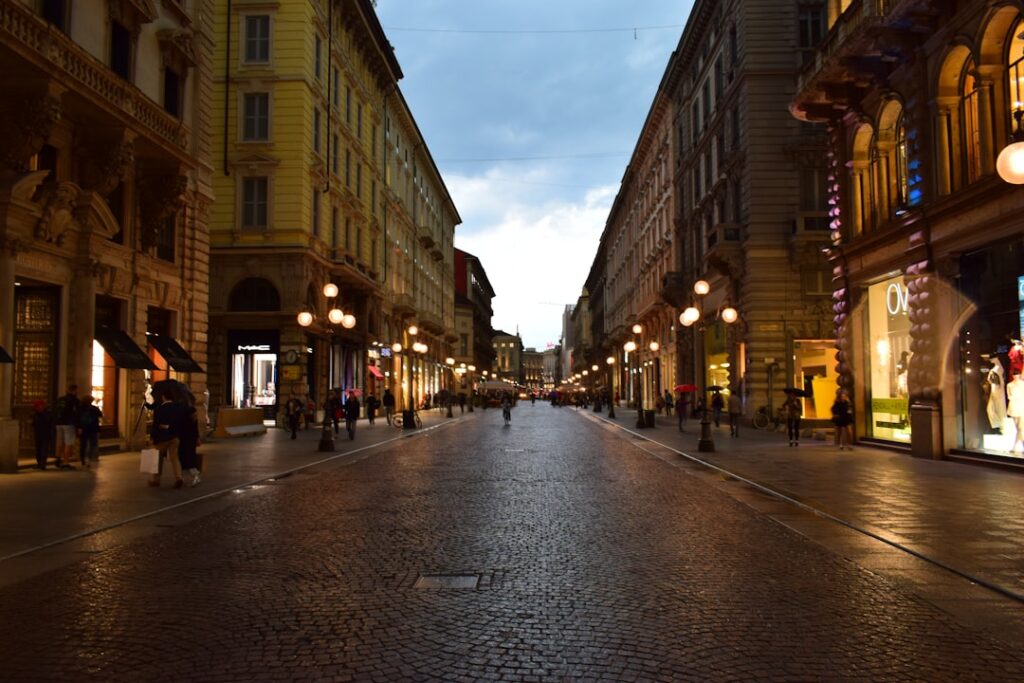
Finally, my best piece of advice: give yourself time to walk. The chemistry between contemporary buildings and Milan’s historical grid is discovered on foot, wandering small streets, renovated squares and pedestrian passages that link new projects with traditional neighborhoods. Whether you’re an architect, photographer, student or curious traveler, Milan 2025 offers a living, constantly reinvented panorama of modern architecture. Enjoy your visit — and take time to study details: façade junctions, technical solutions for greening, and the urban devices shaping the city of tomorrow.