





Introduction: Vintage Milan — a city to (re)discover
Milan isn’t just Italy’s capital of contemporary fashion and design; it’s also a paradise for vintage lovers and treasure hunters. Between canals, tucked-away courtyards and repurposed industrial halls, the city is packed with markets and meet-ups where you can unearth one-of-a-kind finds — clothing, furniture, vinyl records, old books, vintage advertising posters, décor pieces and retro jewelry. Whether you’re after a tweed jacket, a 1950s mechanical watch or an Art Deco lamp, each Milan neighborhood brings its own mix of items and atmosphere, often shaped by the area’s history or traditional crafts.
This guide, « Vintage Milan: Best Markets by Neighborhood, » is built to help you wander the city hunting for flea markets, car boot sales and vintage designer fairs. It offers not just addresses but practical info — opening times, price ranges, bargaining tips and suggestions for pairing market hunting with great local bites. You’ll find the perfect blend of traditional outdoor street markets with that Sunday flea-market vibe, monthly events held in revamped factories, and curated mini-fairs where vendors stage well-thought-out collections.
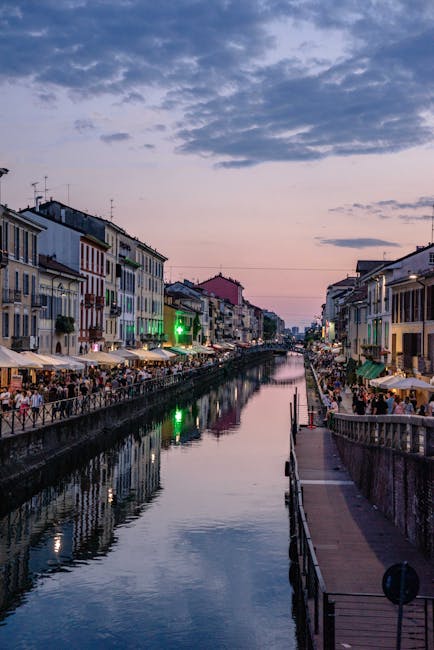
To make the most of these markets, it helps to know what each zone specializes in: along the Navigli you’ll often browse stalls by the canal and top it off with an aperitivo at sunset; Brera favours selective designer vintage pieces and fashion accessories; Porta Genova mixes market visits with thrifting in secondhand boutiques. Larger markets — usually monthly — attract collectors from across Italy and can be the place to find items in excellent condition, sometimes at negotiable prices if you know how to haggle.
One final note on timing: most markets run on weekends (Saturday or Sunday), some are monthly (typically the last Sunday of the month), and others take place in the evening during special events. Opening hours and entrance fees vary between organizers; this guide gives clear pointers but it’s always wise to check official pages or organizers’ social media before you go. Bring patience, a sturdy bag and a sharp sense of curiosity: vintage Milan rewards those who take the time to search. Happy hunting!

Navigli — Mercatone dell’Antiquariato and the markets along Naviglio Grande
The Navigli area is arguably one of the most iconic places to hunt for vintage in Milan. Along the Naviglio Grande and the Darsena, the Mercatone dell’Antiquariato sets up regularly (usually the last Sunday of the month), bringing together antique dealers, flea-market sellers and private vendors. Meeting point: Piazza XXIV Maggio, 20123 Milano, which corresponds to the main entrance near the Darsena. Typical hours: 8:00–18:00. Entry: usually free; some stalls offer collectible items starting from around ten euros, while rarer pieces can reach several hundred euros.
This market stands out for the quality and variety on offer: antique furniture, Italian ceramics, gilded mirrors, vintage vinyl, retro clothing and accessories, industrial lamps and curiosities. The stroll along the quays is leisurely — you’ll easily find a spot to sit and inspect an item before buying. Practical tip: arrive early (8:00–9:00) to get the best selection and to negotiate prices before the crowds show up. If you plan to buy furniture, always ask if delivery is possible or if the seller can recommend a local transport service; the lanes around the canals aren’t always easy for vans to access.
After shopping, take advantage of the nearby aperitivo scene. Local picks: ristorante El Brellin (Via Conchetta, 19, 20136 Milano) for a friendly stop; otherwise the bars along Alzaia Naviglio Grande serve cocktails and cicchetti to extend your morning. Don’t leave purchases unattended; markets draw crowds, and it’s safer to carry your finds rather than leave them in a parked car in a less supervised area.

Porta Genova and Viale Papiniano — street markets and thrift shops
The Porta Genova neighbourhood, a stone’s throw from Milano Porta Genova station (Piazza XXV Aprile), is known for its mix of secondhand stores and street markets. A go-to spot is the Mercato di Viale Papiniano, located along Viale Giovanni Battista Papiniano, 20143 Milano. Hours: Monday to Saturday 7:00–13:00 for the food market and some clothing stalls (days and times can vary by season). Prices: free entry; vintage clothes and accessories typically range from €10 to €80, depending on condition and brand.
Viale Papiniano hosts a traditional market where you’ll find not only food but also clothing and bargain-priced items. It’s perfect for hunters looking for cheap pieces to customize, leather bags, coats and shoes. On the side streets, several well-stocked thrift stores offer more curated selections: check out Humana Vintage (Via Torino 39, 20123 Milano — opening hours vary) or Frip Vintage (Via Tortona 37, 20144 Milano) for higher-quality, hand-picked items.
Local tips: bring a sturdy bag and small change to make transactions easier; haggling is common but should remain polite. If you’re after winter pieces in leather or wool, shop in the morning when stalls are restocked. Many vendors accept cards but sometimes prefer cash — ask if a cash discount is possible. Finally, combine bargain hunting with a stroll through the vibrant Tortona district (Via Tortona) for design showrooms and trendy cafés.
 Click here to book a vintage tote-painting workshop
Brera and Moscova — designer markets, small brocantes and studios
Brera is Milan’s artistic heart: cobbled streets, galleries, art schools and small boutiques where vintage tends to be more selective. The area around Via Brera and the Pinacoteca di Brera (Via Brera, 28, 20121 Milano) hosts several small brocantes and occasional events where designers and specialist sellers present high-quality vintage clothing and accessories. Hours: the Pinacoteca is open 8:30–19:15 (closed Mondays); designer markets have variable hours — often on Saturdays or during cultural events. Prices: gallery entry is paid (around €15), markets are free; boutique clothing and accessories range from €30 to €400 depending on rarity.
In the Moscova area (nearby Piazza Gae Aulenti), you’ll also find pop-ups and markets featuring vintage and upcycled designers. The Mercatino degli Artisti and occasional courtyard markets in artisan workshops (cortili) offer a carefully curated selection: vintage Hermès bags, signed leather jackets, handcrafted jewelry and restored mid-century furniture. These markets attract people looking for items with a story and a confident aesthetic.
Practical tips: in Brera, prefer late-afternoon visits after lunch, when the light in the narrow streets highlights the textures and colours of old fabrics. If you buy vintage jewelry, always ask for a certificate of authenticity or provenance details. For furniture, check the joinery — many pieces need professional restoration; ask for extra photos if you plan to ship abroad. Also, pair your visit with a coffee at Caffè Fernanda (Pinacoteca di Brera) for a cultural pause before hunting.
Click here to book your ticket for the Brera art gallery
Lambrate and East Market — industrial halls and large weekend markets
The Lambrate district to the east is famous for its repurposed industrial spaces and large-scale vintage markets. One of the best-known events is East Market, regularly held in halls or industrial wastelands — a frequent address is Via Mecenate 88, 20138 Milano (check the exact location for each edition). Indicative hours: 10:00–18:00 during Sunday editions; paid entry: usually €3–€5 (prices vary by event). East Market stands out for its mix of antique dealers, independent sellers, upcycled creators and street food stalls.
Visiting an East Market is immersive: large bright spaces, themed aisles (vinyl, vintage clothing, design, collectibles), restoration workshops and food trucks serving Italian specialties. Prices range from items at €5 to collectible pieces over €500; most stalls accept card payments, but it’s smart to carry cash for small negotiations. The industrial backdrop gives browsing a different vibe — it’s also a great spot to photograph pieces in curated displays.
Practical tips: check East Market’s official page for the exact date and venue of each edition. Arrive early for the best finds and wear comfortable shoes — the halls are expansive and you’ll walk a lot. If you plan to buy fragile or heavy items, ask about packing and delivery services available on site. Take advantage of nearby artisan workshops to get a piece restored: some markets offer professionals who can clean vintage textiles or repair a zipper.

General practical tips for vintage hunting in Milan
Heading out to hunt vintage in Milan takes a bit of organisation. Here are practical tips to maximise your finds and avoid pitfalls:
- Opening times: most markets take place on Saturday or Sunday mornings. Monthly markets often happen on the last Sunday of the month. Always check official pages or the organisers’ social media.
- Prices and bargaining: start by politely asking if there’s room to negotiate. A 10–20% discount is common, especially at the end of the day. For collectible items, ask for certificates or provenance details.
- Payment: carry cash (small notes and coins), as some sellers don’t take cards. Have a quick-transfer app ready (like Revolut) if a seller accepts simple electronic payments.
- Transport: for bulky items, ask the seller if they can arrange delivery. Otherwise, book a local transport service or rent a van for the day. Streets near canals and historic centres can be narrow — plan your logistics.
- Authenticity and condition: inspect seams, labels, maker’s marks and the condition of metals for jewelry. For instruments (watches, gramophones), ask for a demo if possible.
- Safety: keep valuables close and don’t leave bags unattended. Markets attract crowds, so watch out for pickpockets in busy areas.
- Pair with food: use the markets as an opportunity to sample local specialties: an aperitivo along the Navigli, arancini and panzerotti at street food stalls, or an espresso at one of the many traditional cafés.

Resources and checking
Before you go, consult official market websites, the organisers’ Facebook or Instagram pages, and local guides for exact dates and any last-minute changes. Milan tourist offices (Milan Centro, Via Marghera 2) can also provide brochures and up-to-date information.
Conclusion: why Milan remains a must-visit for vintage hunters
Milan offers rare variety for treasure hunting: floating markets along the Navigli, repurposed industrial halls in Lambrate, intimate brocantes in Brera and bustling street markets in Porta Genova. Each neighborhood has its own vibe and specialties — furniture and art objects in Navigli, bargain thrift stalls at Papiniano, designer pieces and vintage jewelry in Brera, large gatherings and street food at Lambrate. That diversity makes Milan a top destination for vintage enthusiasts, whether you’re a seasoned collector or a curious visitor hunting for a memorable souvenir.
Beyond addresses and opening times, what makes vintage shopping in Milan so enjoyable is meeting the sellers, swapping stories and learning an object’s background. Haggling is part of the ritual, as is the tasty break that follows a morning of rummaging. Whether you walk away with a 1960s suit or a restored advertising poster, remember that a vintage item’s value lies as much in its story as in its looks.
Quick practical reminder: addresses, opening hours and prices can change with the season and event organisation. Always check official market accounts and, if possible, contact organisers before heading out. Take your time, wander between the stalls, talk to sellers and let yourself be surprised — vintage Milan has many discoveries for those who pay attention. Happy hunting and buon viaggio!