





Introduction
Milan, the economic and cultural capital of Lombardy, is far more than a showcase for fashion and design: it’s a city where medieval history, Renaissance splendor and bold contemporary architecture coexist around every corner. For the curious traveler, exploring Milan is like following a thread of carved stone, grand façades, bustling squares and mosaic‑lined arcades. This guide highlights the 10 must-see landmarks in Milan, selected for their historical importance, architectural beauty and the immersive experiences they offer visitors.
Each site below includes practical info: exact addresses, typical opening hours, prices in euros and local tips to make the most of your visit (best times to avoid crowds, lesser-known alternatives, skip‑the‑line options, etc.). The goal is to give you a complete overview so you can plan an efficient and enjoyable discovery—whether you have a weekend, a week, or just want to add a dash of history to a day of shopping.
This guide is aimed at a general audience: families, independent travelers, art lovers and culture buffs. Some attractions require advance booking (Leonardo’s Last Supper in particular), while others are free for self‑guided visits. Prices and opening hours are indicative and reflect common practice; it’s recommended to check official websites before you travel to confirm times and fees, as seasonal changes or special events can affect availability.
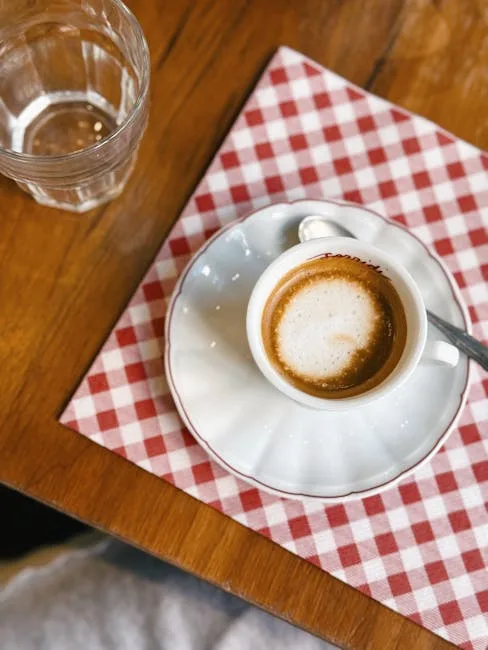
You’ll find not only immersive descriptions but also local tips—where to grab the best espresso after a visit, which viewpoints make the most memorable photos, and how to avoid long lines. Milan is best discovered on foot as well as by metro: from Piazza del Duomo to the Navigli canals, these landmarks create a coherent route that reveals the many faces of the city.
1. Duomo di Milano (Cathedral of Milan)
Address: Piazza del Duomo, 20122 Milano MI, Italy.
Opening hours: generally open daily 08:00–19:00 (hours vary for the rooftop and religious services).
Price: entry to the Cathedral (nave) is free for most visitors; rooftop access by elevator ~€17, by stairs ~€10; combined Duomo + Museum + Rooftop ticket ≈ €20–€25 depending on options (prices vary).
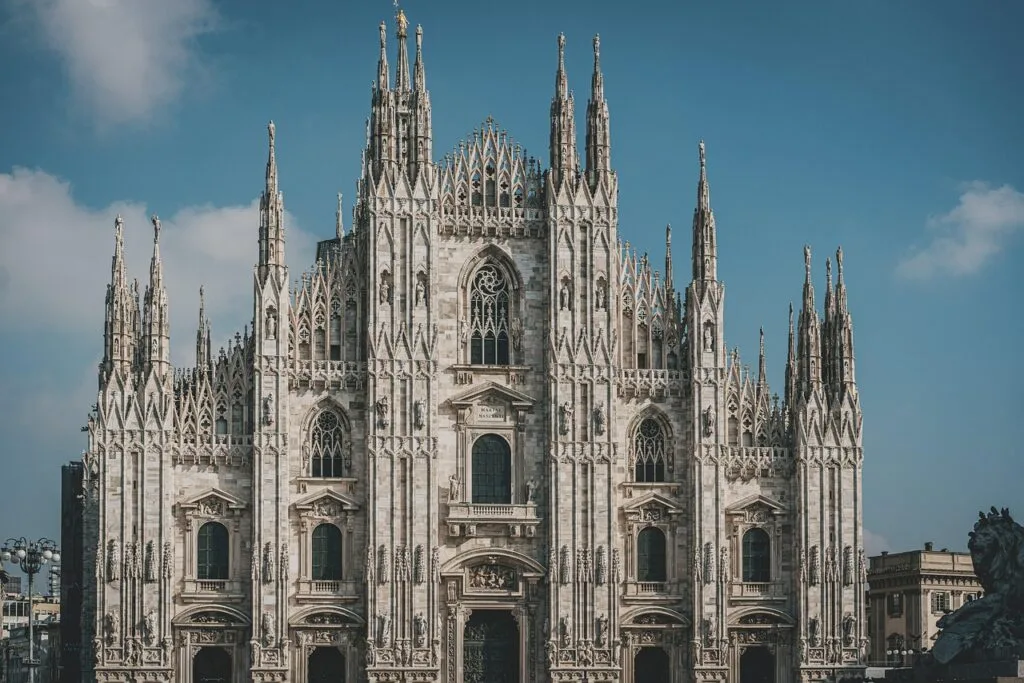
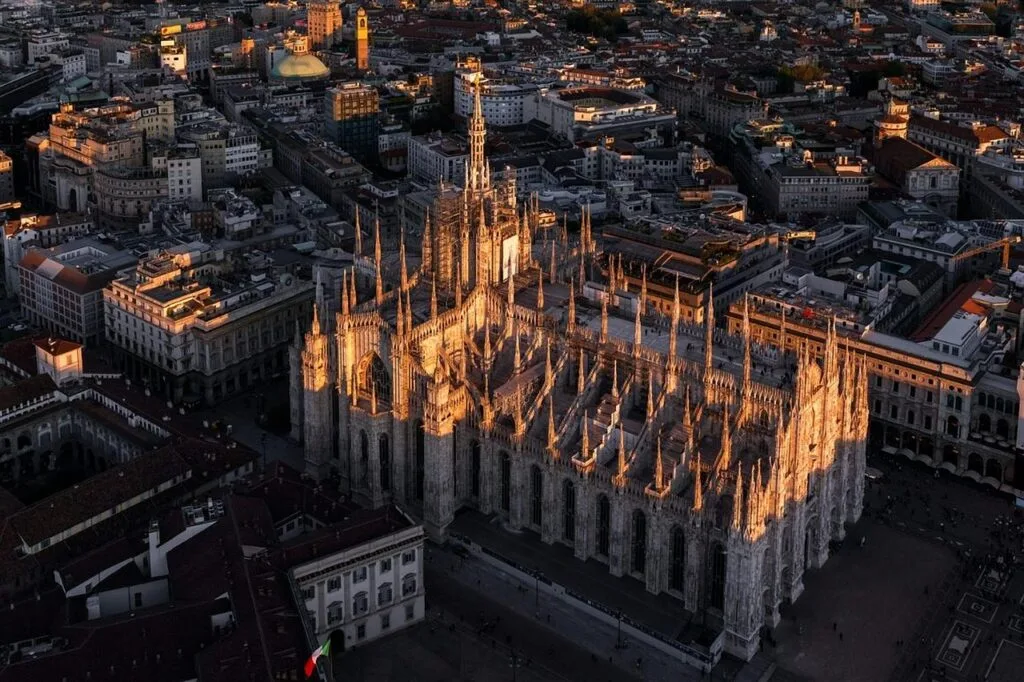
The Duomo di Milano is the symbolic heart of the city. This Gothic cathedral, one of the largest in Europe, impresses with its white marble façade and a forest of spires and statues that silhouette against the Milanese sky. Climbing to the rooftop offers exceptional panoramic views: you can see Piazza del Duomo, the outline of the Galleria Vittorio Emanuele II and, on clear days, the Alps in the distance. Inside, the soaring nave and stained glass windows narrate biblical scenes in a wash of colored light that only grand sacred buildings can produce.
Local tip: aim for an early morning climb or late afternoon at sunset for the best photos and to avoid summer heat. Buy a skip‑the‑line ticket online for rooftop access on busy days. Remember to dress respectfully inside (shoulders and knees covered).
2. Galleria Vittorio Emanuele II (Historic Shopping Arcade)
Address: Piazza del Duomo, 20123 Milano MI, Italy.
Opening hours: shops typically open 10:00–20:00; the arcade is accessible 24/7 (some boutiques close earlier).
Price: free to enter (shopping and cafés are paid; access to the passage is free).
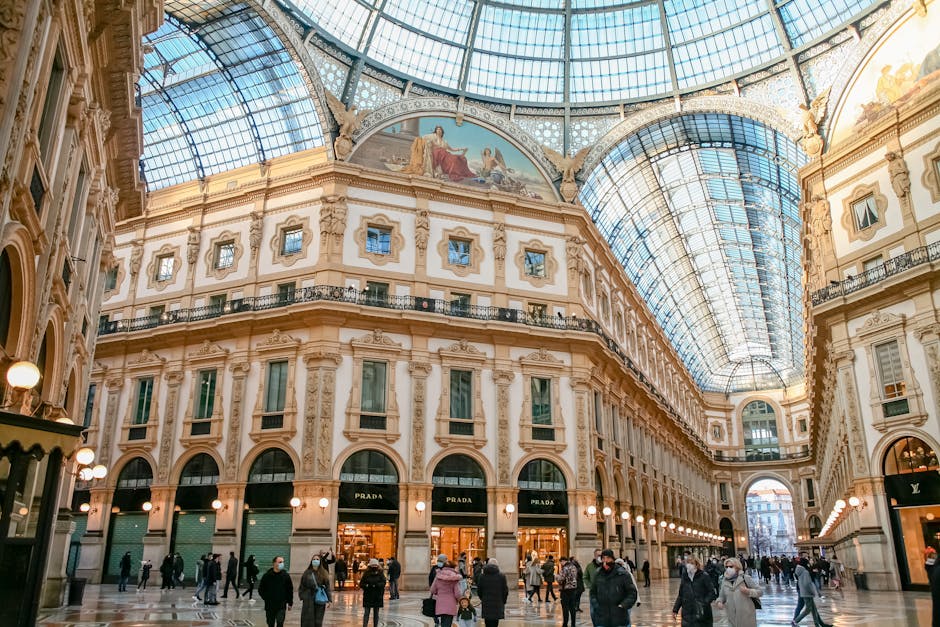
Adjacent to the Duomo, the Galleria Vittorio Emanuele II is a 19th‑century glass‑domed arcade with elegant ironwork. It’s a place for strolling where ornate floor mosaics, decorated façades and luxury shops create a distinctly Italian atmosphere. The gallery houses historic cafés, bookstores, haute couture boutiques and upscale restaurants. It’s perfect for people‑watching and taking a break at a café terrace while watching the stream of passersby.
Local tip: for an iconic shot, position yourself in the center of the gallery where the dome’s perspective makes for a perfectly symmetrical photo. Avoid peak tourist hours (11:00–15:00). Try an espresso at the bar for a lower price than sitting at a table.
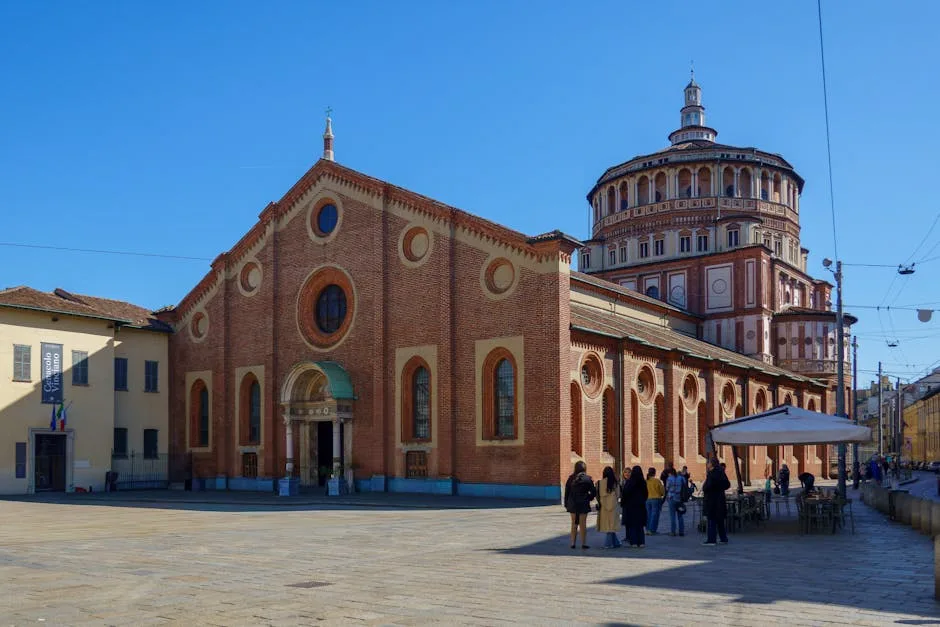
3. Santa Maria delle Grazie – Il Cenacolo (The Last Supper)
Address: Piazza di Santa Maria delle Grazie, 2, 20123 Milano MI, Italy.
Opening hours: guided tours and access to the painting generally 08:15–19:00 (closed Mondays, hours subject to reservation).
Price: standard ticket for Il Cenacolo ≈ €15–€20 (reservation required, small groups and strict time slots).
The basilica of Santa Maria delle Grazie houses one of Leonardo da Vinci’s most famous works: Il Cenacolo (The Last Supper). Painted on the refectory wall, this masterpiece is subject to tight conservation measures and visitor controls—only limited time slots are sold each day, so booking is essential. The experience is short but powerful: the composition, the characters’ emotions and the mastery of perspective remain an unmissable artistic encounter.
Local tip: book your tickets several weeks in advance, especially during high season. If tickets are sold out, look for guided tours that sometimes have access to additional allocations or check the official ticketing for last‑minute cancellations. Combine the visit with a walk around the neighborhood to discover lesser‑known Renaissance façades.
4. Teatro alla Scala (La Scala Opera House and Museum)
Address: Via Filodrammatici, 2, 20121 Milano MI, Italy.
Opening hours: museum open 09:00–17:30 (hours vary by season and performances); theatre according to evening programming.
Price: museum visit ≈ €11–€15; guided tours and performance tickets vary widely (gala performances often >€100).
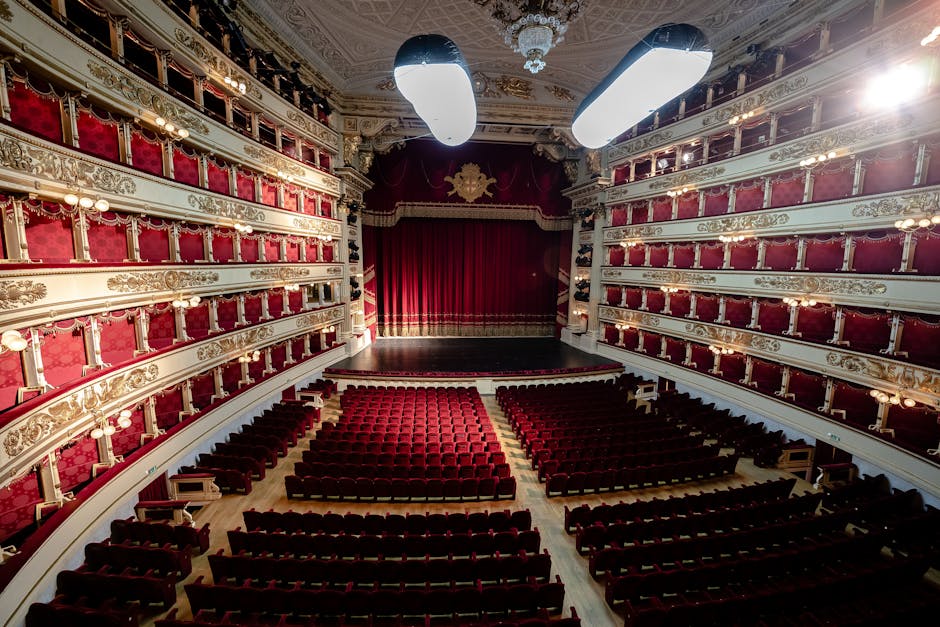
The Teatro alla Scala is one of the world’s most prestigious opera houses. Its museum displays costumes, scores, instruments and portraits of illustrious composers and singers. The auditorium—famous for its acoustics and opulence—is worth seeing, and attending a performance is a memorable experience for opera fans. A museum visit helps you understand Italy’s musical history and Milan’s central role in the operatic world.
Local tip: if you can’t attend a show, visiting the museum and snapping a photo in front of the façade is still worthwhile. Book performance tickets as soon as they go on sale to secure the best seats and prices.
5. Castello Sforzesco (Sforza Castle)
Address: Piazza Castello, 20121 Milano MI, Italy.
Opening hours: the castle museums are generally open 09:00–17:30 or 10:00–18:30 (closing times vary on Mondays).
Price: entry to the castle museums ≈ €5–€10 depending on the exhibition; park access is free.
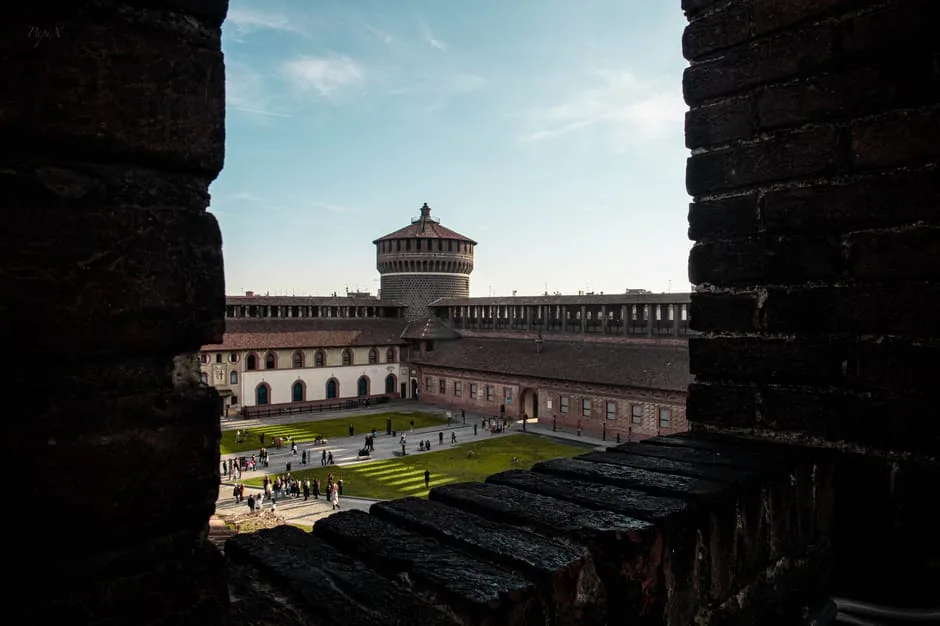
The Castello Sforzesco is an imposing Renaissance fortress built by the Sforza family. It houses multiple museums (Museo d’Arte Antica, the Picture Gallery, the Museum of Musical Instruments, and other collections) and preserves masterpieces like Michelangelo’s Pietà Rondanini. The adjacent Parco Sempione is perfect for a nature break in the city center. The massive architecture, towers, ramparts and inner courtyards tell Milan’s military and cultural story.
Local tip: park entry is free and makes for a lovely late‑afternoon picnic. Check temporary exhibitions—often a combined ticket gives access to several sections of the castle.
6. Pinacoteca di Brera (Brera Art Gallery)
Address: Via Brera, 28, 20121 Milano MI, Italy.
Opening hours: generally 10:00–18:00 (closed Mondays); extended evenings on certain days (check the official site).
Price: standard ticket ≈ €12–€15; discounts available for students/seniors.
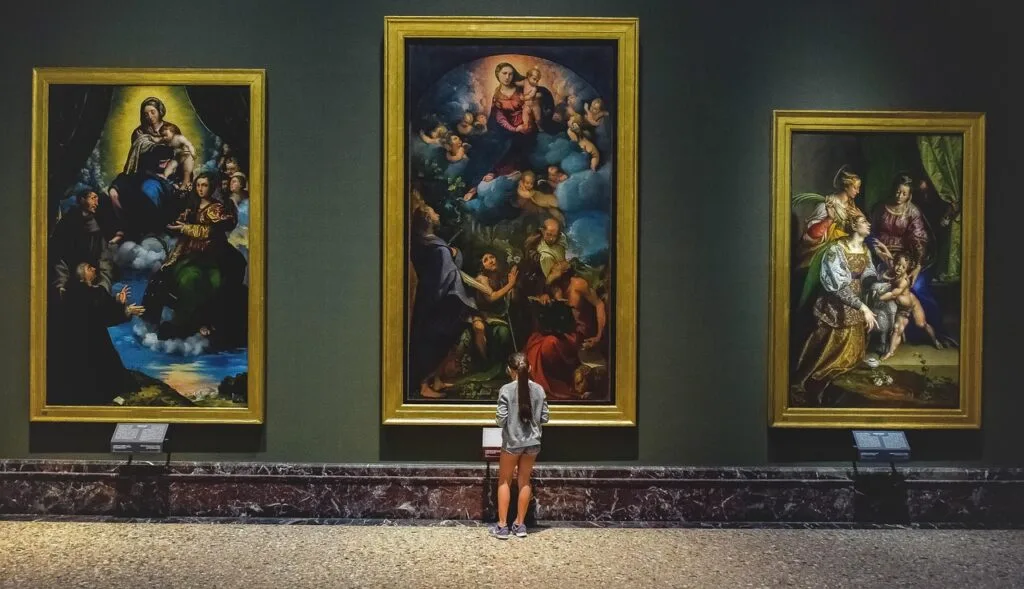
The Pinacoteca di Brera is Milan’s premier art gallery, housed in an elegant palace in the bohemian Brera district. It features an outstanding collection of Italian and European paintings (Raphael, Caravaggio, Piero della Francesca). The surrounding area, with artist studios, old bookstores and cozy cafés, invites a leisurely wander after your visit.
Local tip: pair the gallery visit with a coffee break in Brera’s narrow streets, and don’t miss the adjacent Accademia di Belle Arti for its singular academic atmosphere.
7. Museo Nazionale della Scienza e della Tecnologia « Leonardo da Vinci »
Address: Via San Vittore, 21, 20123 Milano MI, Italy.
Opening hours: generally 09:30–17:00 (hours may vary; closed on certain holidays).
Price: standard ticket ≈ €10–€12; reductions for children and families.
This museum celebrates Leonardo da Vinci’s engineering mind and inventive spirit, with machine models, exhibitions on energy, transport and applied sciences. It’s an ideal visit for families and tech enthusiasts, offering interactive workshops and impressive models. The building itself—former industrial structures—adds an industrial‑scientific charm to the experience.
Local tip: allow several hours to explore transport sections (locomotives, ships), aeronautics and Leonardo’s models. Temporary exhibitions are often worth the detour.
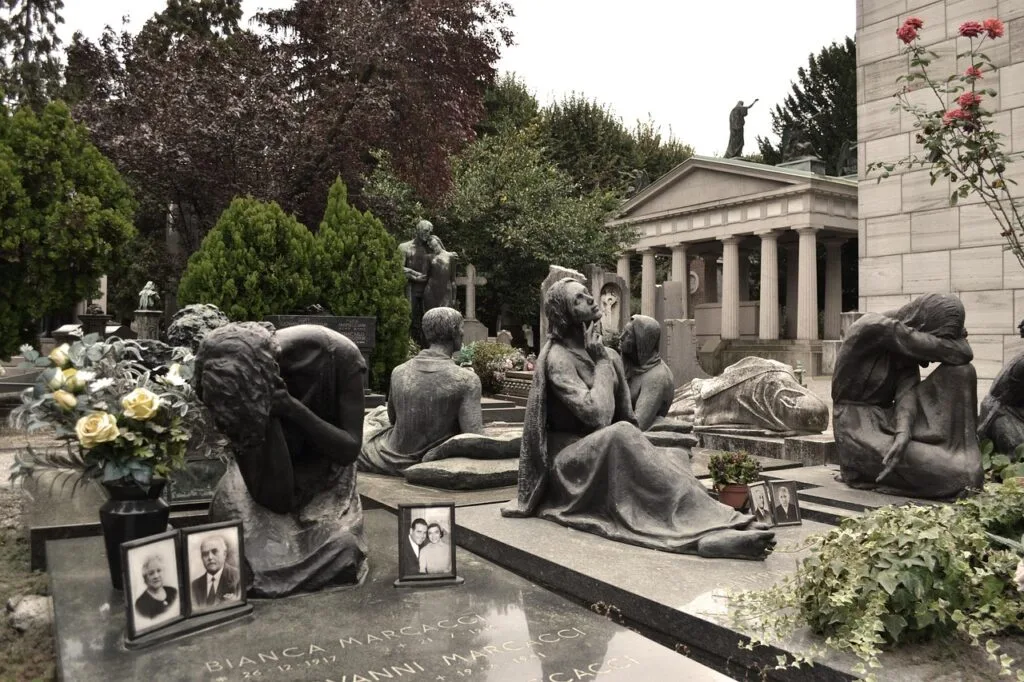
8. Cimitero Monumentale (Monumental Cemetery)
Address: Piazzale Cimitero Monumentale, 20154 Milano MI, Italy.
Opening hours: generally 08:00–17:00 (seasonal changes possible).
Price: cemetery access is free; some guided tours or museum sections may charge ≈ €5.
The Cimitero Monumentale is an open‑air museum: mausoleums, sculptures and funeral chapels form an artistic route steeped in history. It’s a tranquil, contemplative place where you can appreciate Milanese taste for monumental sculpture. The works span styles and eras—from neoclassical to contemporary—and reflect the figures who shaped the city.
Local tip: pick up a guidebook or take a guided tour to spot the major works and decode funerary symbolism. It’s a photogenic site for anyone interested in sculpture and mortuary architecture.
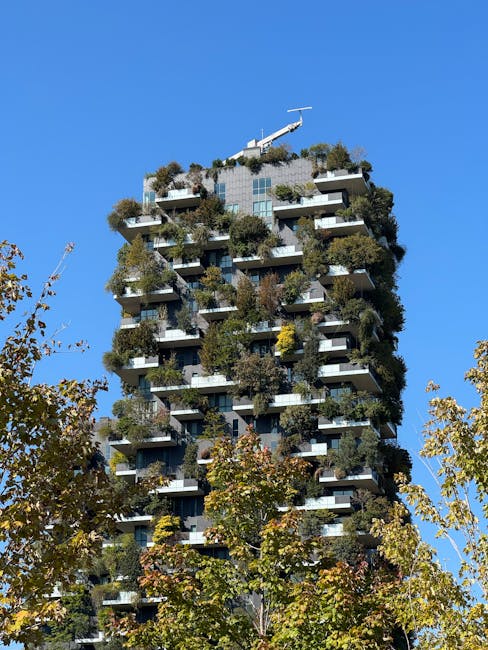
9. Bosco Verticale (Vertical Forest) and Porta Nuova District
Address: Via Federico Confalonieri, 20124 Milano MI, Italy (Bosco Verticale located in the Porta Nuova district).
Opening hours: façades and public promenades accessible 24/7; apartments are private.
Price: free to view from outside; guided architectural tours paid depending on operator ≈ €10–€20.
The Bosco Verticale is a symbol of modern Milan: two residential towers covered in trees and shrubs, integrated into the reinvented Porta Nuova neighborhood. This sustainable architecture project changes the city skyline and provides a striking contrast to historic monuments. The surrounding district features contemporary buildings, public squares, restaurants and pedestrian areas perfect for strolling.
Local tip: for the best photos, wander around Piazza Gae Aulenti and climb the pedestrian bridge for a good view of the complex. Check whether guided architectural tours are available for deeper context.
10. Navigli (Canals of Milan) and Darsena
Address: Navigli district, Darsena area, near Viale Gabriele D’Annunzio, 20136 Milano MI, Italy.
Opening hours: promenade open 24/7; cafés and bars typically open 10:00–02:00 depending on the venue.
Price: free to access; dining and drinks are paid (aperitivos ≈ €8–€20).
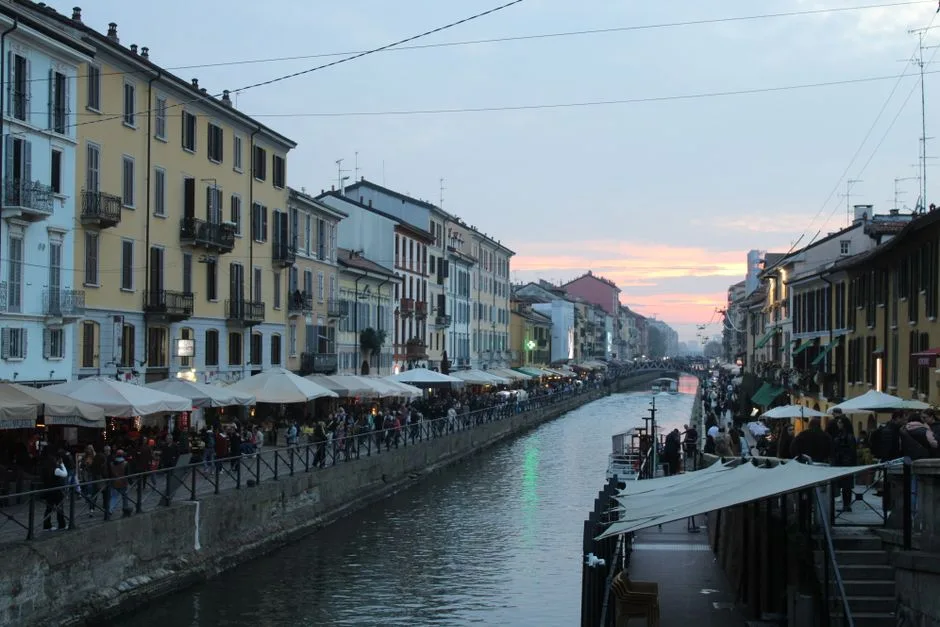
The Navigli district is one of Milan’s most picturesque areas: historic canals, bridges, lively quays and a vibrant nightlife. The Darsena, the city’s former port, is now a meeting place hosting markets, concerts and aperitivos. Street art, artisan shops and restaurants serving Lombard cuisine all mix here. In the evening the quays light up and the area becomes a delightful place for wandering and socializing.
Local tip: come for aperitivo (17:30–20:30) and try cicchetti paired with a Spritz. Explore the side streets to find artists’ workshops and independent galleries away from the busiest tourist routes.
Conclusion
Milan offers a rare mix of history, art and urban innovation: from the Gothic spires of the Duomo to the leafy projections of the Bosco Verticale, each landmark tells a different story of the city. This guide to the 10 must‑see landmarks aims to provide not only practical reference points (addresses, hours, prices) but also the keys to feeling the atmosphere of each place—whether it’s the emotion of facing The Last Supper, the silent grandeur of Castello Sforzesco, or the bustling life of the Navigli at dusk.
To plan your visit: start by booking constrained sites (The Last Supper, rooftop access to the Duomo on busy days), favor morning or late slots to avoid crowds, and group nearby sights (Duomo, Galleria, Teatro alla Scala) to optimize travel time. Don’t hesitate to alternate major monuments with neighborhood strolls (Brera, Porta Nuova, Navigli) for a balanced mix of art, architecture and local life.
Finally, leave room for the unexpected: Milan is also lived in its cafés, small trattorie and narrow lanes. Take the time for an espresso at the bar, a walk in a park, or an aperitivo by a canal—those little moments round out visits to big landmarks and create the lasting memories of a great Milan stay.