





Introduction — Milan and accessibility at historic sites
Milan is a vibrant European metropolis where history, art and design intersect around every corner. From Gothic façades and Renaissance courtyards to contemporary museums, the city boasts a rich and varied heritage. For people with reduced mobility (PRM), exploring Milan can seem daunting at first: cobbled streets, grand staircases and ancient buildings. Yet the Lombard capital has made major strides to improve accessibility at its historic sites, often combining modern solutions (lifts, ramps, dedicated entrances) with support services (wheelchair loans, reserved elevators and priority access).
This article offers a detailed selection of historic sites in Milan that are accessible to PRM. For each location you’ll find the full address, prices in euros, opening hours, an immersive description of the place and practical tips to make your visit smoother: where the accessible entrances are, how to book tickets, the best times to avoid crowds, which services are available on site (accessible toilets, lifts, hearing loops), plus transport alternatives and accessibility hacks (metro stations with elevators, accessible trams and taxis).
We designed this guide to be practical and usable: it covers iconic monuments and cultural institutions often associated with Milan, prioritizing verifiable information and useful recommendations. Whether you’re planning your first trip or returning to explore the city with specific accessibility needs, this guide will help you map out your route, avoid obstacles and fully enjoy Milan’s historic treasures. Remember to double-check practical details (hours and prices) a few days before your trip: museums and monuments sometimes update their access policies and assistance services.
Finally, we include suggested itineraries and common-sense tips for PRM and their companions: how to plan a one-day route that limits tiring transfers, which apps to download to locate accessible toilets, and how to contact sites in advance to flag special requirements. The goal is simple: to make the cultural experience in Milan as smooth and enjoyable as possible.
Duomo di Milano (Milan Cathedral) — Gothic heart and panoramic rooftop
Address: Piazza del Duomo, 20122 Milano. Price: cathedral entry sometimes free, dependent on circuits; rooftop access: €9.00 (stairs) / €13.00 (lift); combined museum + terrace ticket: about €16.00–20.00. Opening hours: cathedral 8:00–19:00 (may vary with ceremonies), terrace 9:00–19:00 (seasonal, check online).
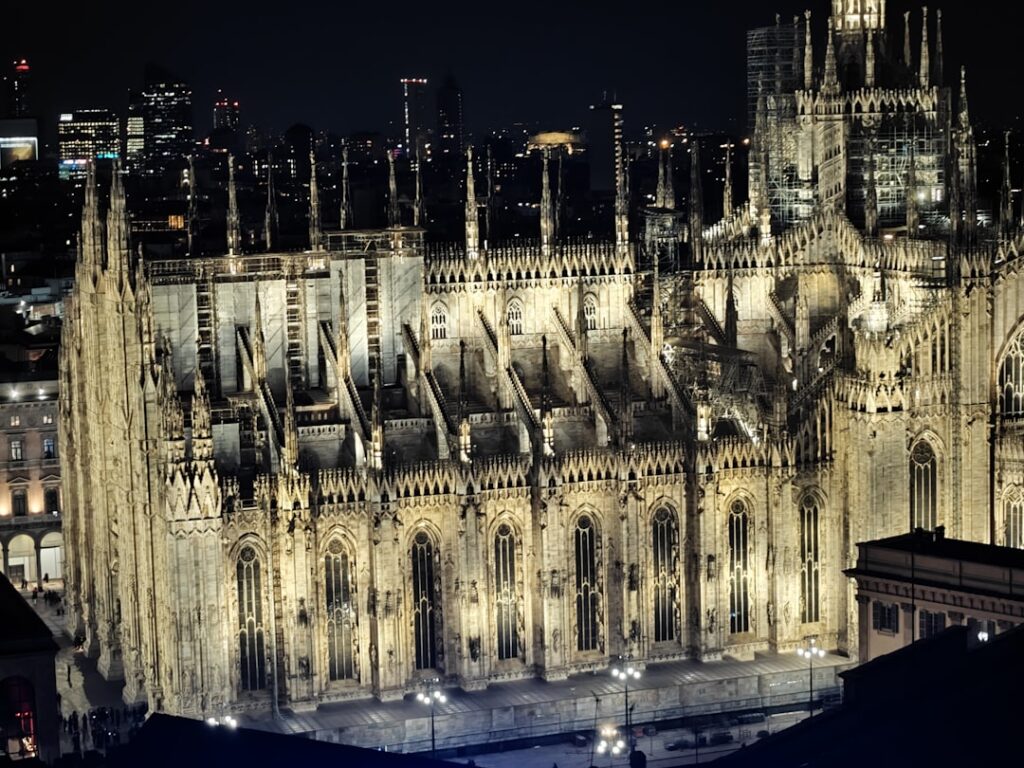
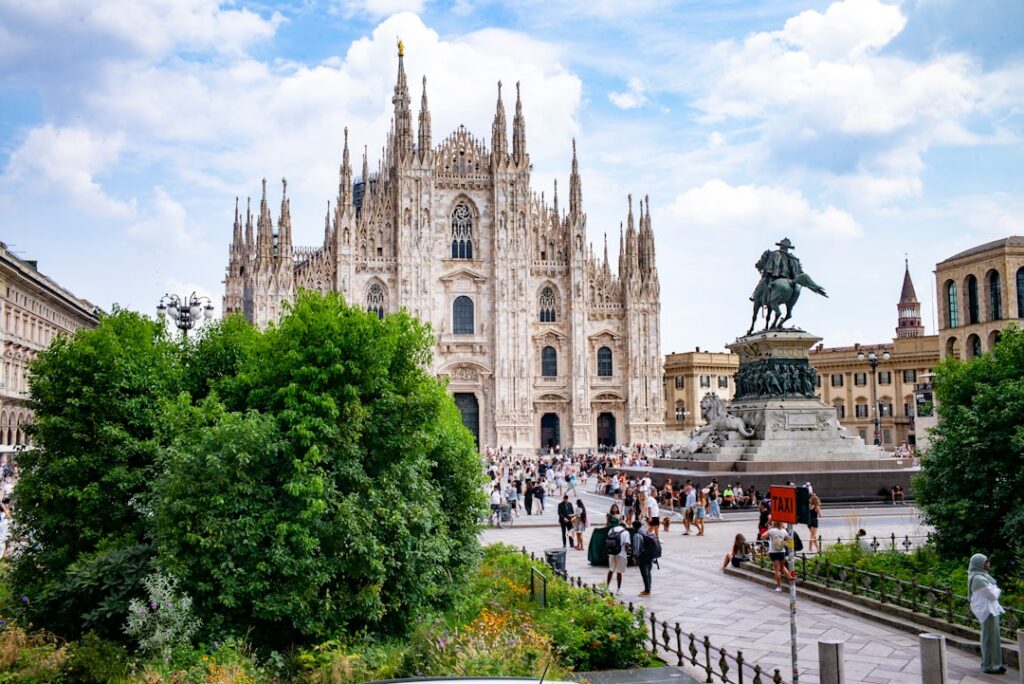
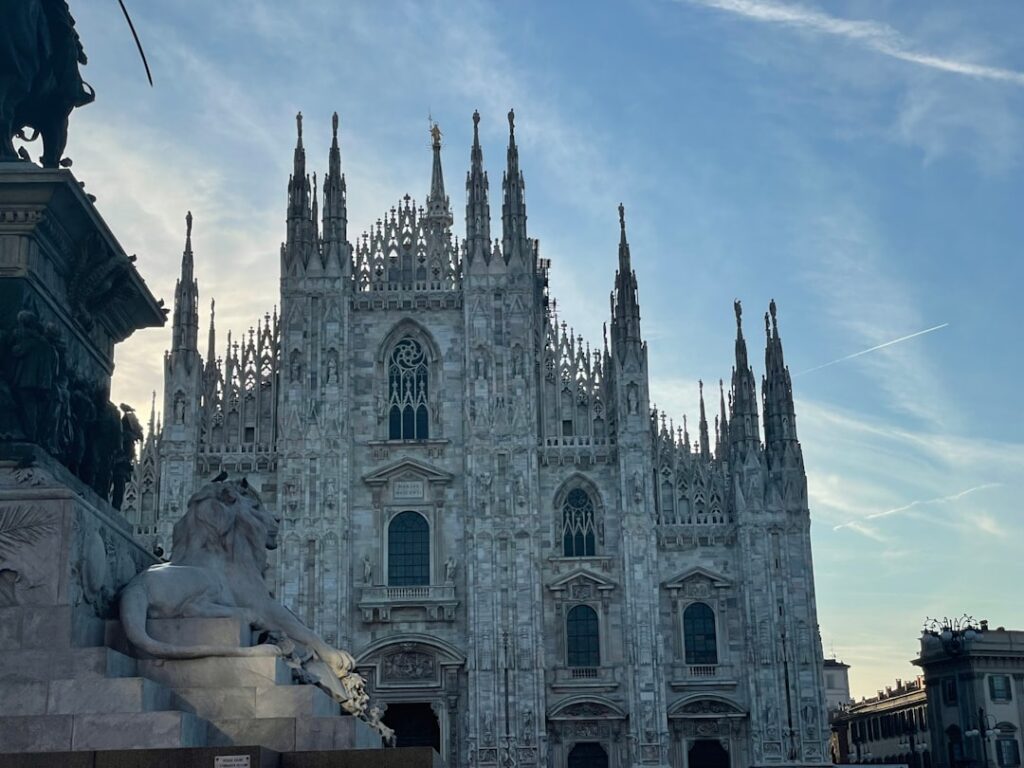
The Milan Cathedral, the Duomo, is one of Italy’s most iconic monuments. Its Gothic façade, thousands of sculptures and marble spires create a monumental spectacle. For PRM, access to the interior is available via a level entrance at the side or a mobile ramp depending on events; staff are used to assisting visitors in wheelchairs. The real reward is the rooftop: from the top you get an exceptional view over the piazza and Milan’s rooftops and, on a clear day, you can even see the Alps to the north.
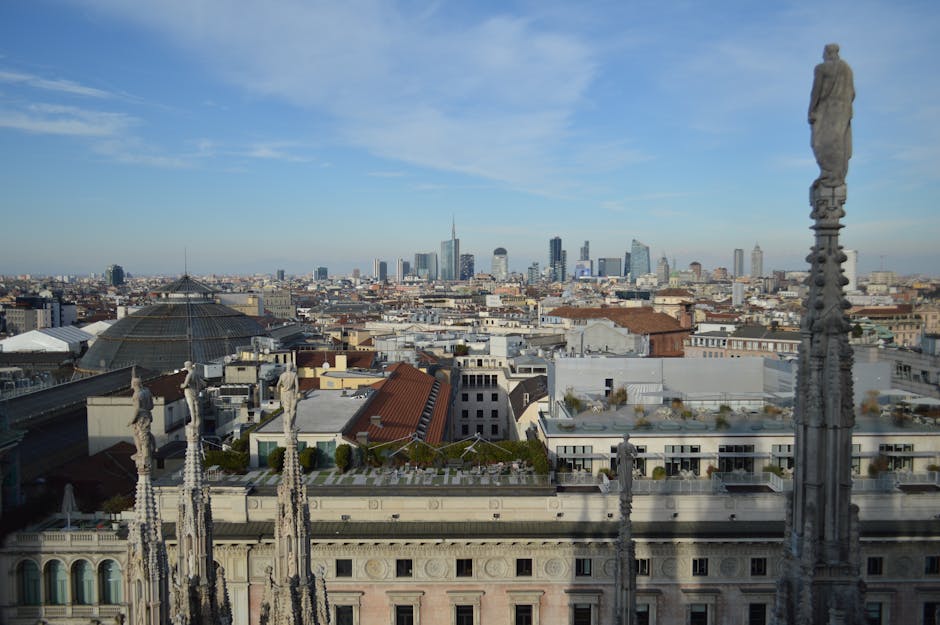
Accessibility features: the Duomo provides a lift option to reach the terrace for people with reduced mobility (lift ticket required). Accessible toilets are located within the complex (check access via the ticket office). It’s recommended to get to the Duomo via the « Duomo » metro station (lines M1 and M3), which has elevators that exit directly onto Piazza del Duomo. To avoid queues, buy tickets online and prefer weekday morning slots (9:00–11:00) or late afternoon.
Local practical tips: if you use a manual or electric wheelchair, inform the ticket office in advance to obtain priority access. Companions often benefit from reduced fares or facilitated access; always carry an ID and, if possible, a certificate indicating the need for assistance. The piazza’s surfaces are mostly flat but can be slippery when wet — wear non-slip shoes and avoid peak crowd hours (12:00–15:00).
 Click here to book your ticket for the Duomo and the accessible terrace
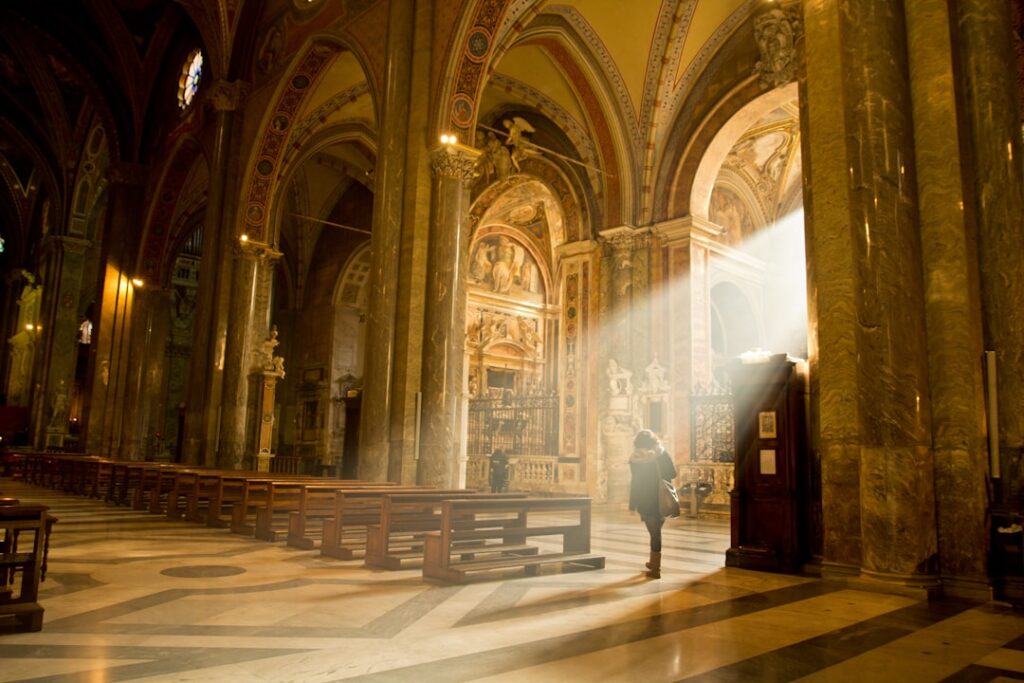
Galleria Vittorio Emanuele II — historic arcade, shops and accessible cafés
Address: Piazza del Duomo, 20123 Milano. Price: gallery entry is free; prices vary for restaurants and shops (expect cafés around €6.00–15.00). Opening hours: generally open daily 09:00–22:00 for passage; shops and restaurants have individual schedules (cafés usually 8:00–23:00).
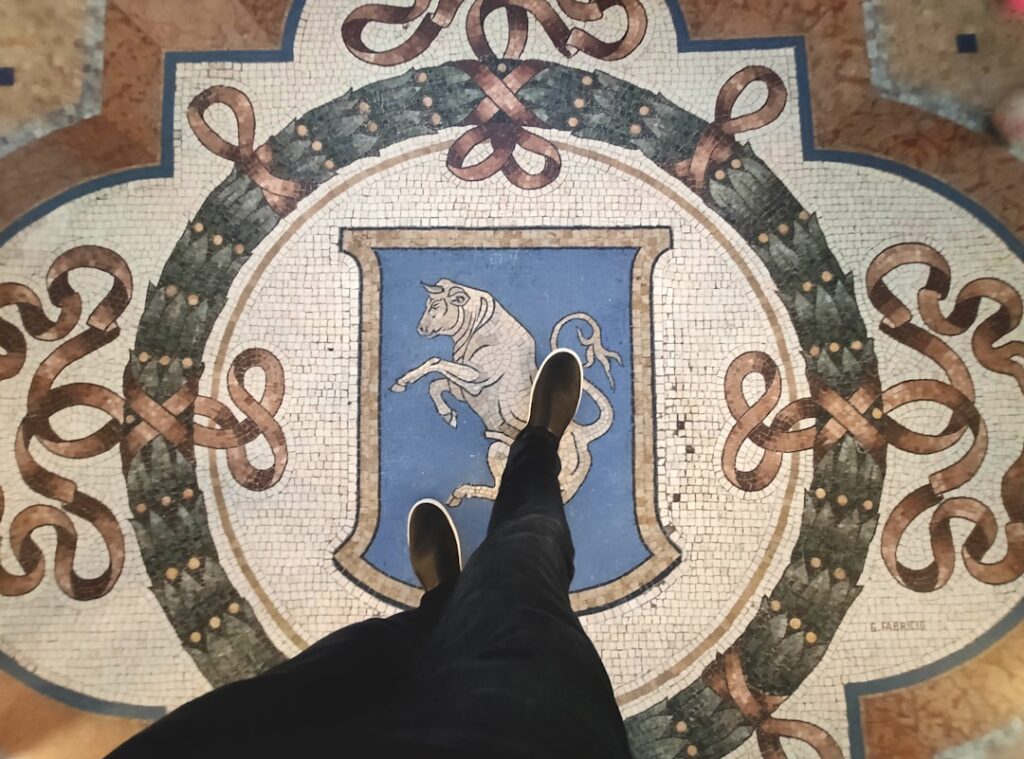
The Galleria Vittorio Emanuele II is a 19th-century shopping arcade famous for its glass dome and intricate floor mosaics. It connects Piazza del Duomo to Piazza della Scala and houses historic cafés like Camparino and luxury boutiques. For PRM, the gallery itself is a strollable, accessible space — flat floors, wide walkways and level access to most cafés and several shops. The atmosphere is very photogenic: light filtered through the glass dome, reflections on the mosaics and an international crowd.
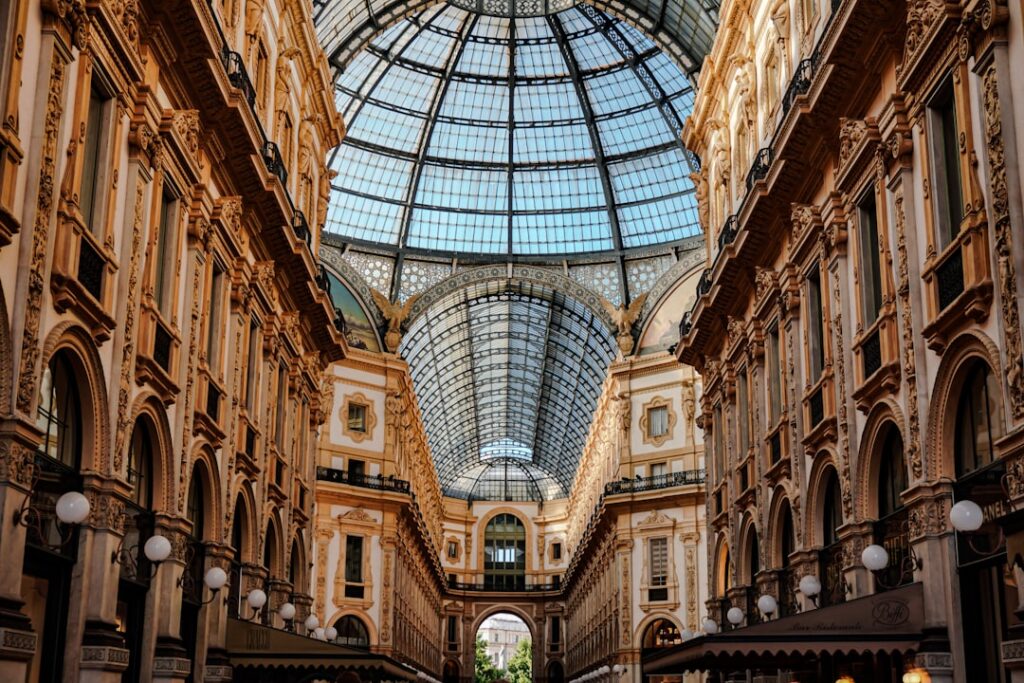
Accessibility features: the main axis of the Galleria has no steps, which makes wheelchair circulation easy. However, some historic establishments inside have steps at their entrances; ask staff for side access or the placement of a small ramp. Accessible toilets aren’t guaranteed in every shop; favor modern cafés or nearby department stores (for example « Rinascente » next door), which have adapted facilities and lifts.
Local practical tips: the Galleria is perfect for a coffee break between visits. If you plan to access the Duomo terrace afterward, look for the entrance that rises from the gallery onto the piazza; the Duomo metro station is right there. In the evening the gallery is lit up and usually less crowded than the piazza, making it a great time for photos without large crowds. If you need assistance with luxury purchases, ask staff to help transport your bags to an accessible taxi.
Click here to book your ticket for the Galleria Skywalk
Santa Maria delle Grazie and “The Last Supper” — Leonardo da Vinci’s masterpiece
Address: Piazza di Santa Maria delle Grazie, 2, 20123 Milano. Price: visit to « The Last Supper » around €15.00–20.00 (standard rate); guided tours and combined access may cost €25.00–40.00. Opening hours: main visits 8:15–19:00, closed on Mondays (hours vary by season).
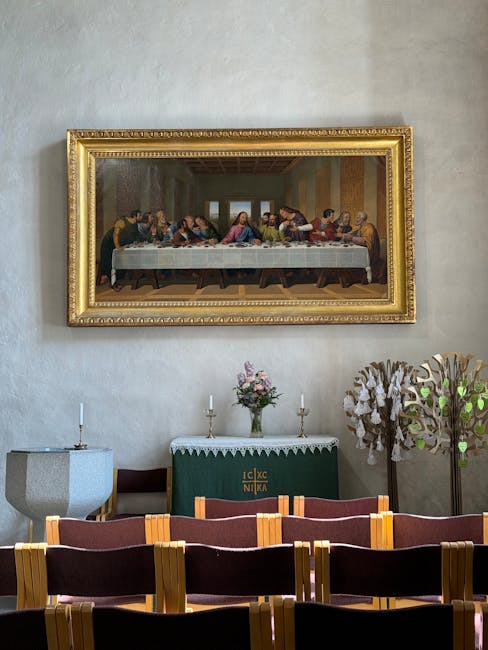
The basilica of Santa Maria delle Grazie houses one of Leonardo da Vinci’s most famous works: The Last Supper. Access to the refectory where the painting is displayed is strictly controlled: small-group visits, limited duration (about 15 minutes) and mandatory reservations several weeks in advance during high season. For PRM, the complex offers adapted access: level entry to the refectory and the possibility to reserve priority time slots. Seeing the fresco in a preserved, climate-controlled environment is a unique experience, despite the brief visit time.
Accessibility features: the official ticketing often allows selection of accessibility options (reserved seating for an accompanying person, ramp access). Visits are carefully managed to protect the work, which also makes flow control easier for PRM. Accessible toilets are located nearby; ask at reception for the shortest route. If you use an electric wheelchair, report it when booking since internal logistics may require assistance.
Local practical tips: book your tickets at least 3–4 weeks in advance (earlier in high season). Arrive 20–30 minutes before your slot to pass security checks and prepare any needed transfers. After the visit, enjoy the cloister and the basilica garden for a calmer moment — these areas are generally accessible and provide a peaceful atmosphere away from the crowds. Consider combining the visit with a direct accessible taxi from your accommodation if the metro route is complicated for you.
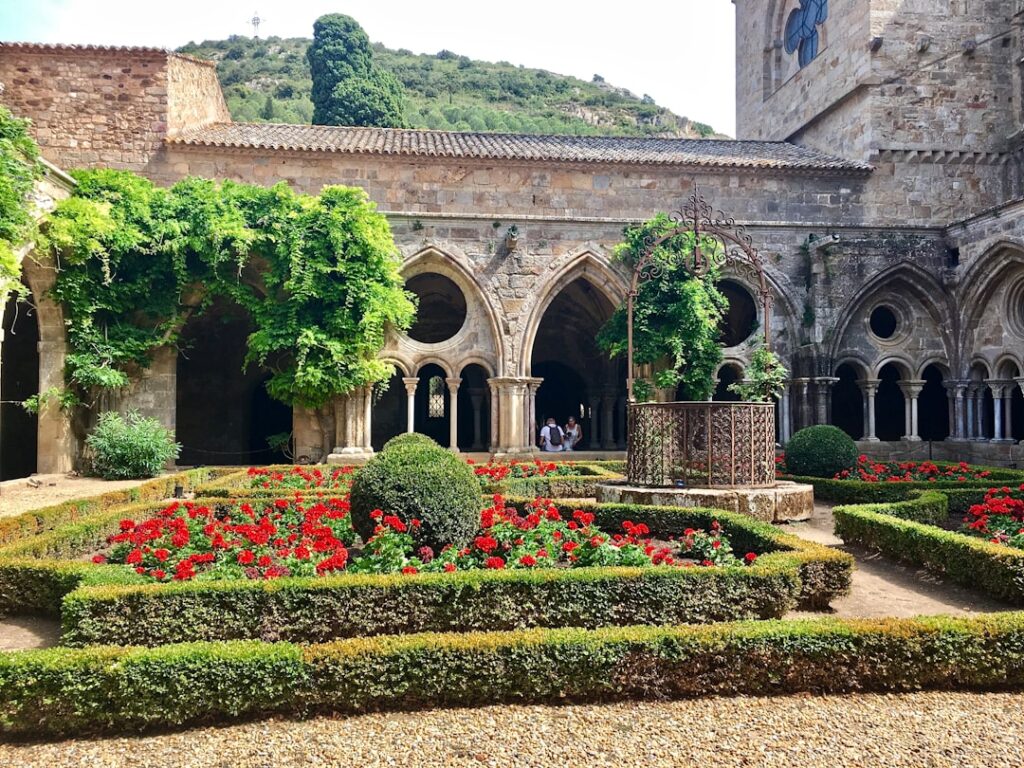
Castello Sforzesco (Sforza Castle) — fortress, museums and parkland
Address: Piazza Castello, 20121 Milano. Price: entry to municipal museums usually €3.00–6.00 (reduced rates available); the park (Parco Sempione) is free. Opening hours: museums 9:00–17:30 (varies by museum), sometimes until 19:00 for temporary exhibitions; park open 24/7.
Castello Sforzesco is a Renaissance citadel transformed into a museum complex housing several collections: the Museum of Ancient Art, the Museum of Musical Instruments, the Picture Gallery and archaeological collections. The large Parco Sempione behind the castle offers shaded walks, fountains and tranquil spaces away from the tourist bustle. For PRM, the castle has accessible entrances, lifts in several museums and adapted routes available on request. The expansive inner courtyards, often used for events and festivals, are accessible and easy to navigate by wheelchair.
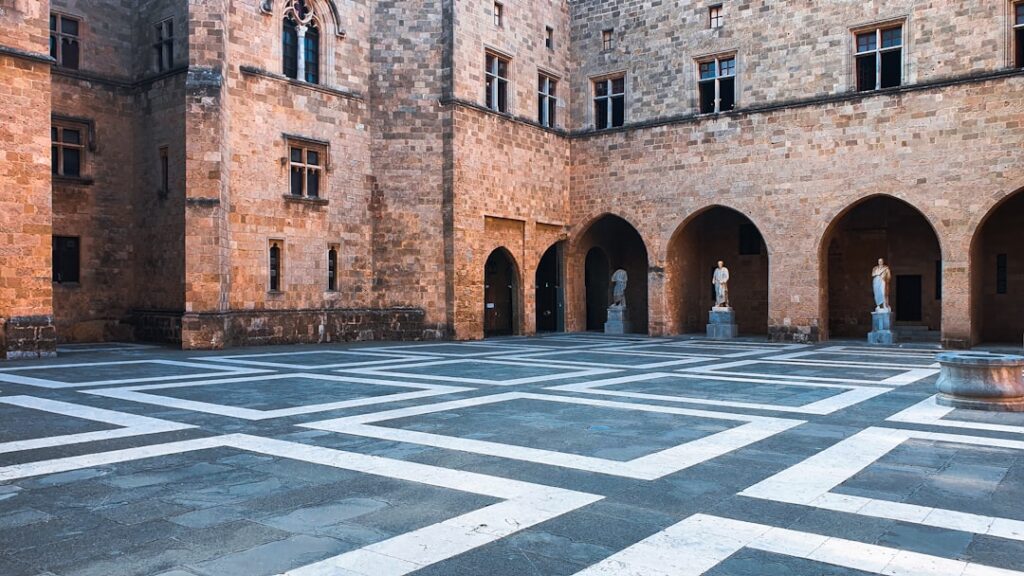
Accessibility features: the main entrance has a ramp and museum staff can provide large-print brochures and audio information. Some internal museums offer free entry for an accompanying person; check at the desk. Accessible toilets exist but are concentrated in certain spots — ask staff for the nearest one. If you want to see specific pieces like Michelangelo’s Pietà Rondanini (Museum of Ancient Art), inform the reception: access may require a detour but arrangements are in place for people with reduced mobility.
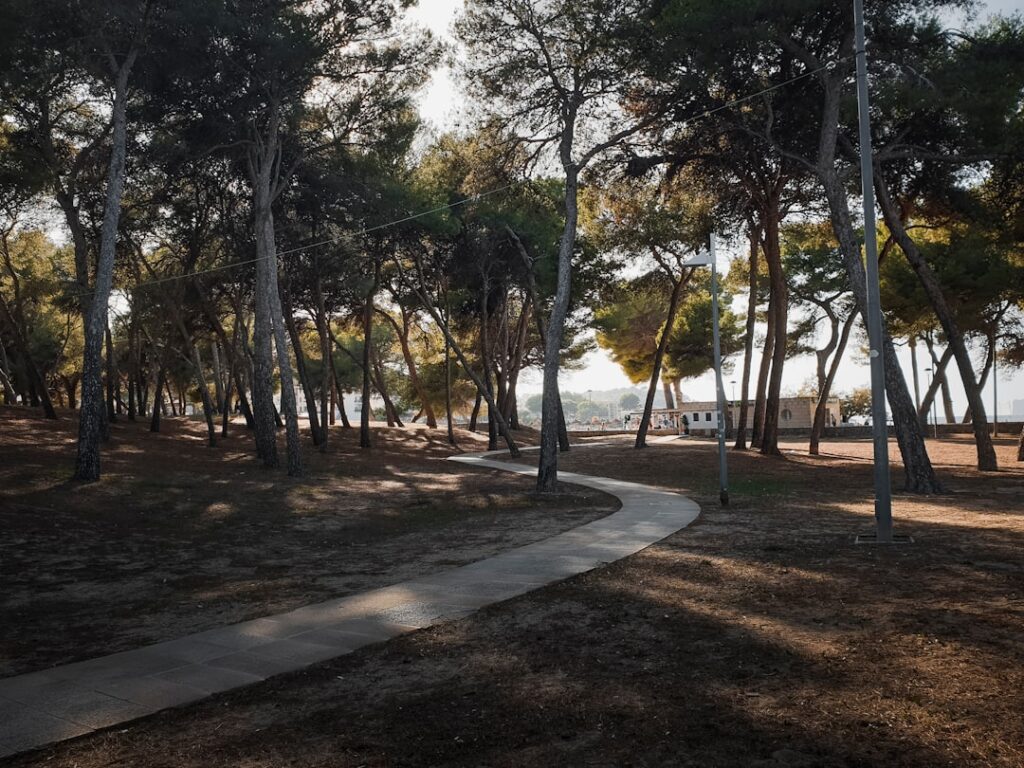
Local practical tips: for a pleasant route, start with Parco Sempione (enter from the Arco della Pace) and finish with the castle museums. The many shaded areas make it a great choice on hot days. Hop-on hop-off tourist buses serve the Castello and offer ramps or reserved spaces for PRM; check availability when buying your ticket. In the evenings the castle courtyards are sometimes lit, creating a magical atmosphere and offering an alternative to the midday heat.
Click here to book your ticket for Sforza Castle with an audio guide
Pinacoteca di Brera — the major art collection in Milan’s historic heart
Address: Via Brera, 28, 20121 Milano. Price: standard ticket around €12.00; reduced rates and free entry under certain conditions. Opening hours: 8:30–19:15 (closed Monday, check for temporary exhibitions).
The Pinacoteca di Brera is one of Milan’s most important art galleries, housing Italian Renaissance and Baroque masterpieces (including works by Raphael, Piero della Francesca and Caravaggio). The historic building contains spacious, contemplative rooms ideal for wheelchair visits. Corridors and main rooms generally have lifts and wide doors; staff are trained to assist visitors with specific needs. The gallery sits in the artistic Brera district, where you’ll find studios, art shops and cafés for a break between rooms.
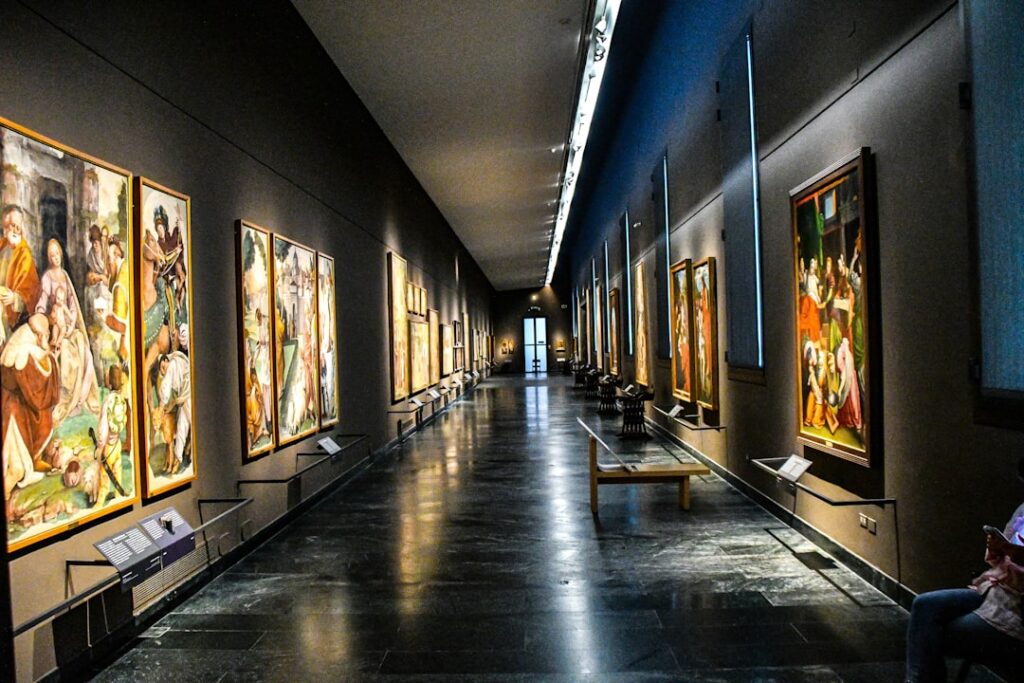
Accessibility features: the Pinacoteca offers level entries and, on request, assistance to reach more difficult rooms. Wheelchairs may be loaned (subject to availability) and comfortable chairs are placed in some rooms for resting. Audioguides with amplified volume or text options are sometimes available — request them when purchasing your ticket. Online ticketing lets you reserve priority access and note any assistance needs.
Local practical tips: to fully enjoy the major works without tiring, plan a visit of 2 to 3 hours maximum with breaks in the inner garden or the museum café. The Brera area is very pedestrian and sometimes cobbled; if arriving by taxi, ask the driver to drop you near the main entrance (Via Brera) to avoid cobbled sections. On some Thursday evenings (check schedule) the Pinacoteca offers late openings: fewer people and a different ambiance for PRM visitors.
Click here to book your ticket for the Pinacoteca di Brera
Teatro alla Scala and Museo Teatrale alla Scala — opera, stage and musical heritage
Address: Teatro alla Scala — Largo Ghiringhelli, 1, 20121 Milano; Museo Teatrale alla Scala — Via Filodrammatici, 2, 20121 Milano. Price: museum visit €9.00–11.00; guided theatre tours vary €10.00–30.00 depending on the format. Opening hours: museum 9:00–17:30 (closed some days); theatre tours scheduled around performances.
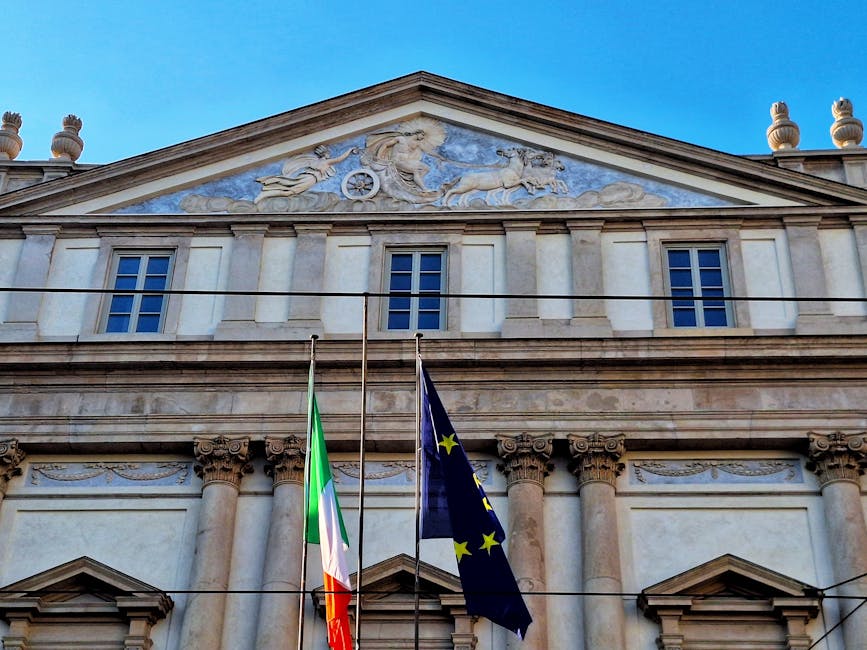
La Scala is one of the world’s most renowned opera houses. The adjacent museum traces the history of the theatre through costumes, scores and instruments. For PRM, the theatre and museum have implemented access measures: lifts to reach certain levels, reserved wheelchair spaces (by reservation), audio description systems for visually impaired visitors and hearing loops for the hard of hearing depending on the production. The foyer and museum areas are largely accessible and guided tours often include sections adapted for reduced mobility.
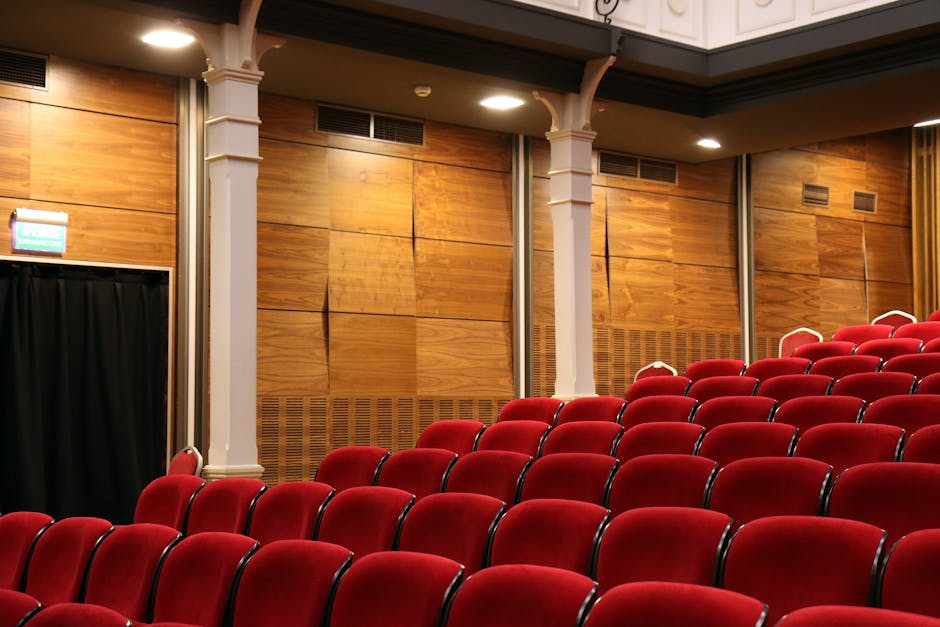
Accessibility features: to attend a performance, contact the box office in advance to reserve a suitable space (wheelchair area, companion, assistance with seating). The Museo Teatrale alla Scala offers accessible routes, with lifts and adapted toilets — ideal for a daytime visit outside performance hours. If you plan to see a show, arrive at least 45 minutes early: this gives staff time to escort you to your seat and set up any needed assistance equipment.
Local practical tips: combine a morning visit to the museum with lunch around Via Manzoni, then return to La Scala for an evening performance if your schedule allows. Taxis near La Scala know the best drop-off points for PRM; ask the driver to wait until you’re settled. Also check for language services or adapted audioguides: the museum sometimes offers large-print materials or adjustable-volume audio guides.
Click here to book your ticket for the La Scala theatre museum
Practical mobility tips and general recommendations in Milan for PRM
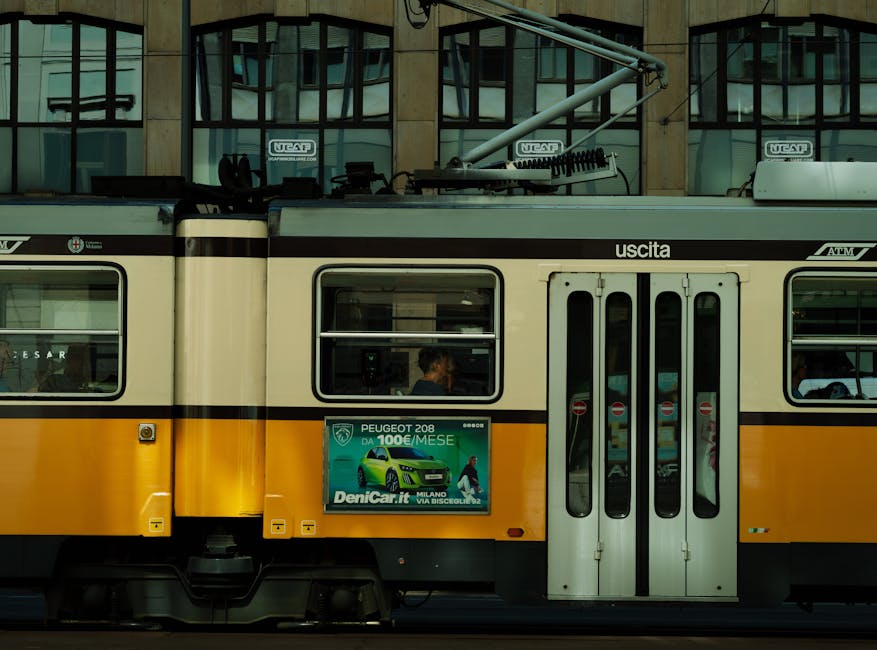
Milan has a public transport network that is steadily improving its accessibility. Metro lines M1, M2 and M3 include stations equipped with elevators; the « Duomo » station is among the best served with lifts and provides direct access to several monuments. Trams and buses also feature deployable ramps on request, but it’s best to notify the driver in advance. Accessible taxis (electric VHF vehicles or ones with ramps) can be booked via local apps or by phone — availability varies by time of day.
Useful apps and numbers: download « ATM Milano » (official app) to check station accessibility and schedules in real time; use « TaxiMilano » or « AppTaxi » to book adapted vehicles. In a medical emergency call 118; for tourist information, the desk at Piazza del Duomo provides brochures and can point you to assistance services. For wheelchair or medical equipment rental, several local companies deliver to hotels — ask your concierge or contact local associations for trusted recommendations.
Some practical tips: 1) Plan visits outside rush hours (8:00–9:30 and 17:00–19:00) to avoid crowded metros and monuments. 2) Wear comfortable, non-slip shoes even if you use a wheelchair, due to changing ground surfaces (cobbles, marble, asphalt). 3) Identify accessible toilets in advance through apps or municipal signage. 4) Carry a paper copy of reservations and emergency numbers — mobile coverage can be spotty in certain historic areas.
Conclusion — planning an inclusive historic exploration in Milan
Visiting Milan as a person with reduced mobility requires a bit of planning, but the city offers exceptional heritage and many practical solutions to make each visit memorable. From the Duomo to the quiet galleries of the Pinacoteca di Brera, the refined atmosphere of the Galleria Vittorio Emanuele II and the emotion of Leonardo’s Last Supper, Milan has balanced preservation of the past with improved access. All the sites featured in this article include accessibility elements: level entrances, lifts, adapted toilets and staff trained to assist PRM — though exact conditions may vary with exhibitions and temporary events.
For a truly successful experience the key is preparation: book tickets in advance, inform box offices of your needs, use local apps to check station accessibility and locate useful services (accessible toilets, information points, adapted taxis). Also plan your route to minimize long transfers between sites, favor morning or late-afternoon visits to avoid crowds, and always ask staff on site for help — museum and monument teams are generally responsive and experienced in assisting visitors with disabilities.
And don’t forget the small joys of travel: a coffee break in the Galleria, a peaceful stroll through Parco Sempione, or discovering an art studio in the Brera district. Milan lends itself to these accessible experiences when you combine curiosity with preparation. If you need a personalized itinerary (a two-day route, a list of accessible hotels near the sites, or booking an adapted taxi), I can help build one based on your interests and needs. Enjoy your trip and fully savor Milan’s historic richness with confidence.