





Introduction: why Milan’s trams deserve your attention
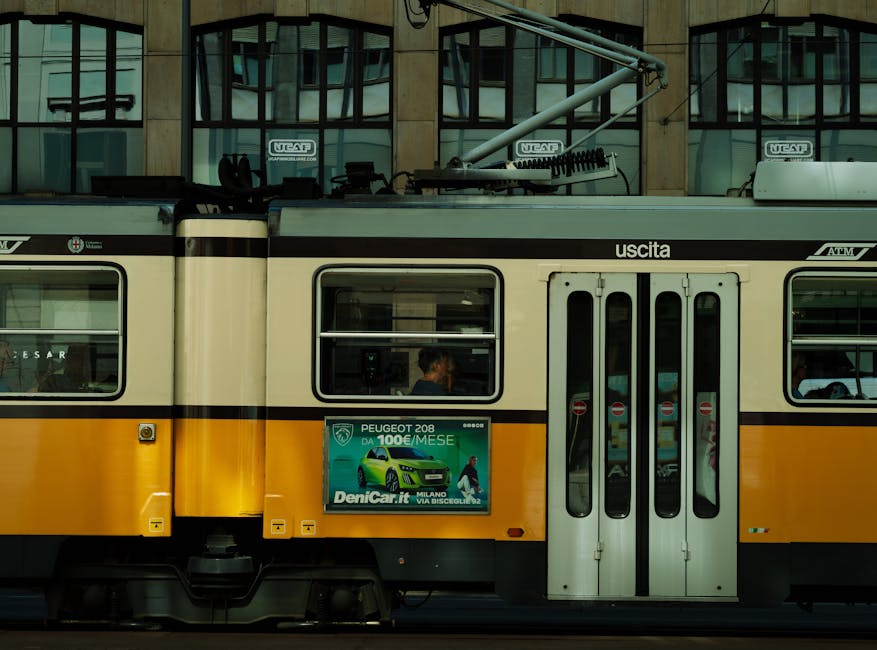
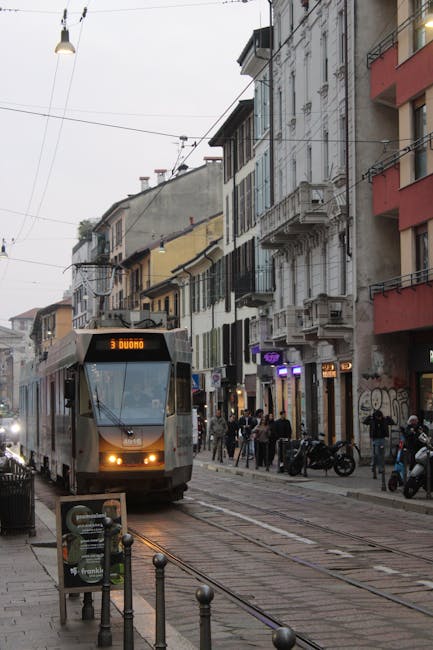
Milan isn’t just the capital of fashion and finance — it’s a city shaped by its trams. These historic lines, some over a century old, weave a luminous web through residential neighborhoods, shopping boulevards and everyday districts. Riding a tram in Milan is more than simple transport: it’s an immersive trip that mixes industrial heritage, urban views and the daily rhythms of the Milanesi. In this guide, I highlight 10 tram lines every visitor — and any curious local — should know about.
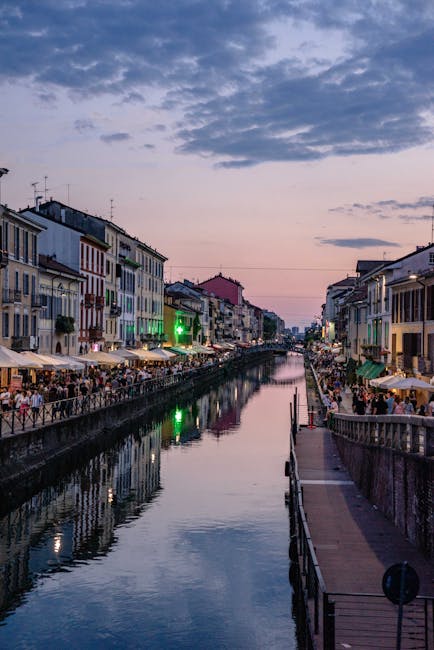
Milan’s trams deliver a unique sensory experience: the clack of the rails, the unhurried pace that lets you watch neighborhood life, and the contrast between vintage cars (the historic two-axle trams) and modern rolling stock. The routes pass iconic spots like the Duomo, Castello Sforzesco, the Darsena in the Navigli, the Central Station and the Monumental Cemetery. They’re also a great way to reach specific addresses — museums, markets and restaurants — without hopping on the metro or grabbing a taxi.
This guide is a practical, detailed tool: for each selected line you’ll find key stops or must-see places served (with full addresses), typical operating hours, usual ticket prices in euros and local tips — how to board, when to avoid rush hour, and which sections are the most photogenic. Fare and schedule information is based on ATM Milano’s services; things can change, so we always recommend checking the official ATM Milano site (www.atm.it) for updates before you travel.
Finally, for photographers and visual explorers, I’ve peppered the text with suggestions for evocative images (shown by image markers 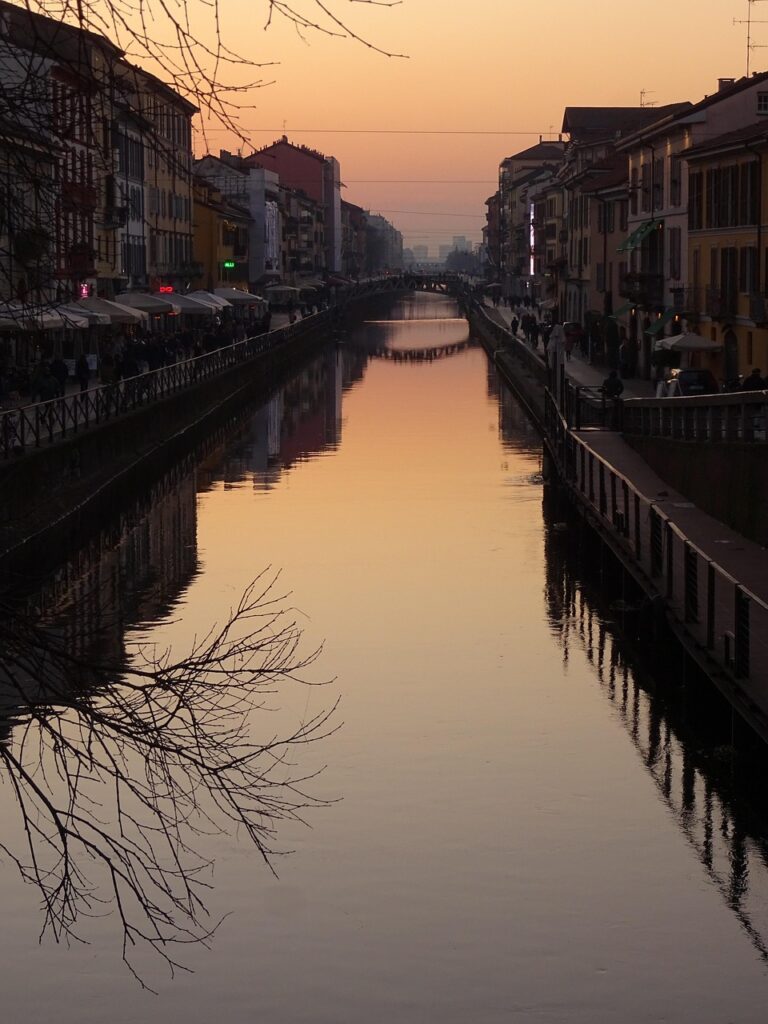 ). These markers help you spot the best moments on a route to take photos — sunset over Piazza del Duomo, lamp posts reflecting in the Navigli water, or Art Nouveau facades along certain boulevards.
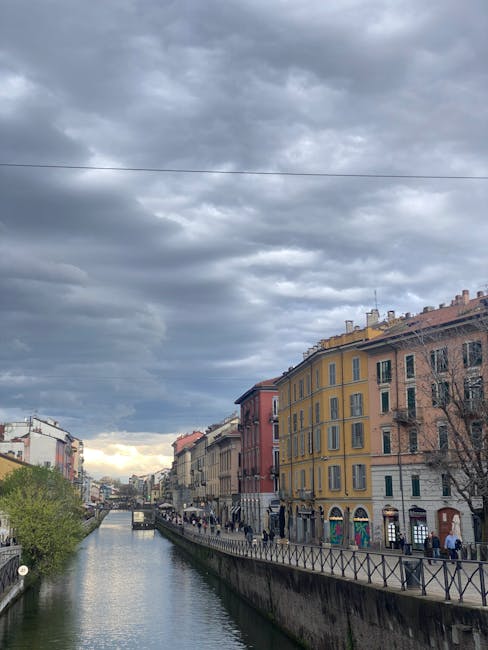
1. Line 1 — The historic soul: Duomo to Greco
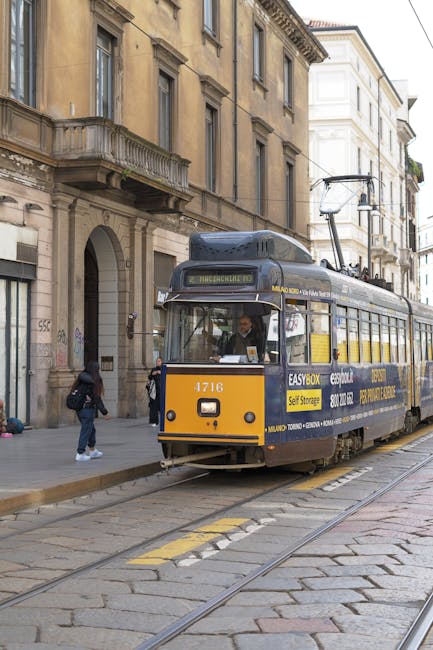
Why you should know it: Line 1 is one of the most photogenic and central routes: it connects major tourist hubs and runs along older boulevards where the architecture reveals itself at every stop. It’s a perfect first ride to get your bearings in Milan.
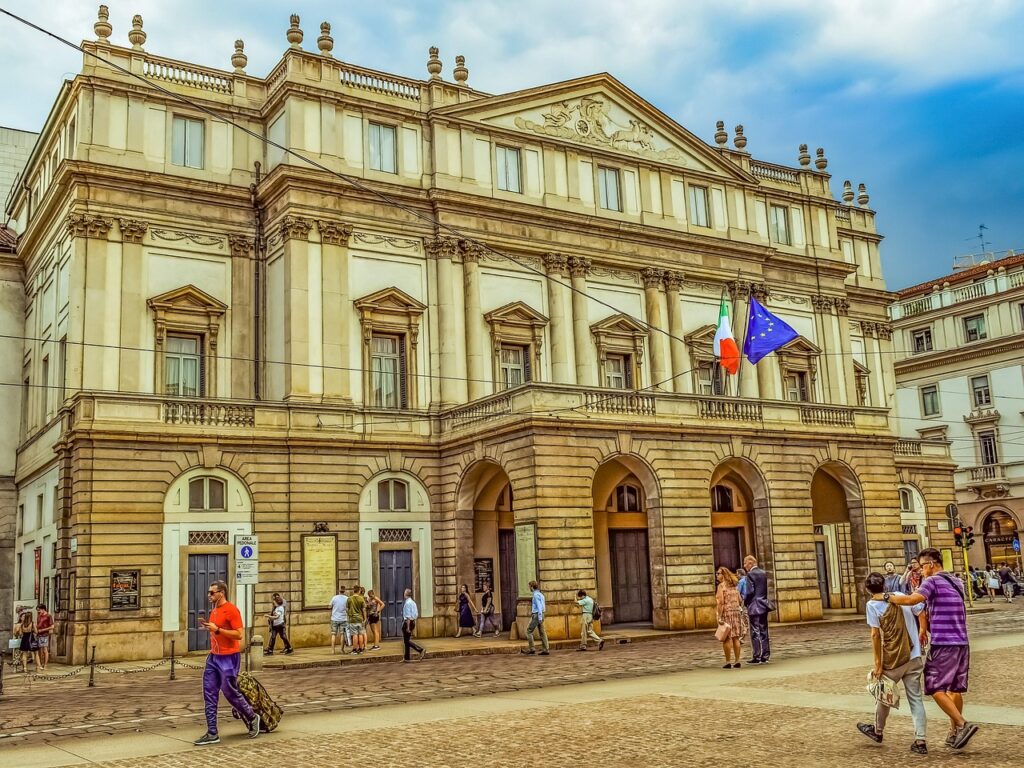
Route and key stops: Line 1 links Piazza del Duomo (Piazza del Duomo, 20122 Milano MI) with Greco/Precotto in the northeast, passing by the Galleria Vittorio Emanuele II (Piazza del Duomo), Teatro alla Scala (Via Filodrammatici, 2, 20121 Milano MI) and major shopping avenues.
Hours and frequency: typical service hours roughly 05:30–00:30 on weekdays; frequency about every 7–12 minutes during the day depending on time. First and last departures vary by terminus. For night services, check ATM’s timetable.
Fares and tickets: the standard ATM BIT ticket (90 minutes) ≈ €2.20. Day passes (24h) ≈ €7.00; 48h and 72h passes available (rates vary). You cannot buy tickets onboard — purchase in stations, at tobacco shops (Tabaccheria) or via the ATM Milano app.
Local tip: sit on the right-hand side of the tram for the best view of the cathedral as you approach Piazza del Duomo. Watch out for rush hours (07:30–09:30 and 17:00–19:00) when trams can be packed. Late afternoon rides are particularly lovely for photos.
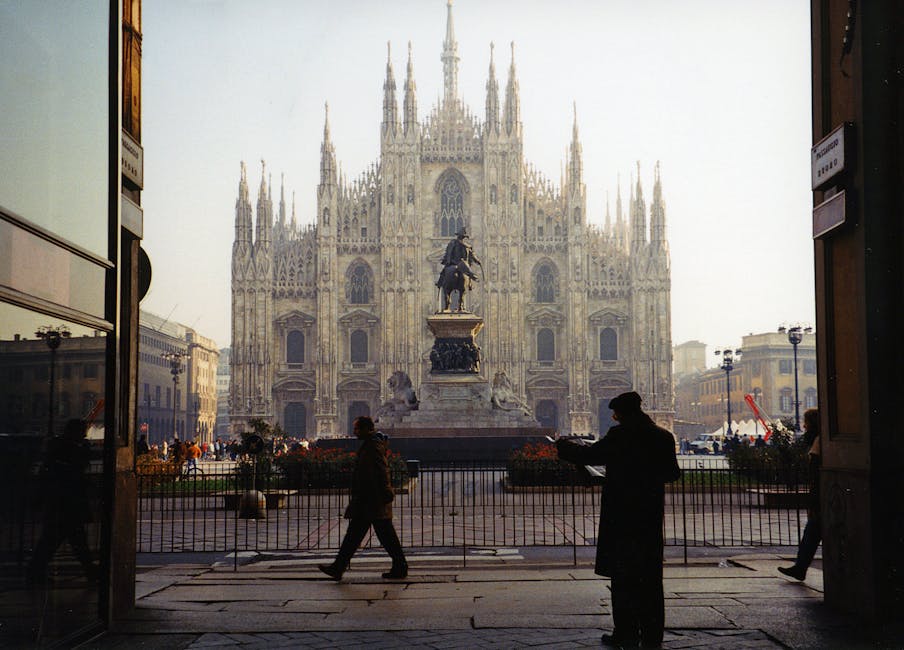
2. Line 2 — Art and finance: Centrale Station to Porta Genova
Why you should know it: Line 2 connects the busy Milano Centrale station with creative southwestern neighborhoods, cutting through areas where old meets new. It’s handy for subway connections and for reaching hotels near the station.
Route and key stops: frequent start/finish at Milano Centrale (Piazza Duca d’Aosta, 1, 20124 Milano MI). This stretch links the main rail hub to the Navigli area and Porta Genova (Piazza XXV Aprile, 20154 Milano MI). Notable stops include Piazza della Repubblica (20124 Milano MI), Corso Buenos Aires (shopping) and Darsena (Ripa di Porta Ticinese 55, 20143 Milano MI).
Hours and frequency: roughly 05:00–00:30, with trams every 8–15 minutes depending on the slot. Expect more frequent service during events at Fiera Milano City.
Fares and tickets: same ATM fares (BIT €2.20). If you arrive at Centrale, buy a ticket before leaving the train to avoid fines; ticket checks are common.
Local tip: get off at Porta Genova to reach the Darsena’s bars and restaurants — a great area for aperitivo. Keep an eye on your luggage if you’re traveling between the station and the busy evening neighborhoods.
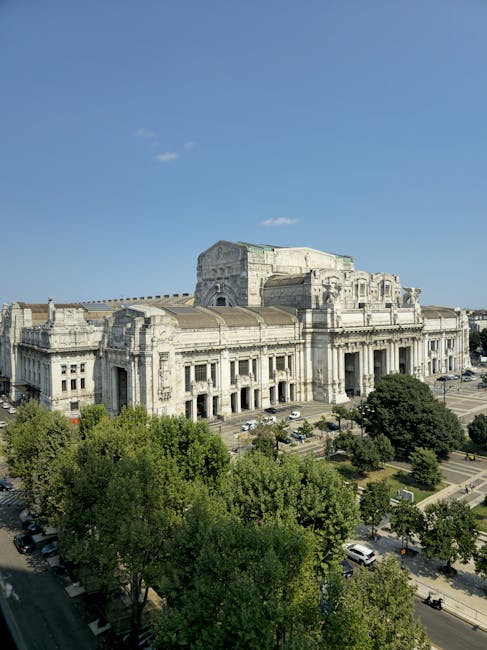
3. Line 3 — From Castello Sforzesco to residential quarters
Why you should know it: Line 3 is perfect for pairing a cultural visit (Castello Sforzesco, Pinacoteca) with a detour through quieter residential streets that feel truly local.
Route and key stops: this line serves the Castello Sforzesco area (Piazza Castello, 20121 Milano MI) and heads into northern residential neighborhoods. Hop off at Largo Cairoli (20121 Milano MI) to reach the castle courtyard or walk to the Pinacoteca di Brera (Via Brera, 28, 20121 Milano MI) in a few minutes.
Hours and frequency: typical service 06:00–23:30, with trams every 10–15 minutes. Expect slightly longer intervals on Saturdays and Sundays.
Fares and tickets: same options; when visiting museums, coordinate tram trips with museum entry times to optimize your day. Museums charge separate admission (for example, Pinacoteca di Brera varies by exhibition, often €10–€15).
Local tip: the stretch around the Castello is magical early in the morning when the light highlights gilded details. Avoid boarding crowded historic trams during major temporary exhibitions.
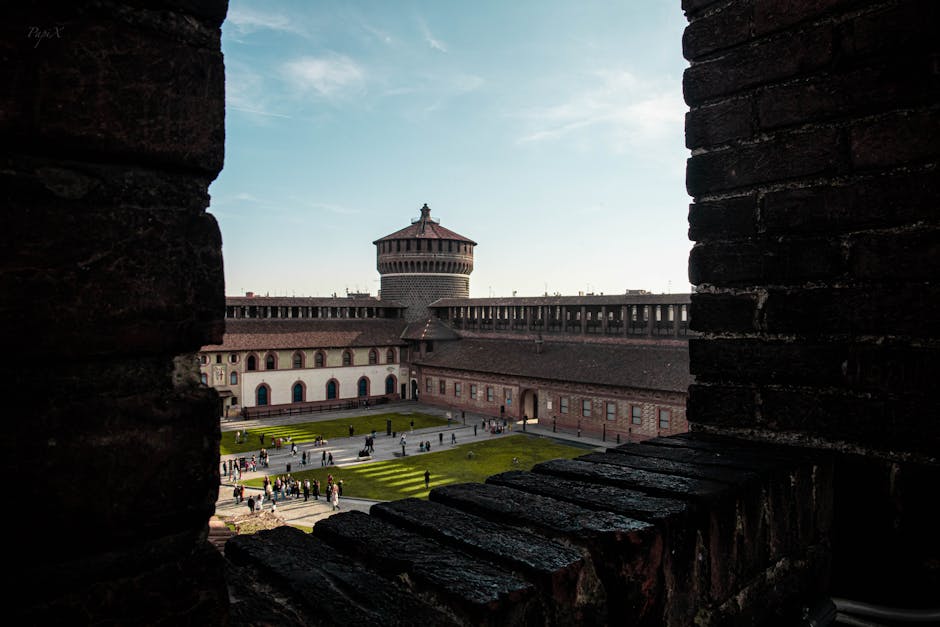
4. Line 4 — Practical route to the Monumental Cemetery
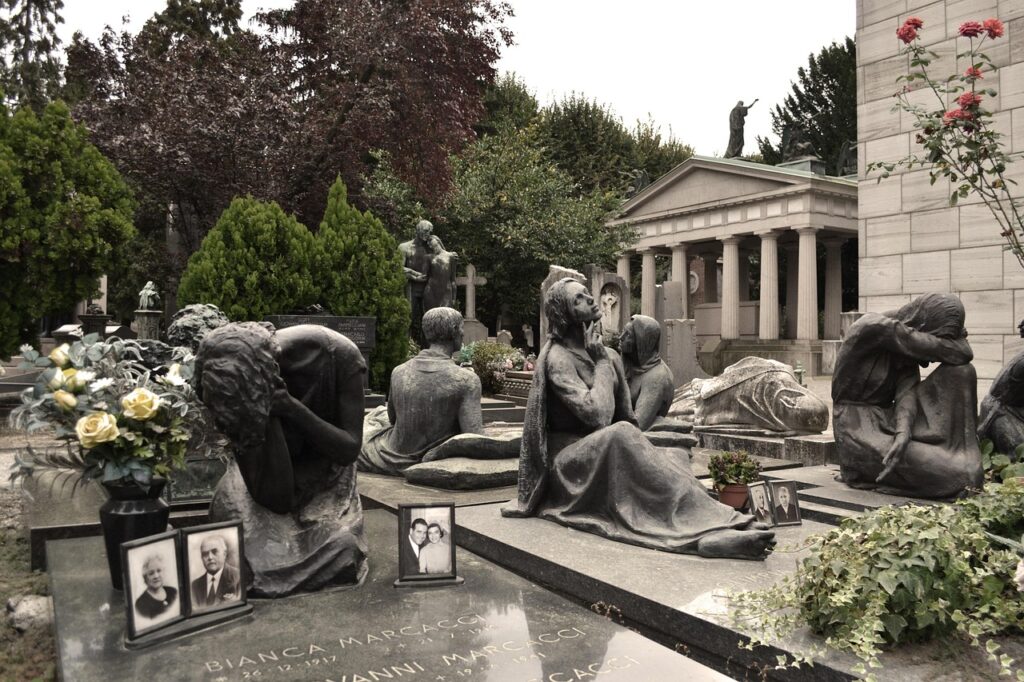
Why you should know it: this line is very useful if you’re into funerary architecture and Milanese Art Nouveau — it serves the Monumental Cemetery, one of Italy’s richest collections of sculptural tombs.
Route and key stops: main stop — Cimitero Monumentale (Piazzale Cimitero Monumentale, 20156 Milano MI). The line also connects shopping streets where you’ll find Liberty-style architecture and many antique shops.
Hours and frequency: generally operating 06:00–22:30; frequency 10–20 minutes depending on the segment. For cemetery visits, favor morning hours (09:00–11:00) for calm and better light.
Fares and tickets: same ATM fare structure. Entry to the Monumental Cemetery is free; guided tours are often available for a fee (around €8–€15 depending on the organizer).
Local tip: the area around Monumentale pairs well with a stroll through Paolo Sarpi (Milan’s Chinatown), just a few minutes on foot. Cafés nearby serve espresso from about €1.20–€2.50.
5. Line 9 — Urban panorama: Porta Genova to Lodi
Why you should know it: Line 9 crosses a wide variety of urban vibes — from the hip Navigli neighborhoods to regenerated industrial zones and more working-class streets toward Lodi. It’s ideal for exploring Milan off the beaten path.
Route and key stops: frequent service to Porta Genova (Piazza XXV Aprile) and the Darsena, then continuing to less central areas with workshops, cultural scrappy spaces and local markets (neighborhood market, small trattorias).
Hours and frequency: typically in service 05:30–00:00, with trams every 8–15 minutes. In the evening, this line is one of the most affordable ways to get home after dinner in the Navigli.
Fares and tickets: same ticketing system; for multiple trips in a day, a 24-hour pass (~€7.00) can be economical.
Local tip: ride a loop of around ten kilometers to scout restaurants before hopping off. Trams often pass by terraces and micro-businesses that feel quintessentially Milanese.
6. Line 12 — The charm of old lines and artisan shops
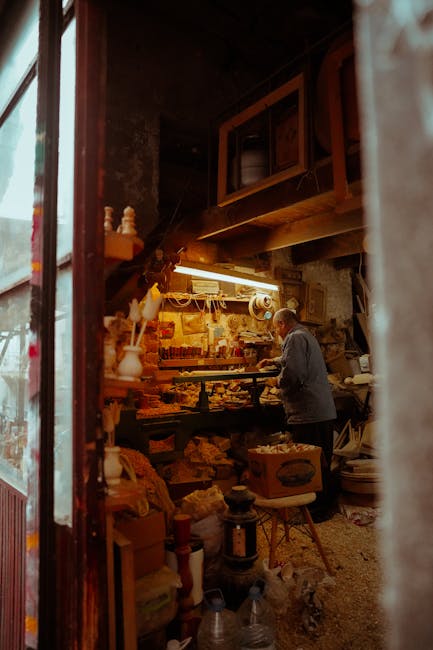
Why you should know it: Line 12 is a gem for slow wanderers: it serves streets lined with small artisan shops, design studios and independent cafés, showcasing a craft-focused, less touristy side of Milan.
Route and key stops: stops are close to commercially vibrant areas and galleries; near Corso Magenta and some parts of the old center. Watch the stop names to get off near shopping streets and workshops.
Hours and frequency: regular service 05:30–23:00, with frequencies varying between 10–20 minutes. Local market days bring higher passenger numbers.
Fares and tickets: BIT €2.20; for many trips consider an ATM rechargeable card (ricaricabile).
Local tip: stroll the small side streets after your ride — artisans often sell unique items (ceramics, jewelry), and most shops accept cards or cash.
7. Line 14 — Cultural crossing: theaters and galleries
Why you should know it: Line 14 connects multiple cultural hubs, theaters and private galleries; it’s ideal for an evening at the theater followed by dinner in a neighborhood restaurant.
Route and key stops: serves areas near Teatro alla Scala (Via Filodrammatici, 2, 20121 Milano MI) and pockets of contemporary art spaces. Great for a theater-aperitif circuit nearby.
Hours and frequency: typical hours 06:00–00:30; frequency varies, but there are still regular runs after performances in the evening.
Fares and tickets: BIT €2.20; theater and opera tickets are sold separately (La Scala, for example, Via Filodrammatici 2 — prices vary by performance, from €10 up to several hundred euros).
Local tip: if you’re attending a show, rely on the tram for your return — just check the final rotations if you leave very late. Buy a 90-minute ticket in advance if you plan to return quickly.
8. Line 15 — A handy link to residential areas and markets
Why you should know it: Line 15 is one of the most useful for exploring local markets, bakeries and small trattorias where Milanese cuisine shines away from tourist routes.
Route and key stops: serves several markets and neighborhood stops with fresh produce. Perfect for anyone wanting a snapshot of daily Milanese life. Look for stops near local markets (mercati rionali) shown on local maps.
Hours and frequency: morning-friendly service for market-goers, 06:00–22:00; frequency 10–20 minutes. On market mornings you’ll see a rise in passengers.
Fares and tickets: BIT €2.20; some market vendors accept cards while others prefer cash. Bring small change for stall purchases.
Local tip: arrive early to enjoy fresh bread, cheese and cured meats, then stop for an espresso at a small caffetteria (espresso €1.10–€1.80).

9. Line 16 — Artistic panorama and access to classic restaurants
Why you should know it: this line is perfect for ending a day of art exploration with a classic Milanese dinner. It serves neighborhoods with many osterie and trattorie where you can find risotto alla milanese and ossobuco.
Route and key stops: stops are near foodie districts and small contemporary art galleries; easily accessible from central points. Look for stops tucked into narrow streets full of family-run restaurants.
Hours and frequency: the line runs regularly during the day, often 06:00–23:30, with 10–20 minute intervals. Weekend evenings see a surge in demand around restaurant areas.
Fares and tickets: BIT €2.20; to avoid stress at dinner, buy a return ticket or a 24-hour pass if you plan several trips.
Local tip: reserve a table at popular restaurants (phone recommended) and use the tram to skip hunting for parking. Main courses in local osterie often start around €12–€18.
10. Line 24 — A scenic traverse through diverse neighborhoods
Why you should know it: Line 24 offers a varied ride through residential areas, shops and cultural sites. It’s a very practical line to get around without the stress of the metro.
Route and key stops: ideal for linking often-overlooked secondary hubs. It reaches neighborhood squares, parks and a few niche museums. Look for stops marked for urban parks and small piazzette.
Hours and frequency: standard service 05:30–23:00; frequency 10–20 minutes. Handy at the weekend for getting back from dinner or a concert.
Fares and tickets: BIT €2.20; if you’re staying multiple days, compare single tickets against 48/72-hour passes to save money.
Local tip: photographers will find surprising compositions along Line 24 — lesser-known facades that photograph beautifully. Bring a pocket street guide to spot historical points of interest along the route.
Conclusion: master the network to experience Milan like a local
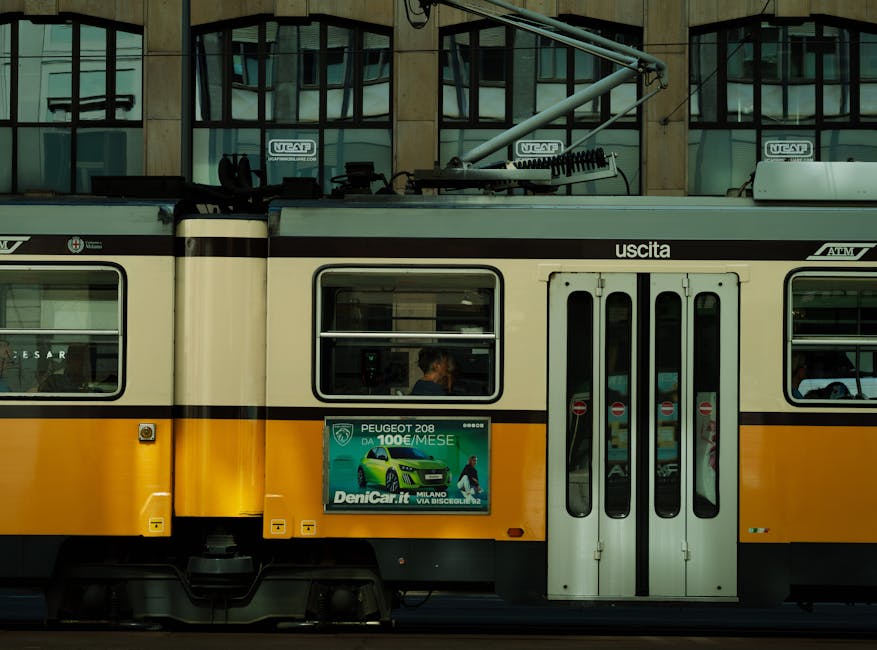
Milan’s trams are more than a transport network: they’re a discovery tool. Knowing these ten key lines — the ones in this guide — helps you move efficiently, save time and enjoy authentic experiences. These routes link major tourist sites (Piazza del Duomo, Castello Sforzesco, Darsena), cultural hubs (Teatro alla Scala, Pinacoteca), local markets and atmospheric residential neighborhoods.
A few practical reminders: buy your ticket before boarding (BIT ≈ €2.20 valid for 90 minutes; day pass ≈ €7.00 — check www.atm.it for current fares), validate your ticket on board or at the machines, and avoid boarding with large luggage during rush hours (07:30–09:30, 17:00–19:00). Controls are frequent and fines for riding without a ticket are steep. For safety, keep your belongings close in busy areas (Central Station, Navigli). And remember: the best way to discover Milan is to combine trams, walking and sometimes cycling — distances are short and often reward you with unexpected finds.
Route planning tip: start your day on a line serving the center (for example Line 1 or 2), then switch to a line heading toward surrounding neighborhoods for lunch, and later take a tram that crosses the cultural districts for the late afternoon. For photos, favor the golden light of morning and evening; stretches by the Castello, the Darsena and Liberty facades produce especially striking results.
Milan reveals itself to those who take the time to look: let the trams lead you, hop off at a promising alley, and sit at an osteria terrace to savor a risotto alla milanese. For every trip, keep the ATM Milano app handy or check the timetables posted at stops for real-time updates. Buon viaggio — and enjoy every click of the wheels on Milan’s rails.