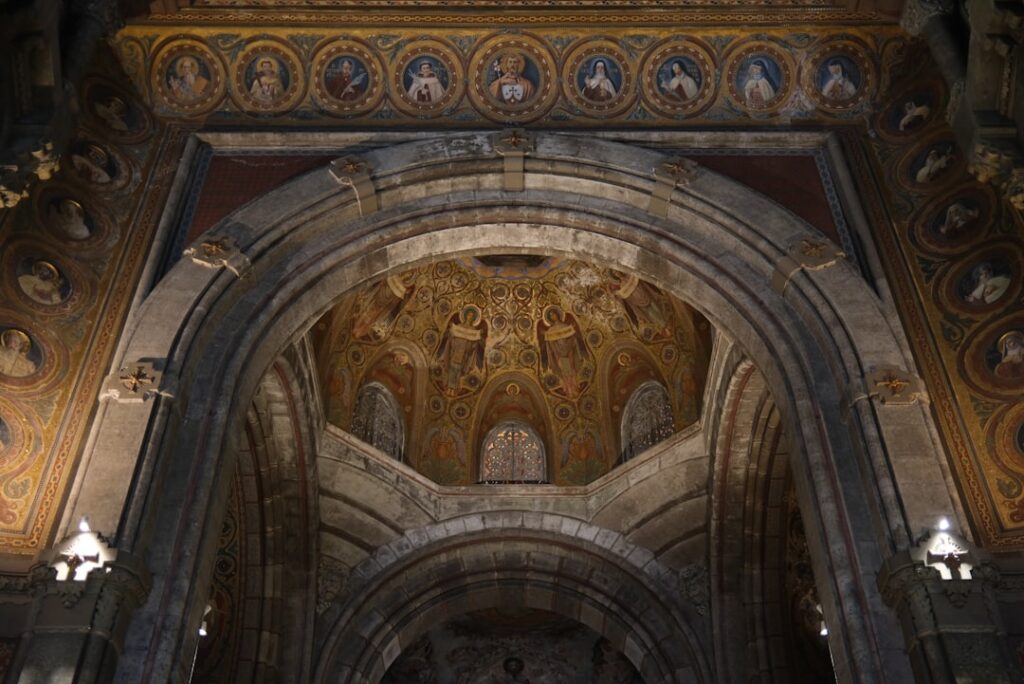






Introduction: Milan’s Chapels and Crypts — An Invitation to Explore
Milan is often thought of as Italy’s capital of fashion and design, but slow down a little and the city reveals a quieter, deeply spiritual side: a web of intimate chapels, painted apses and ancient crypts. These places, sometimes tucked behind unassuming façades, hide frescoes, tombs, ossuaries and atmospheres that tell the religious, artistic and social history of Lombardy’s main city. From the Gothic grandeur of the Duomo to the hushed niches of Romanesque basilicas, each chapel and crypt offers a unique sensory experience where light filters in, stone breathes and centuries seem to speak.
This guide is written for travelers who appreciate history, architectural detail and sacred atmospheres. It gathers detailed descriptions, exact addresses, entry prices in euros, practical opening times and local tips to help you make the most of these often overlooked treasures. Whether you’re after Renaissance paintings, Baroque ornamentation, Gothic ossuaries or early-Christian crypts, Milan has surprises even for well-traveled visitors.
Chapels and crypts in Milan aren’t just static museum pieces: they are living places of worship, meeting points for communities and settings where history reveals itself through rituals, pilgrimages and sacred concerts. Knowing how to behave — when to keep your voice down, when photography is allowed, which sections require a ticket — enriches the visit and shows respect for the sites and those who come to pray. This guide will walk you from the entrance of the Basilica di Sant’Ambrogio to the polychrome niches of the Cappella Portinari, with a stop at the unsettling yet fascinating ossuary of San Bernardino alle Ossa.
Finally, remember many of these spaces are fragile: frescoes sensitive to humidity, poorly ventilated crypts, recently restored chapels. Opening hours can change because of liturgical celebrations or conservation work. We provide the most reliable, up-to-date information available, but always double-check official sites or on-site notices before heading to a specific place. Now, join us at the heart of Milan’s chapels and crypts: a walk through stone, shadow and light that will lead you from grand basilicas to the hidden corners of the city fabric.

Basilica di Sant’Ambrogio and Its Early-Christian Crypt
The Basilica di Sant’Ambrogio is one of Milan’s oldest and most important churches. Located at Piazza Sant’Ambrogio, 1, 20123 Milano, it embodies the city’s early-Christian soul: founded in the 4th century by St. Ambrose, it preserves a basilica layout and a series of side chapels that reflect multiple building and decorative phases. The main entrance opens onto a broad nave lined with arcades, and your eye is naturally drawn to the mosaics and Romanesque portals.
The crypt, accessible from inside the church, is one of the highlights of a visit. Dug beneath the main altar, it houses relics, sarcophagi and the atmosphere of a place of prayer that has lasted through the ages. Low vaults and time-worn stone evoke Milan’s earliest Christian communities. You’ll find carved details, fragments of mosaics and inscriptions that help imagine the liturgy of Milan’s first Christians.
Opening times: the Basilica di Sant’Ambrogio is generally open daily from 07:30 to 12:30 and from 15:00 to 19:00. The crypt usually follows the church’s opening hours but can be restricted during special celebrations. Price: access to the church and crypt is often free; suggested donations or contributions for guided tours may apply (around €3–€5 for certain guided visits or temporary exhibitions).
Practical tips:
- Arrive early to avoid tour groups, especially between 08:00 and 10:00 in the morning.
- Wear respectful attire (shoulders and knees covered); the Basilica is an active place of worship.
- If you’re interested in archaeology, ask staff whether there are interpretive panels or English-language guided tours.
- The crypt can be cool and damp; bring a light jacket.

Chiesa di San Bernardino alle Ossa — The Baroque Ossuary
Not far from Chiesa di San Sepolcro and the central Piazza del Duomo stands the Chiesa di San Bernardino alle Ossa, at Piazza Santo Stefano, 3, 20122 Milano. This small church is famous for its attached Baroque ossuary: a chapel decorated with skulls and bones artfully arranged into decorative motifs. The effect, both macabre and captivating, reflects a historical view of death very different from contemporary aesthetics, reminding visitors that mortality was once part of the liturgical setting and collective memory.
The church you see today dates largely from the 17th century, but the ossuary has a much older story: it grew out of a medieval cemetery and developed into a chapel-ossuary over the centuries. The interior decoration mixes Baroque stucco, paintings and a side chapel entirely devoted to the arrangement of bones. The space is usually dimly lit, with directed light emphasizing the dancing shapes of skulls and bones. The atmosphere is solemn and oddly contemplative.
Opening times: the church is typically open from 09:00 to 12:00 and from 15:30 to 18:30 (check times during religious holidays). Price: entry to the church is often free; access to the small ossuary may require a contribution of €2–€4 depending on the season and temporary displays.
Practical tips:
- The site attracts curious visitors and photographers; respect restricted photography areas and the solemnity of the place.
- If the chapel makes you uncomfortable, look for interpretive panels that put the ossuary into its historical and cultural context.
- Take advantage of the nearby shopping streets to combine the visit with a coffee break in the area.
 Click here to book your ticket for the San Sepolcro crypt
Basilica di Sant’Eustorgio and the Cappella Portinari
The Basilica di Sant’Eustorgio, located at Piazza Sant’Eustorgio, 1, 20122 Milano, is a must for anyone exploring Milan’s chapels. Its Cappella Portinari, built at the end of the 15th century, is particularly famous: richly decorated, it marks the shift from late Gothic to the Lombard Renaissance. The chapel houses remarkable frescoes, finely painted vaults and sculpted details that testify to the role of patrons in Milanese religious life.
The basilica itself has hosted relics and historical figures, and the Cappella Portinari reads like an artistic manifesto within Sant’Eustorgio. The murals and stuccoes carry a soft chromatic palette, enhanced by light filtering through small high windows. The basilica’s proximity to the university district also makes it a lively place where sacred music concerts and lectures on religious art are sometimes held.
Opening times: Sant’Eustorgio is often open from 08:00 to 12:30 and from 15:00 to 18:30. Price: entrance to the basilica is free; guided tours or access to certain chapels (Cappella Portinari) may require a contribution of €3–€6 depending on temporary exhibitions.
Practical tips:
- Plan your visit on a weekday if possible: Sundays tend to draw more worshippers and tour groups.
- Visit the Cappella Portinari in the afternoon when the light is softer for photography (if permitted).
- If you’re into medieval iconography, look for narrative scenes in the frescoes: they tell biblical and hagiographic stories important to local devotion.
San Maurizio al Monastero Maggiore — The Chapel of Frescoes
At Via Francesco Sforza, 3, 20122 Milano, just a stone’s throw from the Museo del Novecento, stands the Chiesa di San Maurizio al Monastero Maggiore, often nicknamed Milan’s « Sistine Chapel » because of the abundance and quality of its frescoes. The monastic complex dates back to the 5th century in its origins and was embellished during the Renaissance and the 16th century, presenting a series of richly painted side chapels where biblical and hagiographic scenes nearly cover the walls and vaults.
Visiting San Maurizio is a chromatic immersion: gilding, deep pigments and delicate facial features create a sense of closeness to the artists and their models. Unlike wide white surfaces, here color converses with stone, and gradually discovering miniature scenes demands time and attention. Some chapels also preserve sculpted elements and tombs, offering a full picture of Lombard religious art.
Opening times: generally the church is open from 09:00 to 17:30 daily, but hours may vary for events or religious services. Price: entry is paid, around €5–€8, variable with discounts (students, seniors) and whether a complementary temporary exhibition is on display.
Practical tips:
- Allow at least 45–60 minutes to savor the frescoes: the iconographic richness rewards a slow, contemplative pace.
- Audio guides are available in several languages — useful for understanding the iconographic cycles.
- Photography is often allowed without flash; check the notices and follow conservation rules.
- Combine the visit with a stop at the Museo Civico di Milano if you want to deepen the historical context.
Click here to book your ticket for the Museo del Novecento with audio guide

Santa Maria presso San Satiro and the Art of Architectural Illusion
The Chiesa di Santa Maria presso San Satiro, at Via Torino, 17, 20123 Milano, is famous for a feat by Bramante: a trompe-l’oeil choir created to compensate for the lack of space between the apse and the street. The small chapel, modest in footprint, reveals a complexity of perspective, decorated capitals and side chapels where you can appreciate the Renaissance taste for balance and illusion.
Inside, the side chapel and the staged choir show how Milanese architects and artists used painting, sculpture and architecture to create depth and a sense of sanctity. Visitors notice fine details, polychrome columns and small niches holding statues and paintings. It’s a perfect place for anyone interested in the interplay between architecture and visual perception in sacred space.
Opening times: the church is generally open from 08:00 to 12:30 and from 15:00 to 18:30, with variations for celebrations. Price: access is often free, but a contribution of €2–€5 may be requested for guided tours or artwork maintenance.
Practical tips:
- The chapel is in a busy shopping area: combine the visit with a stroll through the historic center.
- View the trompe-l’oeil choir from the central aisle to fully appreciate Bramante’s illusion.
- If you’re a photographer, morning light tends to be softer and brings out textures and marbles.

Cripta di San Sepolcro and Small Secret Chapels
The Cripta di San Sepolcro, located at Piazza San Sepolcro, 20123 Milano, is another early-Christian site in the city. Built around a compact underground space, the crypt is a concentrated dose of history: ancient walls, mosaic fragments and dimly lit corners that evoke the liturgical practices of the early centuries. The little chapels around the crypt are often opened for contemporary sacred art exhibitions, creating a surprising dialogue between old and new.
The intimacy of the crypt makes the experience very personal: here the echoes of prayer are different and the human presence is felt more intensely. Local guides love to point out architectural details that survive from the medieval foundation, from semi-ruined pillars to round arches. The plaza chapel sometimes hosts readings or small vocal concerts that take advantage of the place’s special resonance.
Opening times: often open from 10:00 to 18:00 (hours vary with events). Price: modest entry fee, typically €3–€6, with possible reductions.
Practical tips:
- Book a guided tour if you want precise historical explanations — the crypt reveals more when placed in context.
- The floor can be uneven: wear comfortable, non-slip shoes.
- Check the schedule for small sacred concerts: the crypt’s acoustics make it ideal for early vocal music.
Click here to book your ticket for the San Sepolcro crypt
Practical Tips for Visiting Chapels and Crypts in Milan
Visiting chapels and crypts requires a different kind of preparation than a regular city stroll. Here are concrete recommendations to make your trips around Milan smoother and to respect these sensitive places:
- Mapping and planning: identify addresses in advance (we list them above) and group visits by neighborhood to minimize travel. Areas around the Duomo, Sant’Ambrogio and Sant’Eustorgio concentrate several sites within walking distance.
- Opening times and religious holidays: hours can change during festivities (Christmas, Easter, local saints’ days). Some chapels close for services — check official websites or call the church before you go.
- Tickets and discounts: museums and certain chapels may require tickets. Carry small change (coins from €1–€10 are handy) and look into reduced fares for students, seniors and families.
- Behavior: respect worship: speak quietly, avoid noisy groups, cover up if required (shoulders/knees). Photography may be forbidden or limited in some areas.
- Accessibility: many crypts are in tight spaces with steps. People with reduced mobility should inquire in advance; some churches offer alternative access or virtual visits.
- Conservation and safety: don’t use flash on frescoes/paintings, don’t touch sculptures or historic surfaces. Conservators sometimes control temperature and humidity to preserve artworks.
- Guides and audio guides: ideal for understanding iconographic cycles and chapel histories; available in several languages at main sites.
- Best times: early morning or late afternoon outside Mass times to avoid crowds and enjoy softer light.
Recommended Routes and Visit Combinations
Here are some practical routes to get the most out of a half-day or a full day dedicated to Milan’s chapels and crypts:
- Morning around the Duomo (2–3 hours): Duomo di Milano (façade and museum), stroll to Santa Maria presso San Satiro (Via Torino), then a stop at the Cripta di San Sepolcro. Finish with coffee in the Galleria Vittorio Emanuele II.
- Roman and early-Christian route (3–4 hours): Basilica di Sant’Ambrogio (crypt) → Basilica di San Lorenzo Maggiore (and its cloister) → visit the Cappella Portinari at Sant’Eustorgio.
- Renaissance and frescoes (2–3 hours): San Maurizio al Monastero Maggiore → Cappella Portinari → walk to nearby art museums to deepen the story of artistic patronage.
- Lighter afternoon (2 hours): San Bernardino alle Ossa → shopping break in the Quadrilatero della Moda or a stroll along Via Torino.
Click here to book your ticket for the cathedral and the Duomo terraces

Conclusion: Rediscover Milan Through Its Sacred Spaces
Milan’s chapels and crypts offer a distinctive, profound way to experience the city: away from luxury shop windows and busy shopping streets, they reveal the intimate history of a place that has intertwined rites, art and memory. From the Basilica di Sant’Ambrogio and its early-Christian crypt to the sumptuous frescoes of San Maurizio, the Baroque ossuary of San Bernardino alle Ossa and Bramante’s subtle architecture at Santa Maria presso San Satiro, each stop presents a particular aesthetic and spiritual encounter.
Visiting these places means slowing down, watching stone, light and space. It also means acknowledging the fragility of artworks and the need for respectful behavior: silence, attention and patience. The opening times and prices cited in this guide (generally modest: free entry for several basilicas, contributions of €2–€8 for some chapels or crypts) make it easy to plan a flexible and accessible itinerary.
For curious travelers, we recommend combining these visits with local encounters: a sacred concert in a crypt, a guided tour by an art historian, or a quiet moment of prayer in a chapel to sense the living continuity of these places. Above all, remember that beyond the works and stones, it’s the people — from worshippers to volunteer guides — who bring these spaces to life. Take a moment to listen to their stories and exchange a few words, and you’ll leave with a very different image of Milan: less superficial, more profound.
Whether you return in summer for the high light or in winter when the stone seems to hold the cold and history, Milan’s chapels and crypts are waiting to share their stories with those who know how to listen.
