





Introduction
Milan has been one of the world capitals of fashion and luxury for decades. For travelers hunting a truly Italian bag — whether a hand-stitched soft leather satchel, a signature clutch from a heritage maison, or a contemporary tote designed by a young talent — Milan offers an exceptional range. The city’s charm lies as much in the historic arcades of the Galleria Vittorio Emanuele II as in its discreet workshops, antique markets and luxury outlets on the outskirts. Buying a bag in Milan often means taking home a slice of Italy: artisanal know-how, precise cuts, the smell of real leather, and sometimes a certificate from a renowned house.
This article walks you through the must-visit spots to find authentic Italian bags: from the majestic Galleria Vittorio Emanuele II to the artistic buzz of Brera, the picturesque banks of the Navigli, and the department stores and outlets. You’ll find exact addresses, typical opening hours, realistic price ranges, and practical tips for recognizing genuine Italian leather, bargaining in an independent shop, or checking authenticity certificates. Whether you’re a serious collector or an occasional tourist, these tips will help you buy smart, avoid fakes, and bring home an item full of history.
Before you step into a shop, think about how you’ll use the bag: daily wear, evenings out, an investment, or a souvenir. That intention usually determines price range and the type of place to visit. Luxury maisons will guarantee provenance and flawless finishing — with prices typically starting around €900 for a small signed piece and often topping €5,000 for iconic models. Artisan workshops and small labels offer pieces from about €200 to €1,200, with the satisfaction of a product that’s often unique. Vintage markets and second-hand shops can offer branded bags at attractive prices (€200–€1,500 depending on condition and rarity), but they require a trained eye to verify authenticity.
In the sections below we detail the key neighborhoods and shops, explain how to spot an authentic Italian bag, list precise addresses and opening hours, and suggest a one-day shopping itinerary in Milan. Practical information (hours and prices) is indicative and can vary by season; check official sites before you go. Pack your backpack, comfy shoes and a sharp eye — Milan is waiting.
 Click here to visit the Skywalk of the Galleria Vittorio Emanuele II

Quadrilatero della Moda: Via Montenapoleone, Via della Spiga and historic elegance
The Quadrilatero della Moda is the beating heart of Milanese luxury. It’s mainly made up of Via Montenapoleone, Via della Spiga, Via Sant’Andrea and Via Manzoni. These streets host the most famous Italian and international houses. Strolling here means admiring immaculate window displays, smelling fine leather and meeting salespeople trained to meet the expectations of a discerning clientele.
Main address: Via Montenapoleone, 20121 Milano MI (Quadrilatero della Moda). Typical hours: most boutiques open between 10:00 and 19:30, with some staying open until 20:00 during sales or Fashion Week. Prices: expect high ranges — compact luxury house bags from around €900; iconic bags and limited editions can exceed €3,000–€5,000.
Useful stops in this area:
- Via Montenapoleone — the go-to street for Gucci, Prada, Salvatore Ferragamo and others (check exact numbers on each brand’s site).
- Via della Spiga — a chic pedestrian lane, perfect for spotting contemporary Italian designs and artisanal leather houses.
- Via Sant’Andrea — small luxury shops and alteration ateliers to tweak a strap or a lining.
Local tips: arrive early on weekdays to avoid crowds and get the staff’s full attention; photograph the internal label, brand plate and serial number if you’re unsure about authenticity; always ask for a certificate of authenticity and a receipt with VAT-free paperwork if you’re non-EU (tax refunds available above a certain purchase amount). Boutiques in this area often offer personalization services (initials, strap color) — ideal for a one-of-a-kind gift.
Click here to visit the Cathedral and the Duomo terraces

Workshops and artisan shops in Brera and Corso Venezia
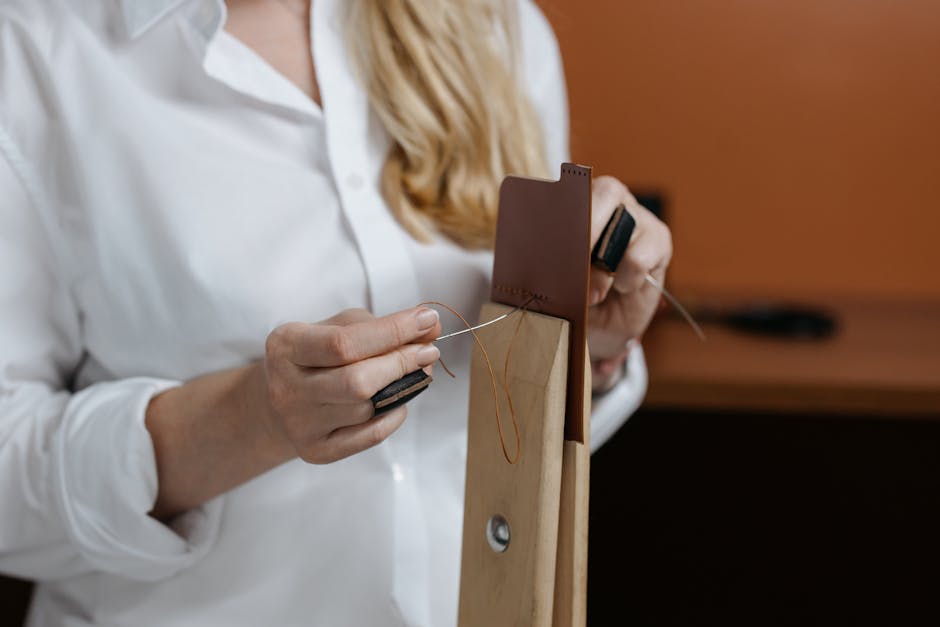
Brera is Milan’s boho-chic quarter: cobbled streets, cafés, art galleries and leather workshops. Between Via Brera and the surrounding lanes, several craftsmen still work the old way — local tanning, hand-stitching, brass finishes. Bags coming out of these ateliers have soul: each piece shows the marks of the hands that shaped the leather.
Address to note: Pinacoteca di Brera, Via Brera 28, 20121 Milano MI — wandering around the museum gives access to many artisan shops. Workshop hours: often 10:00–19:00, some close in the afternoon for staff breaks; check before you go. Prices: Brera’s handcrafted bags generally range between €200 and €1,200 depending on complexity and leather quality.
Examples of what you’ll find:
- Repair and customization workshops: skilled hands capable of restoring a zipper, re-dyeing leather or replacing a lining.
- Local designer boutiques: limited runs, small series, sometimes numbered pieces.
- Merchants who also sell leather accessories (belts, wallets) — great ways to test quality before committing to a larger purchase.
Local tips: touch the leather to assess thickness and suppleness; genuine leather has a warm, natural smell (steer clear of strong chemical odors). Ask about the leather’s origin (Italy, Tuscany, or high-quality European leather). For an immersive experience, book a workshop visit: many accept private appointments (expect €30–€60 for a guided visit and demonstration, sometimes waived with a purchase).
Click here to book your ticket for the Pinacoteca di Brera
Navigli: markets, vintage and one-off finds by the water
The Navigli canals — Naviglio Grande and Naviglio Pavese — offer an atmosphere very different from the Quadrilatero. Here, shopping is often more intimate, improvised, and sometimes perfect for uncovering a vintage or retro bag. The Sunday antiques market on the Navigli (Mercatone dell’Antiquariato) is famous for unexpected treasures, including older bags from Italian or European brands.
Address and hours: Naviglio Grande along Ripa di Porta Ticinese, 20143 Milano MI. The antiques market usually takes place on the last Sunday of the month (check seasonal dates). Market hours: often 08:00–18:00. Prices: affordable vintage pieces from around €50 for basic second-hand models; branded pieces in good condition €200–€1,500 depending on rarity and condition.
Why visit Navigli:
- Ambience: waterside strolls, cafés and workshops — perfect for a break after shopping.
- Vintage: specialist sellers and second-hand shops that often authenticate their products.
- Artisans: workshops blending old-school techniques with contemporary reinterpretations, ideal for personalized pieces.
Local tips: arrive early for the market (the best pieces go before noon); inspect the interior lining, logos, stitching and hardware carefully (solid metal zips are often more reliable than plastic). Bargain politely: at markets a 10–20% discount is sometimes possible, especially if you pay cash. In the evening, enjoy a Spritz at the bars along the canal to unwind — a true Milanese treat after a day of hunting.
Click here to personalize your tote in a vintage shop
Outlets, department stores and recent collections: Fidenza Village and La Rinascente
If you want discounted prices and Italian brands, focus on two types of places: city-center department stores like La Rinascente and luxury outlet villages such as Fidenza Village about an hour from Milan. La Rinascente, near the Duomo, offers a curated selection of brands, sometimes special editions and bilingual customer service. Fidenza Village hosts around forty Italian and international maisons with year-round discounts.
La Rinascente — address: Piazza del Duomo, 20121 Milano MI. Hours: 10:00–20:00 (Sunday hours vary). Prices: a wide range — bags from around €150 for contemporary labels to several thousand euros for prestige maisons.
Fidenza Village — address: Via San Michele Campagna, 43036 Fidenza PR (about 80–90 km from Milan). Hours: 10:00–20:00 (check the site for special hours). Prices: discounts usually range from 30% to 70% depending on the season; a bag that costs €1,200 in boutique can sometimes be found for €400–€800 at the outlet.
Local tips: bring your passport if you want to claim tax-free shopping; check return policies — some outlet sale items are non-refundable. At La Rinascente, visit the leather goods department and ask the experts who can explain differences between vegetable- and chrome-tanning, lining types and care treatments.

How to spot an authentic Italian bag: practical checks
Spotting a genuine Italian bag requires method and attention. Here are the key points to check, whether you’re buying in a boutique, at a market or in an outlet.
Essential checks:
- Leather smell: quality Italian leather has a warm, slightly animal scent. Strong varnish or plastic smells often indicate heavy chemical treatments or synthetic materials.
- Grain and feel: full-grain leather is supple yet durable; press lightly with your finger — real leather will crease and then return to shape, synthetic leather stays rigid.
- Stitching: stitches should be even, with no loose threads. Italian workshops place great emphasis on finish.
- Hardware: clasps, rings and zips should feel weighty and be engraved with the brand name when applicable. Metal plates should be securely fixed, not glued.
- Lining and labels: linings are often quality textiles; the internal label may state « Made in Italy » and include a serial number to verify with the brand.
- Invoice and certificate: always ask for an invoice and authenticity certificate for significant purchases; these documents help with resale or for tax refund claims.
Additional tips: if in doubt, ask the seller to demonstrate functions (pockets, zips). For second-hand buys, verify serial numbers with the brand’s customer service if possible. Finally, remember that authenticity is also about style: some Italian houses have specific aesthetic codes (shapes, topstitching, logos); do your research before buying.

Conclusion
Milan is an exceptional playground for anyone looking to buy a genuine Italian bag: from the glamour of the Quadrilatero della Moda to Brera’s artisan lanes, the relaxed vibe of the Navigli and the bargain opportunities at outlets. Each neighborhood offers a different promise — prestige and flawless windows on Via Montenapoleone, artisanal know-how in Brera, treasure hunting by the canals, and discounts at Fidenza Village or La Rinascente. Your choice will mostly depend on priorities: authenticity, exclusivity, budget, or the joy of discovery.
Before you head out on your bag hunt, set a budget, research the models you like, and keep verification points handy (smell, feel, hardware, documentation). Take advantage of services offered (personalization, tax-free) and don’t hesitate to ask salespeople for advice: most are happy to explain the leather’s origin, tanning type and care instructions. Lastly, take time to enjoy Milan itself — a coffee on a Brera terrace, the view of Piazza del Duomo from La Rinascente’s rooftop, or a sunset along the Naviglio Grande will make your purchase even more memorable.
Whether you leave with a costly investment or a small handcrafted piece, a bag bought in Milan is often much more than an accessory: it reflects craftsmanship, local history and a travel experience. Happy shopping — and enjoy discovering the sublime Lombard capital of leather and style.