





Introduction: Why Explore Milan’s Historic Neighborhoods
Milan is often seen as the fashion and business capital, but tucked behind its skyscrapers and showrooms lie centuries of living history, art and urban life. Exploring Milan’s historic neighborhoods helps you understand how the city evolved from its Roman roots through industrial growth to the modern metropolis it is today. Each neighborhood has its own vibe — café‑lined squares, cobbled lanes, Baroque churches, hidden courtyards and Art Nouveau buildings — each telling a different chapter of Milanese identity.
This guide highlights ten unmissable historic areas of Milan, selected for the variety of their landmarks, the pleasure of wandering them and the richness of the experiences on offer. For every neighborhood you’ll find specific addresses (museums, churches, monuments), typical opening hours, indicative prices for main attractions, plus practical tips and local recommendations to make the most of your visit. Whether you’re into architecture, regional food, photography or just curious travel, these neighborhoods give a full, immersive view of the city.
This guide is practical: exact addresses will help you plan routes, hours and prices will save you surprises, and local tips will point you toward experiences off the usual tourist track. Remember that some opening times or fees can change with seasons or special events (exhibitions, temporary closures). Check official websites before you go. Finally, Milan is best explored on foot and by its network of trams and metro: bring comfortable shoes, a transport map or app and, if you can, leave afternoons free to wander.
1. Historic Center (Duomo, Galleria Vittorio Emanuele II, Teatro alla Scala)
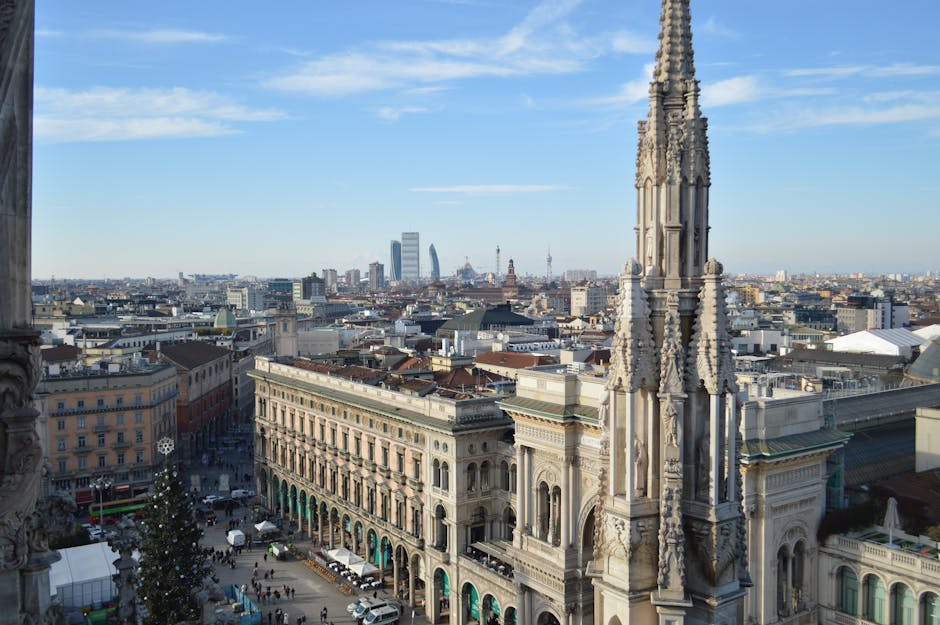
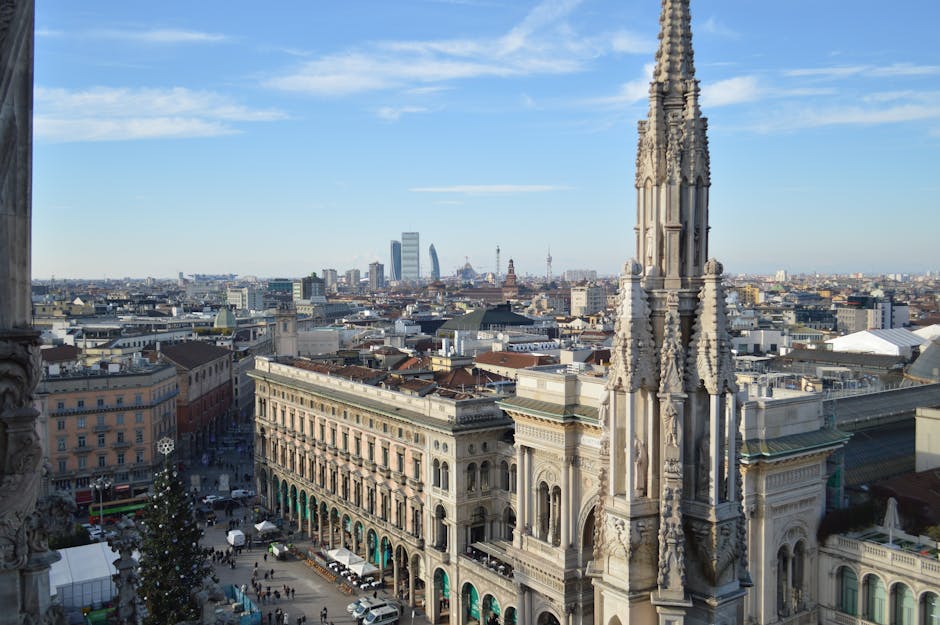
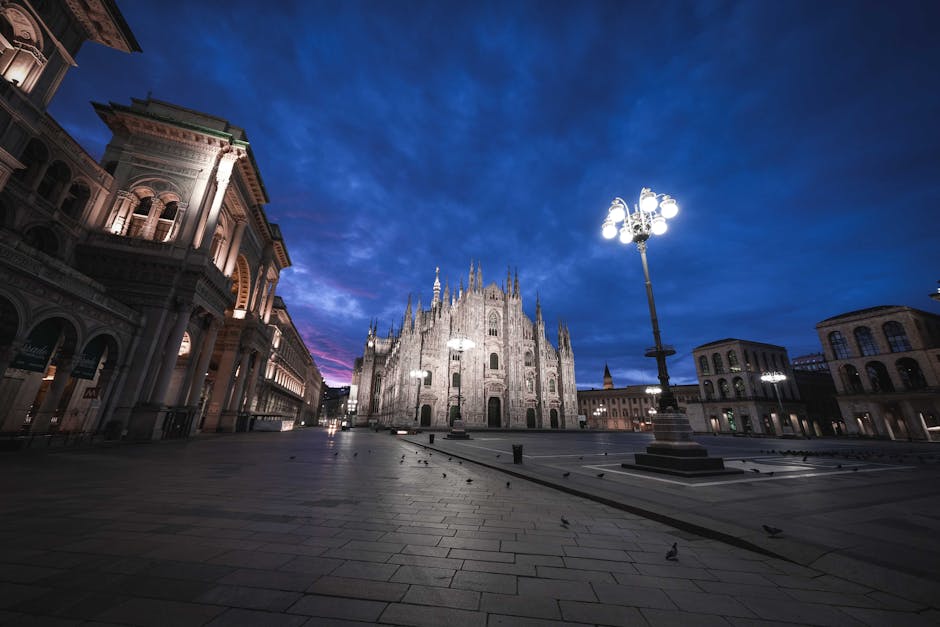
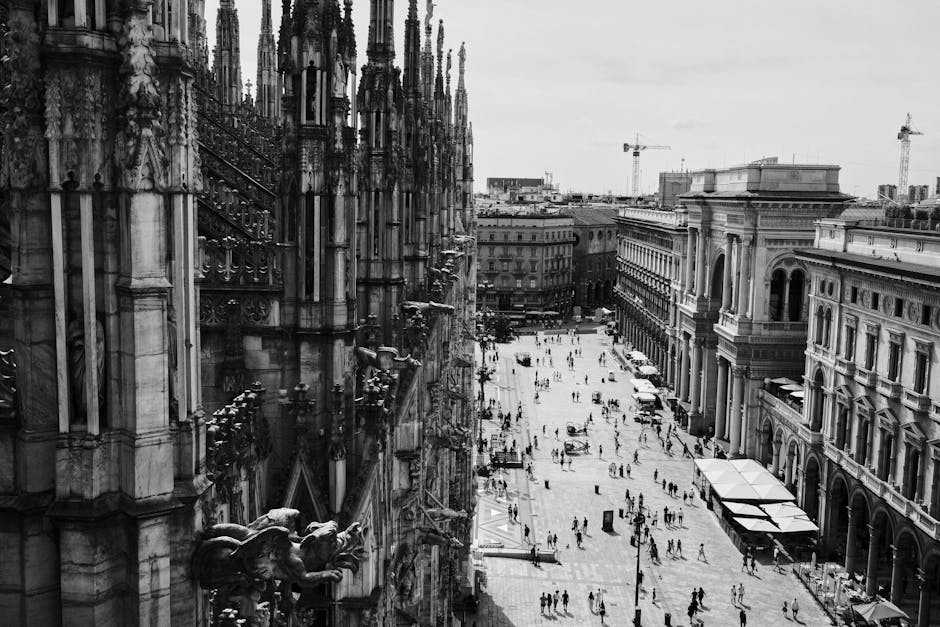
Milan’s historic heart revolves around the majestic Piazza del Duomo. The city’s symbol, Milan Cathedral (Duomo di Milano), is located at Piazza del Duomo, 20122 Milano MI. Hours: typically 8:00–19:00 (the rooftop terraces may open 9:00–19:00 depending on season). Indicative price: entry to the Duomo €5–€15 depending on options (cathedral only €5, museum and terraces €15, elevator to terraces + museum €13). The complex includes the iconic Galleria Vittorio Emanuele II (Piazza del Duomo, 20123 Milano MI), a covered shopping arcade open 24/7, though shops and restaurants have varying hours (usually 10:00–22:00).
Just a short walk away is Teatro alla Scala (Via Filodrammatici, 2, 20121 Milano MI). Tickets for performances vary widely, often between €15 and €200+. The La Scala Museum (Museo Teatrale alla Scala) is usually open 9:00–17:30, entry €10–€12. The historic center is a great place to start: climbing onto the Duomo terraces gives panoramic views over Gothic spires and, on clear days, the Alps. Local tip: arrive early to avoid the largest crowds on Piazza del Duomo, and book terrace tickets online if you want a specific time slot.
2. Brera District (palaces, Pinacoteca, artist studios)
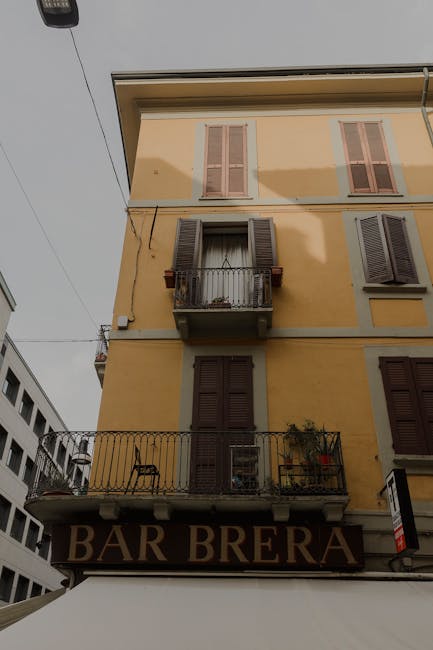
Brera is Milan’s bohemian, artsy neighborhood. The focal point is the Pinacoteca di Brera (Via Brera, 28, 20121 Milano MI). Hours: generally 8:30–19:15 (closed Mondays). Ticket: full price €12–€15, reduced rates available. The Pinacoteca houses Renaissance masterpieces, including works by Piero della Francesca, Raphael and Caravaggio. Around it, narrow streets — via Brera, via Madonnina, via Fiori Chiari — are packed with galleries, antique shops and atmospheric cafés.
Don’t miss the Accademia di Belle Arti (Corso Venezia, 52, 20121 Milano MI) and the small Orto Botanico di Brera (Via Brera, 28), a peaceful botanical garden for a break. Restaurants and osterie serve Milanese classics: risotto alla milanese (€12–€18) and cotoletta alla milanese (€15–€25). Local tip: Friday evenings Brera livens up with aperitivi; look for bars offering buffet‑style aperitivo for good value (around €10–€15 including a drink).
3. Navigli (canals, markets, nightlife)
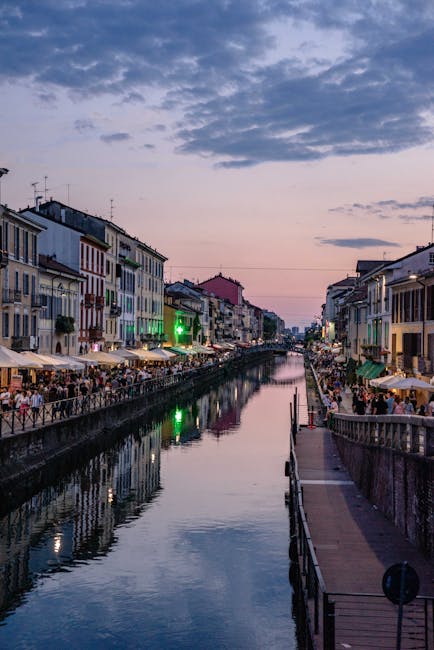
Navigli is one of Milan’s most photogenic areas with its historic canals, bridges and waterside cafés. The lively core is around the Naviglio Grande and Naviglio Pavese, especially near Ripa di Porta Ticinese and the Darsena. Points of interest: Darsena (Piazza XXIV Maggio, 20123 Milano MI) — a former port area that’s been regenerated. Antique market: Naviglio Antique (held on certain Sundays, seasonally).
Hours: shops along the canals usually open 10:00–20:00, but nightlife kicks in from about 18:00 with aperitivo and goes on late. Prices: an aperitivo on a terrace often costs €10–€20 depending on the venue. Local tip: stroll at sunset for the best photos and avoid the canals during peak tourist events if you prefer peace. For dinner, try a trattoria along the Naviglio Grande (main courses €12–€25).
4. Castello Sforzesco and Parco Sempione
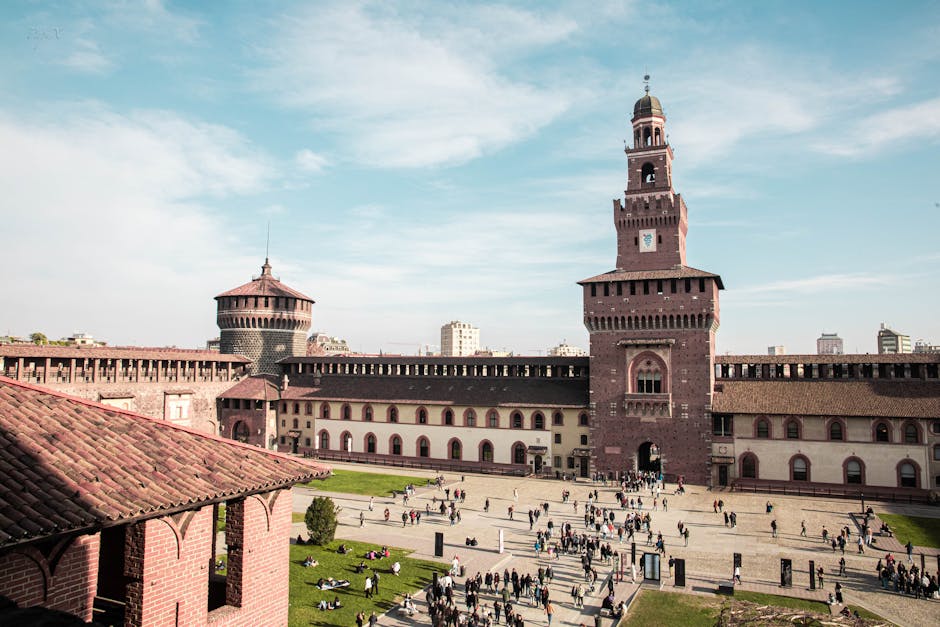
The area around Castello Sforzesco is rich in museums and green spaces. Castle address: Piazza Castello, 20121 Milano MI. Hours: castle museums generally 9:00–17:30 (some closed Mondays). Fees: Castello museums €5–€10 depending on exhibitions; combined tickets for city museums vary. Behind the castle, Parco Sempione (Piazza Sempione, 20154 Milano MI) is a large public park perfect for a stroll or picnic.
Nearby: the Triennale di Milano (Viale Emilio Alemagna, 6, 20121 Milano MI) with design exhibitions (hours 10:30–20:30, tickets €10–€15) and the Arco della Pace (Piazza Sempione), a Neoclassical triumphal arch. The immersive experience: wander under the trees, admire the medieval walls of the castle and head toward the small artificial lake near the Roman theatre. Tip: combine a castle visit with lunch at one of the neighborhood cafés for a full cultural day out.
5. Porta Ticinese and Basilica di San Lorenzo
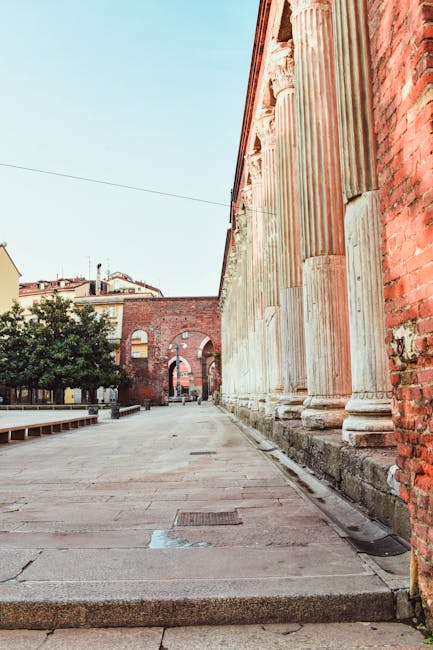
Porta Ticinese is a neighborhood where popular history meets student energy. One icon is the Basilica di San Lorenzo Maggiore (Piazza San Lorenzo, 20123 Milano MI). Hours: typically 7:00–18:00 for the basilica, with guided tour times varying. Price: entry is often free, with suggested donations for upkeep. Nearby are the Roman columns (Colonne di San Lorenzo), a very popular spot for outdoor aperitifs.
The vibe is young and relaxed, with vintage shops, bars and affordable restaurants (meals €8–€18). At night, the area around Via Torino and Corso di Porta Ticinese offers many live music venues. Safety and practical tip: avoid very isolated streets late at night and stick to well‑lit main streets; consider the metro (Porta Ticinese station on M2) for late returns.
6. Porta Nuova and Art Nouveau (Liberty) buildings
Porta Nuova is Milan’s contemporary face but it also preserves notable examples of Liberty (Art Nouveau) architecture and hidden historical gems. Central area: Piazza Gae Aulenti, 20154 Milano MI, with skyscrapers and pedestrian spaces. For Art Nouveau details, explore Corso Venezia and Via Paolo Sarpi (also the heart of Milan’s Chinatown).
Hours: public spaces in Porta Nuova are open 24/7; to visit interiors of Liberty buildings, check for local guided tours (often organized by associations, costing €10–€20). Price: admiring the buildings from the outside is free; museum entry fees vary. Local tip: head up to free terraces in some shopping centers for an interesting skyline view, and combine an architectural stroll with a coffee break in one of the neighborhood’s modern bistros.
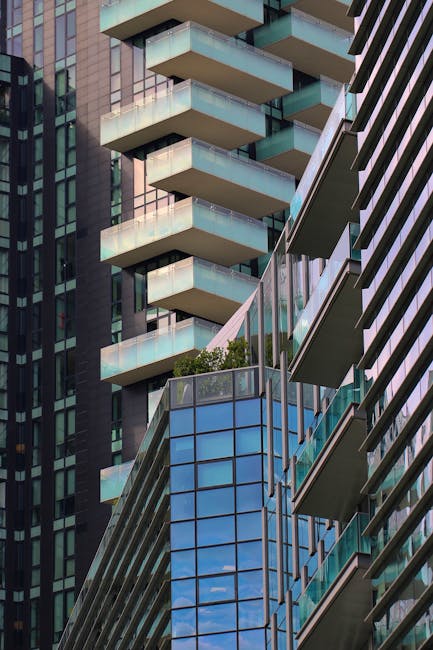
7. Isola (vibrant, street art, Pirelli Hangar Bicocca)
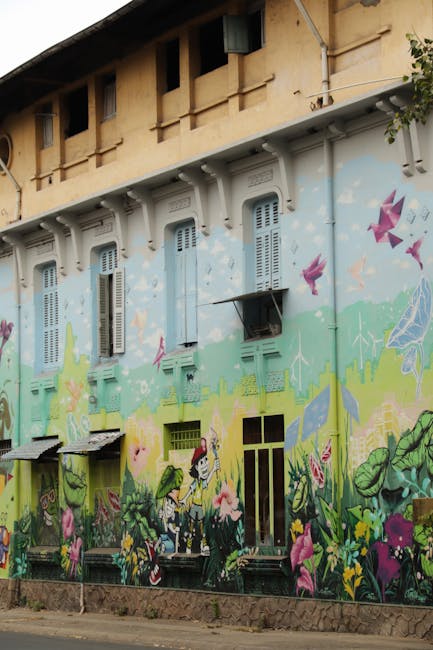
Isola is a rapidly changing neighborhood known for its street art, cultural scene and the vertical forest murals nearby (technically close to the area). Major cultural venue: Pirelli HangarBicocca (Via Chiese, 2, 20126 Milano MI). Hours: exhibitions generally 10:00–19:00 (closed Mondays). Entry: some installations are free, temporary shows €5–€12.
Walk along Via Borsieri and Via Volturno to discover painted walls, independent cafés and maker markets. Isola is also known for a more alternative nightlife: bars and small concerts (drink prices €6–€12). Local tip: Porta Garibaldi station (Piazza Sigmund Freud, 20124 Milano MI) is a convenient starting point to explore Isola and its transport links.
8. Chinatown (Via Paolo Sarpi) and Its Historic Shops
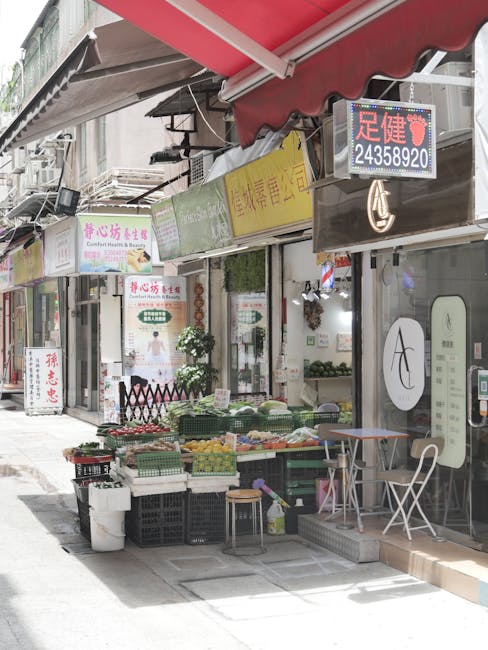
Milan’s Chinatown, centered on Via Paolo Sarpi (20154 Milano MI), offers an immersion into Asian shops, grocery stores, restaurants and small artisanal boutiques. Hours: shops generally 9:00–20:00; restaurants often open until 23:00. Prices: budget meals from €6–€20 depending on the place. You’ll also find examples of historic signage and architecture blending with Milanese life.
Stroll to discover tea shops, craft workshops and patisseries. Local tip: try dim sum or a bowl of noodles in a Sino‑Milanese trattoria, and avoid overly touristy restaurants by venturing into the narrow side streets. When shopping, compare prices between vendors and don’t hesitate to sample food before buying certain items.
9. Città Studi (university area, villas and technical museums)
Città Studi is Milan’s university quarter, centered around Via Sarfatti and Viale Romagna. You’ll find academic institutions and technical museums like the Museo Nazionale della Scienza e della Tecnologia « Leonardo da Vinci » (Via San Vittore, 21, 20123 Milano MI — though technically closer to the centro, it serves visitors of Città Studi). Hours: the Science Museum 9:30–17:00 (varies by day), full price €10–€13.
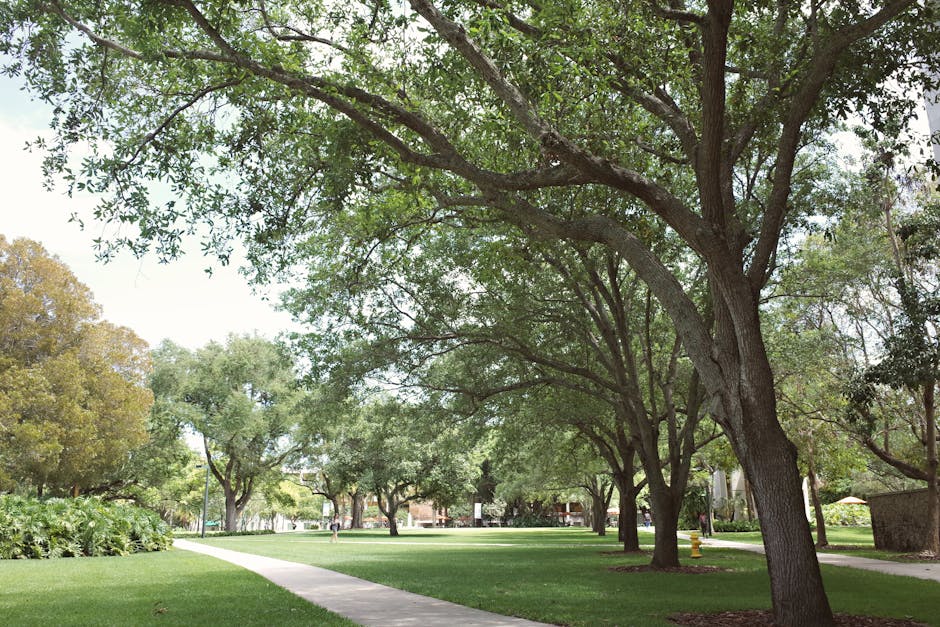
The neighborhood has a studious, residential feel with historic villas, small parks and student cafés (cappuccino €1.20–€2.50). Practical tip: Città Studi is a good budget area to stay in while remaining close to the center; use trams and buses to reach main attractions quickly.
10. Cimitero Monumentale and the Monumentale neighborhood
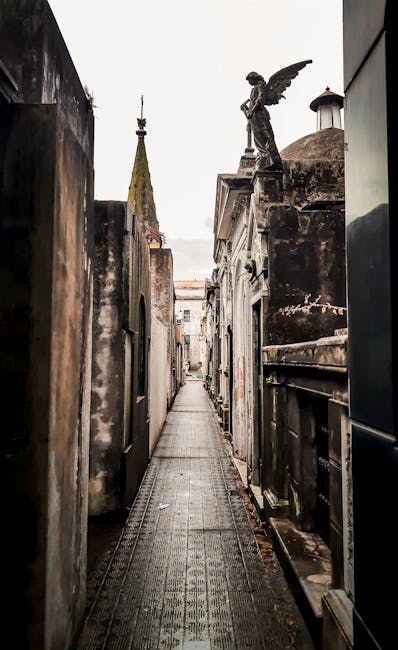
The Cimitero Monumentale (Piazzale Cimitero Monumentale, 20154 Milano MI) is a striking open‑air museum of funerary art, with sarcophagi and sculptures by famed artists. Hours: generally 8:00–17:00 (seasonal variations apply). Price: free entry, guided tours cost around €5–€10. The surrounding Monumentale neighborhood offers cafés, galleries and the well‑known Via Carlo Farini for arty strolls.
The immersive experience: walking through the cemetery’s avenues reveals Art Nouveau and Neoclassical funerary monuments that are artworks in themselves. After visiting, stop at a neighborhood café or walk toward nearby Chinatown for diverse dining options. Tip for photographers: morning light creates exceptional sculptural contrasts; respect the solemn nature of the site and follow local rules when photographing.
Conclusion: Planning Your Route and Practical Tips
Visiting these ten historic neighborhoods in Milan lets you see the city in layers: from the Gothic splendor of the Duomo to the romantic canals of the Navigli, the buzz of Isola and the solemn grandeur of the Cimitero Monumentale. To make the most of your stay, split these areas across several half‑day outings rather than trying to cram everything into one day. For example, pair the Duomo and Brera in the morning, then Castello Sforzesco and Parco Sempione in the afternoon; save an evening for the Navigli to enjoy aperitivo.
Transport: buy an ATM Milano transport pass for multiple days if you plan to use the metro, trams and buses — a 24‑hour ticket costs about €7, a 48‑hour pass €12–€13 (prices may vary). Reservations: for the Duomo terraces, Teatro alla Scala and some museums, book online to avoid queues. Hours: always check official opening times on venue websites (museums, churches, theaters), especially during public holidays and summer months.
Safety and comfort: Milan is a safe city overall, but as in any big city, stay aware of your belongings in very touristy spots. Wear comfortable shoes for the cobbles, carry a small water bottle and enjoy long Italian coffee breaks to really soak in the city. And leave room for the unexpected: some of the best discoveries happen when you turn down a side street or step into a tiny antique shop. Have a great trip and buona passeggiata in Milan!